
Last updated November 15, 2026
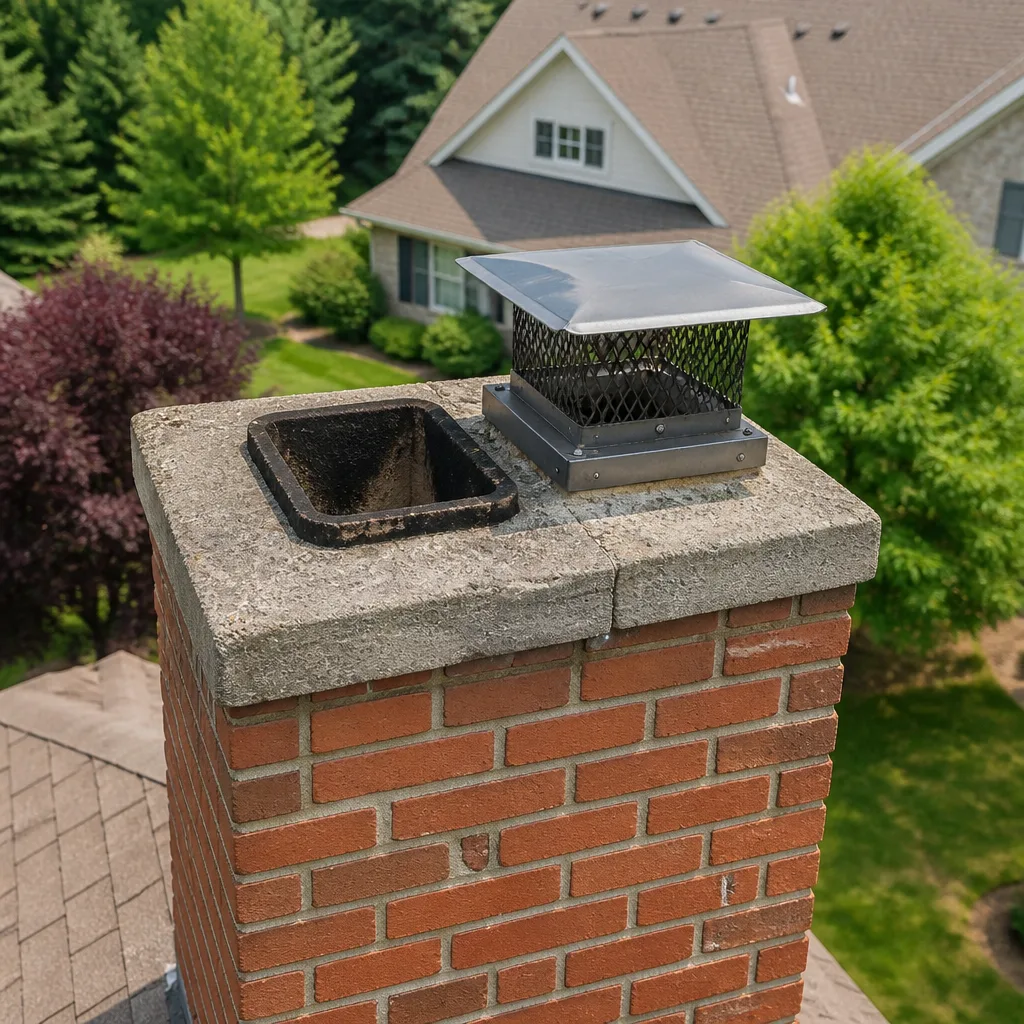 Sweep & inspection
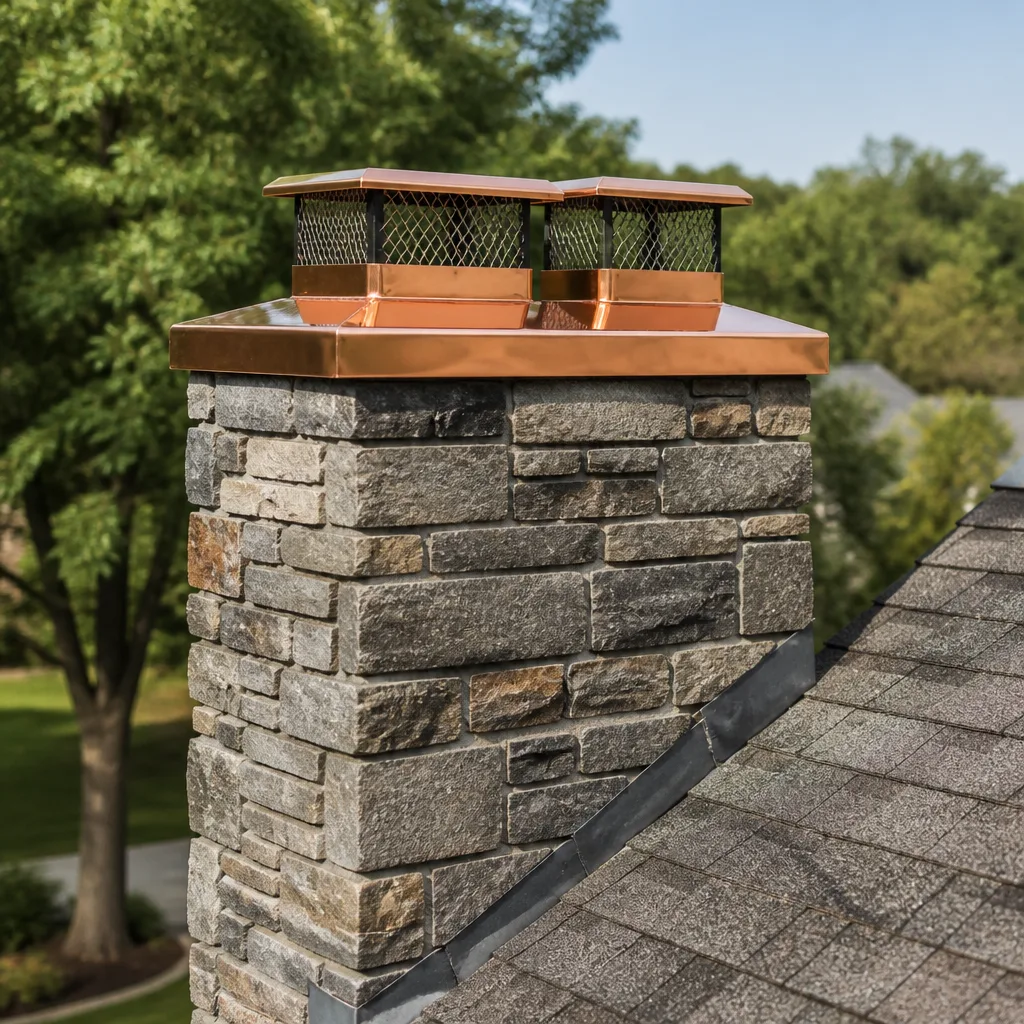 Caps & crowns
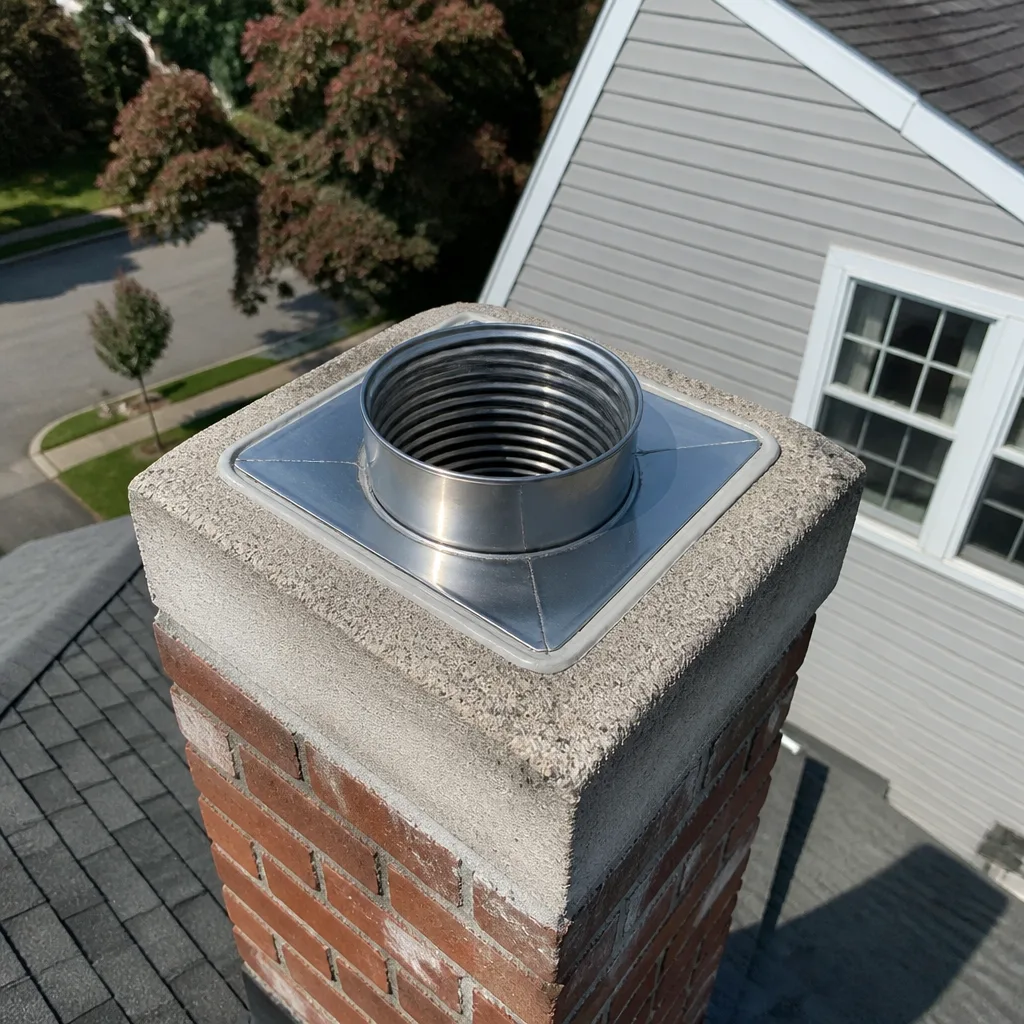 Flue relining
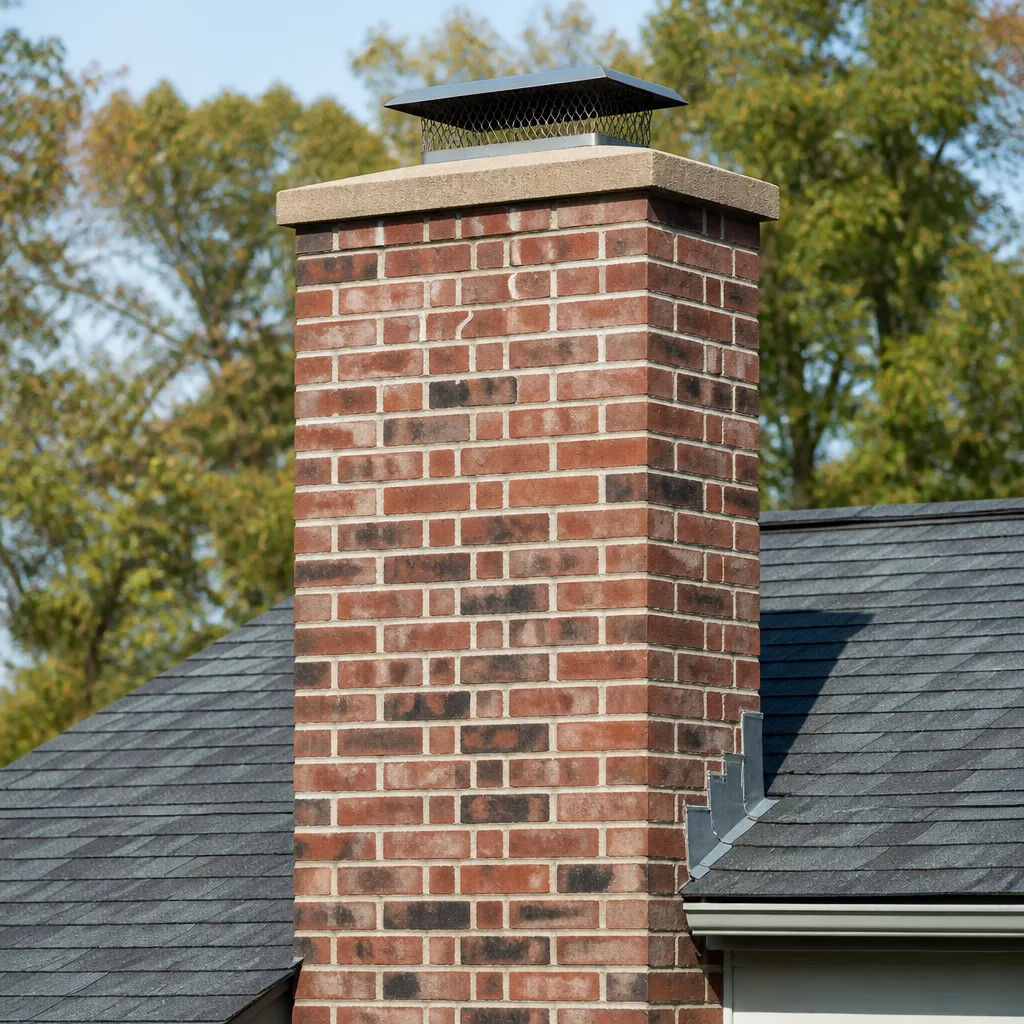 Masonry repair
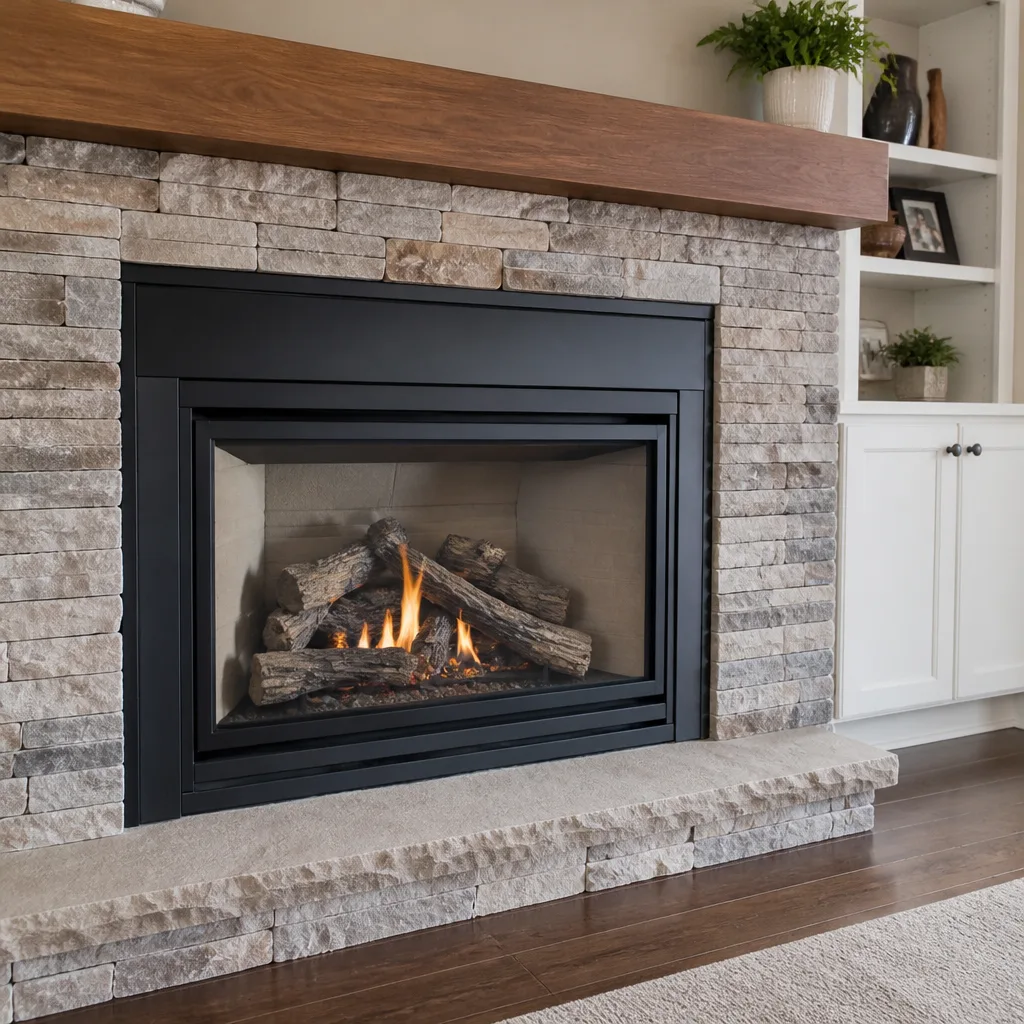 Gas fireplace service
Level 1 sweep and inspection to the NFPA 211 annual standard - flue, crown, cap, and flashing checked and photographed
Chimney sweep logs do not sweep chimneys. They loosen some creosote - which then falls where a brush and vacuum still have to collect it.
Chimney Sweep Maintenance Checklist for Clearwater Homeowners
If your chimney maintenance checklist includes “prepare for first freeze,” it was written for someone else. Clearwater homeowners need a checklist built around June storm prep, September nest clearance, and November’s first burn, in that order. Most of the advice you’ll find online is northern advice: fall sweeping, ice concerns, spring thaw. None of that maps to a Gulf Coast year. Here you’re managing wind and driving rain ahead of hurricane season, protecting chimney swifts through nesting season, and getting ready for a short, concentrated burn window that opens around the first cool evening in November. This guide walks through what to do, when to do it, and which parts you can check yourself versus which parts need a camera and a trained eye.
Quick Answer
A Clearwater chimney maintenance checklist runs on a Gulf Coast calendar: inspect cap, crown, flashing, and damper before June 1; book a post-storm inspection after any named storm or major wind event; clear bird nests in October before the burn season opens; schedule a professional sweep and camera inspection in the fall; and keep written records of every sweep and repair. Homeowners can check the cap, crown, and firebox surfaces themselves between visits, but the flue interior requires a camera or mirror and a trained assessment.
Styles & brands we work with
- Sweep & inspection
- Caps & crowns
- Flue relining
- Masonry repair
- Gas fireplace service
Table of Contents
- Why Clearwater Chimneys Need a Different Checklist
- The Pre-Hurricane Season Checklist (Before June 1)
- Post-Storm Inspection Triggers
- October Nesting Clearance Before Burn Season
- What Homeowners Can Safely Self-Inspect vs. What Needs a Pro
- Tracking Service History and Why It Matters
- dryer vent cleaning Belongs on the Same Calendar
- The Month-by-Month Clearwater Chimney Calendar
Why Clearwater Chimneys Need a Different Checklist
Chimneys fail differently here than they do in Ohio or Vermont. Up north, the enemy is freeze-thaw cycling that cracks masonry from the inside out. In Clearwater, the pressure comes from wind-driven rain, humidity that keeps masonry damp for weeks, and hurricane-season gusts that test every fastener and flashing joint on the roof. The northern checklist doesn’t address any of that.
The burn season here is also short and unpredictable. You might light the first fire in early November and stop by February, or you might have a handful of cool nights spread across three months. That pattern creates its own risk: a chimney that sat unused through a long, humid summer can accumulate nesting material, moisture damage, and glaze from the previous season’s fires, all invisible from the firebox.
The homeowner risk doesn’t disappear just because the fires are fewer. A chimney fire can happen on the tenth fire of the season as easily as the hundredth, and carbon monoxide from a blocked or damaged flue doesn’t care how mild the winter is. This is why our technicians have up to 15 years of experience working in this climate and why we organize our visits around the Gulf Coast year rather than a borrowed northern schedule.
At Charter Chimney Sweep, we see the full arc of this cycle because we handle the whole system: sweeping, repair, and relining under one roof. The checklist below reflects what actually goes wrong here and when, not a generic template. To learn more about the company, visit Charter Chimney Sweep.
The Pre-Hurricane Season Checklist (Before June 1)
June 1 is the date that matters most on the Clearwater chimney calendar. Everything structural that can be loosened by wind or driven rain should be inspected and tightened before hurricane season opens. Here’s what to check and why.
- Cap integrity. A chimney cap is your first line of defense against rain, birds, and sparks. Look at it from the ground with binoculars. Is the mesh intact, or is there a hole a bird can pass through? Is the cap still seated flush on the flue, or has wind pulled it loose? A loose cap rattles in wind and lets water straight down the flue.
- Crown sealant. The concrete crown at the top of the chimney should slope away from the flue so water runs off. Look for cracks, missing chunks, or a flat or sunken crown. Water that pools on the crown finds its way into the masonry, and interior damage follows.
- Flashing joints. Flashing is the metal where the chimney meets the roof. Wind and rain work on those joints all summer. Missing or lifted flashing lets water into the roof deck and the attic, and that damage shows up long before anyone thinks to blame the chimney.
- Damper function. Open and close the damper by hand. It should move freely and seal when closed. A damper stuck open lets humid summer air and rain into the flue; a damper stuck closed means you’ll light a fire into a closed flue the first cold night and fill the house with smoke.
- Masonry and exterior condition. Look for spalling brick, cracked mortar joints, or rust stains on the exterior. Rust streaks usually mean a metal component (cap, chase cover, or flashing) is corroding and needs replacement.
If something looks off, that’s the moment to book a professional inspection, not after the first named storm. A component that’s already compromised going into June won’t survive a wind event, and the damage it causes on the way out is usually far more expensive than the repair would have been. Our full-system approach includes diagnosing what’s failing and fixing it in the same relationship, which means you’re not stuck calling a sweep company that only cleans.
For Clearwater homes, the practical advice is simple: do this check in May. Don’t wait until a storm is in the forecast. Roofing and chimney repair schedules get crowded, and the last thing you want is a loose cap in the middle of a busy weather week.
Post-Storm Inspection Triggers
A chimney can look fine from the driveway and still need a professional look after a storm. Here are the triggers we tell Clearwater homeowners to watch for, and why “it looks fine” isn’t enough.
- Any named storm within the area. Wind gusts can loosen a cap, lift flashing, or crack a crown without any visible change from ground level. A professional inspection is the only way to confirm the cap and flashing are still properly seated.
- Visible roof damage. If the storm took off shingles or loosened roof components near the chimney, the flashing may have moved. This is a roofer-plus-chimney-problem, and the flashing joint needs to be confirmed.
- Water stains or a damp smell inside. Water finding its way into the masonry shows up as a musty smell in the room with the fireplace or a stain on the surrounding ceiling or wall. A damp chimney is a future repair; the sooner it’s identified, the cheaper it usually is.
- Debris in the firebox. After a significant wind event, small twigs, leaves, or grit can end up in the firebox. That tells you the cap is not doing its job.
- Damper no longer sealing. Wind can twist or bend a damper so it no longer closes properly. Check it after any major gust event.
The point of this section is to break the “looks fine, must be fine” instinct. Chimney damage is usually interior or hidden. A camera and a trained assessment before the burn season is the only way to know, and a pre-season check is actually cheaper than the mid-season emergency. It also means the answer to “do I really need a new liner?” comes with evidence you can see for yourself, not a guess.
The Clearwater climate also matters here: a summer of humidity sets up masonry for the fall, and a chimney that took on water in June is a chimney that will have more problems when you finally light that first fire. Schedule the inspection in the late summer or early fall, once storm season winds down and before the burn season opens. For more information on scheduling in this area, see our Clearwater service overview.
October Nesting Clearance Before Burn Season
Chimney swifts are a protected bird species in the United States, and they nest in chimneys across Florida during the warmer months. They arrive in spring, raise their young, and typically depart in late summer to early fall. Clearwater homeowners should not burn or run a sweep through a chimney that still has an active nest, and they should not try to clear one themselves.
The reason is straightforward: removing an active nest means destroying eggs or chicks, which is illegal under federal law that protects migratory birds. Chimney swifts are specifically protected, so a sweep or a “quick cleanup” during nesting season can land a homeowner in violation and, importantly, cause real harm to the birds. The right move is to wait until the swifts have vacated and then schedule a professional cleaning to remove the nesting material they leave behind.
Here’s the October flow we recommend:
- Look first. With binoculars or a flashlight at the firebox, check for active bird activity in late summer. Swifts chattering in the flue or hovering near the top of the chimney usually means the nest is still active.
- Confirm the vacancy. Once activity has stopped for a week or two, typically by early to mid-October, the birds have likely moved on. Don’t assume; observe.
- Book the sweep. A professional sweep removes the nest, droppings, and debris from the flue. This also lets a technician assess whether the flue surface is still intact under all that material.
- Cap check. Once the nest is gone, confirm the cap and its mesh are intact so the next season’s swifts can’t get back in. A properly sized cap with a properly sized mesh is the simplest fix for this problem.
We install caps and vent components from brands like Gelco and Olympia Chimney, which means the cap you get is sized and installed to spec, not a universal fit that leaves gaps the swifts can slip through. A cap that’s the wrong size is barely better than no cap at all when you’re dealing with a determined bird.
What Homeowners Can Safely Self-Inspect vs. What Needs a Pro
There’s a useful split between what a homeowner can reasonably check and what genuinely needs a professional. Knowing the difference saves you worry and keeps you safe.
Safe to check yourself
- Cap from the ground. Use binoculars to confirm the cap is seated, the mesh is intact, and there’s no visible rust-through.
- Crown from the ground. Look for cracks, spalling, or a crown that looks level or sunken rather than sloped.
- Exterior masonry. Check for cracked mortar, loose bricks, or rust stains.
- Flashing from the ground. Look for lifted or missing metal where the chimney meets the roof.
- Firebox surfaces. With the fire out and fully cool, look at the brick and mortar inside the firebox for visible cracks, crumbling joints, or missing mortar. Look up at the flue opening for obvious blockages.
- Damper operation. Open and close it by hand; the motion should be smooth.
- Water signs. Check for rust on the firebox interior or damper, and smell for mustiness in the room with the fireplace.
Requires a camera, mirror, or a trained eye
- The full flue interior. The upper flue and the offset areas can’t be seen from the firebox. A camera or mirror inspection is the only way to assess creosote buildup and flue surface condition.
- Creosote assessment. Creosote buildup depth and type (flaky, hardened, or glaze) determines the sweep method and the fire risk. It’s assessed visually inside the flue.
- Liner condition. Cracks, gaps, or deterioration in the liner aren’t visible from the ground or the firebox. A camera inspection reveals them.
- Flue sizing. Whether the existing flue is properly sized for the appliance it serves needs measurement and training, not a visual guess.
- Repair decisions. Resurfacing the flue with HeatShield versus a full reline with a DuraFlex system is a judgment call informed by the camera evidence. That’s the diagnosis-and-fix we handle as part of the same visit.
The line between these two lists is why we don’t tell homeowners to “check the flue” or give them a way to do it themselves. Climbing on a roof or pushing a rod into a flue carries real risk, and what you can’t see is precisely what matters. The value of a professional visit is the camera evidence, which you should be able to review yourself before agreeing to anything.
Tracking Service History and Why It Matters
Keep a simple written record of every chimney-related service: the date of each sweep, what the camera inspection found, the condition of the liner, what was repaired or replaced, and who did the work. This folder of paper is one of the most useful things you can have as a Clearwater homeowner.
Here’s why. After a chimney fire, insurance claims go smoother when there’s documented maintenance showing the chimney was being maintained to a reasonable standard. Without records, an adjuster has to guess whether the fire was the result of deferred maintenance or an accident, and that guess can go against you. The same applies to a liner failure: if you can show a recent inspection said the liner was in good condition, the conversation is different from one where the liner had never been looked at.
Documentation also protects you at resale. A new buyer’s inspector is going to look at the chimney, and a clear history of maintenance and repairs is far more reassuring than a shrug and “it’s always worked.” It also helps you schedule the next item: the checklist lives in one place, and you know exactly when the last sweep and inspection happened.
What to keep in the folder:
- Dates of every professional sweep and inspection.
- Photo or written notes on liner condition at the time of the visit.
- Records of any repair, resurfacing, or relining, with the product used.
- The make and installation details of the cap and any vent components.
- Notes on how and how often the fireplace or stove is used.
Ask any company you hire for a written record of the visit, and review it before filing. A proper report tells you what was found, what was done, and what to watch. Our chimney sweep service is set up to leave you with exactly that, not just a cleared flue and a goodbye.
Dryer Vent Cleaning Belongs on the Same Calendar
If you’re building a home maintenance calendar around fire prevention, the dryer vent belongs on it. Lint buildup in the vent line is a recognized fire hazard in residential homes, and it’s the kind of risk that builds silently while everything looks normal. It’s the same principle as the chimney: an unseen accumulation that only becomes obvious when it causes a problem.
Most chimney-only companies don’t offer dryer vent cleaning, which is why it tends to fall off homeowner calendars entirely. We offer it as a standalone service so the reminder can fit your seasonal routine rather than being tied to a chimney visit. A dryer vent left uncleaned is a fire waiting for a date, and on a Gulf Coast calendar, the natural slot is the same as the pre-season run: before summer, and again at the end of the hot, heavy-use months.
What a dryer vent cleaning visit includes:
- Full-length cleaning of the vent run from the dryer connection to the exterior termination.
- Confirmation that the exterior vent flap opens and closes freely.
- A check for crushed or disconnected ducting and for improper materials that need replacing.
- The same documentation you’d expect from a chimney sweep visit, so it goes straight into your folder.
You can read more about our dryer vent cleaning service and how it fits with the rest of the seasonal checklist.
The Month-by-Month Clearwater Chimney Calendar
Here’s the whole checklist in one place, organized by month. Treat it as a working schedule you can print and put on the fridge. Dates are guidance, not deadlines. The point is to keep you ahead of the weather rather than reacting to it.
- May. Do the pre-hurricane safety check yourself, or book a professional to do it. Cap, crown, flashing, damper, exterior masonry. Fix anything that’s already loose or cracked before June 1.
- June through August. Storm season. Watch for post-storm triggers after any significant wind or rain event: visible roof damage, water stains, a damper that no longer seals, or debris in the firebox. Book an inspection if any apply. Also watch for bird activity in the chimney as swifts make use of the open flue; don’t sweep yet.
- September. Observe whether the swifts have vacated. Confirm no active nesting before scheduling any sweep or cleaning; if birds are still present, wait.
- October. Book the professional sweep and camera inspection. This is also the window to have the nest removed, the cap checked for sizing and mesh, and any damage from storm season assessed. Review any needed repair options with the camera evidence in front of you, and don’t feel pressured to do anything that can safely wait.
- November. The burn season opens. Before the first fire, confirm the flue is clear, the damper moves freely, and the cap is in place. From here, keep a note of how often and how heavily you burn.
- December through February. Watch for warning signs during the burn season: smoke backing into the room, a strong draft smell, soot flakes in the firebox, or a chimney that smokes differently than usual. Don’t ignore changes.
- March and April. Wind down the season. Book a sweep if you burned heavily, clear your calendar for the May pre-season check, and revisit the dryer vent cleaning slot.
Notice that the chart has no “first freeze” line and no “spring thaw” line, because Clearwater doesn’t get either. That absence is the local content you won’t find in a northern checklist, and it’s the reason a borrowed schedule always feels slightly off. The seasons here are storm season, nesting season, and burn season. Everything else bends around those three.
If you need a Clearwater chimney check before the burn season, our team handles it and the repair in the same visit. Call (844) 989-2870 to set up an estimate.
Common Mistakes to Avoid
- Running a northern checklist. Preparing for “first freeze” in a Clearwater home misses the things that actually go wrong here: June storm damage, nesting material, and humidity damage. Start from the Gulf Coast calendar and you’ll catch what matters.
- Burning before the swifts have cleared. Nesting swifts are protected, and running a sweep or lighting a fire in their chimney during the breeding season is illegal. Wait until activity has clearly stopped in October before booking a cleaning.
- Assuming “looks fine” means fine. The cap, crown, and flashing may look correct from the driveway while the flue interior has a crack or the flashing has lifted. Only a camera inspection can confirm what’s inside.
- Skipping the post-storm inspection. A storm doesn’t have to damage your roof to loosen a cap or flashing joint. A “no visible damage” verdict from the ground doesn’t cover the chimney components.
- Ignoring the dryer vent. Lint buildup in the vent line is a recognized fire hazard, and it drops off maintenance calendars entirely when the only company you call is a chimney sweep.
- Not keeping records. No documentation of past sweeps, liner condition, or repairs makes an insurance claim after a fire harder. Keep the folder current and ask for written reports.
- Agreeing to unverified repair work. If someone tells you the liner needs replacing without showing you the camera findings, don’t commit. Ask to see the evidence, and say plainly when work can safely wait.
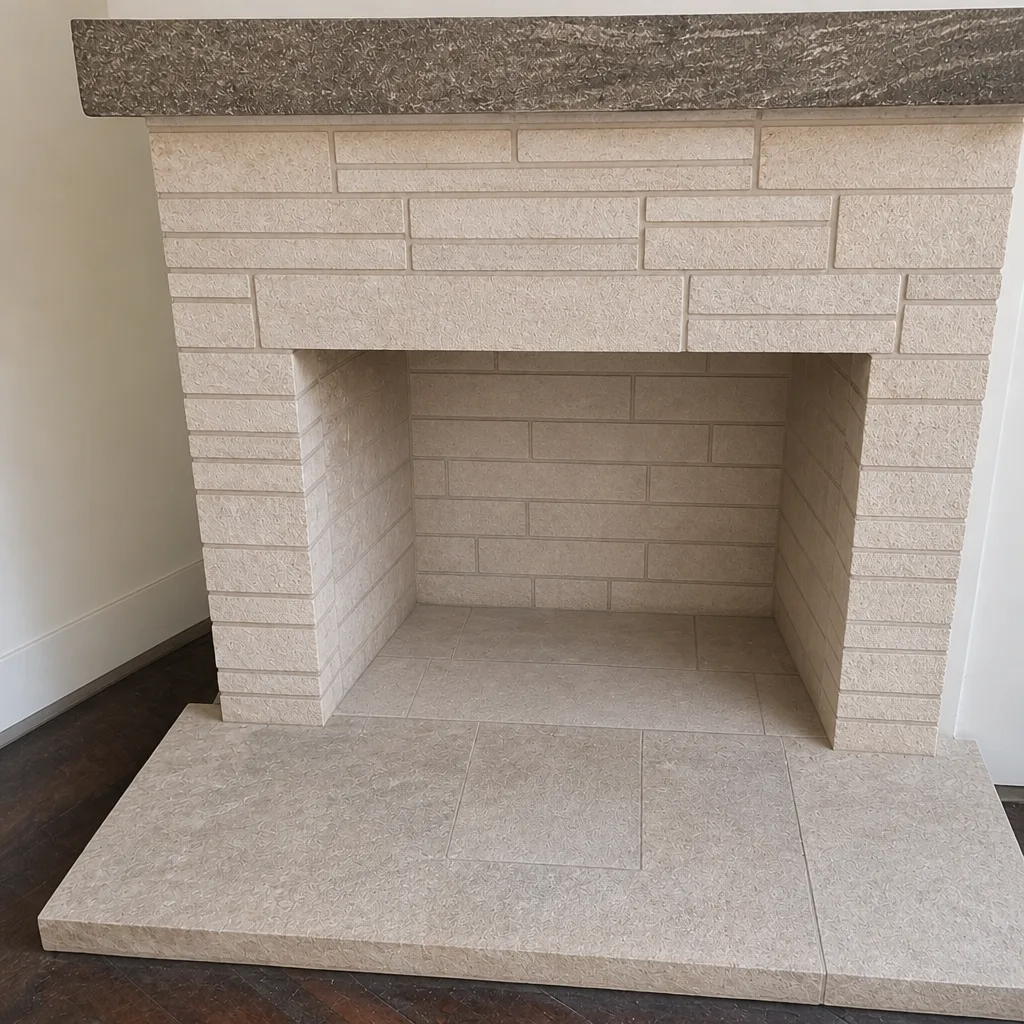
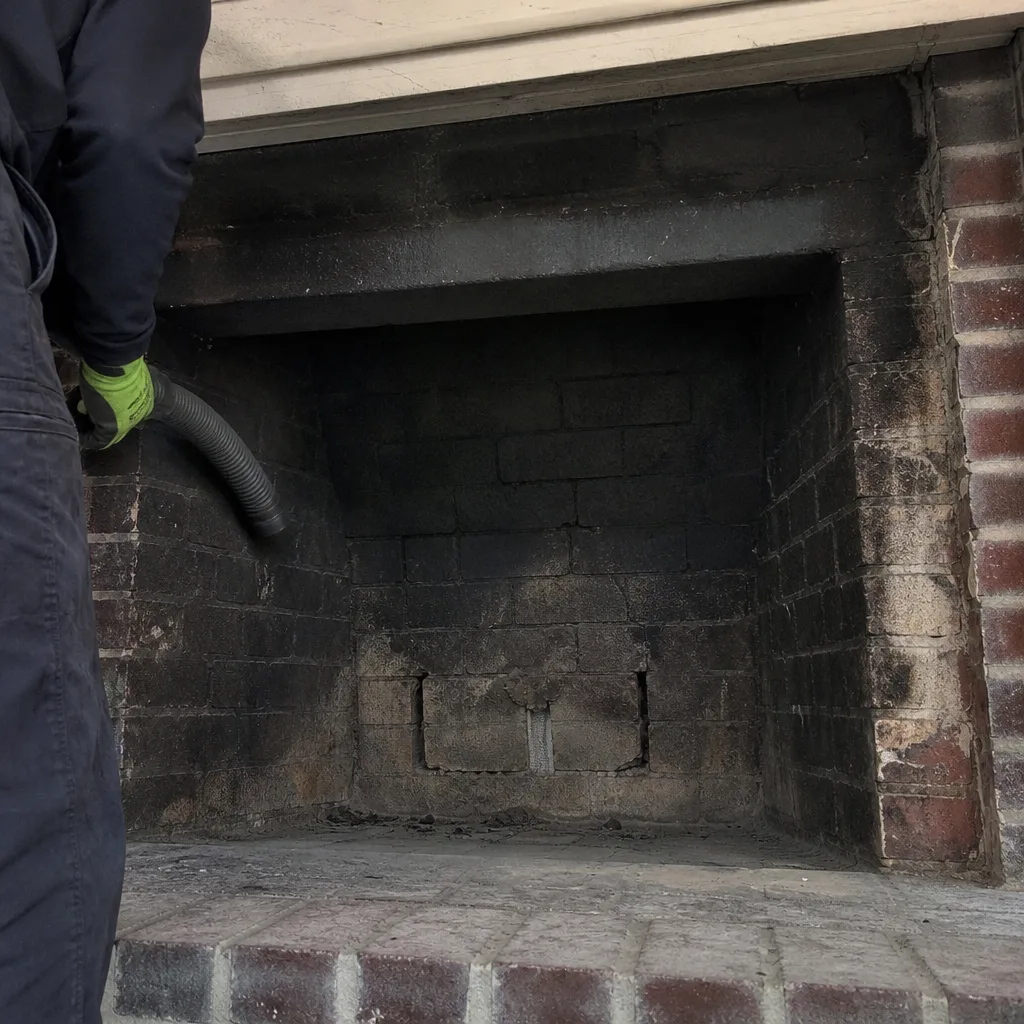
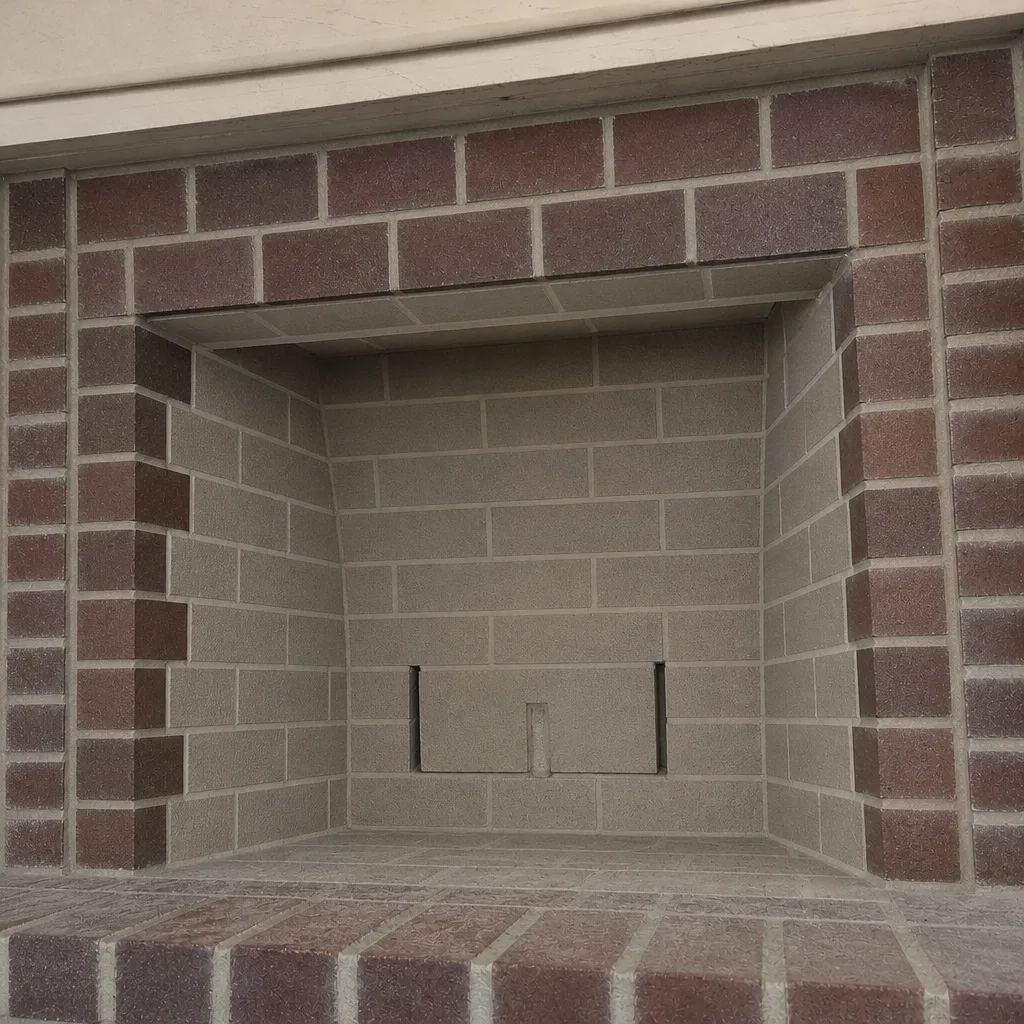
See the difference
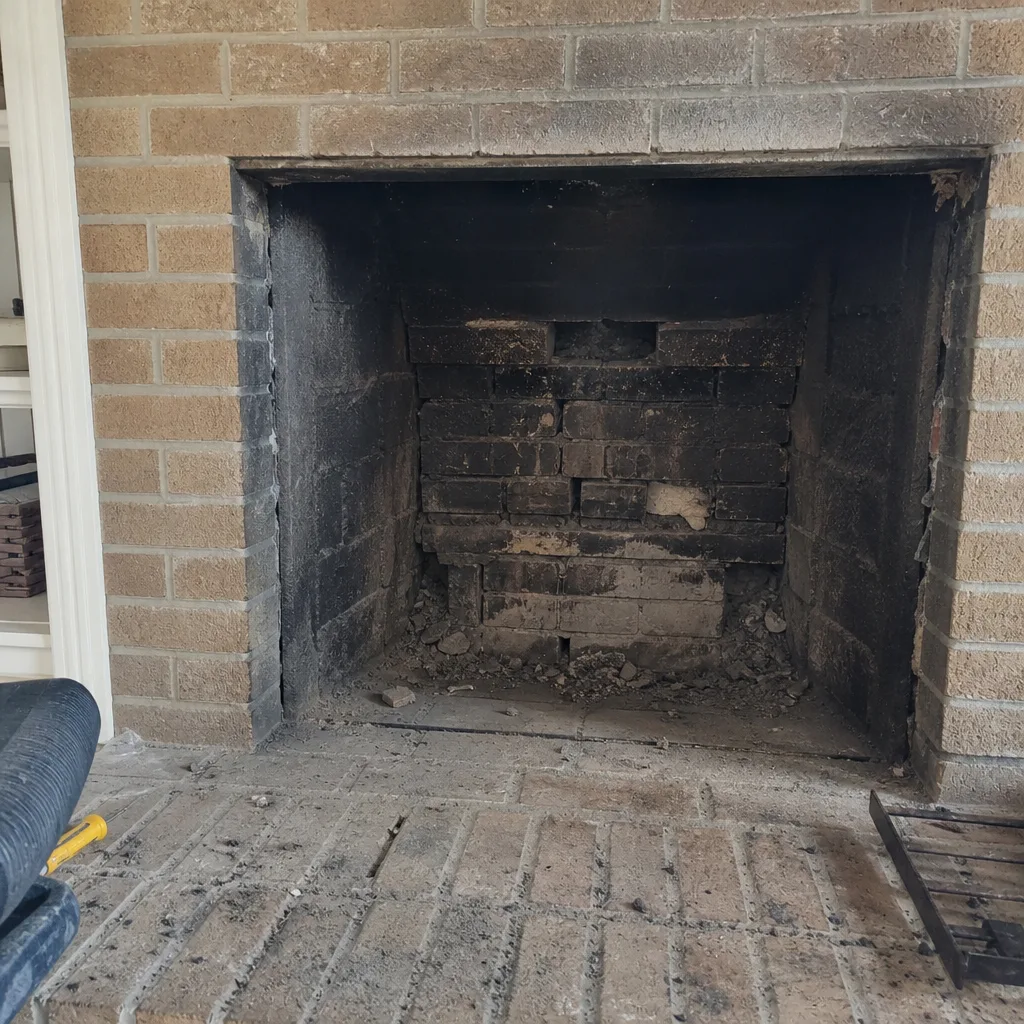 Before
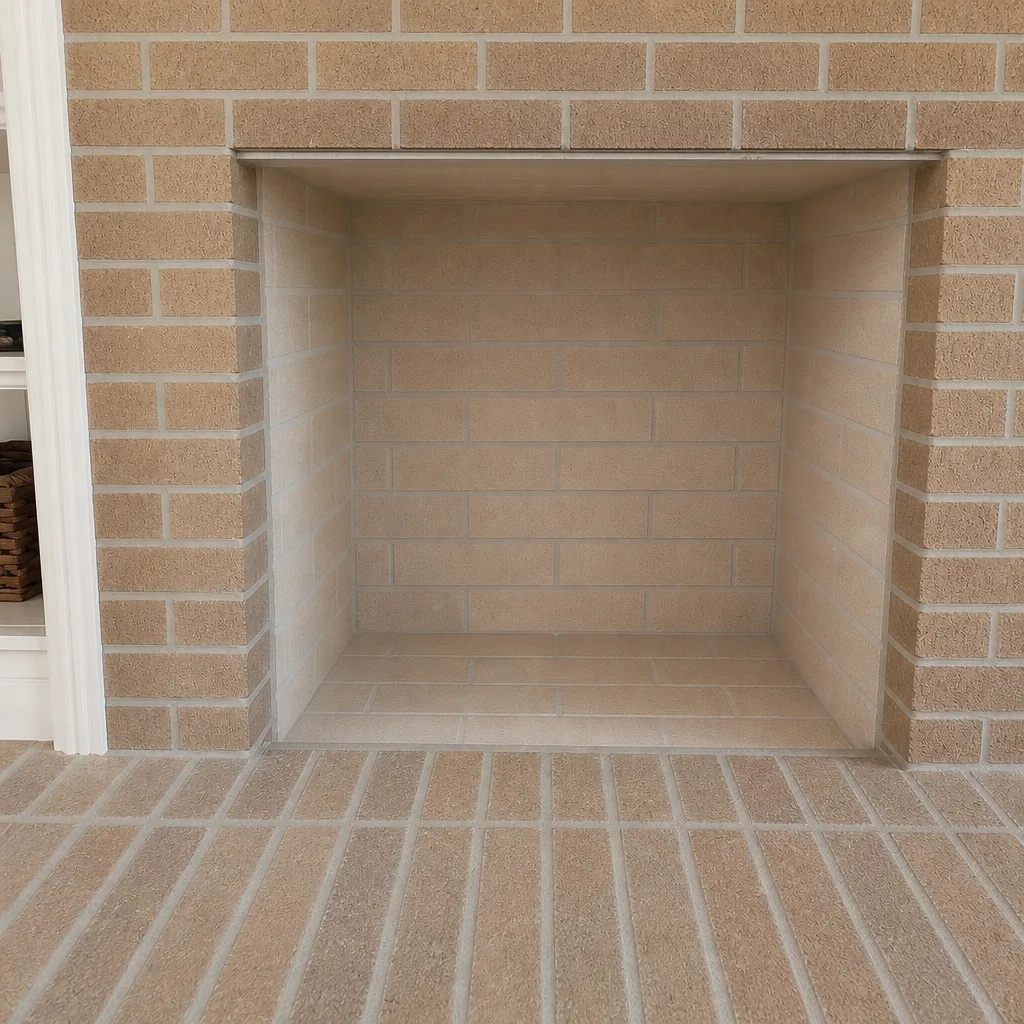 After
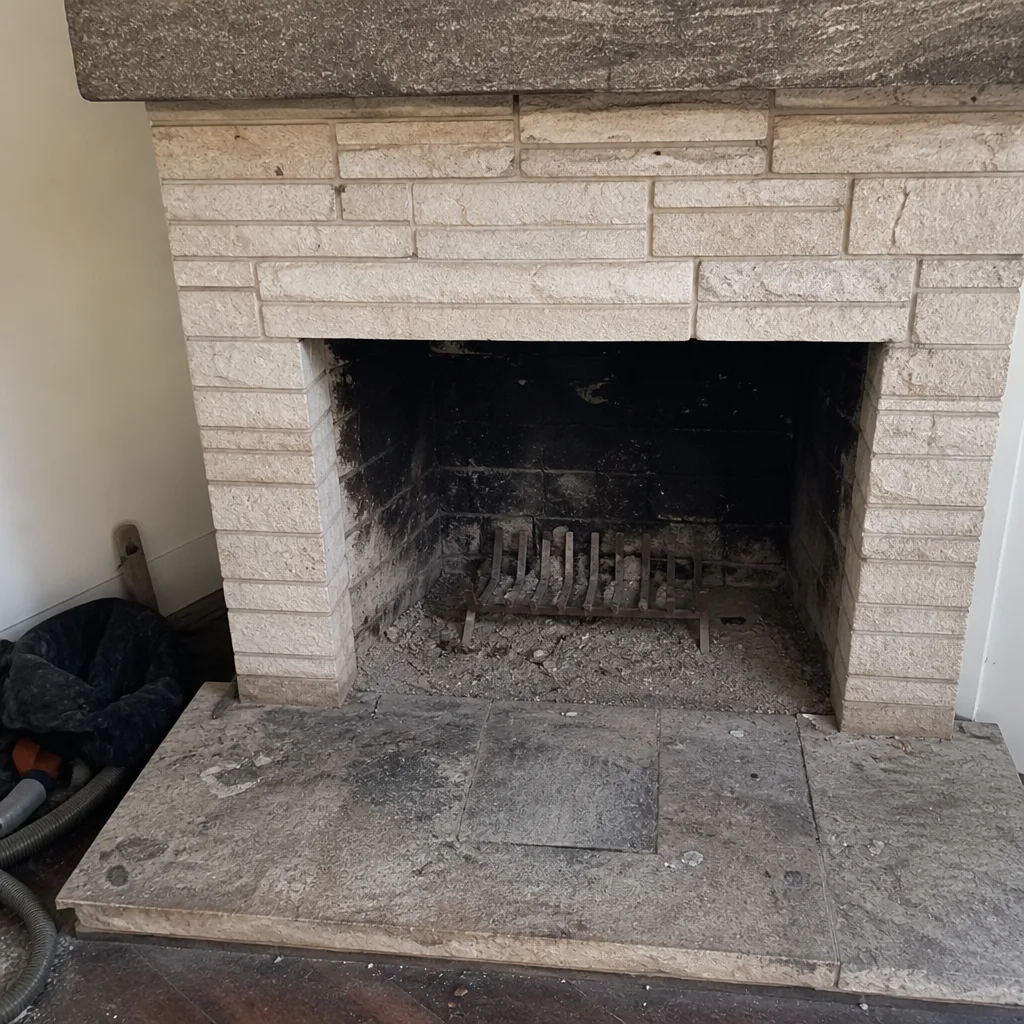 Before
 After
 Before
 After
When to Call a Professional
Call a professional in any of these situations: the cap or crown is cracked or missing, the flashing has lifted, the damper no longer seals, you see water stains or smell mustiness near the fireplace, debris has appeared in the firebox after a storm, swifts have nested in the chimney, or it’s been a season or more since the last sweep and inspection. Call before the first November fire rather than after it, and call the moment smoke backs into the room during a burn. If you’re in doubt about the liner or the flue interior, that’s exactly what a camera inspection is for, and there is no substitute for seeing it. Charter Chimney Sweep offers free estimates in Clearwater. Call (844) 989-2870. We answer 24/7. Fast dispatch from 7am to 7pm, Sunday through Friday.
Frequently Asked Questions
A Clearwater chimney checklist should cover a pre-hurricane season inspection before June 1 (cap, crown, flashing, damper), post-storm inspection triggers, an October check that swifts have vacated before cleaning, a professional sweep and camera inspection in the fall, and a written record of every visit. It should also include dryer vent cleaning, since lint buildup is a recognized fire hazard. The northern checklist items like first-freeze prep don’t apply here, so skip them. Call (844) 989-2870 for an exact quote. Estimates are free.
The general recommendation is to sweep once a year for a homeowner who burns regularly, and more often if you burn heavily or notice creosote buildup or draft changes. In Clearwater, the practical answer is once in the fall before the burn season opens, plus a sweep if you’ve had storm debris or a nest in the flue. If you burn only a handful of fires a season, a professional camera inspection still belongs on the annual calendar, even if the sweep itself can wait. Call (844) 989-2870 for an exact quote. Estimates are free.
Partially. You can check the cap and crown from the ground, look at the firebox surfaces and mortar, confirm the damper moves freely, and watch for water stains. You can’t check the full flue interior, assess creosote depth and type, inspect the liner, measure flue sizing, or make a repairable-versus-reline judgment without a camera and training. The parts you can do are genuinely useful; the parts you can’t are the ones that matter most for fire safety. Call (844) 989-2870 for an exact quote. Estimates are free.
Skipping a season can leave creosote buildup, storm damage, or a blocked flue undetected, which increases the fire and carbon monoxide risk when you next burn. In Clearwater, the added risk is that a summer of humidity and storm season can compromise the cap or flashing before the burn season starts, so a skipped pre-season check means the first fire goes into conditions nobody has looked at. A short delay is often fine; skipping the annual inspection is the part that matters. Call (844) 989-2870 for an exact quote. Estimates are free.
Only if the camera evidence shows the existing liner is cracked, deteriorated, or wrongly sized, and you should see that evidence for yourself before agreeing to anything. HeatShield resurfacing can repair many interior flue problems without a full liner replacement, and when a full reline is the right answer, we install DuraFlex systems. If the liner is sound, no replacement is needed, and we’ll tell you so plainly. Call (844) 989-2870 for an exact quote. Estimates are free.
Documentation of past sweeps, liner condition, and repairs can support an insurance claim by showing the chimney was maintained to a reasonable standard. An adjuster trying to judge whether a fire resulted from deferred maintenance has an easier time clearing a claim with a clear maintenance record than without one. The same file helps at resale and keeps the annual checklist on schedule. Start a folder and ask for written reports from every visit. Call (844) 989-2870 for an exact quote. Estimates are free.
The Bottom Line
A Clearwater chimney checklist is built around storm season, nesting season, and burn season, not the northern freeze-and-thaw calendar. Do the structural check before June 1, watch for post-storm triggers, confirm the swifts have vacated in October, book the sweep and camera inspection before the first November fire, and keep written records of everything. Add dryer vent cleaning to the same calendar. Check what you can from the ground, call a professional for the inside of the flue, and insist on evidence before any repair. We work with the same professional-grade materials chimney contractors trust, and we’ll tell you plainly when work can safely wait.
Charter Chimney Sweep handles sweeping, repair, relining, and dryer vent cleaning so you get the diagnosis and the fix from the same relationship. Call (844) 989-2870 for a free estimate. We answer 24/7. Fast dispatch from 7am to 7pm, Sunday through Friday.
Written by the team at Charter Chimney Sweep.