
Last updated November 15, 2026
 Sweep & inspection
 Caps & crowns
 Flue relining
 Masonry repair
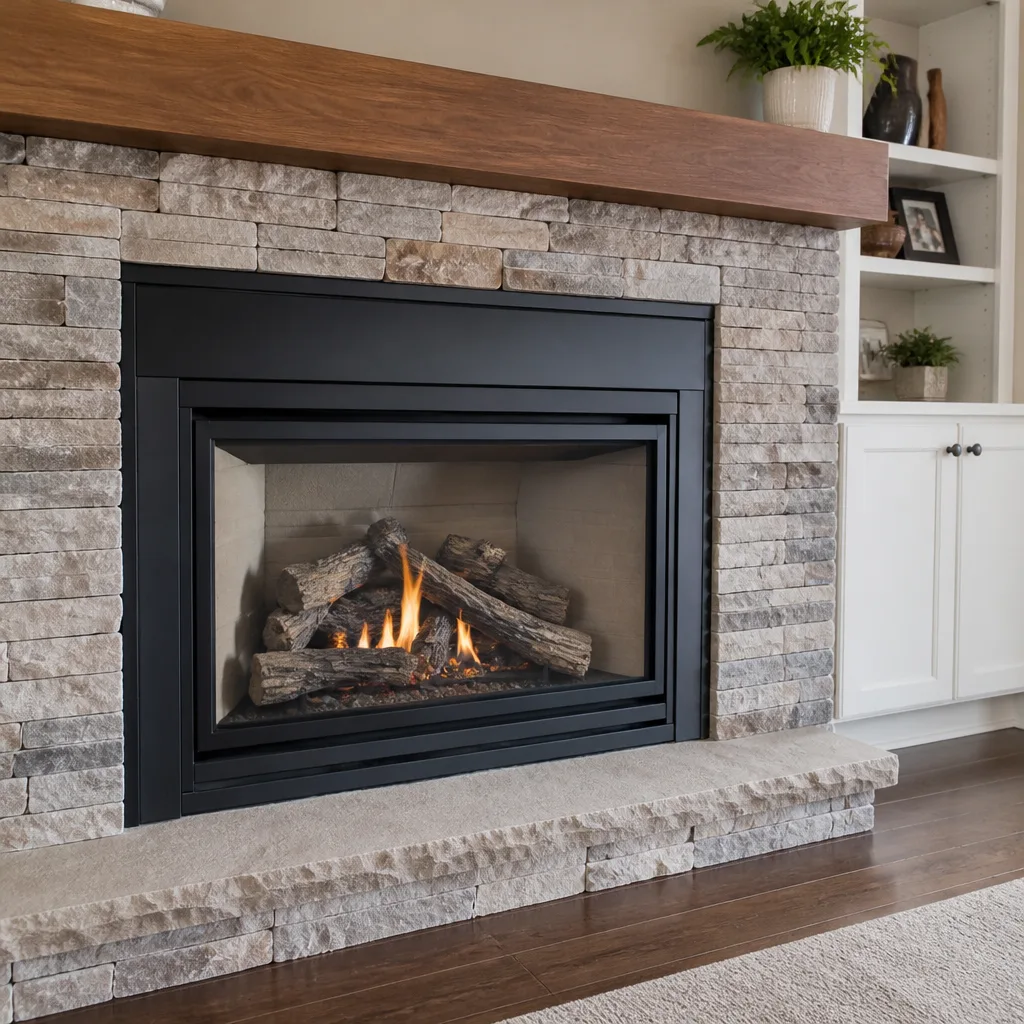 Gas fireplace service
Level 1 sweep and inspection to the NFPA 211 annual standard - flue, crown, cap, and flashing checked and photographed
Chimney sweep logs do not sweep chimneys. They loosen some creosote - which then falls where a brush and vacuum still have to collect it.
Chimney Sweep Troubleshooting in Clearwater: Common Problems and How to Fix Them
If your fireplace smokes back into the room right after a professional cleaning, the chimney wasn’t the problem – the cleaning just proved it. That’s the counterintuitive thing about chimney troubleshooting: a dirty flue is only one of several possible culprits, and it’s usually the easiest one to rule out. Most of the smoke complaints, odor complaints, and draft complaints we hear about in Clearwater trace back to pressure, stack height, chase design, water intrusion, or venting problems that a brush was never going to solve. This guide teaches you to read your chimney’s symptoms the way a certified technician does, so you can describe what’s happening accurately and get the right fix the first time.
Quick Answer
Smoke coming into a Clearwater home is most often a draft or pressure problem, not a creosote problem – and the fix depends entirely on which one it is. A professional sweep diagnoses by elimination: checking flue blockage, measuring draft, inspecting the firebox and cap, looking for water entry, and confirming the appliance is vented to the right size. Standard sweeping removes first-degree creosote only; glazed second- and third-degree deposits need chemical treatment or relining. If a cleaning didn’t stop the smoke, the chimney needs diagnosis, not another sweep.
Styles & brands we work with
- Sweep & inspection
- Caps & crowns
- Flue relining
- Masonry repair
- Gas fireplace service
Table of Contents
- Draft Problems vs. Blockage: Why the Symptoms Overlap
- Why Clearwater’s Idle Fireplaces Behave Differently
- The Three Degrees of Creosote and What Actually Removes Them
- The Diagnostic Sequence a Certified Sweep Uses
- Water Entry: A Masonry Problem, Not a Cleaning Problem
- Vent Sizing and Appliance Mismatch
- Dryer Vent Symptoms That Get Mistaken for Chimney Trouble
- When Resurfacing Works and When You Need a Full Reline
Draft Problems vs. Blockage: Why the Symptoms Overlap
Both draft failure and a blocked flue can fill a room with smoke, and both can smell like a chimney problem. But the causes and the fixes have almost nothing to do with each other. This is the single most useful distinction in chimney troubleshooting, and it’s the one homeowners most often miss.
Draft is the upward pull of air through the flue. It depends on the temperature difference between the flue gas and the outside air, the height of the chimney, and the pressure balance inside the house. Blockage is a physical obstruction: a bird nest, a collapsed flue tile, a squirrel’s winter stash, a failed cap screen.
Here’s how the symptoms separate in practice:
- Smoke appears mostly on startup, then settles. That’s a classic cold-flue or pressure symptom, not a blockage.
- Smoke rolls out continuously, even when the fire is hot. More likely a partial blockage or an undersized flue.
- Smoke comes out of a second appliance (a water heater, a furnace flue) when the fireplace runs. That points to pressure, backdrafting, or two appliances competing for the same air.
- The smell is musty or animal-like rather than smoky. That’s debris or nesting, not creosote.
- The smell appears only on warm, still days. That’s cold flue – no temperature differential to drive the draft.
In Clearwater, this distinction matters because a huge share of the fireplaces here sit unused through most of the year. The flue stays cold, the house stays sealed up against the heat, and the pressure balance shifts toward the negative. When the first cool evening arrives and the fireplace gets lit, the smoke behaves nothing like it did in a colder climate where the chimney stays warm for months at a time.
If you’ve just had the flue swept and the smoke persists, that’s not a failed cleaning. It’s evidence that the problem was never the flue interior. A chimney sweep with diagnostic training will tell you that on the first visit rather than booking you for a second one.
Why Clearwater’s Idle Fireplaces Behave Differently
Clearwater’s warm climate makes fireplaces seasonal in a way northern fireplaces aren’t. A northern fireplace runs five months a year and stays dry and warm in between. A Clearwater fireplace might run a dozen evenings a season, which means it sits cold, often closed up, for the other ten months – and that creates a specific set of problems.
The two most common are cold flue syndrome and debris blockage.
Cold flue syndrome happens when the flue is the same temperature, or colder, than the room. On startup, there’s no upward draft because there’s no warmth to lift the smoke. It spills into the room until the fire heats the flue enough to reverse the flow. In this climate, that startup spill can be dramatic because the flue hasn’t been warmed in months.
Debris blockage is more common here for a simple reason: the long idle season leaves the chimney available to wildlife for most of the year. Birds, squirrels, and wasps use a flue as shelter, and a missing or damaged cap screen means the nest sits undisturbed for months. An uncapped Clearwater chimney in spring is practically a standing invitation.
Other climate-related patterns worth knowing:
- Humidity followed by heat drives masonry moisture problems inside chimneys that sit unused through the summer, which we cover separately below.
- Air conditioning running with the house sealed makes the indoor pressure more negative than a naturally ventilated house, so more smoke leaks.
- Mild fall evenings create less temperature differential than cold nights, so a chimney that drafts fine in January may not draft at all in November.
The practical takeaway: in Clearwater, don’t skip the annual sweep just because you’ve used the fireplace twice. The idle months are when the problems actually accumulate, and the first fire of the season is when you find out. Our technicians have up to 15 years of experience in this trade, and the inspection side matters as much as the cleaning side here.
The Three Degrees of Creosote and What Actually Removes Them
Standard sweeping removes one of the three creosote degrees, and only one. This is where homeowners get the biggest surprise, and where “the sweep came out and it’s still not working” complaints usually originate.
Creosote forms in three stages:
- First-degree creosote is the fluffy, soot-like, easily brushed deposit. A standard sweep removes it cleanly. This is what most people picture when they think about chimney cleaning.
- Second-degree creosote is flaky, crusty, and harder – it looks like dried flakes or curled paper. A brush passes over it without removing it. It needs chemical treatment or a mechanical method designed to break the bond.
- Third-degree creosote is glazed, hardened, and tarry. It looks like a shiny black coating fused to the flue wall. Nothing a brush does will touch it. Third-degree creosote is what the fire-risk conversation is really about, and it typically requires relining or a specialist resurfacing method.
Why this matters before you book: a sweep who runs a brush, looks up, and finds glazed third-degree creosote cannot fix it on that visit. If the company you hire only sweeps and doesn’t repair or reline, you’ll get a diagnosis and a referral. If you hire a full-service chimney specialist, that same visit can end with a repair plan, not a second service call.
Clearwater’s idle seasons contribute to creosote grading in a subtle way: lower burn frequency and cooler flue temperatures during short fires mean incomplete combustion and more creosote per fire than a hot, frequent burn would produce. A fireplace that runs rarely can build more glaze per cord than one that runs steadily.
When we find second- or third-degree deposits, we look at the liner condition and recommend either HeatShield resurfacing (a specialist method for restoring a deteriorated flue interior without a full replacement) or a DuraFlex liner system. Both are professional-grade repairs, and both are decisions we walk customers through with documentation, not sales pressure.
The Diagnostic Sequence a Certified Sweep Uses
Understanding how a technician troubleshoots helps you describe symptoms accurately before anyone arrives. Here’s the sequence we follow, in order, on a smoke complaint.
- Interview the symptom pattern. When does the smoke appear? On startup, throughout the burn, only behind closed doors, only when the dryer runs, only on warm days? Each answer narrows the diagnosis.
- Inspect the firebox and damper. Damper operation, firebox dimensions, and any modifications to the opening affect smoke spillage dramatically.
- Camera-inspect the flue. A camera is what separates a real diagnosis from a guess. We’re looking for blockage, offset tiles, damaged liner joints, gaps, and creosote grade.
- Inspect the cap and crown. A damaged or missing cap is a common source of debris and water problems. A failed crown lets water into the masonry.
- Check venting and sizing. The flue needs to be correctly sized for the appliance. A flue that’s too large or too small drafts badly regardless of cleanliness.
- Test draft and pressure. A draft gauge plus a look at the home’s pressure envelope – exhaust fans, HVAC operation, tightly sealed construction – tells us whether the chimney’s problem is inside the chimney at all.
- Photograph and report. Every finding should be photographed. If a technician can’t show you the inside of your own flue, ask why.
When you call us about a smoke problem, we book the inspection with the understanding that the answer may be in the chimney, the house, or both. If you’d like to know exactly what to expect, our team at Charter Chimney Sweep walks through the diagnosis on the visit before any work is quoted.
Water Entry: A Masonry Problem, Not a Cleaning Problem
Water stains on the firebox wall, rust on the damper, a musty smell, or a flue tile with chunks missing all point to water intrusion – and none of them will improve with a sweep. This is the most common misdiagnosis we see, and it’s expensive to get wrong because it leads to repeated sweeps with no result.
Water gets into a chimney through a small number of well-defined paths:
- The crown (the concrete cap on top of the masonry) cracks, letting water run down between the flue tile and the outer brick.
- Missing or damaged flue caps let rain straight down the flue.
- Failed flashing at the roofline lets water in where the chimney meets the roof.
- Spalling brick lets water pass through the masonry itself.
In Clearwater’s humid climate, this matters more than it would in a dry one. Masonry that stays damp for longer stretches has more opportunity to crack, spall, and deteriorate. The longer water entry goes unaddressed, the more expensive the fix becomes because the damage moves from the crown and cap (relatively small) to the flue tile and interior masonry (much larger).
Two things to know for your inspection:
- Water entry is diagnosed from the top down. A proper inspection includes the crown, cap, and flashing, not just the flue interior from below.
- Water entry is repaired, not cleaned. If your sweep finds water damage and offers to “clean it up,” ask specifically how the entry point will be sealed.
If your chimney has a Clearwater history of damp firebox walls after heavy rain, describe that pattern when you book. It tells us to inspect from the top of the chimney first.
Vent Sizing and Appliance Mismatch
An undersized or oversized flue drafts poorly no matter what you do to it. Vent sizing is the part of chimney troubleshooting homeowners rarely hear about, and it’s often the reason a fireplace that “used to work” doesn’t anymore.
The size problem shows up in a few ways:
- A fireplace insert fitted without a correctly sized liner will draft poorly because the insert’s flue collar doesn’t match the masonry flue.
- A wood stove vented into a large flue built for an open fireplace cools the flue gas too much to maintain draft.
- A gas appliance vented to an oversized flue produces weak draft and condensation on the flue walls.
- Two appliances sharing a single flue can backdraft into each other, and in most cases this is prohibited by code.
Correct vent sizing is where professional-grade materials earn their place. A liner system like DuraFlex is available in the sizes that match the appliance, not just the flue. A cap or vent component from Gelco or Olympia Chimney has the correct throat configuration for the application. A general sweep with a brush cannot correct a sizing issue no matter how clean the flue gets.
If you have an insert or wood stove and the smoke problem started after the appliance was installed, that’s the first thing to have checked.
Dryer Vent Symptoms That Get Mistaken for Chimney Trouble
Not every “chimney smell” or “smoke in the room” complaint is a chimney complaint. Dryer vents share the same wall, often the same chase, and sometimes the same pressure dynamics – and a clogged dryer vent produces a lint smell, heat, and humidity that homeowners sometimes attribute to the chimney.
Signs your dryer vent, not your chimney, is the problem:
- The dryer takes longer than it used to to dry a load, or clothes come out hot and damp.
- The laundry area feels humid after a cycle, or condensation appears on nearby windows.
- Lint appears around the outside vent hood or doesn’t flap open properly.
- The smell in the house is dry and dusty rather than smoky.
Dryer vent problems sit alongside chimney problems because they share the same core risk: an obstructed vent path. A dryer vent left uncleaned is a fire waiting for a date, and the fix is a professional cleaning of the entire vent run, not just the short section visible at the back of the dryer. We offer dryer vent cleaning as a standalone service because most chimney-only companies won’t touch it, and because the fire risk is real and the correction is straightforward.
If your dryer vent and chimney share a utility chase and you suspect either one, say so on the phone. We can inspect both on the same visit.
When Resurfacing Works and When You Need a Full Reline
Deteriorated flue interiors fall into two categories: damaged enough to need restoration, and damaged enough to need full replacement. Knowing which is which determines both the scope of the job and the cost.
Here’s how the decision tree usually looks:
- Minor cracking, spalling, or gaps at mortar joints with an otherwise sound flue structure are often candidates for HeatShield resurfacing – a specialist repair method that reapplies a ceramic-like lining to the flue interior without removing the existing flue.
- Failed flue tiles, offset or displaced tile sections, or extensive deterioration generally require full relining with a DuraFlex liner system, which installs a new, correctly sized liner inside the old flue.
- Severe third-degree creosote with damage to the flue surface may also require relining because the bonded deposit can’t be safely removed by brushing alone.
Two decision points matter here. First, the diagnosis has to come from camera inspection, not guesswork. Second, the repair scope should match the damage. We don’t recommend a full reline when resurfacing can safely restore the flue, and we don’t recommend resurfacing when the flue structure is too far gone for it to hold. If a quote is for a full reline, ask to see the camera photos that justify it. That’s a fair question, and it’s one that reputable companies answer easily.
Common Mistakes to Avoid
- Booking a second sweep to fix a smoke problem. A repeat visit with the same brush and the same method produces the same result. If the first sweep didn’t fix the smoke, the chimney needs diagnosis, not a repeat cleaning.
- Assuming “chimney cleaning” and “chimney diagnosis” are the same appointment. Cleaning removes creosote. Diagnosis finds the cause of the problem. Some companies only offer the first, and the homeowner discovers this after the fact.
- Treating water stains as a soot problem. Rust, musty smell, and white mineral staining on the firebox mean water entry, which is a masonry and cap repair. A cleaning will not change it.
- Skipping the annual check because the fireplace is rarely used. In Clearwater, the idle season is the season when nests and water damage accumulate. Rare use isn’t the same as infrequent problems.
- Not asking what grade of creosote was found. First-degree is routine. Second- and third-degree are structural repair conversations. If your sweep can’t tell you which one was there, ask for the camera photos.
- Installing a wood insert without checking vent sizing. A mismatched flue draft problem is more expensive to fix after the fact than to plan for.
- Ignoring the dryer vent while getting the chimney serviced. Both are venting systems in the same house, and the dryer vent is the one most homeowners overlook.
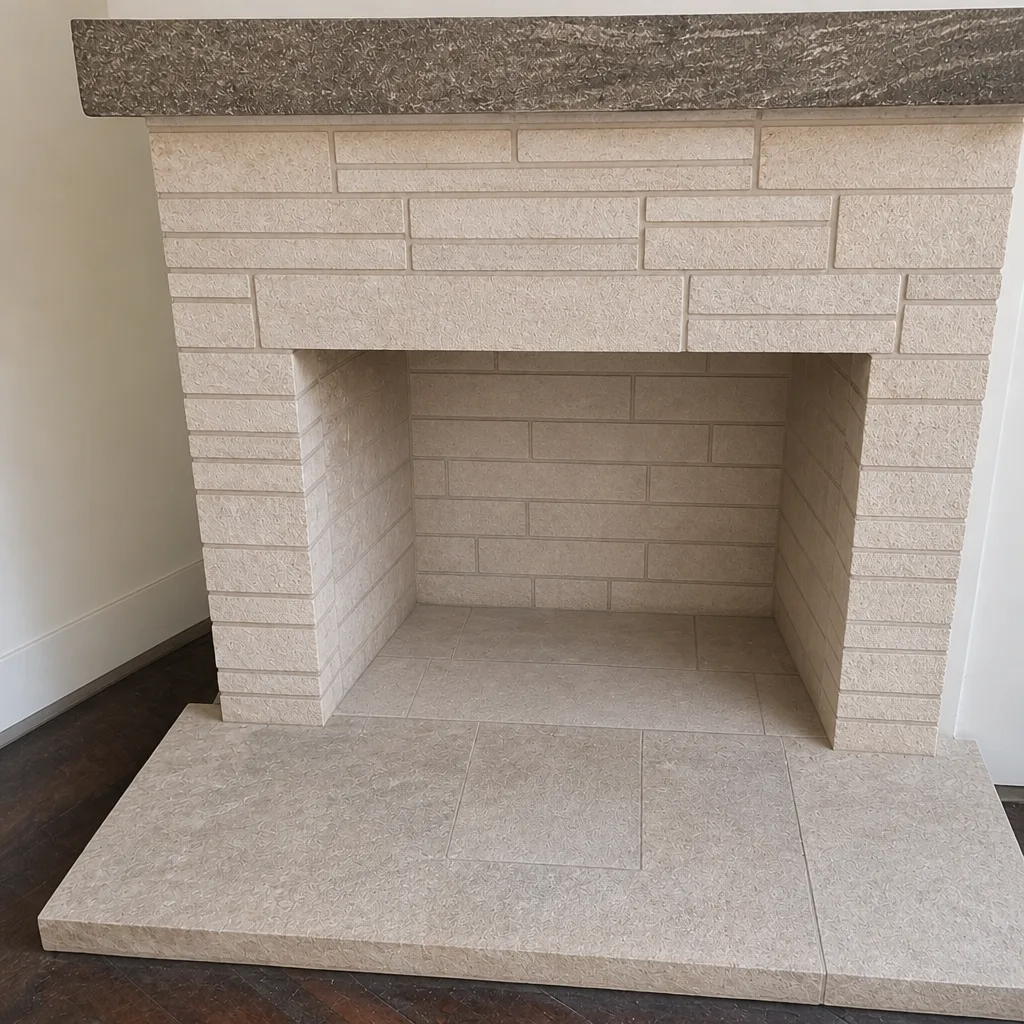
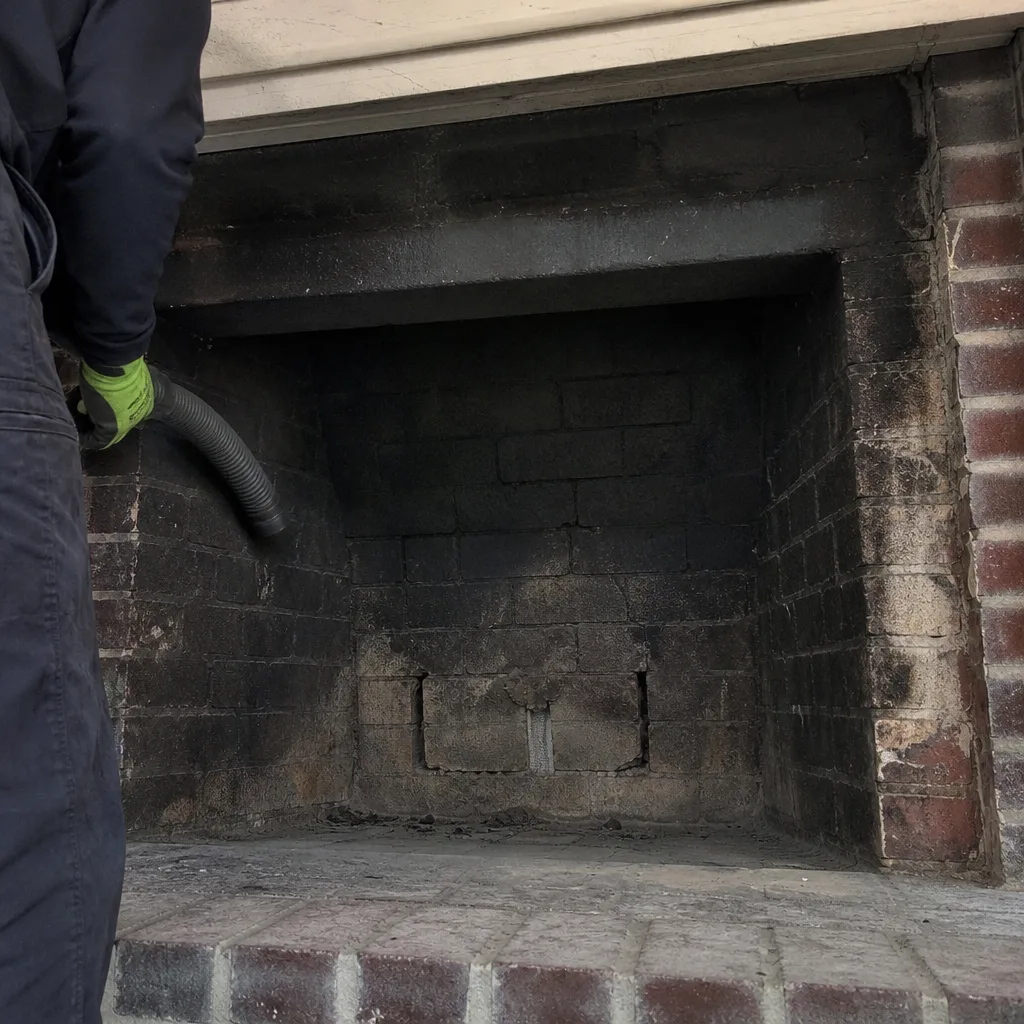
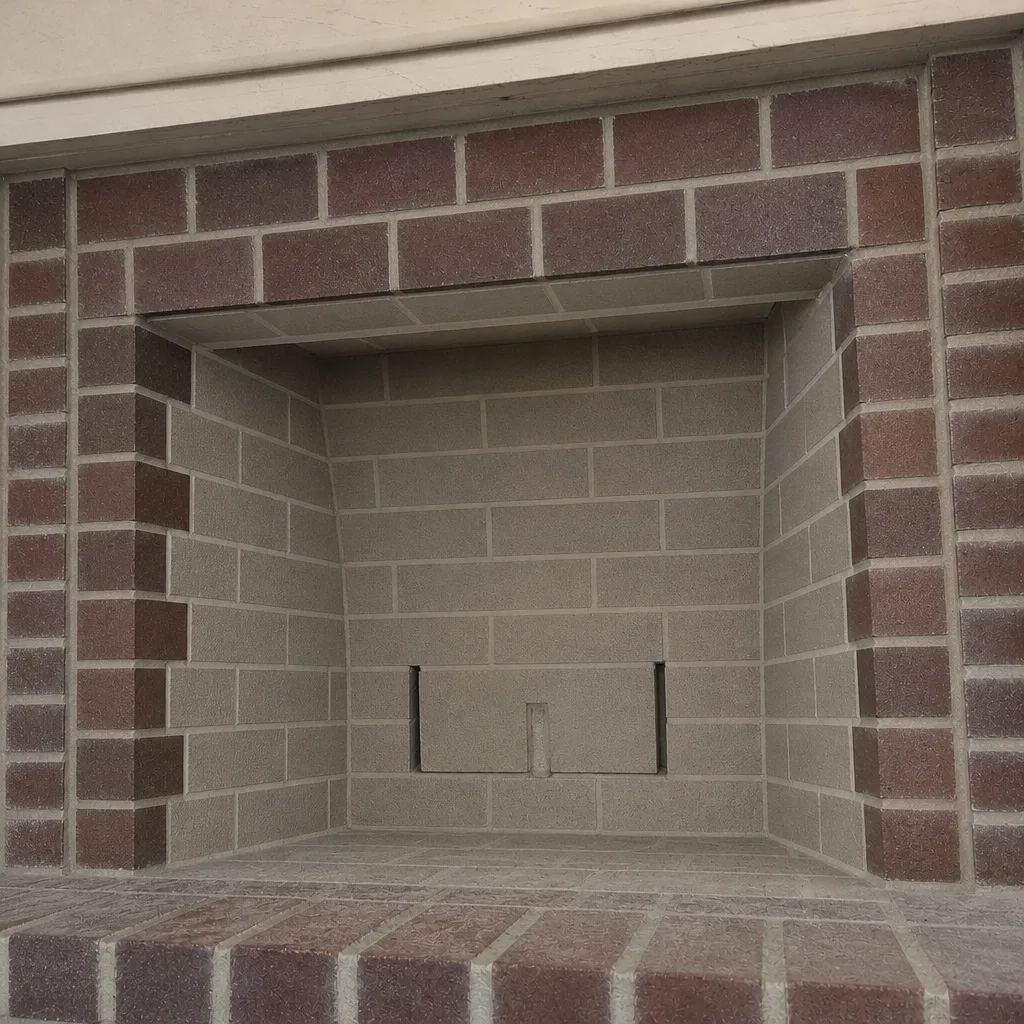
See the difference
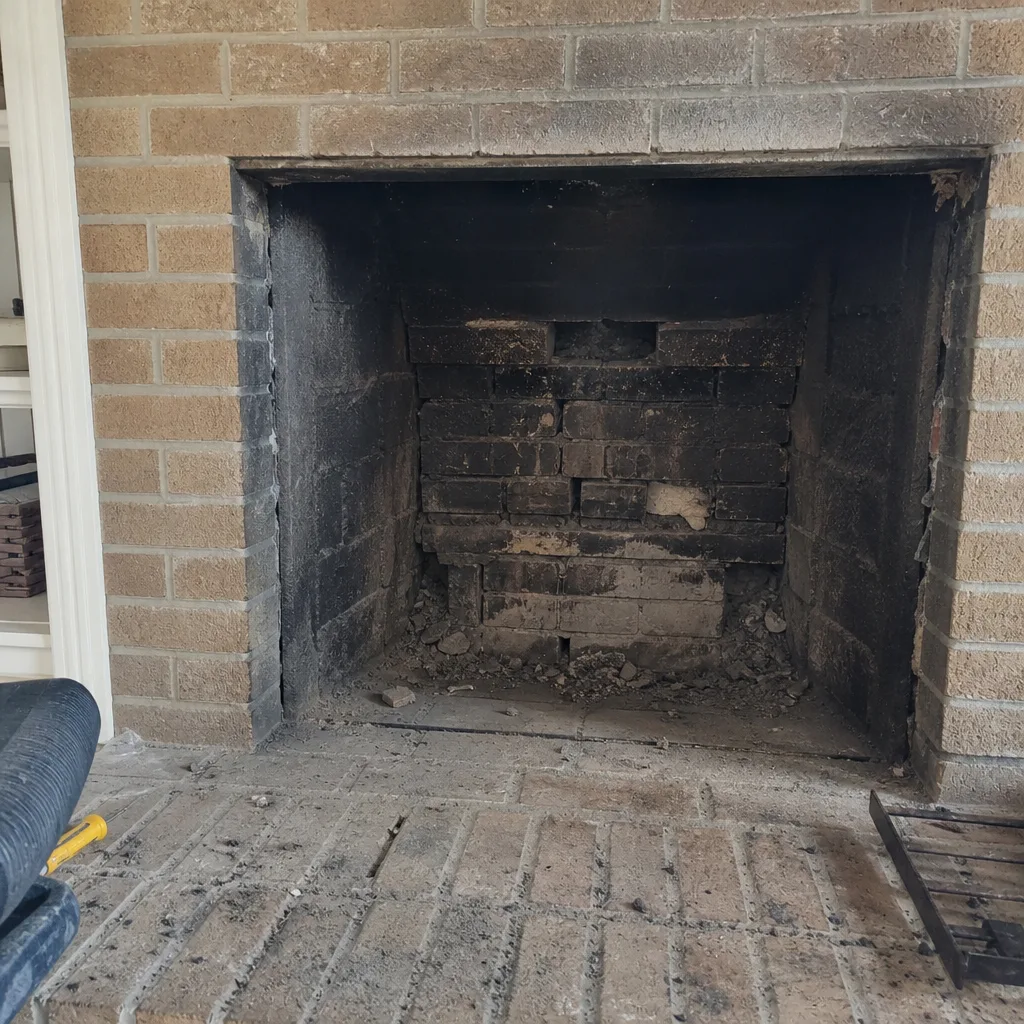 Before
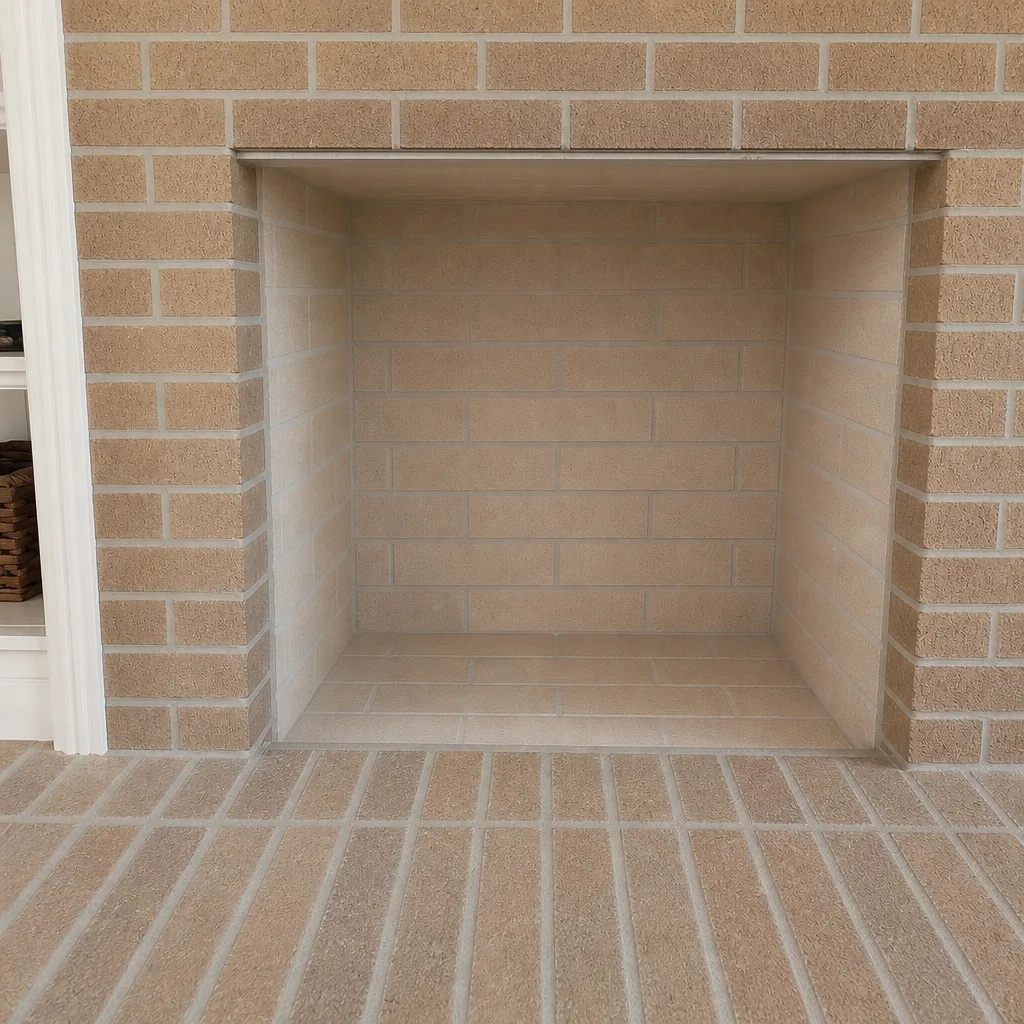 After
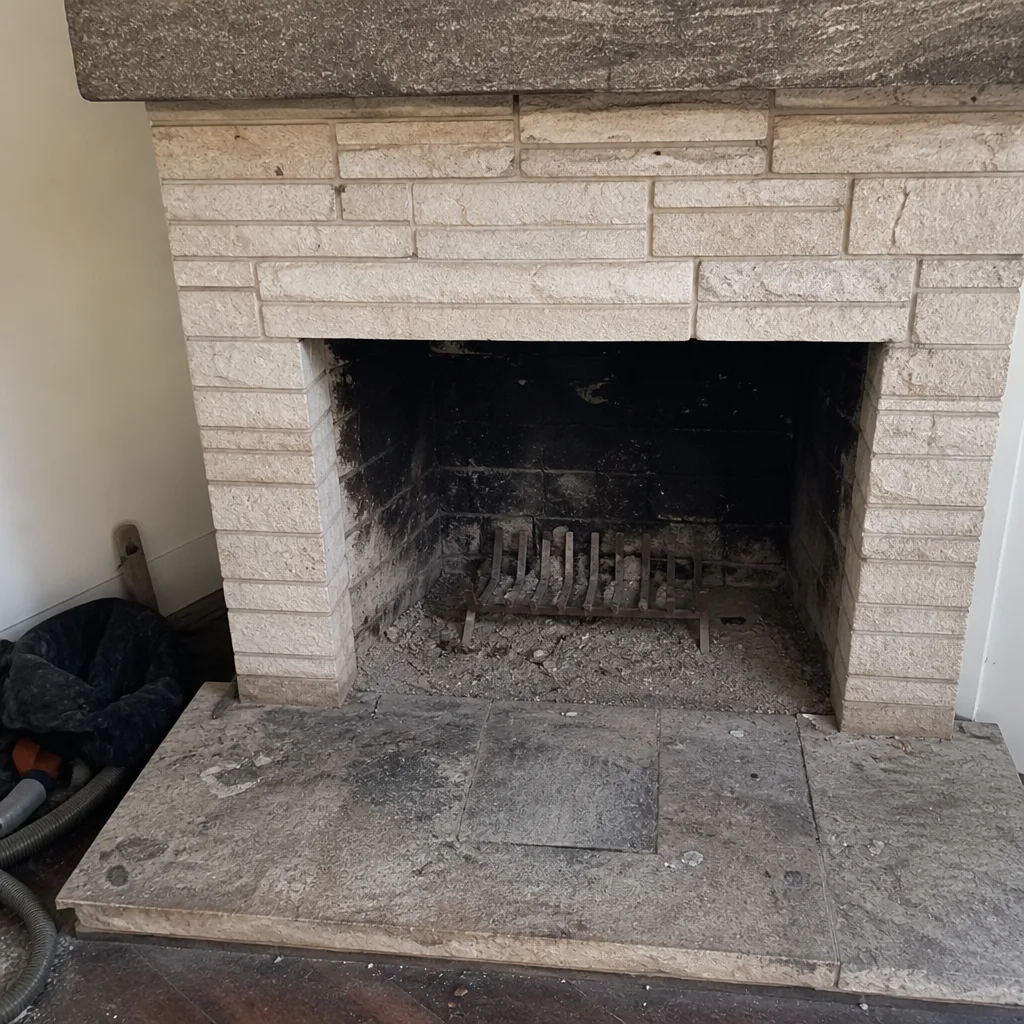 Before
 After
 Before
 After
When to Call a Professional
Call a professional when smoke enters the room, when you smell a strong odor even with no fire burning, when you see water staining or rust on the firebox, when your chimney cap is damaged or missing, when you have a wood insert or stove that hasn’t been vent-checked, or when the previous sweep told you a repair was needed and you need a second opinion from a company that performs repairs. In Clearwater, Charter Chimney Sweep offers free estimates – call (844) 989-2870. We answer 24/7. Fast dispatch from 7am to 7pm, Sunday through Friday. We bring the diagnostic tools (camera, draft gauge, moisture meter), we show the findings, and we tell you plainly when work can safely wait. No repair is recommended without camera evidence you can see for yourself.
Frequently Asked Questions
Because the problem is almost certainly not in the flue interior. In this climate, smoke backing into a room after a fresh cleaning usually points to a draft or pressure problem, a cold flue, an undersized flue for the appliance, or a cap and crown issue letting air in from outside. The cleaning removed what creosote was there – it wasn’t designed to fix the cause of smoke spillage. A diagnostic inspection with a camera and draft measurement will find the actual source. Call (844) 989-2870 for a free estimate on the diagnosis.
Pricing on a sweep depends on the flue condition and the access, and pricing on a repair depends on the scope. We set every price per job from a written estimate after inspection, so you get a firm number before any work starts. There’s no diagnostic fee added on behind it. If you’d like an exact quote, call (844) 989-2870 – estimates are free. We can also tell you on the call whether you likely need just a sweep or a fuller diagnosis.
Not always, and anyone who tells you otherwise without a camera inspection is guessing. Minor flue deterioration can often be restored with HeatShield resurfacing, which avoids the disruption of full liner replacement. Full relining with a DuraFlex system is for failed flue tiles, offset sections, or damage too extensive for resurfacing. The decision should be based on what the camera sees, not on the age of the chimney. Ask to see the photos, and ask why resurfacing isn’t an option. Call (844) 989-2870 for a free estimate if you want a second opinion.
Once a year is the standard recommendation for any chimney in active use, and in Clearwater we recommend it even for a fireplace used only a few times a season. The idle months are when debris, nesting, and water intrusion accumulate, so the annual inspection catches those before they turn into repairs. If you heat with a wood stove as a primary appliance, more frequent inspection may be warranted. Call (844) 989-2870 to book a sweep and inspection.
Skipping the inspection lets three problems grow at once: creosote deposits rising in grade (toward the second- and third-degree deposits that require treatment or relining), debris or nests building up in the flue, and water damage developing in the crown and masonry. Any of those can turn what would have been a simple sweep into a repair. There’s a real fire and carbon-monoxide risk in a neglected flue, and we take that seriously without using it to sell a job. If a chimney is safe, we tell you plainly it can wait until next season. Call (844) 989-2870 for a free estimate when you’re ready.
Because summer heat and humidity draw the smell out of deposits in the flue, and the air conditioning keeps the house sealed and negatively pressurized so there’s no draft to carry the smell up and out. In Clearwater specifically, an idle flue that stayed damp through the wet season is more likely to have organic deposits (creosote, soot, nesting material) that release odor when warmed. A sweep solves the smell only if it’s a deposit problem. If it’s a pressure problem, a diagnostic inspection will tell you. Call (844) 989-2870 for a free estimate.
The Bottom Line
Most chimney complaints in Clearwater fall into one of four buckets: blockage, creosote grade, pressure and draft, or water entry. The symptom alone doesn’t tell you which – that’s why diagnosis comes before cleaning, and why a sweep-only company can’t always fix what it finds. The three things to remember: any smoke complaint after a fresh cleaning is a diagnostic question, not a cleaning question; creosote grade determines whether a standard sweep can help or whether you need chemical treatment or relining; and water stains on the firebox are a masonry repair, not a cleaning job. When you call, describe the pattern, ask for camera photos, and don’t accept a repair quote you can’t see the justification for.
If your chimney has a persistent problem, call (844) 989-2870 for a free estimate. We answer 24/7. Fast dispatch from 7am to 7pm, Sunday through Friday. We’ll diagnose with a camera, show you what we find, and tell you honestly which items need attention now and which can safely wait until next season. Charter Chimney Sweep handles sweeping, repair, relining, and dryer vent cleaning under the same roof, so the diagnosis and the fix come from the same crew.
Written by the team at Charter Chimney Sweep.