
Last updated November 15, 2026
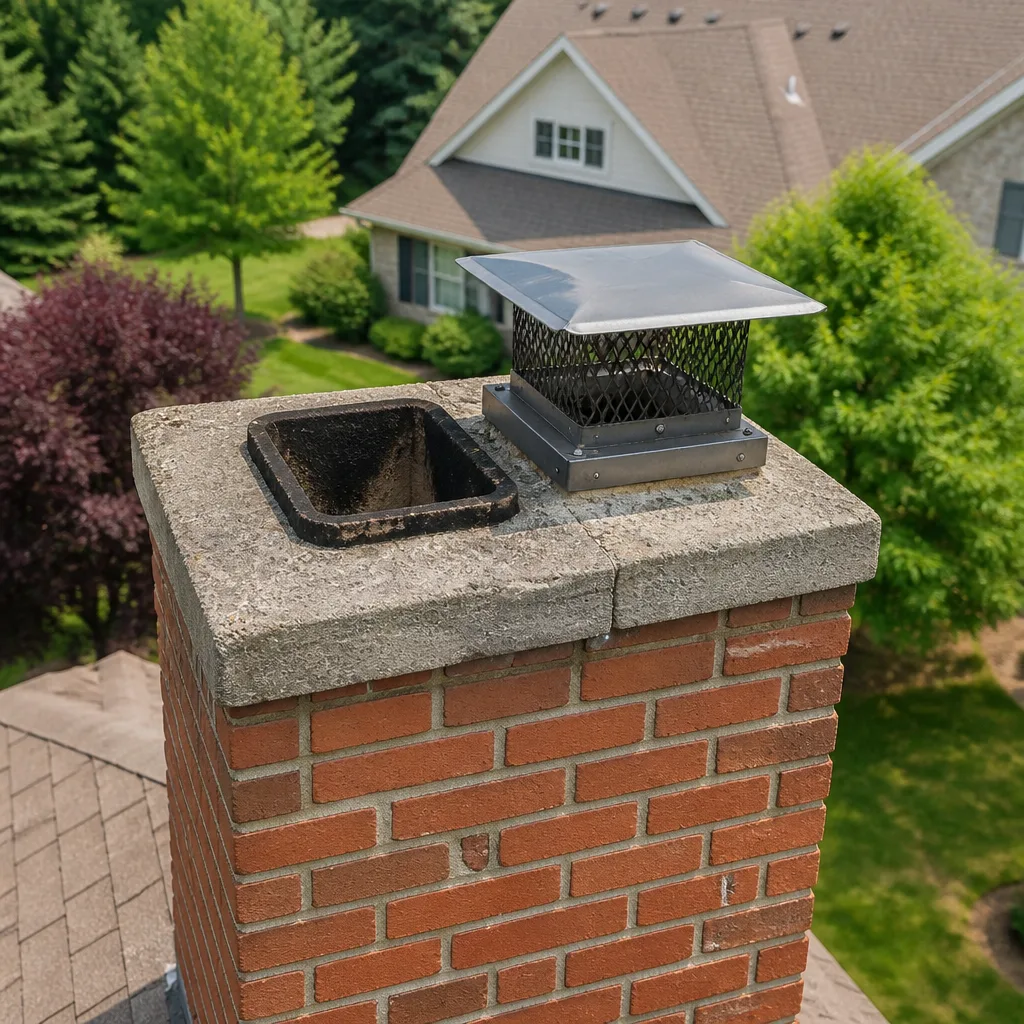 Sweep & inspection
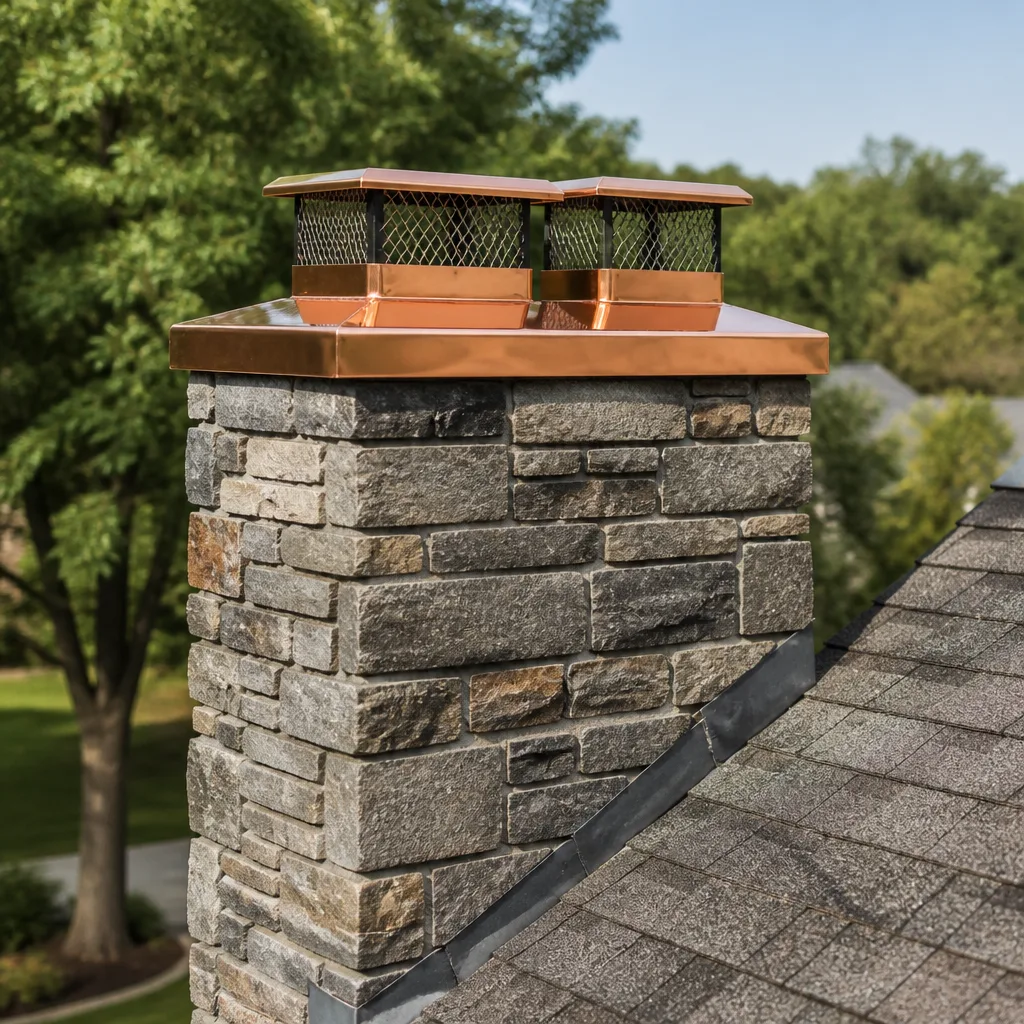 Caps & crowns
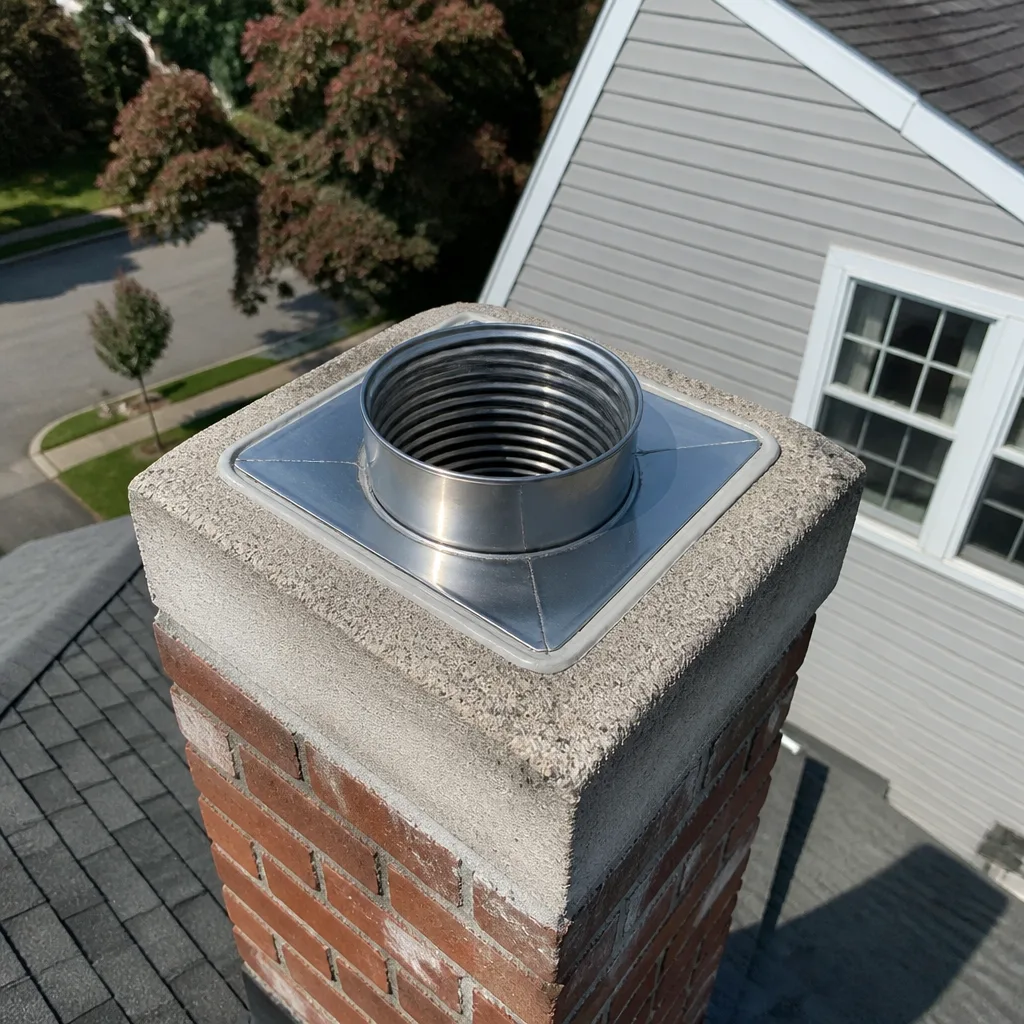 Flue relining
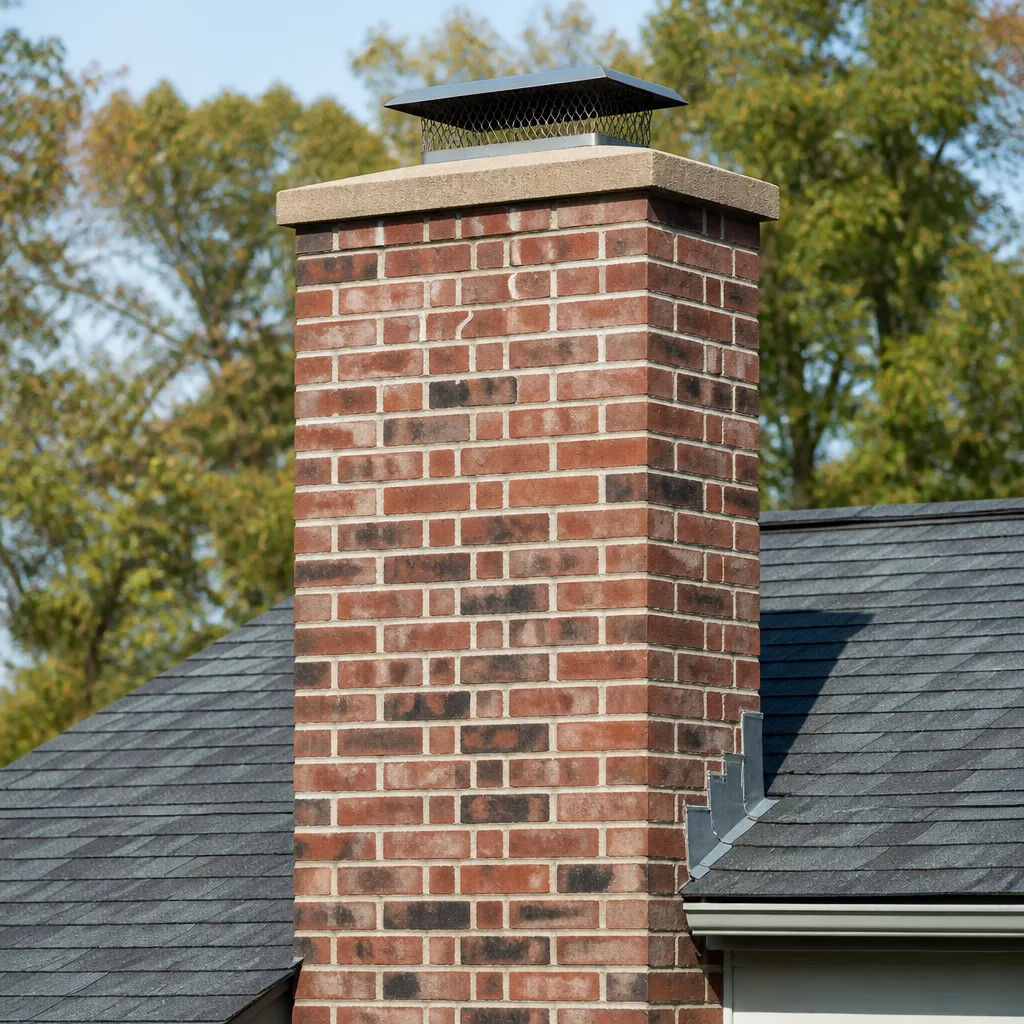 Masonry repair
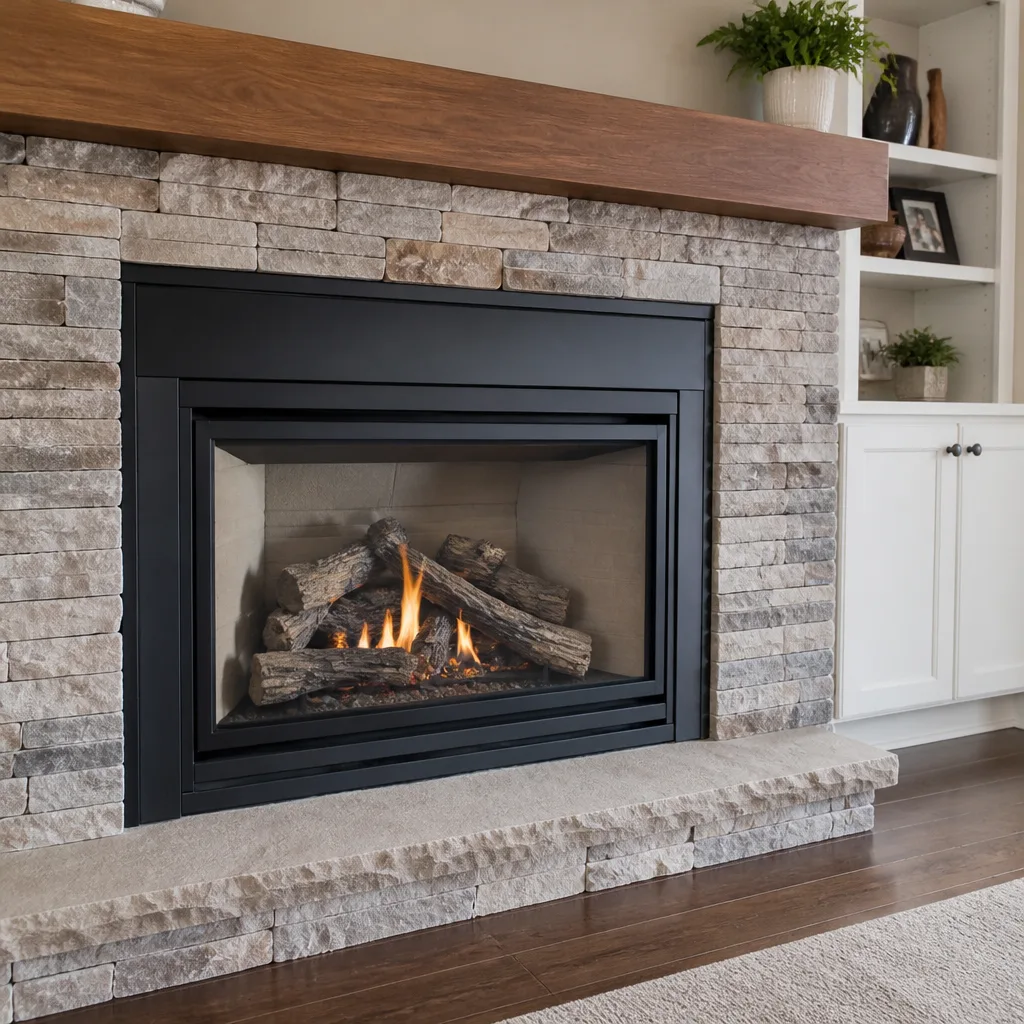 Gas fireplace service
Level 1 sweep and inspection to the NFPA 211 annual standard - flue, crown, cap, and flashing checked and photographed
Chimney sweep logs do not sweep chimneys. They loosen some creosote - which then falls where a brush and vacuum still have to collect it.
Chimney Sweep Maintenance Schedule: What to Do and When
The National Fire Protection Association says sweep annually, and that guidance was written for a house burning two cords of wood through a five-month winter. Most Clearwater chimneys don’t live that life. Here, a fireplace runs for a few cool weeks in January, a gas insert gets lit on December evenings, and a wood stove might see a face cord over a whole season. A yearly sweep is still the baseline, but the work that keeps a Clearwater chimney safe is scheduled around humidity, wildlife, and brief heat, not snow. This guide replaces vague advice with a task-and-month framework built for this climate and for four different system types. You’ll finish knowing what to check yourself, what needs a certified inspection, and when to book.
Quick Answer
In Clearwater, book a chimney inspection and sweep in October, before the short heating season, and a post-season check in March before humid summer air moves in. Wood-burning fireplaces and stoves need a Level 1 inspection yearly and sweeping when creosote reaches roughly 1/8 inch, while gas inserts and decorative gas logs typically need inspection yearly but sweeping only when debris or blockage is found. Between June and August, inspect the cap and crown for animal intrusion and moisture damage, because that’s when idle Clearwater chimneys take the most abuse.
Styles & brands we work with
- Sweep & inspection
- Caps & crowns
- Flue relining
- Masonry repair
- Gas fireplace service
Table of Contents
- Why annual advice doesn’t map cleanly onto Clearwater
- The Clearwater maintenance calendar, month by month
- How the schedule changes by system type
- Why June through August is the high-risk window
- What you can check yourself and what needs a professional
- Level 1 vs. Level 2 inspections under NFPA 211
- Don’t leave the dryer vent out of the calendar
- Why a documented service history matters
Why annual advice doesn’t map cleanly onto Clearwater
The annual sweep standard assumes a wood-burning appliance under steady, heavy load. That’s the condition that builds creosote fast at the smoke chamber and flue, and heavy load is what justifies a yearly cleaning pass. In Clearwater, the load is light by comparison. Winters are mild, the burn window is short, and many homes run gas rather than wood. So the annual standard is the right starting point, but the calendar that actually protects your house looks different. An annual sweep cycle is the minimum, not the answer for every chimney.
What does the real calendar need to solve for here? Three things.
- Moisture: Warm, humid summer air sits in an idle flue for months. Brick and mortar absorb it, and a hairline crack in the crown or a failing cap lets rain straight in.
- Wildlife: An uncapped flue is a nest site. Birds, squirrels, and raccoons treat a quiet chimney as shelter, and the debris they leave blocks the flue and creates a fire load.
- Light use, not no use: A gas insert lit a dozen times a winter still needs its vent checked, its logs inspected, and its termination clear. A wood stove burned lightly still accumulates creosote, just more slowly.
There’s a second angle most schedule advice ignores. In a heavy-burn climate, the risk curve is high all winter and low all summer. Here, it’s inverted. The dangerous months for a Clearwater chimney are the idle, humid ones, when nobody is looking at the flue and the crown is quietly cracking. Any maintenance plan that only thinks about heating season is pointed at the wrong half of the year.
So the schedule splits. Pre-season work in October protects the burn window. Post-season work in March and a summer check protect the structure through the wet, hot stretch. If you’re new to the property, start with a full Charter Chimney Sweep assessment before you set a calendar at all, so you know what your chimney’s starting condition actually is.
The Clearwater maintenance calendar, month by month
Here’s the framework, organized by month. Not every task applies to every home. Pick the row that matches your system type from the next section, then use this as the year map. The goal is simple: the chimney is inspected and swept before you need it, checked after you’ve used it, and watched through the summer when it’s most vulnerable.
- October: pre-season inspection and sweep. This is the anchor booking. A Level 1 inspection confirms the flue is clear, the damper works, the firebox is sound, and no nest or debris came in over the summer. Wood burners get swept now, before the first burn. Book this before the two or three busy weeks when everyone calls.
- October: cap and crown walk-around. While the chimney is being serviced, the crown, cap, flashing, and termination get checked from the roof or from the ground depending on access. Small mortar cracks and a loose cap are cheap to fix now and expensive after a season of rain.
- November through February: burn season. No scheduled action except common sense. Watch for smoke rolling back into the room, a damper that sticks, or a smell that means airflow is off. Those are signs to call, not wait.
- March: post-season check. After the heating season ends, a visual check confirms nothing shifted during use. For wood burners, this is also when a sweep makes sense if the season was heavier than usual. Do this before the humidity climbs.
- March through May: repair window. This is the best stretch for crown repair, cap replacement, and any masonry work. The weather is workable and the job is done long before you need the fireplace again. If a liner or flue resurfacing is on the list, schedule it here.
- June through August: intrusion and moisture watch. Check the cap and screen. Listen for birds or scratching. Look for water staining or a rust line on a metal firebox. This is the window where idle chimneys get damaged, and it’s the one most homeowners skip.
- September: pre-season confirmation. Verify firewood is dry and stored away from the house, and schedule the October inspection if you didn’t book it earlier.
That’s roughly four touch points a year for the typical Clearwater home. Two of them (the October inspection and the March check) are professional. The summer check and the firewood habits are yours.
How the schedule changes by system type
Four systems, four different maintenance profiles. Treating them the same is where schedules go wrong.
Wood-burning masonry fireplace
The heaviest-maintenance category. A masonry fireplace with a standard flue needs a yearly Level 1 inspection and a sweep whenever the creosote layer is visible or reaches about 1/8 inch. Burn frequency sets the pace: a fireplace used on weekends through the winter may need sweeping every year, while one used a handful of times may stretch to a couple of seasons between sweeps if the inspections confirm it’s clean. The flue interior, smoke chamber, damper, and firebox all need eyes on them. This is also where flue resurfacing with HeatShield becomes relevant years down the line, when the interior parging starts to crack and pit. Resurfacing restores a sound flue surface when conditions allow, and avoids a full liner replacement in the right cases.
Gas insert
No creosote, so the fire risk profile is different, but the inspection still matters. Gas inserts need a yearly check for vent termination blockage, debris, and correct operation, and the glass and logs should be cleaned of soot. The flue itself isn’t swept the way a wood flue is, but a bird nest or a collapsed section of liner can still block the vent. Carbon monoxide is the risk to have in mind here, which is why a yearly inspection on a gas system isn’t optional. It’s the one annual task you don’t stretch to two years.
Wood stove with a liner
Stoves burn hotter and more efficiently than open fireplaces, and a properly sized stainless liner is what carries the exhaust. Inspection intervals depend heavily on how you run the stove: a hot, clean burn builds less creosote, a smoldering fire builds more. Plan on a Level 1 inspection yearly, plus a sweep whenever creosote accumulates. The liner itself needs checking for warping, joint separation, and corrosion at the top termination. Liner systems like DuraFlex are what a reline uses when the existing liner has failed, and sizing has to match the stove’s flue collar and the chimney’s height to draft correctly.
Decorative gas log set
The lowest-maintenance category, but not zero. Vent-free sets need their burners and logs cleaned and their clearances confirmed, and vented gas logs need the vent checked. A yearly inspection catches a clogged burner port, a damaged log, or a vent that’s drifted out of clearances. Skipping this one is where people get surprised by soot on the mantel or a smell in the room.
One note for anyone planning a wood-burning upgrade on a Clearwater property: adding a stove or insert to an existing flue requires a Level 2 inspection first, not just a cleaning, because the appliance change is exactly when hidden defects matter most.
Why June through August is the high-risk window
Most chimney advice flags heating season as the dangerous months. Here, the idle months carry the structural risk. A Clearwater chimney in July has been sitting unused for weeks in hot, humid air, with the occasional heavy rain. That’s a bad combination if the crown has a crack in it.
Two problems, specifically.
- Water intrusion. The crown is the concrete or mortar cap at the top of the chimney, designed to shed water away from the flue. When it cracks, water runs into the chimney structure. The masonry takes it up, mortar weakens, and a metal firebox can rust through. A missing or rusted rain cap accelerates it. This is the single most common summer damage we find in Clearwater chimneys, and it starts small.
- Wildlife intrusion. An uncapped or screen-damaged flue is a nest site. Birds, squirrels, and raccoons move in during the warm months when the chimney is quiet. The nest itself is a fire load, and a blocked flue means smoke and carbon monoxide can’t escape when you light the first fire of the season. A rusted-out cap screen is the usual entry point.
The summer check doesn’t require a ladder. From the ground, look at the cap and screen for rust holes, sagging, or missing parts. Look for water stains on the chimney exterior or a streak that wasn’t there in spring. If you can see the crown from a window or a safe roofline view, check for cracks in the mortar. If it’s been raining hard and the firebox smells damp, that’s a reason to book a professional look. If the summer check is fine, you’ve done your job. If it turns up a cracked crown or a damaged cap, this is the best possible season to have it fixed, and the parts we use (Gelco and Famco caps and vent components, among the professional-grade lines we install) are the kind that hold up to a Florida summer and a Florida storm season.
What you can check yourself and what needs a professional
Some of this calendar is genuinely yours to handle. Some of it is where a homeowner should stop and call, and knowing the line protects your house and your insurance position.
Reasonable to check yourself:
- Ground-level visual inspection of the cap, cap screen, and chimney exterior once a month in summer. Rust holes, missing screens, water streaks.
- Damper operation test before each burn season: open and close it fully, and confirm it moves freely. A damper that sticks or drops is a call, not a fix-it-yourself job.
- Firewood storage: keep wood dry, stacked off the ground, and away from the house. Wet wood builds creosote faster and is a fireload if it’s against the siding.
- Smoke and draft observation on the first burn: smoke that rolls into the room means the flue is blocked or the draft is wrong.
- Visual firebox check: look for cracked firebrick, missing mortar joints, or a warped grate before the season.
Needs a professional:
- Sweeping the flue. This requires the right brushes and rods for the flue type, a proper drop cloth setup, and a check of the smoke chamber and damper after the sweep. Doing it from the roof without training risks damaging a liner or falling.
- Any inspection beyond a visual Level 1. A camera inspection (Level 2) needs equipment and a trained eye for what the camera is showing.
- Liner inspection, relining, and flue resurfacing. These are interior structural repairs with strict material and sizing requirements.
- Crown, cap, and masonry repair. Roof access and correct mortar and flashing detailing are trade work.
- Anything involving a gas appliance. Gas leaks and carbon monoxide are not a homeowner repair.
If your chimney has a visible defect, a liner question, or a gas appliance, the safe move is a professional inspection. We don’t hand out step-by-step instructions for flue work because the risk of a damaged liner, a fall, or a missed defect is real. What we can tell you is that an inspection is straightforward, and the findings come with enough detail that you decide what’s worth fixing and what can safely wait. If you want the professional side of the schedule handled in Clearwater, a chimney sweep visit is the natural starting point.
Level 1 vs. Level 2 inspections under NFPA 211
NFPA 211, the standard that governs chimneys and venting, sets out three inspection levels. For most homeowners, you’ll only ever deal with the first two, and understanding the difference stops you paying for the wrong one or skipping the one you actually need.
Level 1 inspection. A visual check of the readily accessible parts of the chimney and vent: the firebox, damper, smoke chamber (as visible), the flue from the top and bottom where accessible, and the exterior parts. It’s the routine annual inspection for a chimney that hasn’t changed and hasn’t had a problem. This is what the October visit is.
Level 2 inspection. Everything in a Level 1, plus a camera scan of the flue interior and a closer look at all accessible parts of the system. A Level 2 is required in specific circumstances:
- A change to the system: a new appliance, an insert, a stove, a liner, or a fuel type change.
- A chimney that’s damaged, or has had a fire or a known problem.
- A property changing hands, or a major renovation.
- After an event that may have damaged the chimney, such as a lightning strike or a storm.
Those are the standard triggers. If you’re buying a Clearwater home with a fireplace, the Level 2 is what tells you whether there’s a liner issue that a visual check would miss. A camera inspection with a photo report is also the answer to the most reasonable homeowner worry of all: being told you need thousands of dollars of liner or masonry work you can’t verify. We don’t recommend liner work without camera evidence you can see for yourself, and we’ll say plainly when a repair can safely wait.
Don’t leave the dryer vent out of the calendar
A dryer vent isn’t part of the chimney, but it’s the same kind of maintenance problem: a duct that carries lint and heat and is out of sight most of the year. A dryer vent left uncleaned is a fire waiting for a date, and the lint that builds in the duct is the fuel. The calendar should treat it as a second vent to run on the same spring and fall review.
How often it needs cleaning depends on the run. A short, straight, rigid-metal duct to an exterior wall can go longer between cleanings than a long run, an elbow-heavy path, or a flexible foil duct. The practical signals are a dryer that takes two cycles to dry a load, a dryer that feels hot on top, a lint trap that fills faster than usual, or visible lint at the exterior termination. A dryer vent cleaning done properly includes the full run, not just the first few feet from the dryer. Pair it with the March post-season check: same season, same visit, one fewer thing to remember.
Why a documented service history matters
A chimney that’s been swept, inspected, repaired, and documented has value beyond the work itself. The record is the traceable evidence of what was done, when, and by whom, and where chimney and venting systems are concerned, that record matters in two places.
Insurance. When you file a claim on a chimney fire, some insurers want to see evidence of maintenance. A documented history with inspection findings and repair records turns a disputed claim into a straightforward one. All of the work we do comes with a written record: sweep dates, inspection findings, photo evidence from camera scans, and material details for any parts installed.
Real estate disclosure. When you sell a Clearwater home with a fireplace, an inspection record and a clear maintenance history are a selling point, and just as often an issue resolved before it becomes a negotiation. A buyer’s inspector will flag an undocumented chimney. Having the record answers it.
That’s one reason we recommend the same company for sweep, inspection, and repair. When one company handles the sweep, the liner check, the cap, and the crown, every visit is logged into a single continuous record. When the sweep is one company and the repair is another, the history splits, and gaps are harder to explain later. The material matters too. A cap installed from professional parts (we install Gelco and Famco components, and DuraFlex liner systems for relining) gets documented with correct sizing and clearances, and that documentation is worth something when it’s examined years later. Some relines call for a resurfacing step instead of a full liner replacement, and HeatShield resurfacing decisions get documented the same way, with the condition that prompted the call and what was done.
Then there’s the everyday benefit: a single relationship is one phone number, one set of records, and one team that already knows the system. Sweep, repair, and reline handled by one company is the shortest path to a documented history, and it’s a full-system view rather than a cleaning plus a referral.
Common Mistakes to Avoid
- Treating “annual” as “once a year, any time.” The timing matters as much as the frequency. A sweep done in March protects you for the following winter; a sweep done in September leaves a humid summer of intrusion ahead of it.
- Assuming a gas insert doesn’t need inspecting. Gas means no creosote, not no risk. Vent blockage and appliance condition are the reason the yearly check still applies.
- Skipping the summer cap and crown check. Most Clearwater chimney damage doesn’t happen during a fire. It happens in July, when a cracked crown takes in rain and nobody’s looking.
- Storing firewood against the house. It’s a fireload, and in a wet climate it stays damp and burns badly. Keep wood dry, stacked off the ground, away from the structure.
- Burning green or unseasoned wood. Wet wood builds creosote faster and causes more smoldering. Well-seasoned wood is sound fire management, not a luxury.
- Assuming the cap only matters in winter. An uncapped flue is a nest site every summer. If your cap screen is missing or rusted out, that’s the fix priorities list.
- Letting the sweep slip because the fireplace got light use. Light use lowers the creosote rate, but a blocked flue or a failed liner doesn’t care how often you burn. The inspection is what catches it.
- Booking everything in a panic the first cold week of December. Plan the October booking before the season. The pre-season window is the busiest one, and a few weeks’ notice is the difference between a convenient slot and a wait.
See the difference
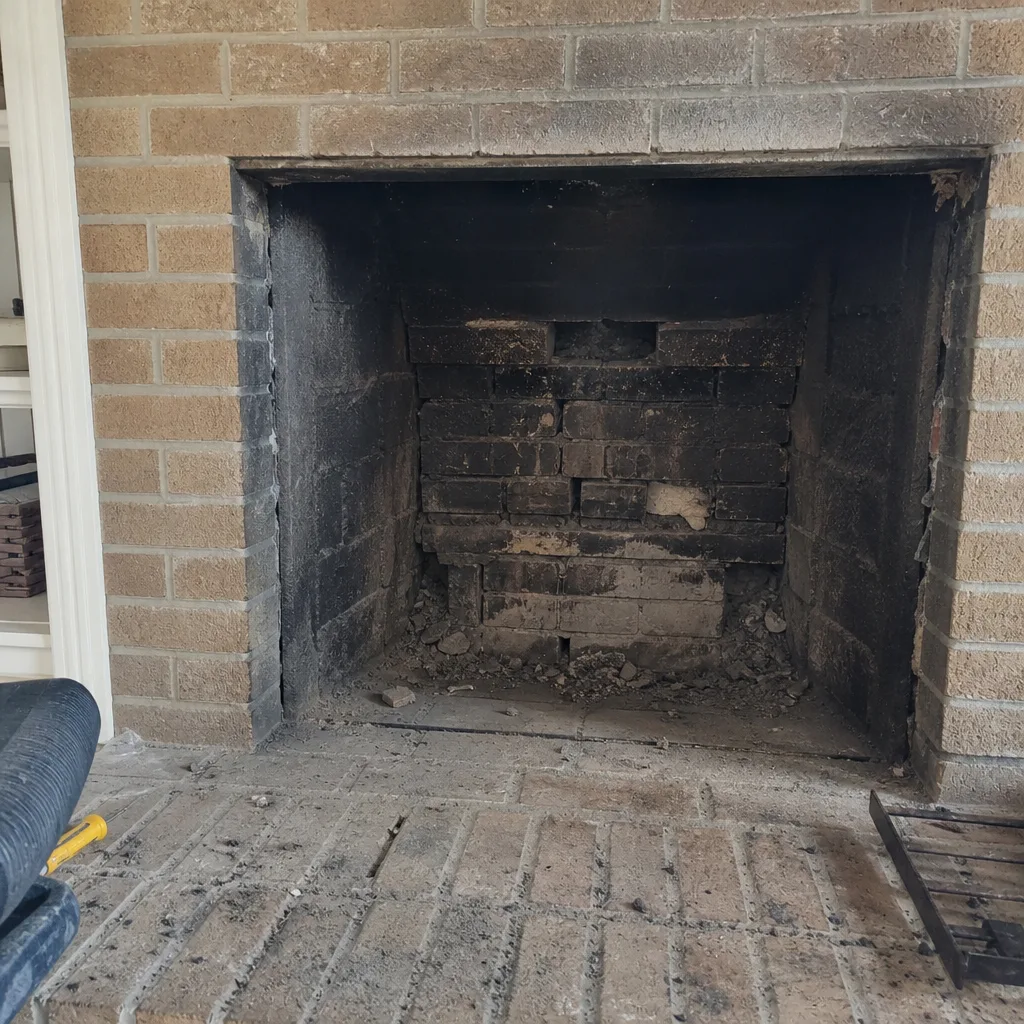 Before
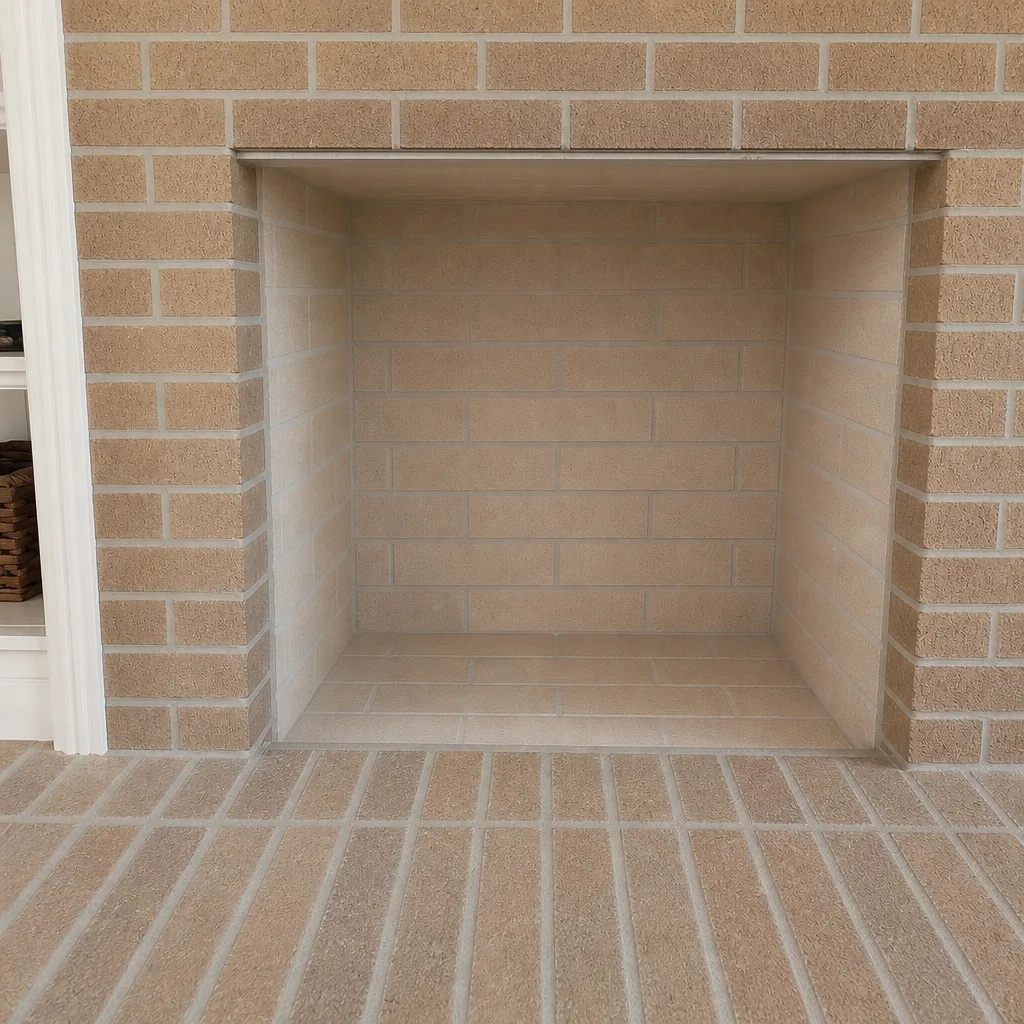 After
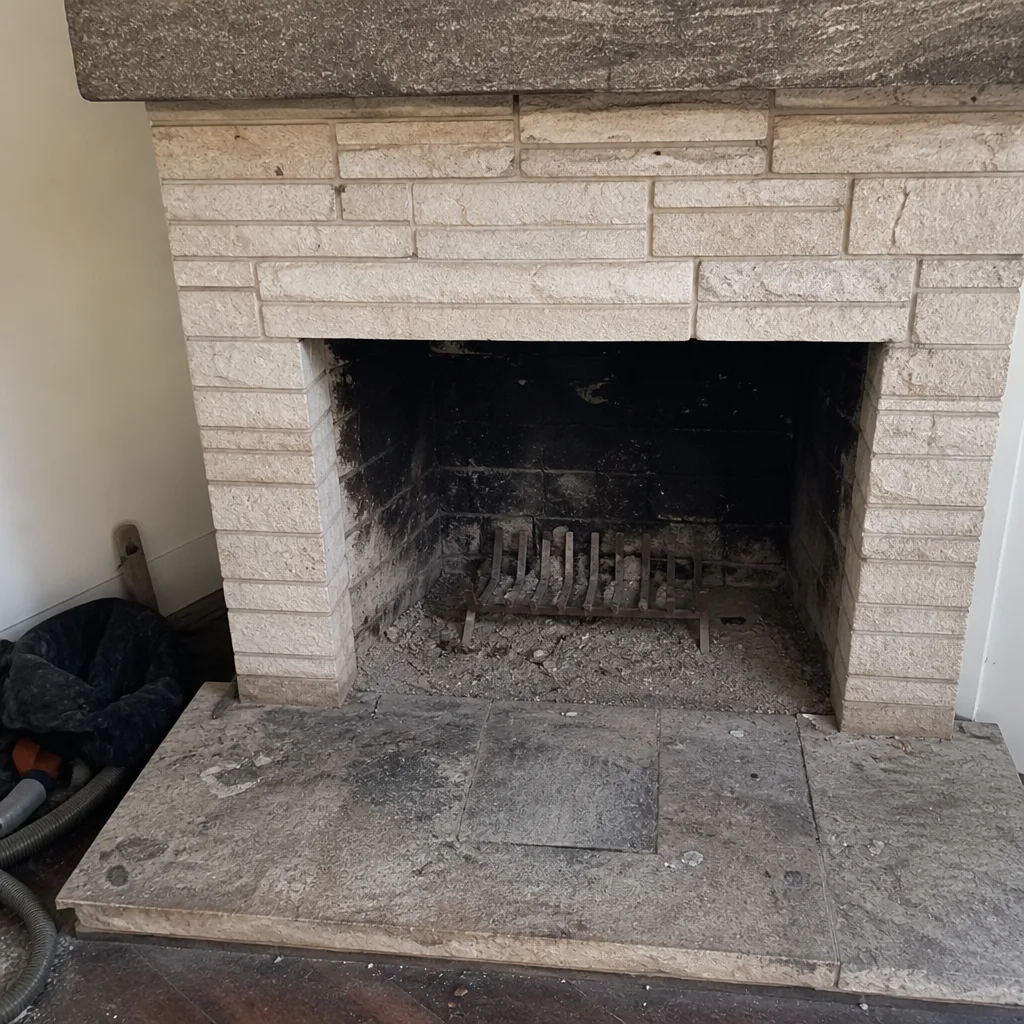 Before
 After
 Before
 After
When to Call a Professional
Call us when the calendar says it’s time (the October inspection, the March post-season check), and call sooner if any of these happen: smoke rolls back into the room during a burn, you notice a smell or dampness in the firebox, the cap or screen is missing or rusted through, you hear birds or scratching in the chimney, the damper sticks or won’t seal, or you’ve just bought a Clearwater home with a fireplace and don’t know its history. Any new appliance, insert, or stove also means a professional Level 2 inspection before the first fire. Roof work, liner work, and gas appliance work aren’t DIY territory. Charter Chimney Sweep offers free estimates in Clearwater – call (844) 989-2870. We answer 24/7, with fast dispatch from 7am to 7pm, Sunday through Friday. You can also read more about the areas we cover in Clearwater and dryer vent cleaning.
Frequently Asked Questions
Wood-burning fireplaces and stoves in Clearwater should be inspected yearly and swept when creosote reaches about 1/8 inch, which for a lightly used fireplace often means one sweep a year. Gas inserts and decorative gas logs typically need a yearly inspection but sweeping only when debris or blockage is found. Call (844) 989-2870 for an exact quote – estimates are free.
A routine chimney sweep in Clearwater typically runs somewhere in the low-to-mid hundreds of dollars, with the final price set per job by a written estimate after we’ve seen the flue and the access. Inspection level and any additional work change the price. Call (844) 989-2870 for an exact quote – estimates are free.
Yes, but the schedule should reflect the lighter use. A handful of burns a winter builds creosote slowly, so you may not need a sweep every year; the annual inspection is what tells you whether the flue is clean enough to skip it. A blocked flue or a failed liner is a separate risk, which is why the check comes first. Call (844) 989-2870 for an exact quote – estimates are free.
The main risks are a chimney fire from creosote buildup in wood-burning systems, and carbon monoxide exposure from a blocked or damaged vent in any system, gas included. There’s also the slower damage: a cracked crown or a failed cap takes in rain through the humid months, and a nest blocks the flue. None of those announce themselves, which is the whole reason for a schedule. Call (844) 989-2870 for an exact quote – estimates are free.
Often, yes. A sweep and a visual inspection happen together, and minor cap or crown work can often be scheduled into the same trip or a follow-up soon after, depending on what the inspection finds. A full reline or flue resurfacing is a separate job with its own estimate. Call (844) 989-2870 for an exact quote – estimates are free.
Do the visual checks yourself: the cap and screen, the damper, the firebox, and the firewood storage are all reasonable. Leave the sweeping, the liner inspection, and any gas appliance work to a trained professional. Flue work risks a damaged liner, a fall from a roof, and a missed defect that a proper inspection would catch. Call (844) 989-2870 for an exact quote – estimates are free.
The Bottom Line
The annual sweep standard is the right starting point, but in Clearwater the calendar has to be built around the actual seasons, the fuel type, and the humid idle months. Inspect and sweep in October and check again in March. Watch the cap and crown closely through June, July, and August, when water and wildlife do the most damage to an idle chimney. Keep the dryer vent on the same review. And keep a documented record of every visit, because that history holds up when an insurer or a buyer asks. Our technicians have up to 15 years of experience, and the schedule above is what our experience in this region supports.
Call (844) 989-2870 for a free estimate. We answer 24/7, with fast dispatch from 7am to 7pm, Sunday through Friday.
Written by the team at Charter Chimney Sweep.