
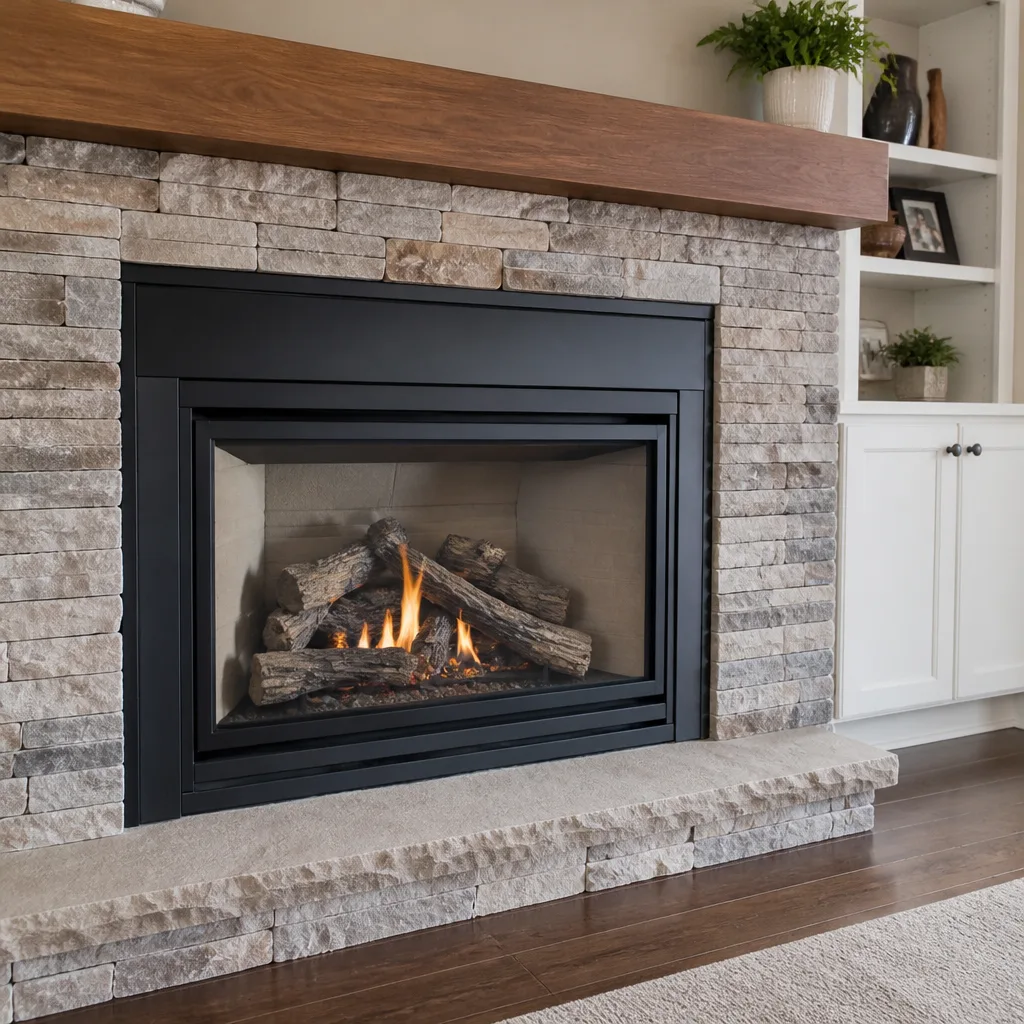
 Gas fireplace service
 Sweep & inspection
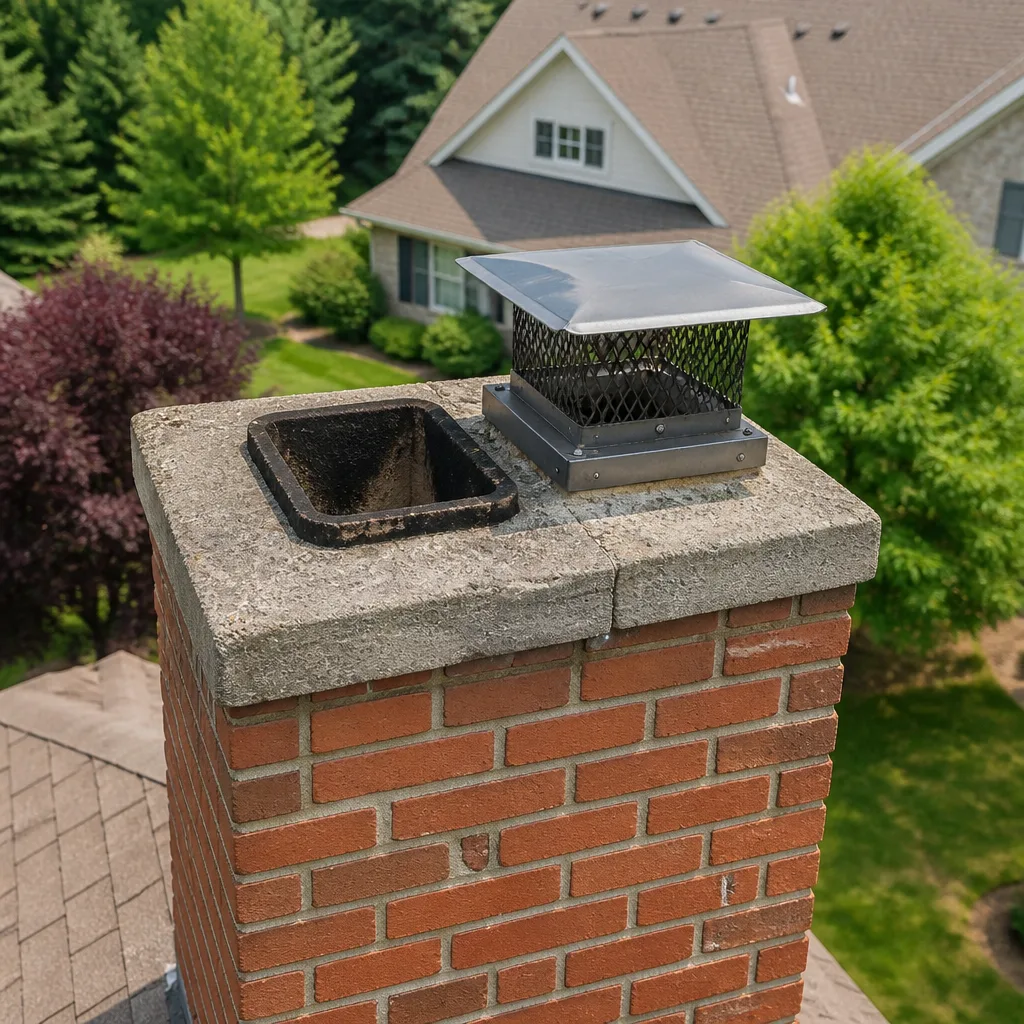
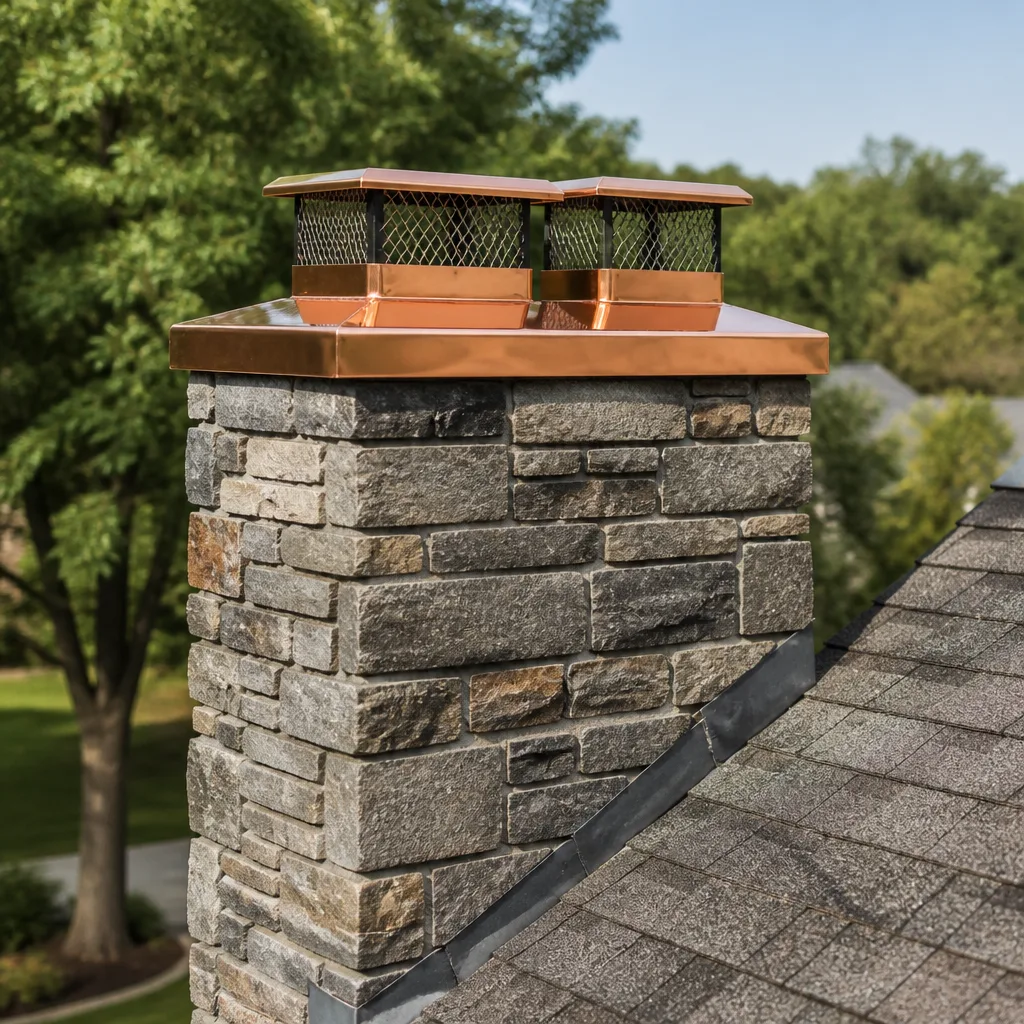 Caps & crowns
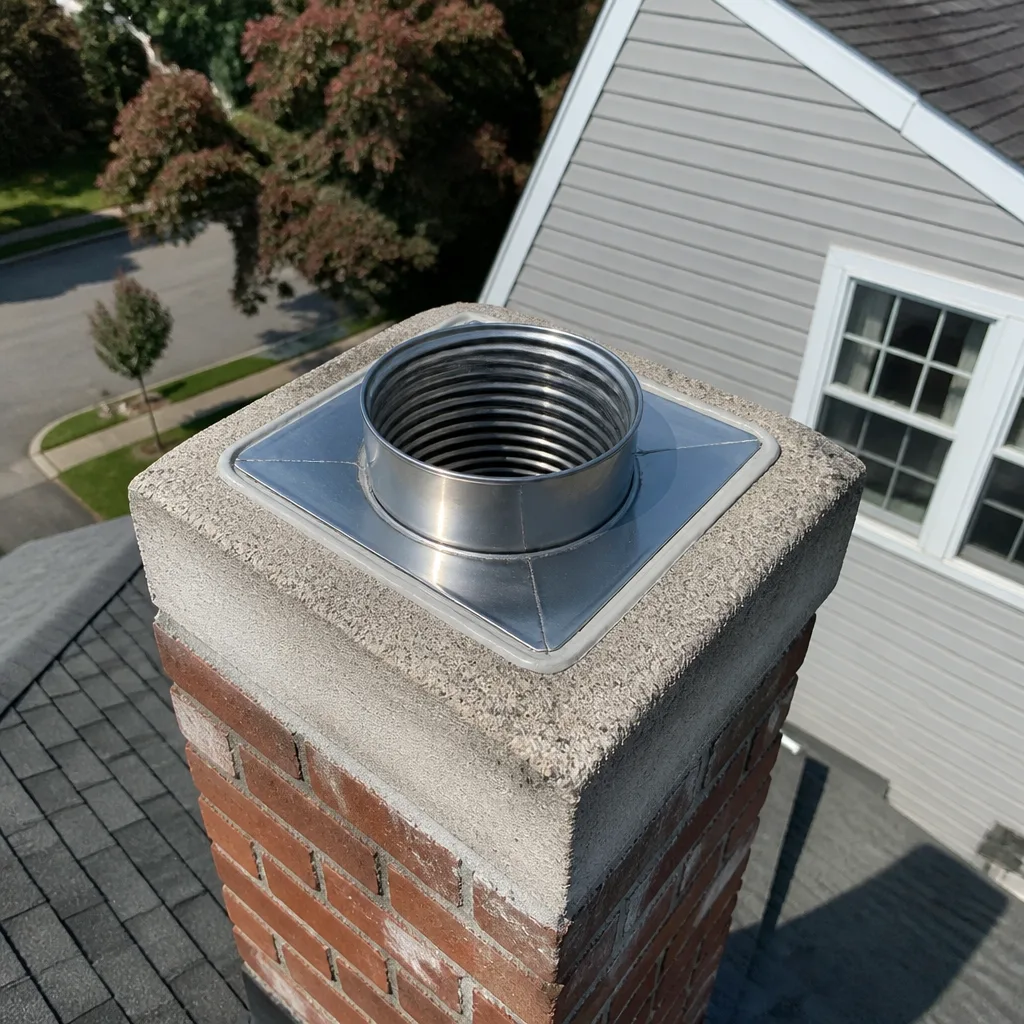 Flue relining
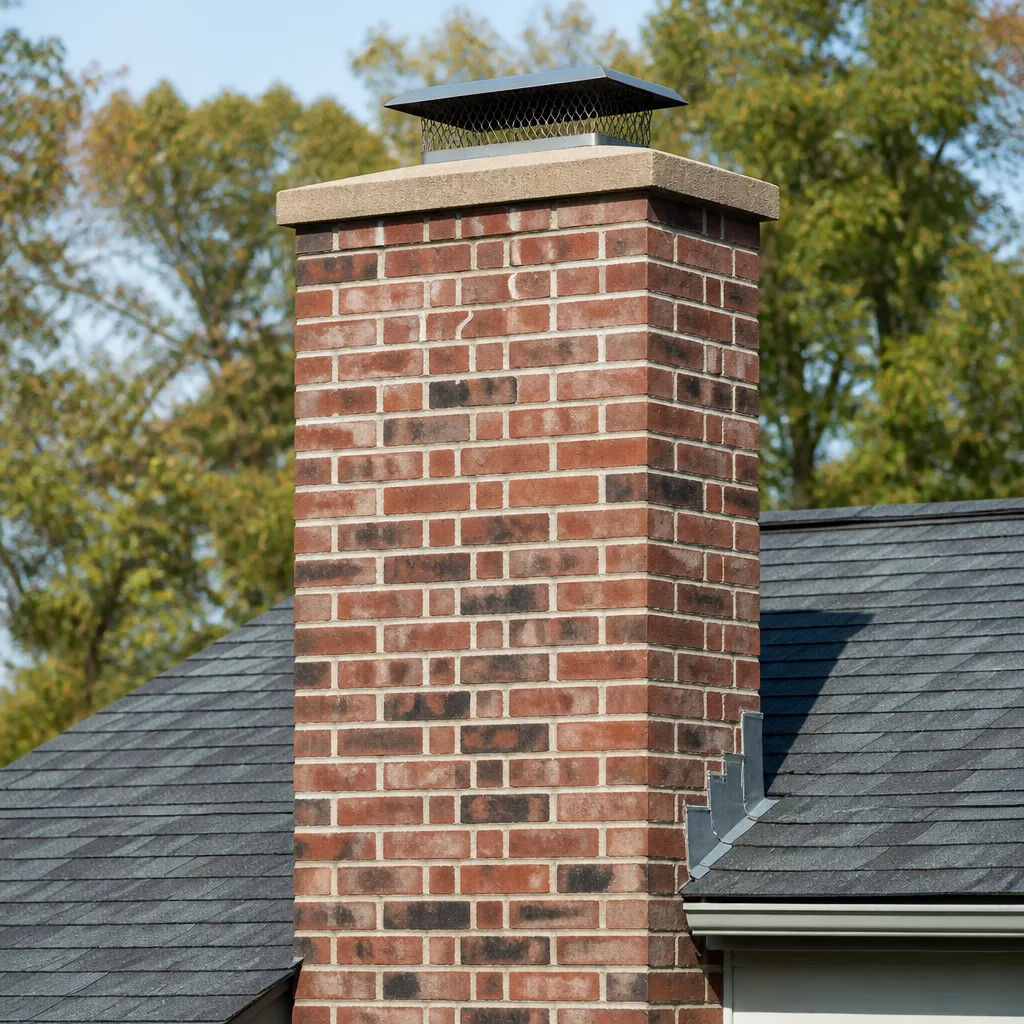 Masonry repair
Level 1 sweep and inspection to the NFPA 211 annual standard - flue, crown, cap, and flashing checked and photographed
Chimney sweep logs do not sweep chimneys. They loosen some creosote - which then falls where a brush and vacuum still have to collect it.
Why Clearwater Homeowners Choose HeatShield Chimney Cleaning
We provide independent HeatShield chimney cleaning, inspection, and repair service in Clearwater, and what sets our HeatShield work apart is that we treat a cast-in-place liner as its own system, not as a stainless liner with a different label. We look at form accuracy, cure integrity, and the bond between the parging and the flue, then tell you what the flue actually needs.
HeatShield is a cast-in-place, insulated masonry relining system poured around an inflatable form. That single fact changes how a Clearwater chimney gets evaluated. Salt air off the Gulf eats metal firebox parts and chimney caps, and hurricane-season downpours push water into masonry stacks, so a HeatShield-lined flue here faces corrosion and water intrusion as much as creosote. Many of the fireplaces in Clearwater’s 1950s-1970s ranch and block homes are decorative or gas inserts that have never seen a real fire. Cleaning them means pulling rust, animal nests, and moisture, not scraping soot.
We are an independent HeatShield service provider. We are not affiliated with or authorized by HeatShield, and we don’t present ourselves as a dealer or a factory representative. That independence is the point: our advice comes from what your flue needs, not from an obligation to sell a particular brand’s product. Call (844) 989-2870. We answer 24/7, with fast dispatch from 7am to 7pm, Sunday through Friday.
Key Takeaways
- HeatShield is a poured, insulated masonry liner, so it’s evaluated by bond, cure, and form accuracy, not by soot level alone.
- In Clearwater, water paths through the crown and flashing are the leading cause of cast-liner breakdown.
- We’re an independent provider. No manufacturer authorization, no brand obligation.
- Every recommendation is backed by a Level 2 camera inspection you can watch.
Why Trust Charter Chimney Sweep for Your HeatShield Chimney Cleaning?
Our technicians have up to 15 years of experience, and a good share of that has been spent reading cast-in-place liners rather than stainless ones. A HeatShield flue fails in ways a brushed clay tile doesn’t: shrinkage fissures where the mix ran dry, a pour that never fully cured, a bond that let go at the top-of-flue termination. Knowing which of those you’re looking at is the whole job.
We use quality parts that fit HeatShield equipment and match the original mix and termination details where it matters. That’s not brand loyalty. It’s the difference between a resurfacing job that holds and one that peels off inside two wet seasons. We also work with DuraFlex, Gelco, Olympia Chimney, Famco, and Copperfield, so when a HeatShield flue genuinely isn’t worth patching, we can reline it with a system suited to the flue instead of forcing a repair that won’t last.
Warranty-safe practice matters here too. Delamination caused by an improperly mixed or rushed pour is exactly the kind of failure that gets blamed on the applicator, not the product. When we resurface or repair a HeatShield liner, we document what we found on camera, what the mix and cure required, and how the termination was sealed. If a manufacturer or a prior installer ever questions the work, the record exists.
Styles & brands we work with
- Sweep & inspection
- Caps & crowns
- Flue relining
- Masonry repair
- Gas fireplace service
Common HeatShield Chimney Cleaning Problems We Fix in Clearwater
HeatShield failures in Clearwater follow patterns. Cast-in-place liners here don’t usually die from fire. They die from water cycling through a failed crown or flashing, then from the heat and afternoon storms that follow. These are the five we see most.
- Delamination and spalling of the cast surface from the clay tile. Usually the result of a swept-clean but uncured or improperly mixed pour, or moisture cycling after a crown failed. The surface lifts and flakes, and what looks like surface wear is often the liner losing its grip on the flue wall behind it.
- Hairline cracking and shrinkage fissures. When the mix was too dry or cured too fast, the cast liner develops fine cracks. They look harmless. They aren’t, because they admit creosote and moisture behind the parge coat, where neither a brush nor a visual check will reach.
- Lost bond at the top-of-flue termination. The meeting point between the HeatShield pour and the crown is a common leak path on Clearwater roofs. Summer heat and wind-driven rain work that joint hard, and once it opens, water runs straight down behind the liner.
- Obstructed or partially collapsed sections beneath an intact-looking surface. A flue can look sound from the top and be broken at an offset below. This is why a Level 2 camera inspection matters: the gaps at offsets and a missing bond at the smoke chamber only show up on camera.
- Rust, nests, and moisture where no fire has ever burned. In beachside neighborhoods like Clearwater Beach and Sand Key, many fireplaces are decorative gas sets. No creosote, but plenty of rusted dampers, animal nests, efflorescence, and salt-driven corrosion on the cap. Cleaning means clearing all of that and checking whether the cast liner underneath has been quietly taking on water.
A HeatShield-lined flue poured years ago often presents as a slow water intrusion. The homeowner notices staining on the firebox or a musty smell during Clearwater’s wet season, and a Level 2 camera inspection finds a cracked or unbonded section of the cast liner near the smoke chamber or crown. The usual cause is moisture entering through a failed crown or flashing and cycling the cast surface. The typical fix is to address the water path first, then resurface, or reline if the bond is gone.
HeatShield Parts & Our Repair-vs-Replace Approach
For a HeatShield-lined flue, the repair decision comes down to one question: is the cast liner still bonded and sound? Minor surface cracks and staining are usually addressed with compatible resurfacing material after a proper inspection. A delaminated or unbonded pour is rarely worth patching, and generally points to relining.
We don’t stock, carry, or order genuine HeatShield parts, and we’re not a HeatShield dealer. What we do is repair, install, and service HeatShield equipment with quality parts that fit it, matching the original mix and termination details so the repair behaves like the rest of the liner rather than fighting it. Matching the original system matters more than brand loyalty. Sometimes the honest answer is that a repair isn’t viable, and we’ll tell you that plainly rather than sell a coat of material over a bond that’s already gone.
If you’re unsure which side of that line your chimney sits on, a camera inspection settles it. Call (844) 989-2870 for a free estimate.
Our HeatShield Service Process – Step by Step
- 1
Diagnosis. Every HeatShield job starts with a Level 2 camera inspection. We look at the bond line along the full flue, the condition of offsets and the smoke chamber, the top-of-flue termination, and the crown and flashing above it. You see what we see.
- 2
Repair or install. If the cast liner is sound, we sweep, remove creosote, and resurface cracks with compatible material. If it’s delaminated or unbonded, we explain why a patch won’t hold and quote a reline instead. On a new pour, form accuracy and mix ratio are set before anything goes in the flue.
- 3
Test. After a repair or resurfacing, we confirm the cure, check the termination seal, and verify there’s no path for water to sit against the cast surface. The camera goes back down.
- 4
Warranty and record. You get the inspection findings, photos, and what was done, documented in writing. That record protects the work and gives the next technician something to work from.
See the difference
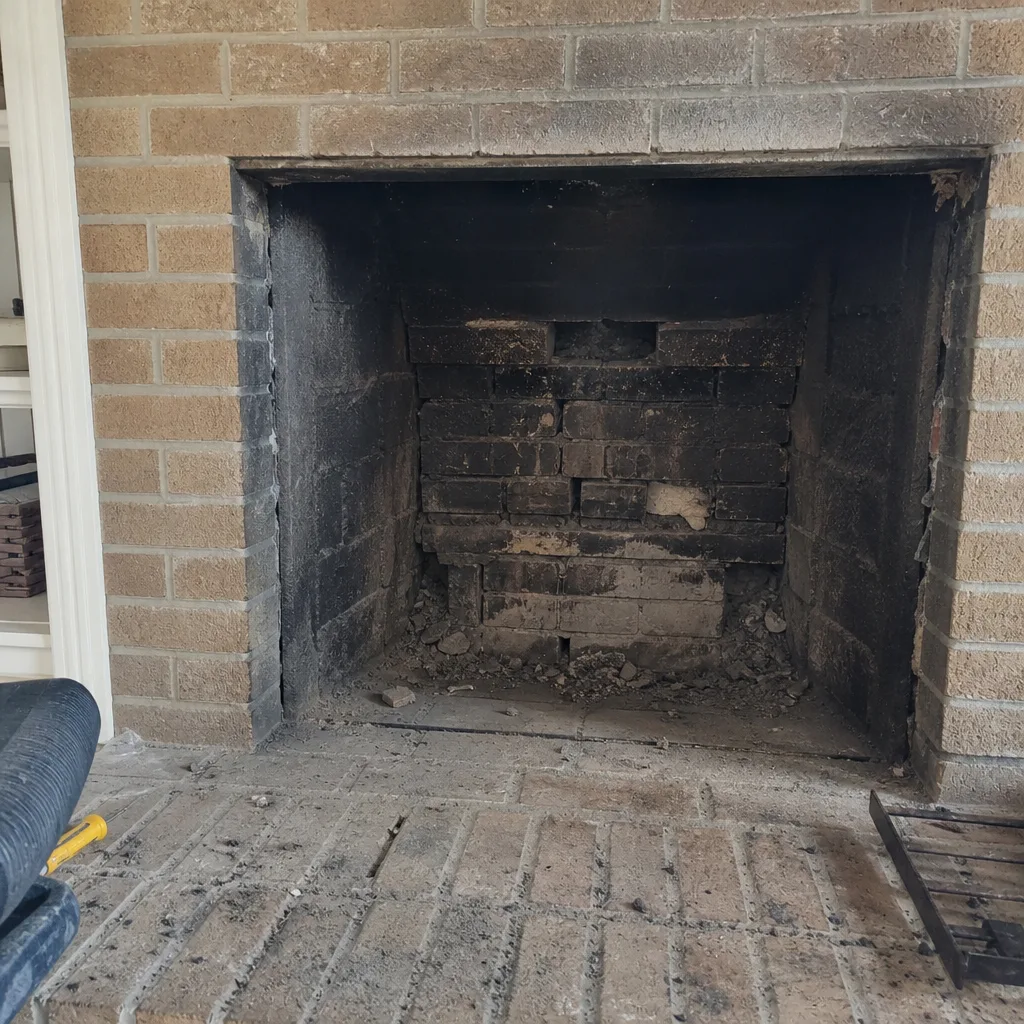 Before
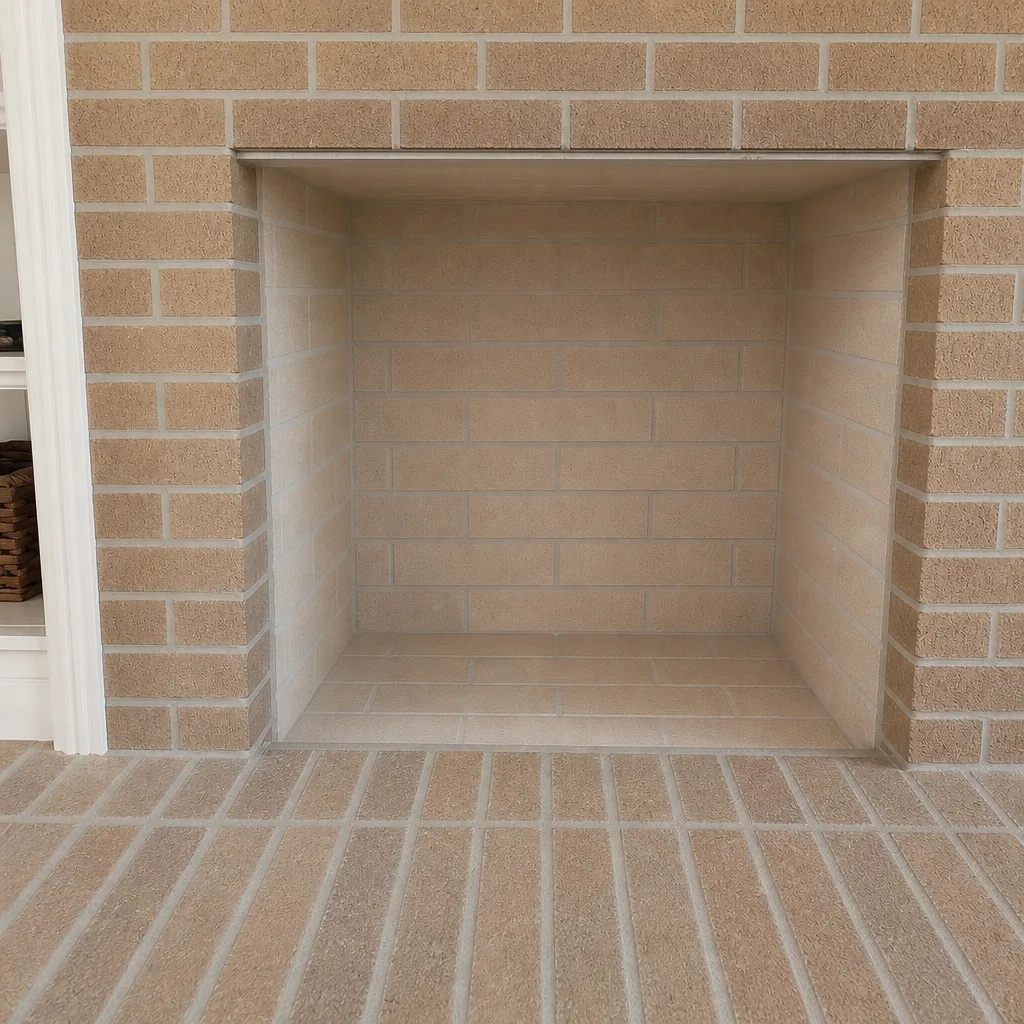 After
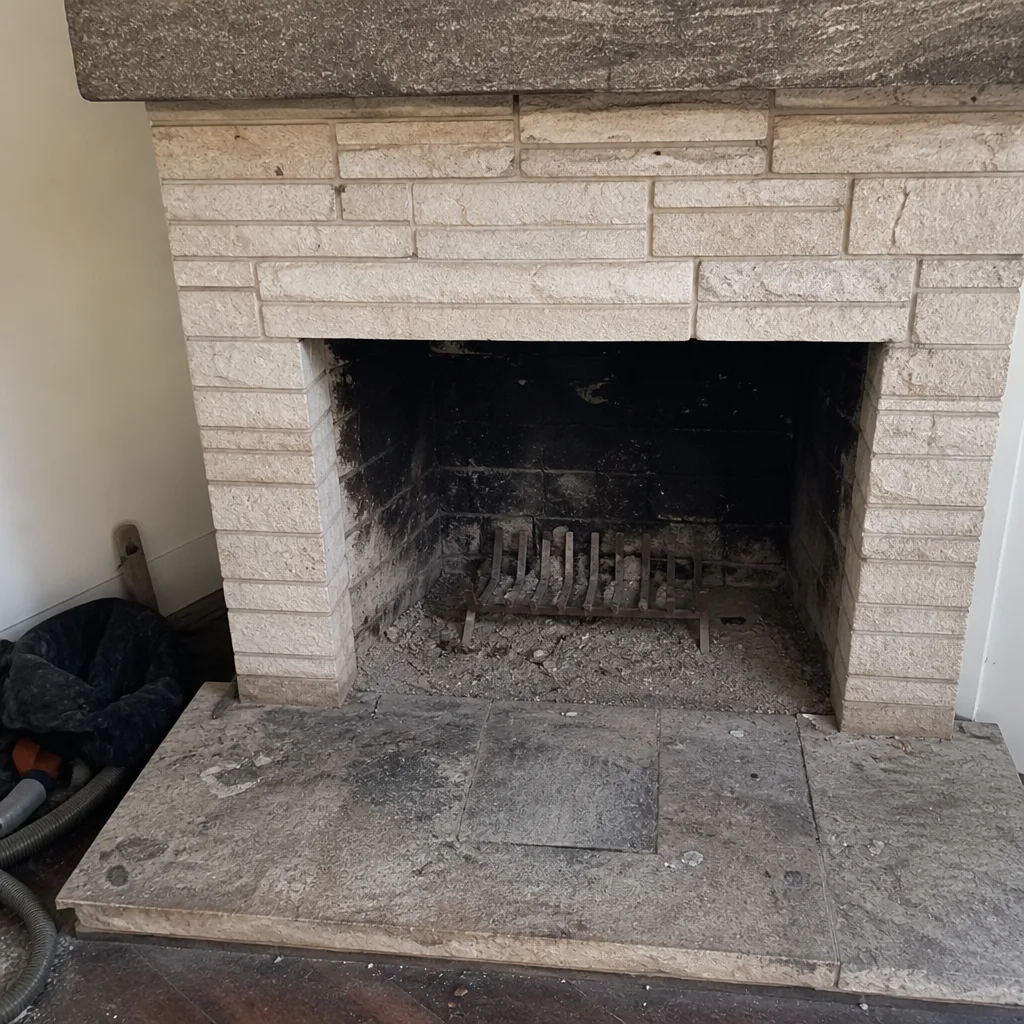 Before
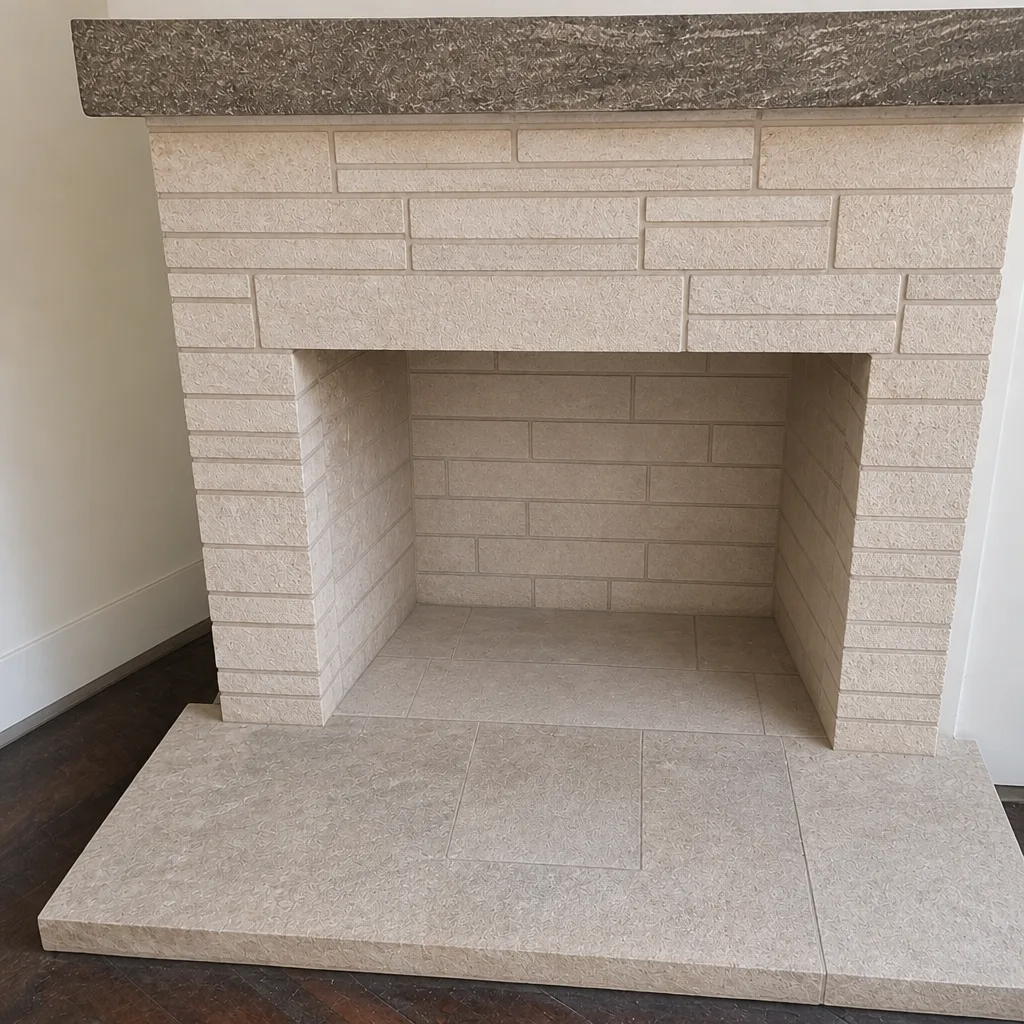 After
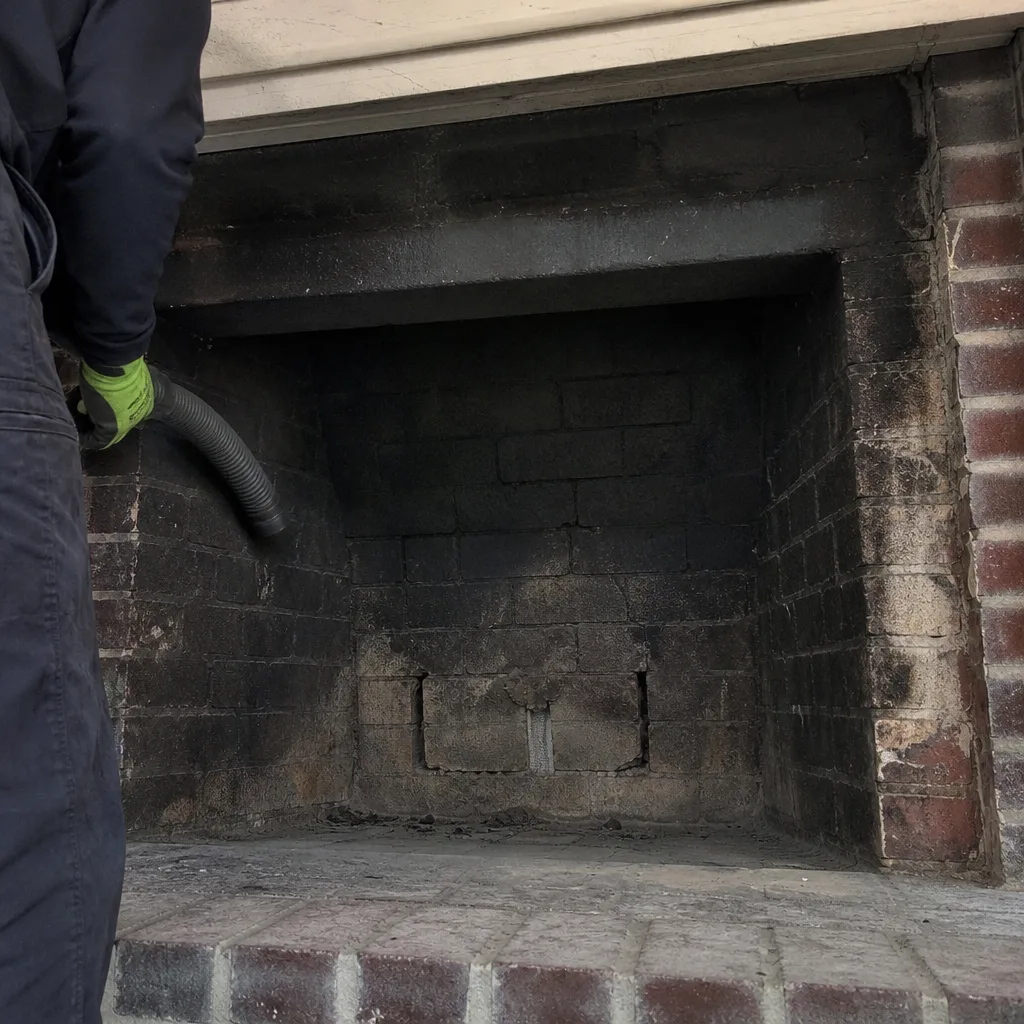 Before
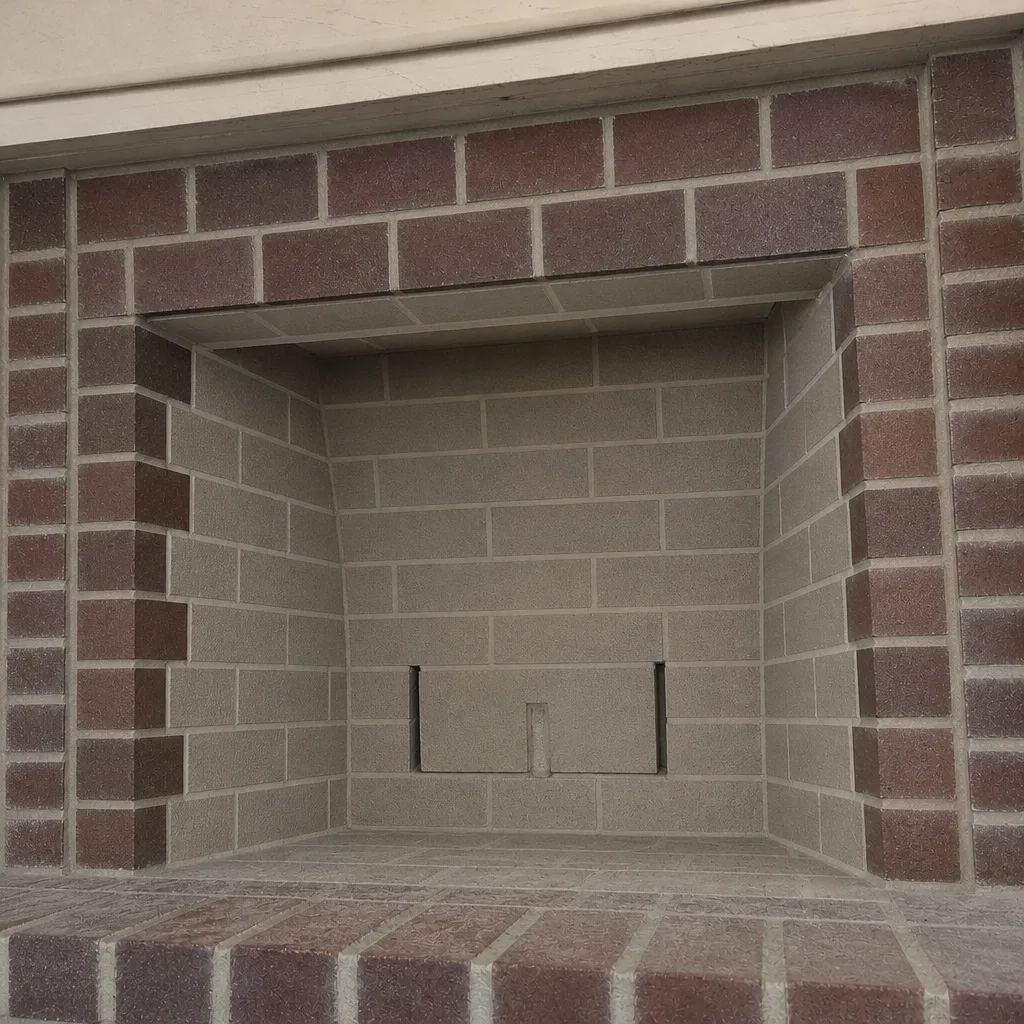 After
HeatShield Products We Service & Install in Clearwater
We service and install the HeatShield cast-in-place insulated masonry relining system, poured around an inflatable form to line a flue from the inside. We work with HeatShield Resurfacing and HeatShield Plus parging mix for spalled flue walls, and with the ceramic-wool insulating mix that goes into the cast liner blend. We also apply the cast-in-place liner to clay-tile flues using the Tile-in-Place approach, which relines an existing tile flue rather than removing it.
On Clearwater chimneys, that usually means pairing the liner work with waterproofing and a crown repair, because a perfect pour under a leaking crown is a liner waiting to fail.
We Also Service These Brands
HeatShield isn’t the only system we work with, and it shouldn’t be. We also service and install DuraFlex liner systems for full relining, and Gelco components for caps, covers, and vent parts sourced and installed to spec. When a flue is better served by a stainless system than a cast masonry liner, we say so and do that work rather than pushing one product.
FAQs – HeatShield Chimney Cleaning Service in Clearwater
A camera inspection is the only reliable answer. A HeatShield liner can look intact from the top and be cracked or unbonded at an offset or the smoke chamber, and no amount of brushing tells you which. We run a Level 2 camera down the full flue, check the bond along the walls and at the termination, and show you the footage. Call (844) 989-2870 for a free estimate.
Yes, with care. A cast liner is swept with standard chimney brushes, but the technician needs to know it’s a HeatShield flue so the brush type and technique don’t stress a cast surface that may already have hairline cracks. The sweep also becomes a chance to check the liner, the cap, and the crown for water intrusion, which matters more in Clearwater than creosote removal does.
No. Minor surface cracks and staining are often addressed with compatible resurfacing material once the water path that caused them is fixed. Cracks that go through to an unbonded pour are a different story, and that’s usually a reline. The deciding factor is whether the cast liner is still bonded to the flue behind it. Call (844) 989-2870 for a free estimate and we’ll show you which one you have.
Almost always because water is getting in above the liner, not through it. A failed crown or flashing at the top-of-flue termination is the usual culprit, and Clearwater’s summer storms and salt-heavy air make those joints fail faster than most homeowners expect. Fix the water path first, then assess the cast surface for damage the moisture has already done. Call (844) 989-2870 for a free estimate.
A Level 2 inspection is the right call for any HeatShield flue that’s showing symptoms, has changed appliances, or hasn’t been looked at in a while. Level 1 is a visual check of accessible parts and won’t reveal a bond failure below an offset. Level 2 uses a camera through the full flue, which is the only way to see the cast surface and the smoke chamber properly.
It depends on what the flue needs. A standard sweep on a HeatShield flue is one price; resurfacing cracks is another; a full reline is a bigger job again. We set the price per job by written estimate after the inspection, so you’re not guessing. Call (844) 989-2870 for a free estimate.
Book Your HeatShield Service in Clearwater, FL
Whether your HeatShield liner needs a sweep, a resurfacing, or an honest assessment of whether it’s worth repairing at all, we’ll tell you what the camera shows and what we’d do about it. Call (844) 989-2870 for a free estimate. We answer 24/7, with fast dispatch from 7am to 7pm, Sunday through Friday.
Written by the team at Charter Chimney Sweep.