
Last updated November 15, 2026
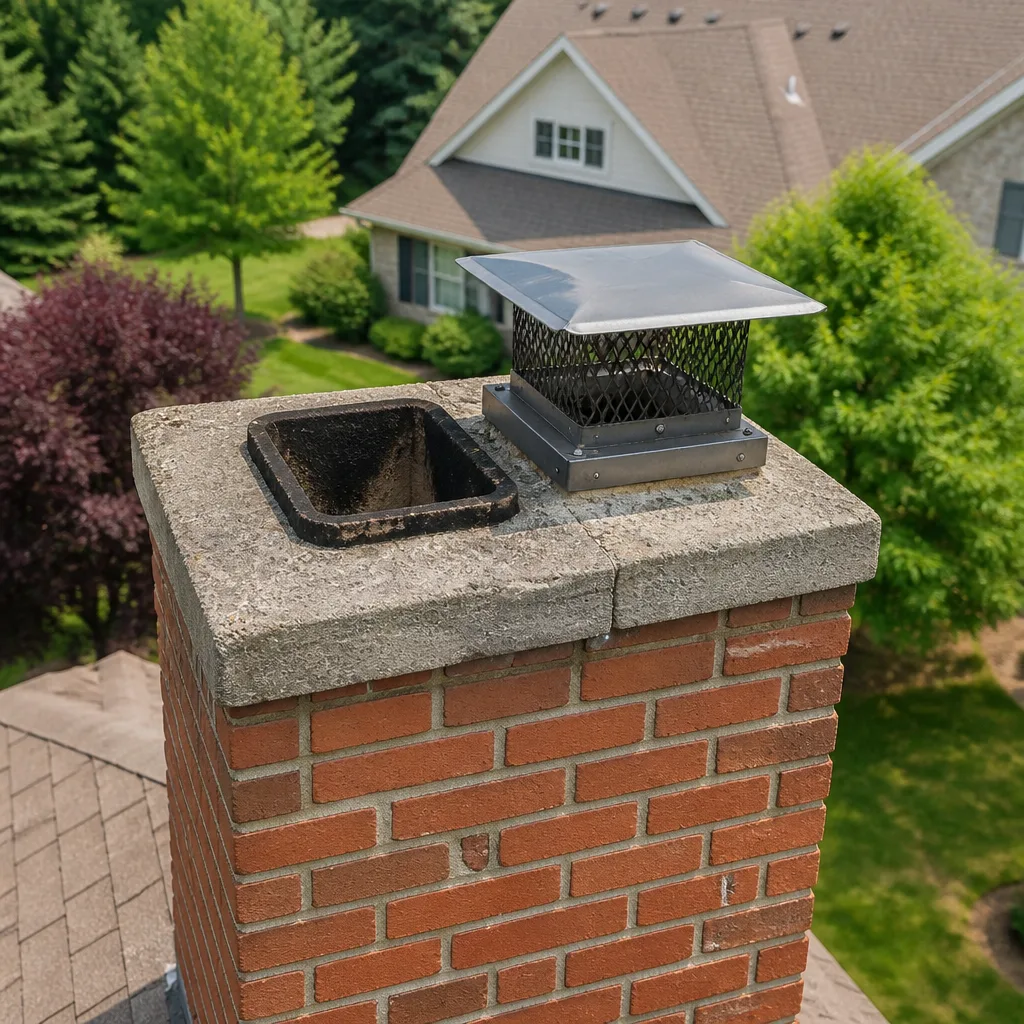 Sweep & inspection
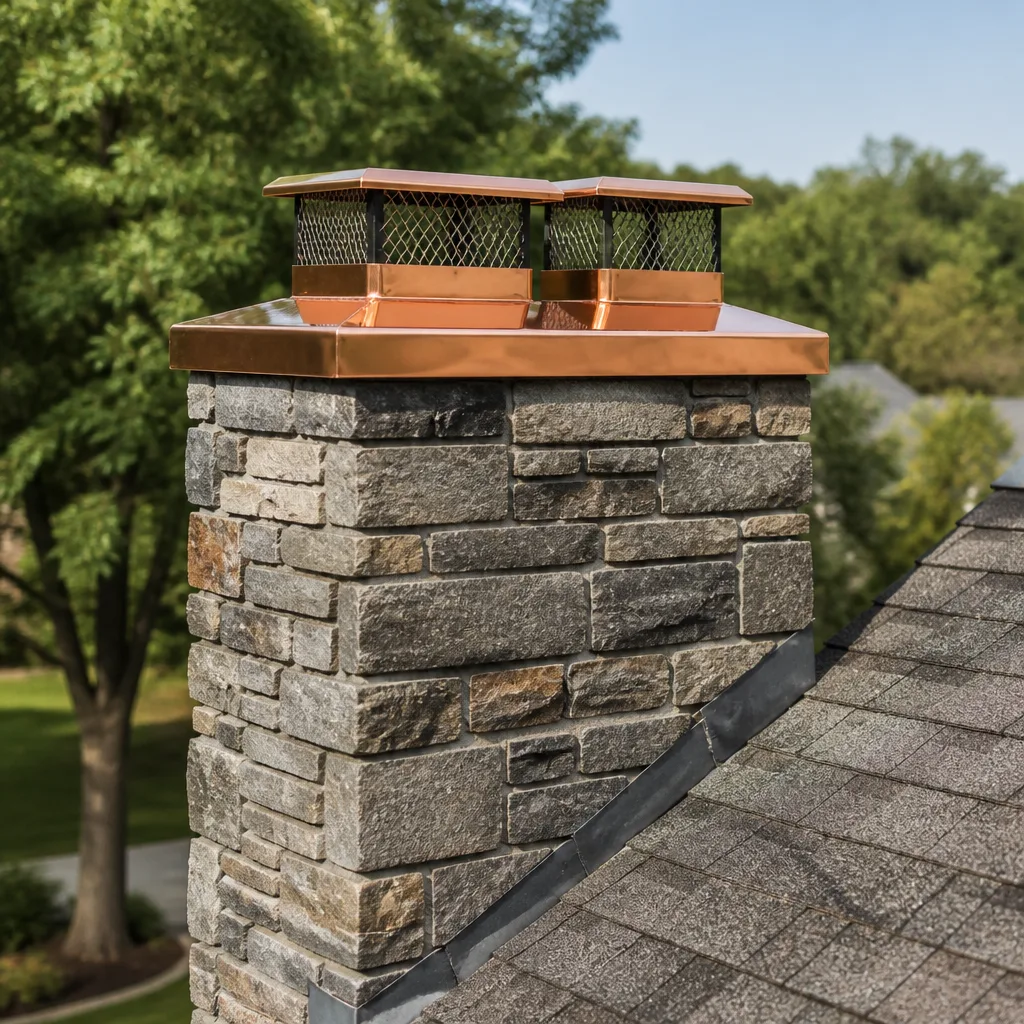 Caps & crowns
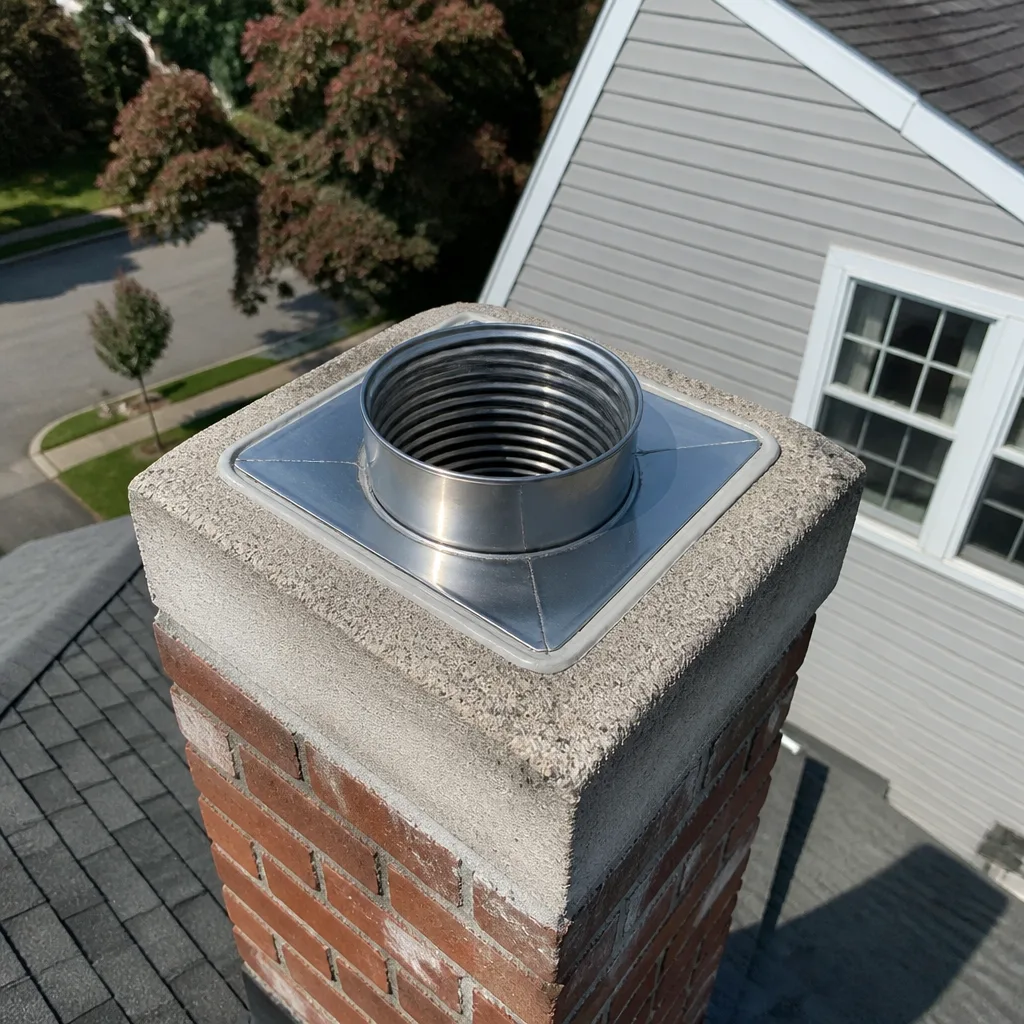 Flue relining
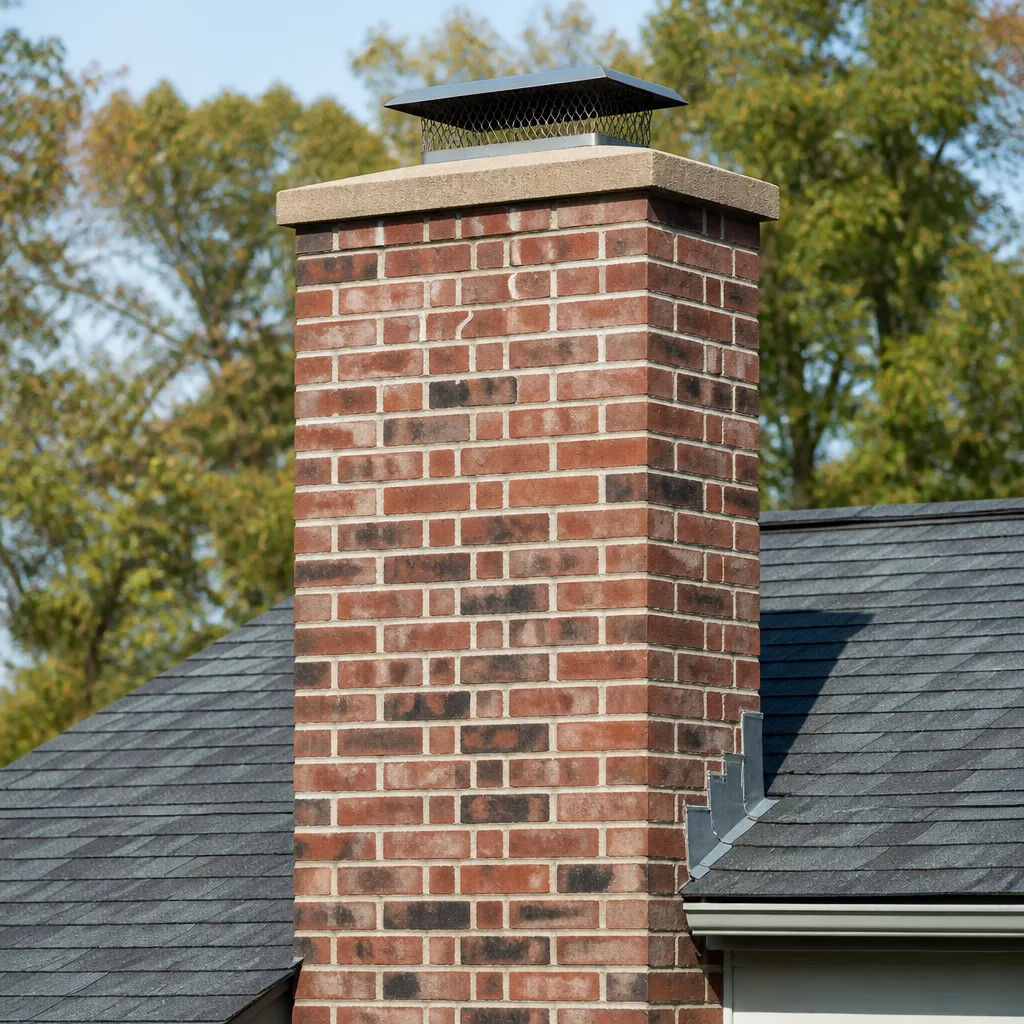 Masonry repair
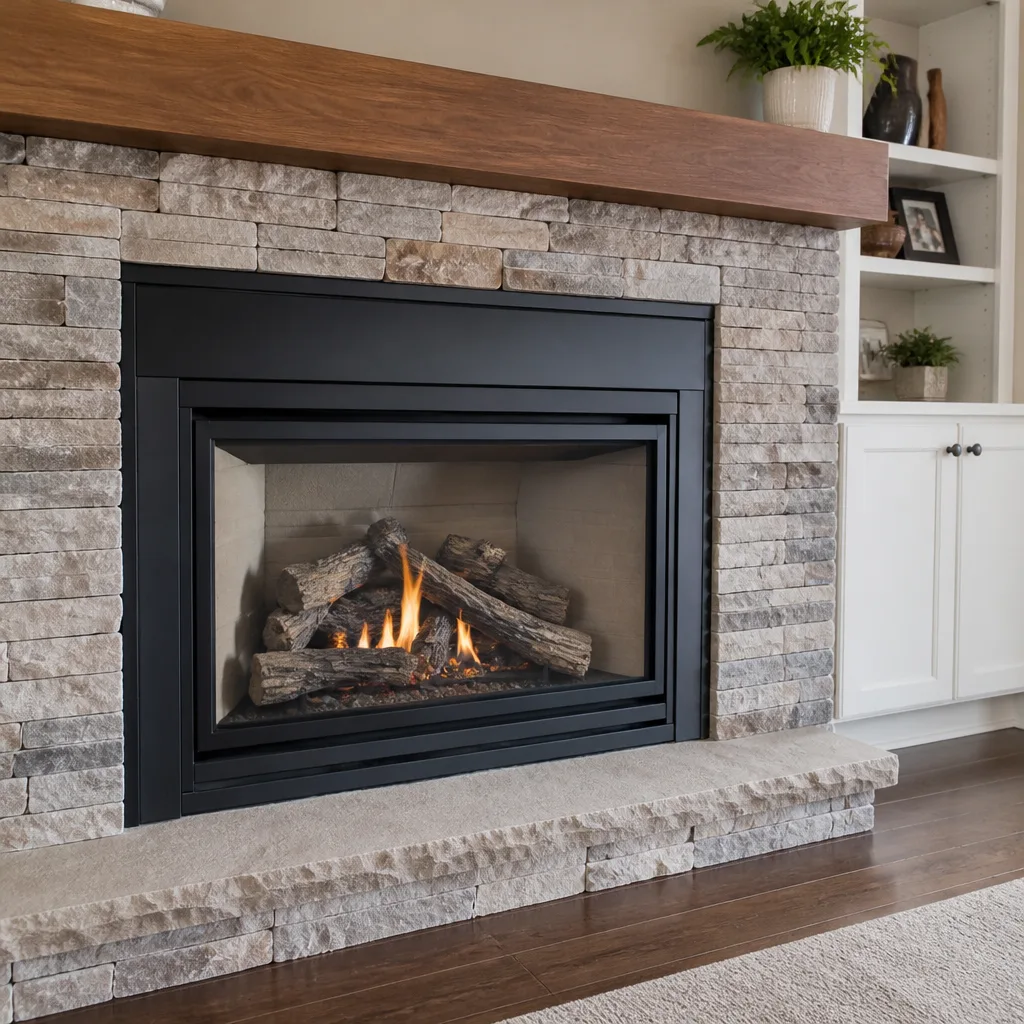 Gas fireplace service
Level 1 sweep and inspection to the NFPA 211 annual standard - flue, crown, cap, and flashing checked and photographed
Chimney sweep logs do not sweep chimneys. They loosen some creosote - which then falls where a brush and vacuum still have to collect it.
Chimney Cleaning Warning Signs: A Clearwater Homeowner’s Reference Guide
A chimney fire doesn’t announce itself with flames shooting from the top of the house. The warning signs come weeks or months earlier, and they’re quiet: a white stain spreading across the exterior brick, a damper that suddenly sticks halfway, a smell in the firebox after a summer rain. Most Clearwater homeowners walk past these clues every day without recognizing them. This guide teaches you to read the early physical indicators at the firebox, along the roofline, and across the exterior masonry, the signs that show up before anything goes wrong inside the flue. We’ll walk through what each one means, why it matters in our climate, and when it’s time to call a specialist.
Quick Answer
The most reliable early warning signs of a chimney problem are efflorescence (white staining on exterior brick), persistent odors from the firebox, dampers that stick or fail to seal, spalling firebrick or deteriorating mortar joints inside the firebox, and visible damage to the cap, crown, or flashing at the roofline. Any one of these means water, creosote, or structural movement is already at work, and a professional inspection should come before the next fire. In Clearwater’s humid, storm-prone climate, moisture-related warning signs tend to appear faster than in drier parts of the country, so exterior checks matter as much as interior ones.
Styles & brands we work with
- Sweep & inspection
- Caps & crowns
- Flue relining
- Masonry repair
- Gas fireplace service
Table of Contents
- Why Chimney Warning Signs Hide in Plain Sight
- Efflorescence: The White Stain That Means Water Is Winning
- Odor Diagnostics: Creosote, Sulfur, and Damp Smells
- The Damper as a Diagnostic Tool
- What the Firebox Is Telling You
- Roofline Indicators You Can See From the Ground
- How to Describe What You See When You Call
- When to Call a Professional
Why Chimney Warning Signs Hide in Plain Sight
Most homeowners judge their chimney by what happens in the living room. The fire lights, the smoke draws up, the room stays warm. Nothing seems wrong, so nothing gets checked. The problem is that the chimney’s most vulnerable components live where you never look: the flue interior, the crown at the top of the stack, the masonry joints facing weather on the outside of the house, and the throat where the firebox meets the damper.
Here in Clearwater, that gap between what you see and what’s actually happening gets wider for two reasons. First, our fireplace season is short, which means long stretches when the system sits unused and unwatched. Second, the subtropical humidity works on masonry and metal year-round. Water vapor intrudes through hairline cracks, condenses inside the flue, and combines with creosote to form acids that eat at mortar and flue tile. By the time a homeowner notices smoke rolling into the room, that process has usually been underway for more than one season.
The early signs fall into three zones, and a proper walkthrough covers all of them:
- The firebox and throat – where heat, creosote, and moisture leave their first marks
- The exterior masonry – where water infiltration shows itself as staining, spalling, or cracking
- The roofline – where cap, crown, and flashing failures begin
Learning to read all three gives you a much earlier heads-up than waiting for a smoke problem. It’s the same approach our technicians take on a chimney sweep in Clearwater: check the whole system, not just the flue. A Chimney Safety Institute of America (CSIA) certified sweep inspects the accessible portions of the system and reports on what’s found. The inspection exists precisely because the dangerous stuff is invisible to the untrained eye.
Efflorescence: The White Stain That Means Water Is Winning
If you see a chalky white or grayish powder blooming across the exterior brick of your chimney, that’s efflorescence, and it’s the single most useful early warning sign a homeowner can spot from the yard. Efflorescence is salt pushed to the surface as water moves through masonry and evaporates, leaving mineral deposits behind. Seeing it means water is actively traveling through the brick and mortar, and it’s carrying dissolved salts with it.
That matters because water doesn’t just pass through cleanly. As it moves, it dissolves lime and other compounds out of the mortar. Over repeated wet-and-dry episodes, the masonry weakens from the inside. In Clearwater’s humid air, exterior brick can stay damp far longer than it would in a dry climate, which keeps the cycle running.
Why You Should Never Paint Over Efflorescence
Painting over white staining is the most common mistake we see, and it makes things worse in a hurry. Masonry needs to breathe. A paint film traps moisture behind it, and the water then seeks another way out. It pushes through the mortar joints instead, and you get spalling: the brick face itself flakes off in layers. The stain disappears for a season, then returns with structural damage attached. The same trap applies to sealants sold as magic cures at big-box stores; a waterproof coating applied to a damp chimney seals moisture in rather than out.
What you want instead is to find the source. Efflorescence on a chimney usually points to one of these:
- A cracked or missing chimney cap letting rain straight into the flue
- Deteriorated mortar joints or missing flashing at the roof line
- A failing crown, the concrete slab at the top of the stack, with cracks that channel water into the masonry
- Absorbent brick with no proper cap or cover, common on older homes
Repairing the source and letting the masonry dry is the correct fix. Every cap and cover we install comes from the professional-grade suppliers our trade relies on, including Gelco, so the part is sized and specified for the actual flue opening rather than improvised.
Odor Diagnostics: Creosote, Sulfur, and Damp Smells
Your nose can diagnose a chimney before your eyes do, but only if you know what each smell means. Three odors come up again and again, and each points to a different problem.
Creosote Smell
A sharp, smoky, tar-like odor that lingers in the firebox, especially on warm, humid days, is the smell of creosote. Creosote forms whenever wood burns and deposits on the flue walls; it comes in three forms, and the glazed, hardened variety is the most flammable. If the smell appears even when there’s no fire, the deposits are thick enough to off-gas into the room. That’s a sign the flue needs cleaning before the next burn, and in some cases it means the deposits have reached a stage where a professional sweep is the only safe way to remove them. This odor is also why Clearwater homes that sit closed up in the summer heat can smell smoky in July even though no one has used the fireplace since winter.
Sulfur Smell
A rotten-egg or sulfur odor is a different story. In a wood-burning system, it often signals organic material or debris decomposing inside the flue, frequently nesting material or leaves that came down through a damaged cap. In a gas appliance, a sulfur smell can be a serious concern and warrants immediate attention from a qualified professional. Don’t run the appliance on the assumption it’ll clear up.
Damp or Organic Smell
A musty, earthy, wet-leaves smell after rain is the sound of a chimney that’s taking on water. It usually means rain is entering through a failed cap or an unsealed crown, or that the flue is staying damp because of inadequate ventilation and a missing cap. In Clearwater, where summer afternoon storms are a routine feature of the season, a single failed cap can let a surprising amount of water into the stack over a few months. This smell often shows up alongside the efflorescence described above, and the two together almost always point to one root cause.
If you’re noticing any of these odors, write down when they occur, whether fire was recently burning, and whether it rained beforehand. That short record is genuinely useful during a diagnostic visit.
The Damper as a Diagnostic Tool
The damper is the metal plate at the top of the firebox that opens and closes the flue. Homeowners treat it as a simple on-off switch, but its behavior is one of the best early indicators of what’s happening inside the firebox and throat.
Here’s what to watch for:
- Resistance or sticking. A damper that suddenly takes force to move, or won’t open fully, often means rust, warping, or accumulated creosote at the throat. In a humid climate, moisture condensing on the cold metal plate between fires accelerates corrosion; the rust builds and the pivot seizes.
- Rattling when open. A loose damper rattling in the throat can indicate worn hardware or a firebox that’s shifted. Either way, you want it looked at, because a damper that doesn’t seal closes poorly and lets heated air and conditioned air escape up the flue when the fireplace is off.
- Failure to seal. If the plate doesn’t close flush, you’ll feel a draft or a smell from the flue even when the damper is shut. On a Clearwater home with air conditioning running, that leak drives up your cooling costs and lets humidity and odors into the living space.
- Rust on the plate. Surface rust streaks on the damper mean moisture is reaching the throat. That moisture has a source, usually water coming down the flue or condensing on the cold metal from the chimney’s damp interior.
- A damper stuck in the closed position. Sometimes this is a mechanical failure, and it’s the reason you literally can’t use the fireplace. It’s fixable, and diagnosing it is part of the job.
The damper is also an easy DIY check you can do safely from the living room: open it fully, watch how smoothly it moves, feel for a draft when it’s closed. That simple routine gives you a read on the throat’s condition every season. If it feels different than last year, that’s information worth acting on.
What the Firebox Is Telling You
The firebox takes the most direct heat in the whole system, so it’s where early structural wear shows up first. You can inspect it without special tools; the signs are visual.
Here’s the checklist:
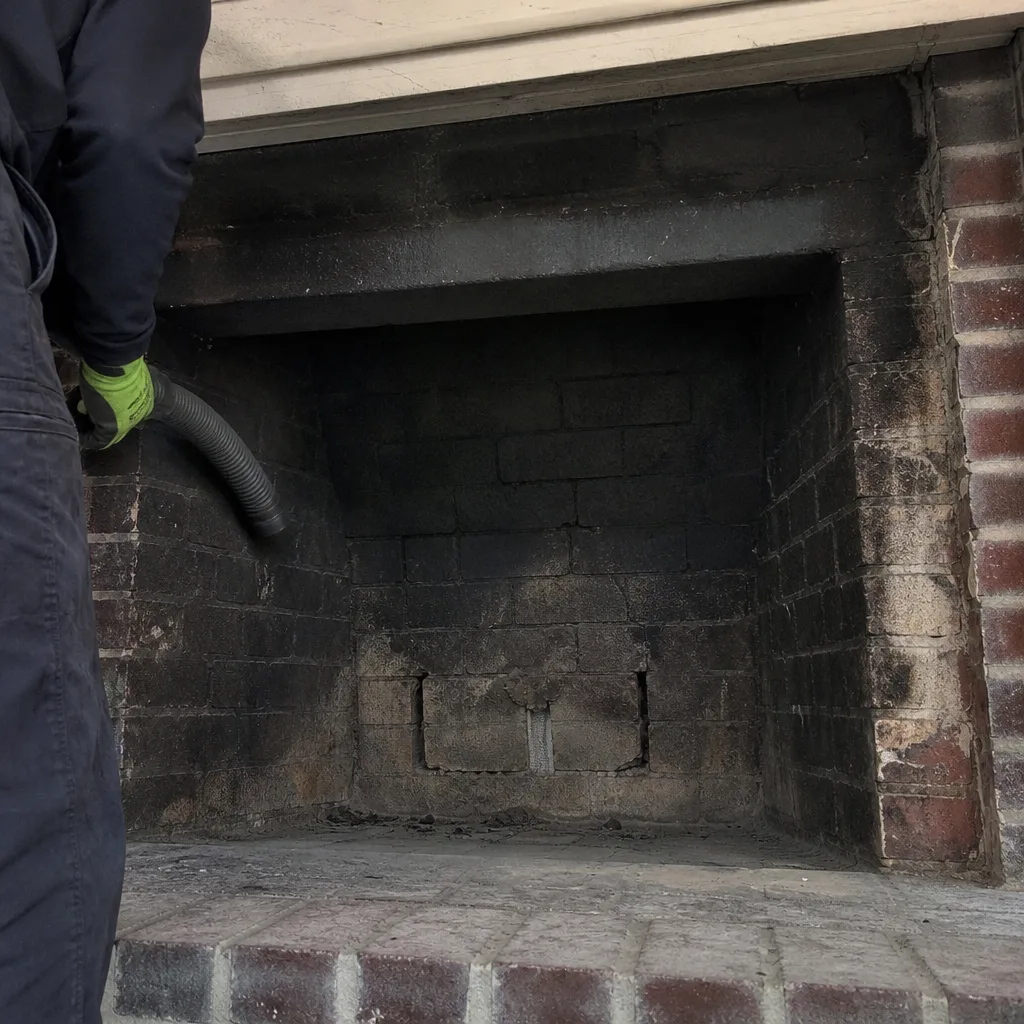
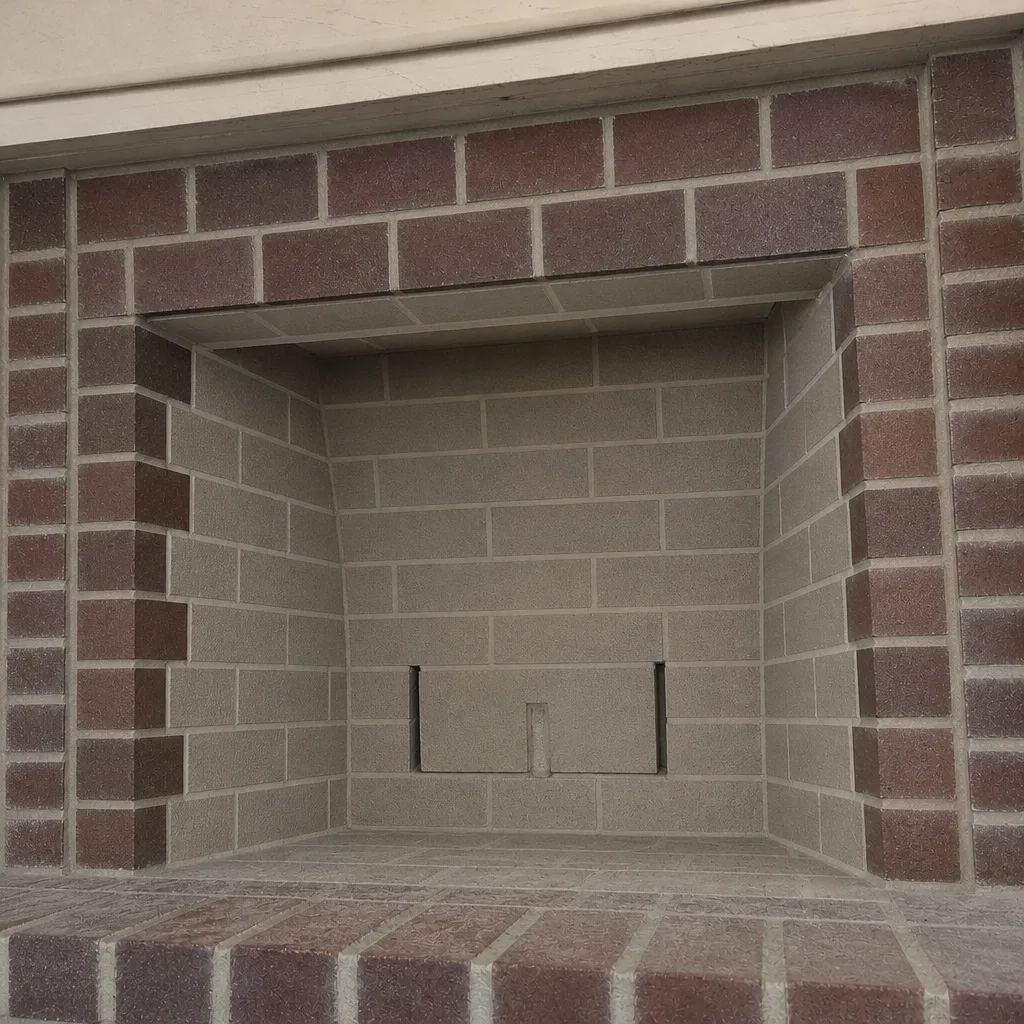
- Spalling firebrick. Firebrick is engineered to handle high heat, and when its surface flakes, peaks, or crumbles, the brick has been through enough thermal cycling to break down. Sometimes the cause is simply age; sometimes it’s moisture intrusion weakening the masonry. Either way, failed firebrick is a finding that needs evaluation, not a cosmetic issue.
- Deteriorating mortar joints. Look for mortar between the firebrick that’s recessed, crumbly, or missing entirely. When joints erode, the bricks aren’t held properly, and the roof above them (the flue) may be compromised too. This is one of the most common reasons a repair gets recommended.
- Rust on the damper plate or frame. Rust inside the firebox points to moisture, and moisture entering the firebox almost always enters from above. Tracking that back to its source at the roofline is part of the work.
- Cracks in the firebox walls or the smoke chamber. A crack in the firebox shouldn’t be treated as a hairline to ignore. Gaps let heat into masonry that wasn’t designed for direct flame contact, and that’s a fire-safety concern. Have it examined before the next fire.
- Crumbling or glazed buildup at the smoke shelf. The ledge just above the damper collects debris and creosote. If it’s heavily coated, the flue above the throat is telling you it needs cleaning and probably has been overdue for a while.
Some of the damage here is addressable without tearing out the whole system. When a flue interior has deteriorated but can be repaired in place, we use HeatShield resurfacing, a specialist method that restores the interior of a damaged flue and avoids full liner replacement when conditions allow. It’s the kind of repair that lets a homeowner fix what’s actually broken rather than replace components that aren’t. In cases where the liner itself is cracked or missing, a full reline with a DuraFlex system is the right answer. The key point: the recommendation comes from what the inspection shows, not from a one-size-fits-all script.
Because a failed chimney liner exposes the house’s framing and combustibles to the heat of the fire itself, a damaged or missing liner on a Clearwater home is one of the findings that deserves attention promptly. Our technicians have up to 15 years of experience evaluating exactly this kind of damage, and they’ll tell you clearly when work can safely wait and when it can’t.
Roofline Indicators You Can See From the Ground
You can learn a lot about the top of a chimney by stepping back and looking up. Grab binoculars if you have them; even from the driveway, the following signs are often visible.
- Cap damage. The cap is the cover that sits on top of the flue. Missing, rusted-through, or badly fitted caps let rain and wildlife straight into the system. A crack in the cap or a cap that’s lost a section of mesh is a top cause of water damage inside the flue, and we also see animals nesting in uncapped flues here. Every cap and cover we supply comes from Gelco and Olympia Chimney, sized and installed to fit properly rather than patched with anything that lands on the truck.
- Mortar wash cracking. The mortar on the chimney stack breaks down over time from rain and temperature swings. When you see recessed mortar lines in the brickwork from the ground, the top of the chimney is eroding and needs repointing before water gets into the interior.
- Staining below the flue opening. A dark or white vertical streak just under the cap, running down the stack, usually means water has been running off or entering there. Dark streaking can mean creosote or soot has backed up; white streaking points back to efflorescence and moisture.
- Flashing separation. The flashing is the metal where the chimney meets the roof. If the metal is visibly lifting away from the shingles, curling, or has a gap that’s opened up, water is getting under it and into the roof structure. This is often spotted from the ground as a shadow or a gap between metal and shingle line.
- The crown at the top. Look for cracks in the concrete slab at the very top. A cracked crown channels rain down into the masonry, so it’s the origin point for a lot of what you’ll see lower down the stack.
These are also the signs that a certified sweep documents and photographs during an inspection. If your gut says the roofline looks off, that’s enough reason to have it checked, and we’re glad to look while we’re on the roof for a sweep.
How to Describe What You See When You Call
When you call a specialist, the more specific you can be, the better we can prepare and the faster we can get you a straight answer. Vague descriptions like “the chimney looks bad” don’t tell us much. Here’s a quick framework:
- Where you saw it. Exterior masonry, roofline, firebox, or living room. Note which side of the house and roughly how high on the stack.
- What it looks like. White chalky stain? Dark streak? Cracked concrete at the top? Lifted metal at the roof? Rust on metal? Crumbling firebrick?
- When you first noticed it, and whether it’s growing. A stain that appeared once and hasn’t changed is different from one that’s visibly spreading month by month.
- What happens with the fire. Smokes into the room on lighting? Draws poorly on windy days? Smells smoky when it’s not even burning?
- Whether it smells after rain. This one tells us a lot about whether a water source is active.
Take photos if you can, particularly of the roofline from the yard and the firebox up close (from a safe distance, without putting your hand into the throat). A picture of white staining and a description of where it sits lets us plan the visit around likely causes. And it gives you something concrete to point to during the inspection, which is exactly the spirit of how we work: nothing gets recommended without evidence you can see for yourself. If you’re in need of a sweep or repair in the area, welcome to Clearwater – this is the kind of problem we know well.
A quick note on the chimney dryer vent: if you have a clothes dryer, the same instinct to look for warning signs should apply to its vent. Lint buildup is a known fire risk, and a dryer vent left uncleaned is a fire waiting for a date. We handle dryer vent cleaning in Clearwater alongside chimney work because it’s the same basic discipline: a vent system that doesn’t move air properly is a hazard whether it’s above the roof or behind the dryer.
Common Mistakes to Avoid
- Painting over efflorescence. It hides the symptom and seals moisture inside the masonry, which speeds up spalling. Find and fix the water source instead.
- Assuming no smoke means no problem. A chimney can draw fine while the flue interior or the crown is quietly failing. The visible symptoms in the firebox and on the exterior matter more than how the fireplace behaves.
- Skipping the roofline check. In a place with Clearwater’s summer storm pattern, small flashing and cap issues get worse fast. A five-minute look from the yard once a season catches most of it.
- Burning wet or unseasoned wood to save money. Green wood creates far more creosote, and more creosote means more frequent cleaning and higher fire risk. Dry, seasoned firewood is cheaper in the long run.
- Burning paper, cardboard, or household trash. It produces more creosote and can overfire the firebox. If it didn’t grow on a tree or come from a wood pellet bag, it doesn’t belong in the fireplace.
- Treating a stuck damper as an inconvenience. It’s diagnostic information. If the damper won’t open or won’t close flush, the throat is trying to tell you something.
- Waiting for a problem to “clear up.” Chimney symptoms rarely resolve without intervention, especially moisture issues in a humid climate. A small repair now tends to be simpler than the same problem six months later.
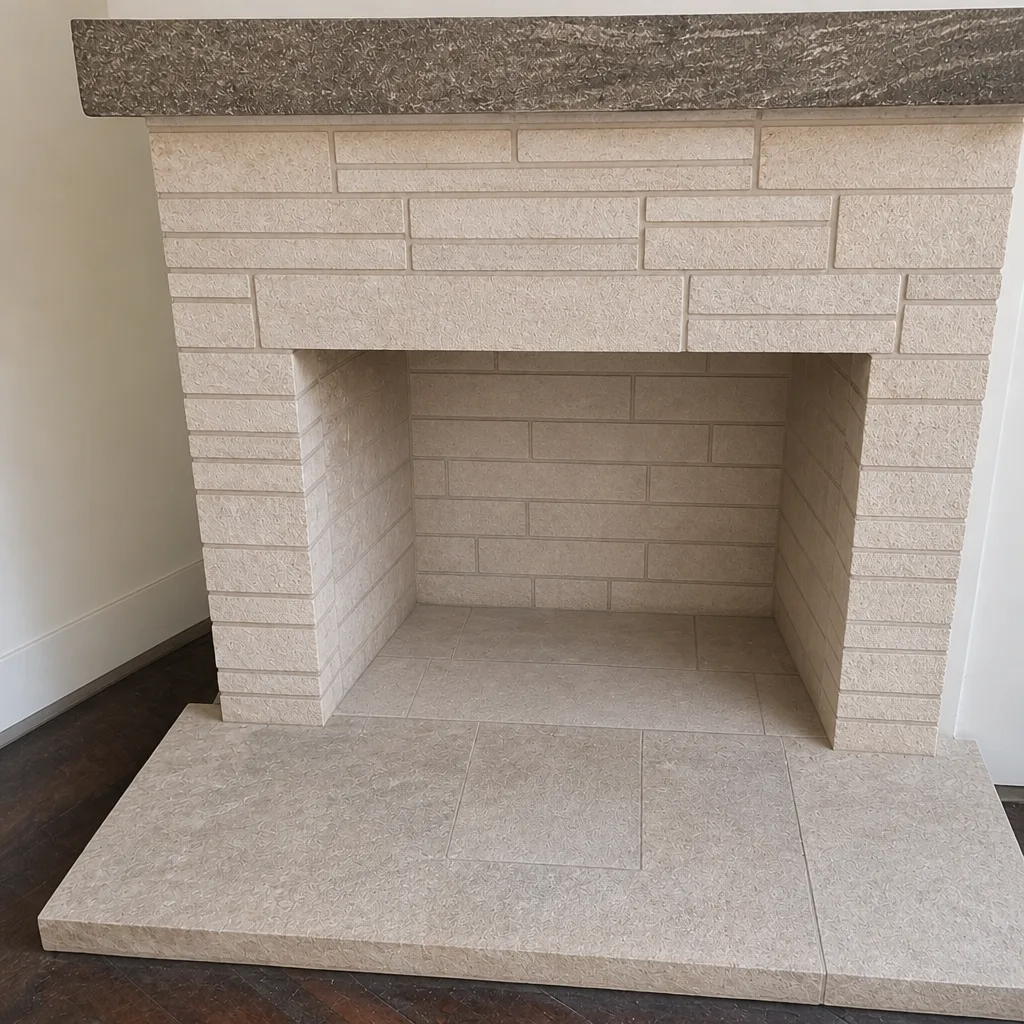
See the difference
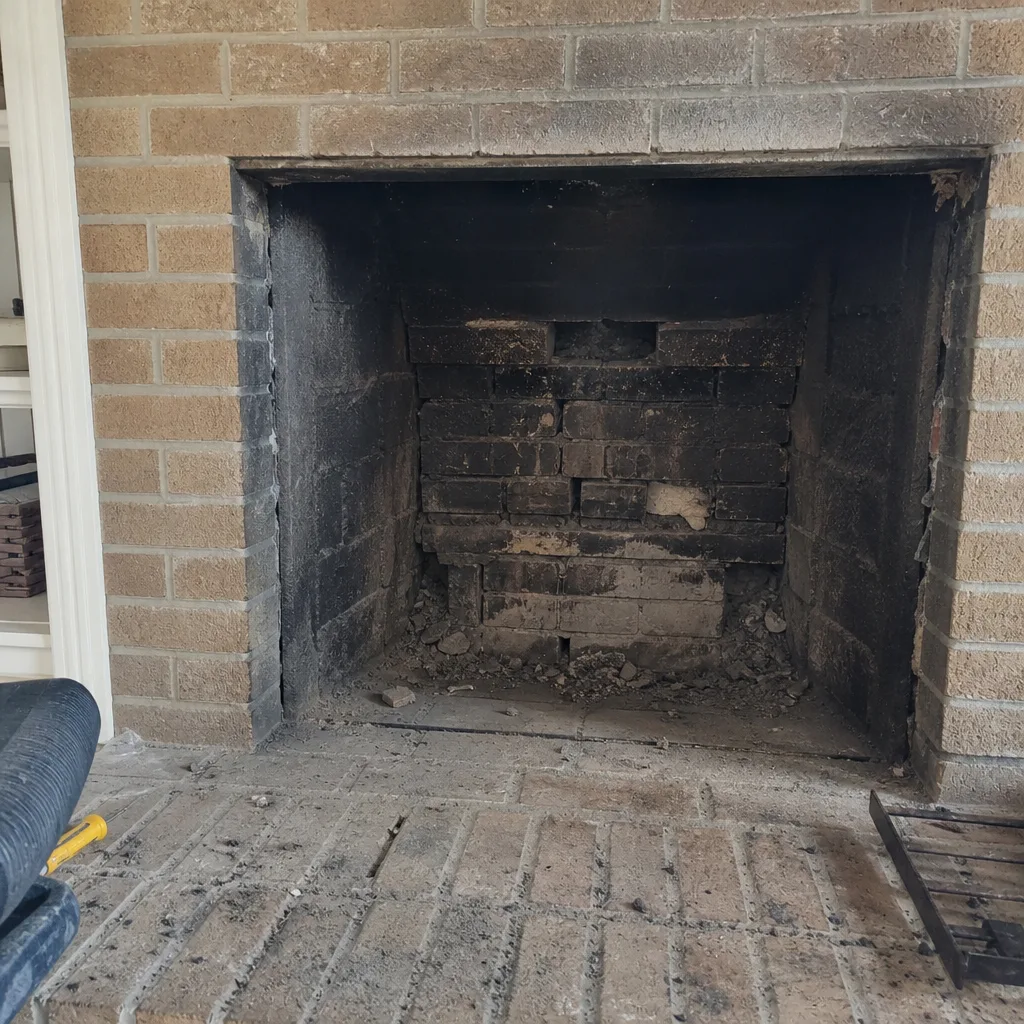 Before
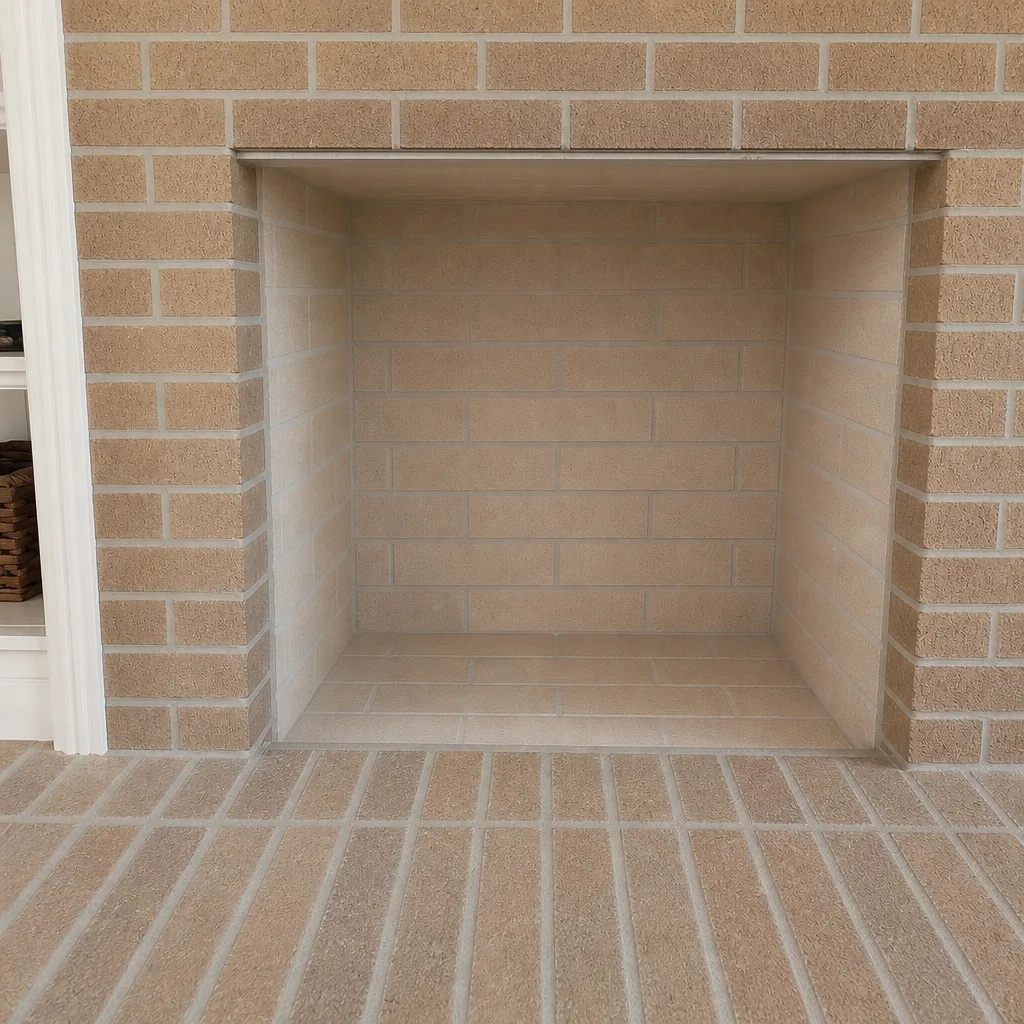 After
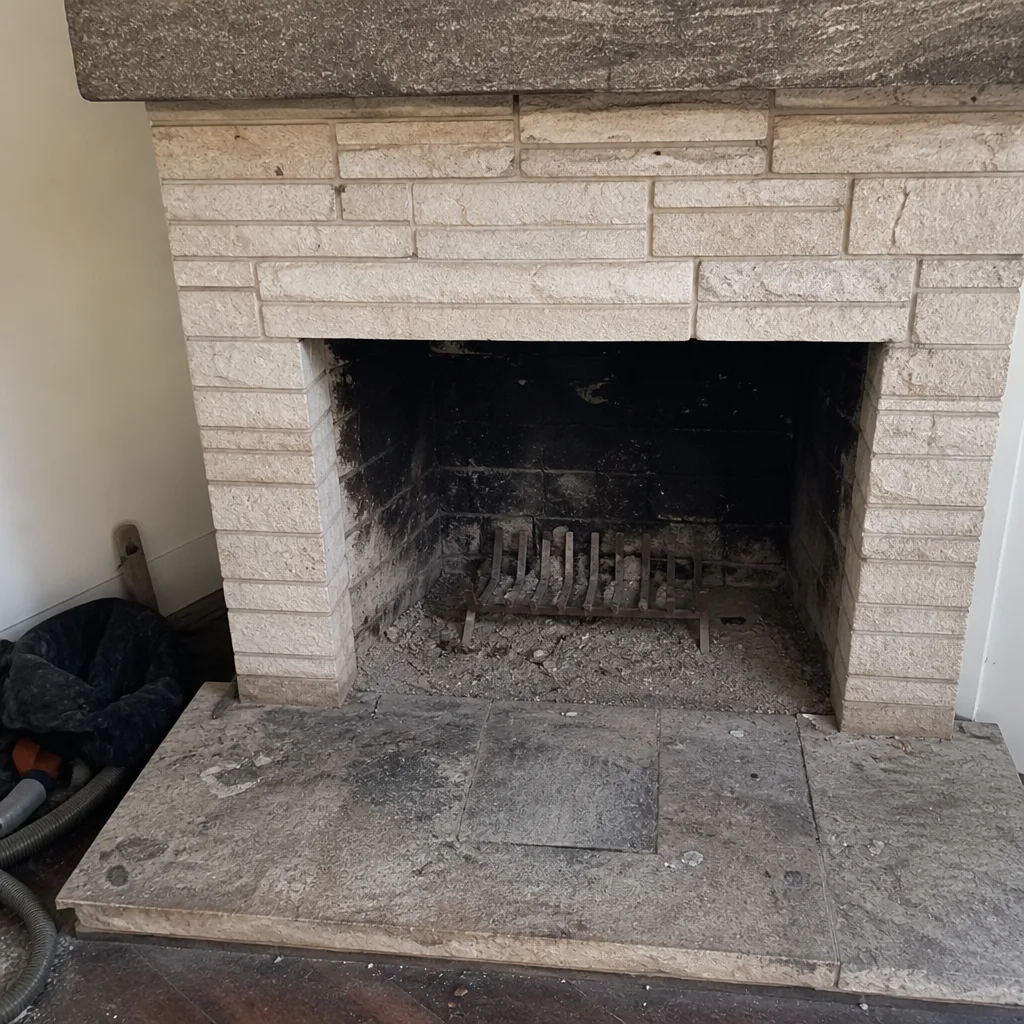 Before
 After
 Before
 After
When to Call a Professional
Here are the specific situations that warrant a call rather than a wait: you’ve seen white efflorescence or dark staining on the exterior masonry; the firebox has visible spalling firebrick, crumbling mortar joints, or cracks; the damper sticks, rattles, or won’t seal; the fireplace smells smoky or musty when it isn’t burning, especially after rain; you can see cracking in the crown, a failing cap, or lifted flashing at the roofline; or you simply can’t remember the last time the chimney was cleaned. Those are the triggers. A homeowner can safely do the visual walkthrough this guide lays out, but evaluating the inside of a flue, sizing a liner correctly, or repairing firebox masonry safely requires a trained professional. Charter Chimney Sweep offers free estimates in Clearwater – call (844) 989-2870. We answer 24/7. Fast dispatch from 7am to 7pm, Sunday through Friday. We’re closed on Saturday; if a problem surfaces then, a call outside dispatch hours is booked into the next opening.
Frequently Asked Questions
Efflorescence, the white chalky staining on exterior brick, is the most common and most visible early sign. It means water is moving through the masonry and needs a source fixed, not painted over. Call (844) 989-2870 for an exact quote – estimates are free.
Once per year if you burn regularly, and at least an annual inspection if you use the fireplace occasionally. A flue with significant creosote buildup or signs of water intrusion should be cleaned sooner. Sweeping on a yearly schedule is the simplest way to catch the warning signs this guide covers before they turn into repairs. Call (844) 989-2870 for an exact quote – estimates are free.
It usually means creosote deposits are thick enough to give off vapors, especially on warm, humid days. In some cases it also means the flue is drawing poorly because of blockage or a failing cap. Have it checked before the next fire rather than after. Call (844) 989-2870 for an exact quote – estimates are free.
No. Painting traps moisture inside the masonry and makes spalling worse. Find and repair the water source, then let the brick dry. Call (844) 989-2870 for an exact quote – estimates are free.
Rust means moisture is reaching the firebox throat, which almost always tracks back to water coming down the flue from a cap or crown issue. It points to the need for inspection above the damper. Call (844) 989-2870 for an exact quote – estimates are free.
Yes. The liner protects the house’s framing from the heat of the fire, and a cracked or missing liner exposes combustibles to serious risk. If an inspection finds damage, address it promptly rather than deferring. Call (844) 989-2870 for an exact quote – estimates are free.
The Bottom Line
The chimney warning signs that matter most are the quiet ones: a white stain on the brick, an odor after rain, a damper that feels different this year, crumbled firebrick, or something off at the roofline. All of them are visible to anyone who knows what to look for, and catching them early is the whole point. In Clearwater’s humid climate, moisture-related symptoms appear faster than you’d expect, so a seasonal walkthrough of the firebox, exterior, and roofline pays off. When your inspection turns anything up, the answer is a thorough diagnostic and a repair scoped to what’s actually wrong – sweep, repair, and reline, handled by one crew. We carry the professional-grade materials, including Gelco, Famco, Olympia Chimney, and Copperfield parts, to fix what we find rather than referring it out. Charter Chimney Sweep brings the full system into view. Call (844) 989-2870 for a free estimate. We answer 24/7 and dispatch fast from 7am to 7pm, Sunday through Friday.
Written by the team at Charter Chimney Sweep.