
Last updated November 15, 2026
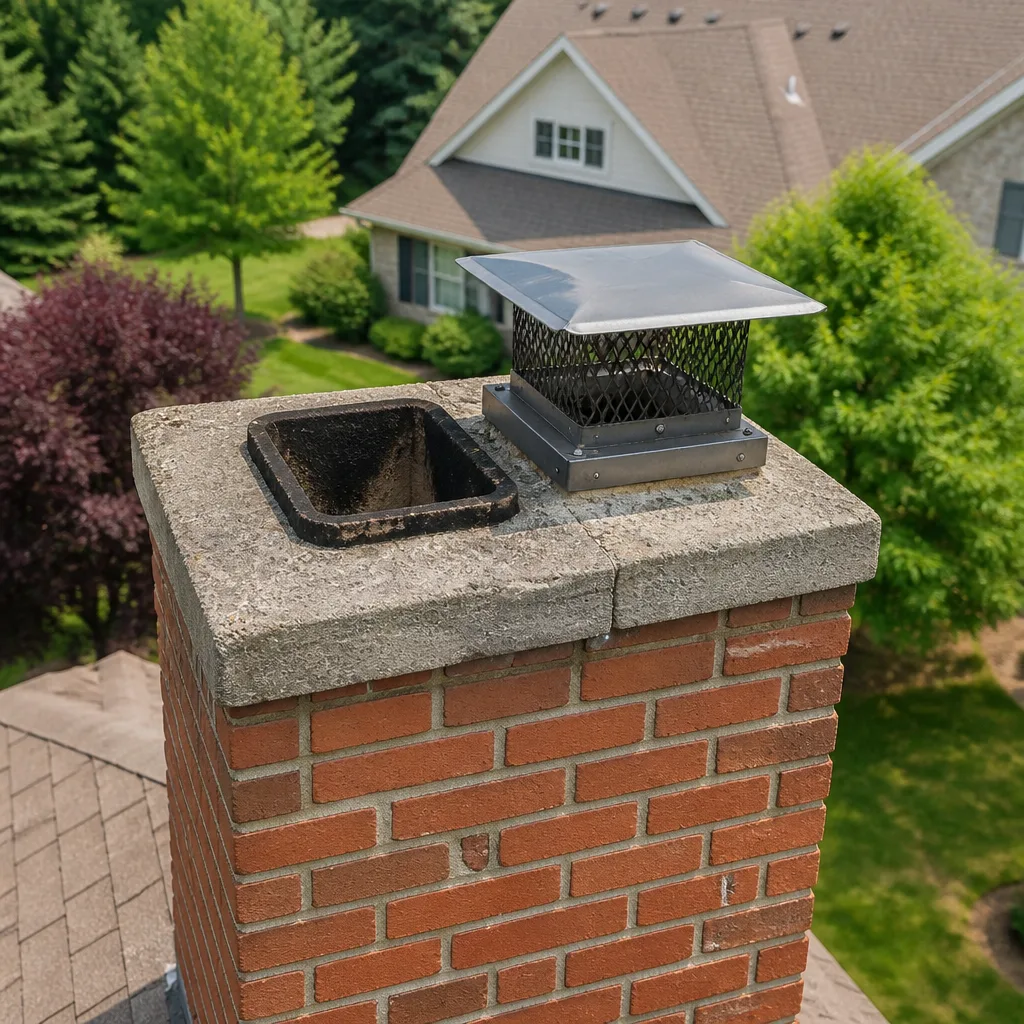 Sweep & inspection
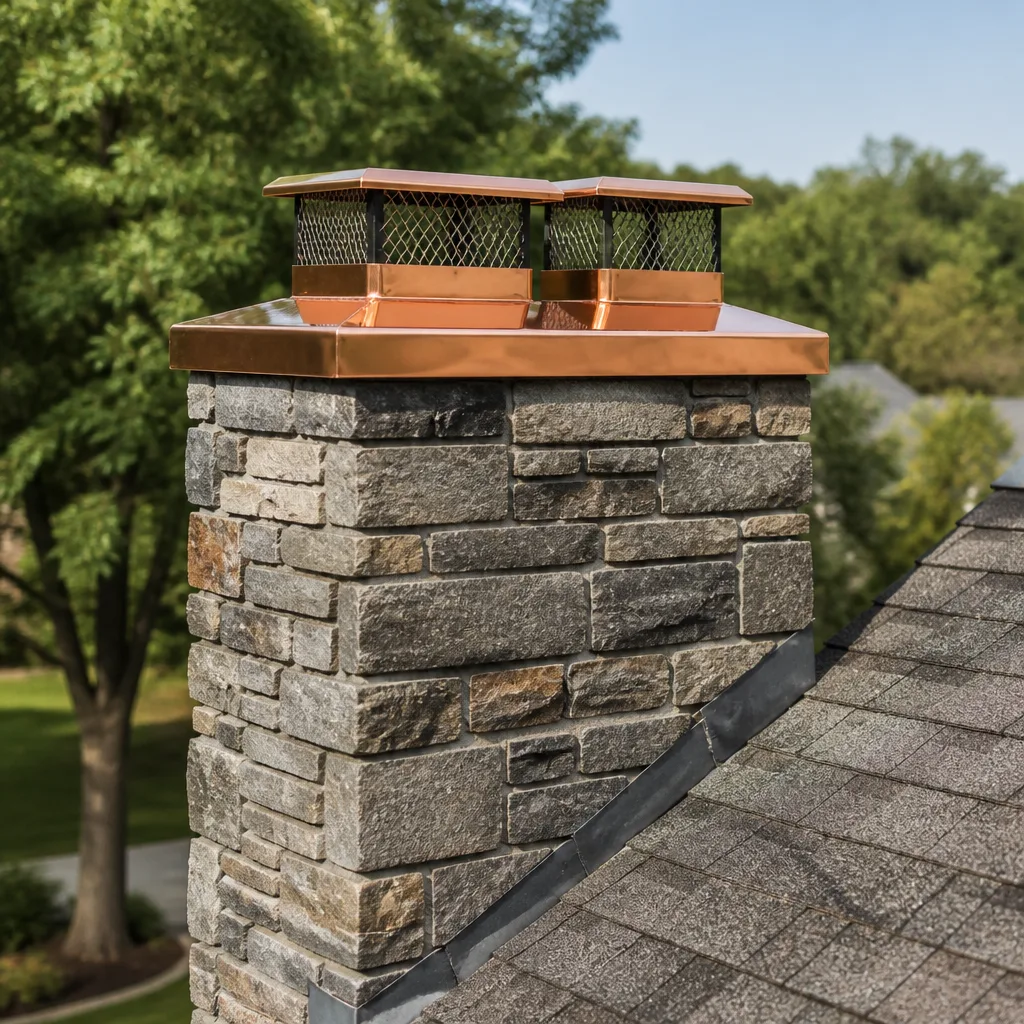 Caps & crowns
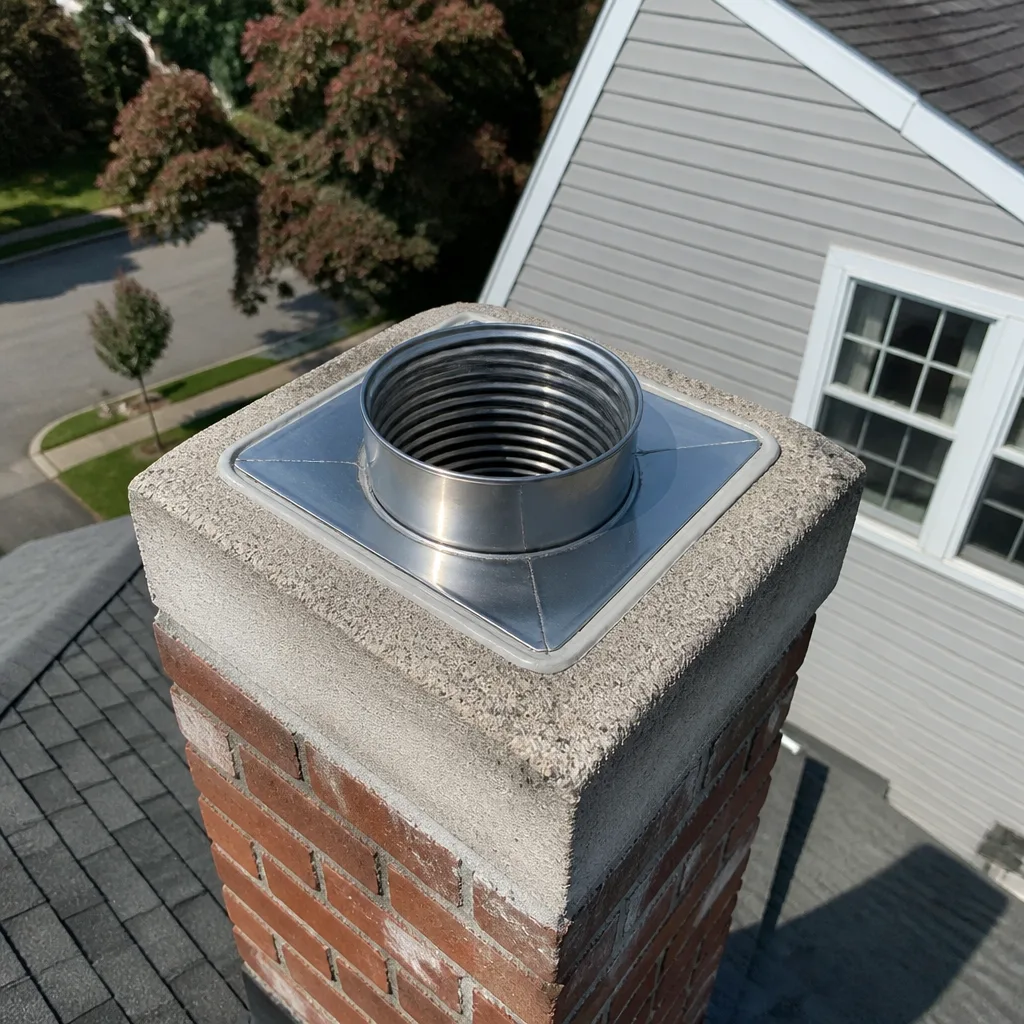 Flue relining
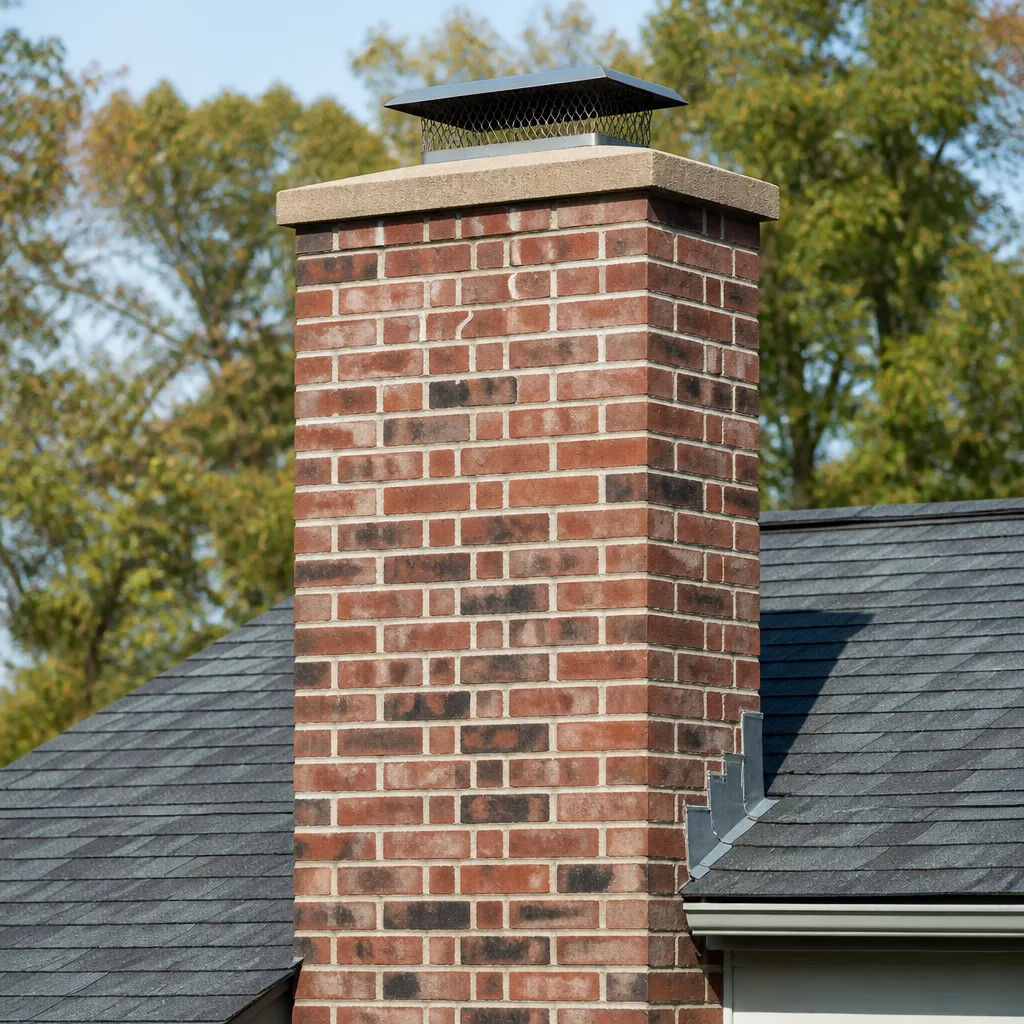 Masonry repair
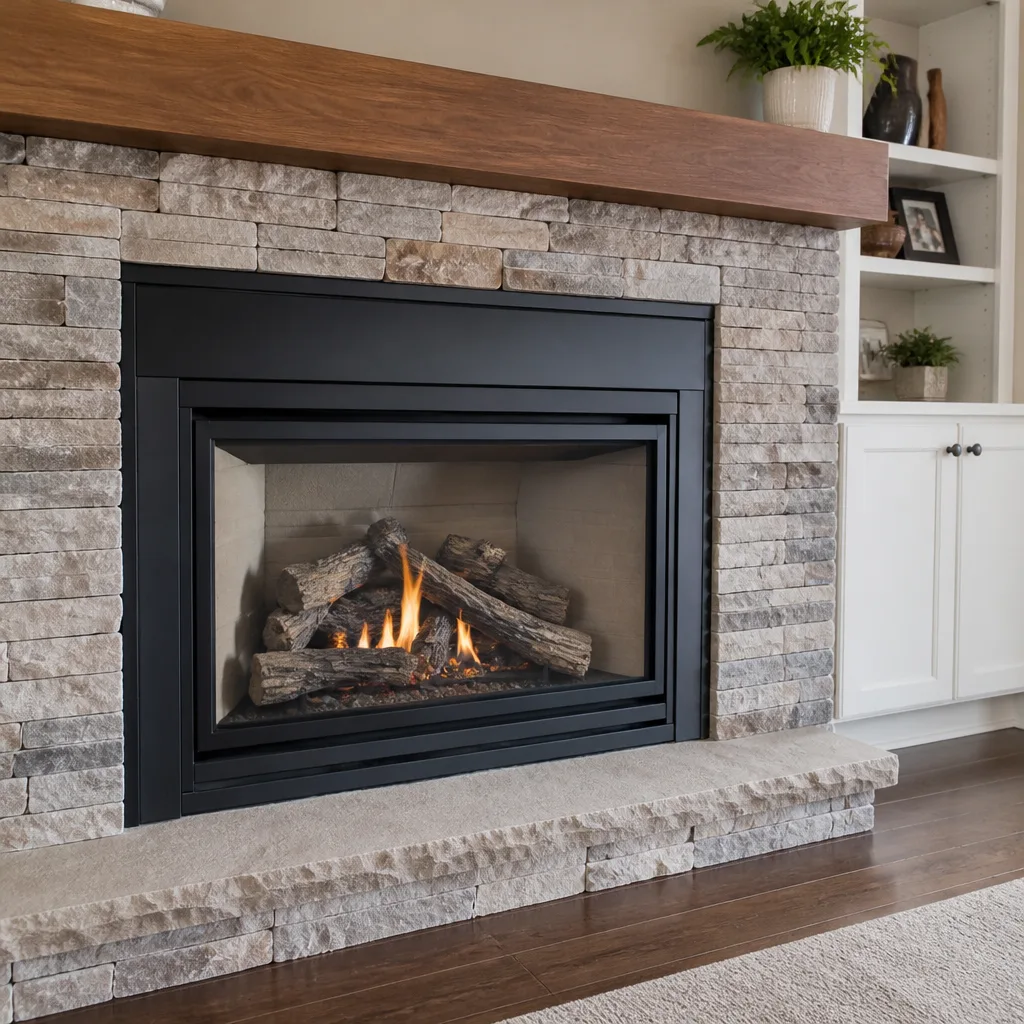 Gas fireplace service
Level 1 sweep and inspection to the NFPA 211 annual standard - flue, crown, cap, and flashing checked and photographed
Chimney sweep logs do not sweep chimneys. They loosen some creosote - which then falls where a brush and vacuum still have to collect it.
Choosing the Right Chimney Cleaning Brand: A Buyer’s Guide for Clearwater
Most Clearwater homeowners assume a recognizable national name on the truck means a safer chimney. The opposite is often true. The technician who shows up is a local hire no matter whose logo is on the invoice, and some of the biggest names in this trade sweep only – then hand you a list of problems and a referral to a mason you’ll have to find and vet yourself. What you’re really buying is capability, not branding. This guide shows you how to judge the difference: who can diagnose, who can repair, who pulls permits in Pinellas County, and how to verify credentials before anyone climbs on your roof.
Quick Answer
The right chimney cleaning company in Clearwater is the one that can sweep, inspect, and act on what it finds – relining, resurfacing, cap replacement, firebox work – without sending you to a second contractor. National franchise names signal marketing consistency, not technician quality or repair capability. Verify certification through the CSIA and NFI, check Pinellas County permit records for structural work, and ask directly whether repairs happen in-house or get subcontracted. Capability and accountability travel together.
Styles & brands we work with
- Sweep & inspection
- Caps & crowns
- Flue relining
- Masonry repair
- Gas fireplace service
Table of Contents
- The Capability Question
- What National Franchise Standardization Actually Delivers
- Verifying Local Reputation Beyond Google Reviews
- How to Verify Chimney Credentials
- Why One Contractor for Sweep, Inspection, and Repair Matters
- Questions to Ask Before You Book a Sweep
- Common Mistakes to Avoid
- When to Call a Professional
The Capability Question: Who Actually Does the Work?
Ask one question before anything else: if you find a cracked flue tile or a rusted liner, who fixes it? A sweep-only company diagnoses and refers. A full-capability company diagnoses and repairs. That single difference shapes your cost, your timeline, and who answers when something goes wrong.
Here’s what happens on a sweep-only job. The technician inspects, photographs the flue, notes the damage, and leaves. You now own the problem and the project management. You call around for a mason, get three quotes, schedule a second visit, and hope the two contractors agree on the diagnosis. If the repair fails later, each one points at the other. Nobody owns the whole outcome.
We’ve seen this play out repeatedly in Clearwater, where the chimney market is thin and the companies that sweep far outnumber the ones that repair. A full-capability provider changes the arithmetic:
- One diagnosis, one quote. The person who found the problem prices the fix.
- No referral gap. Liner replacement, flue resurfacing, cap and crown work, and firebox repair happen without a handoff.
- Continuous records. The same company holds your sweep history and repair history, which matters for future inspections and resale.
- Accountability. If the work is wrong, there’s one number to call.
Charter Chimney Sweep is built around that model. Our chimney sweep visits include a real inspection, and when we find deterioration we can act on it with DuraFlex relining systems or HeatShield flue resurfacing rather than handing you a business card. That’s the test to run on any company you consider in Clearwater: not “can you sweep it” but “can you fix what you find.”
What National Franchise Standardization Actually Delivers
A national franchise delivers a consistent brand, a standardized pricing model, and polished marketing. It does not deliver consistent technicians. Franchise locations are independently owned, and quality varies with the local operator – sometimes widely within the same metro. The logo on the truck tells you almost nothing about the person holding the brush.
That doesn’t make franchises bad. It means the brand is not a shortcut for due diligence. When you hire a franchise, you’re still hiring a specific local business wearing a national name. Judge it the same way you’d judge an independent: by certification, permit history, repair capability, and the honesty of the written report.
What franchises often do well is standardizing the process – the inspection checklist, the customer paperwork, the price sheet. What they often don’t do is keep full repair capability in-house. Many franchise owners run a sweep business and subcontract or decline structural work, because masonry and relining require different crews, materials, and liability. So you get a professional cleaning and a referral for the repair.
In a market like Clearwater, that model has a specific cost. Sweep-only providers leave a gap between what’s found and what’s fixed, and in a region where homes run wood-burning fireplaces, gas inserts, and dryers alongside each other, gaps add up. We use industry-standard parts from DuraFlex and Olympia Chimney and resurface flues with HeatShield because those materials let us close the gap – repair what the sweep reveals, under one roof, without a second scheduling cycle. The point isn’t that franchises are wrong. It’s that the brand name answers the wrong question. Ask what the local operator can fix, not what the parent company advertises.
Verifying Local Reputation Beyond Google Reviews
Google reviews tell you how a company treats the easy part of the job – showing up, being polite, cleaning up. They tell you little about structural repair quality, because most homeowners can’t evaluate a liner install or a crown repair after the fact. To judge that, look at permit records.
Pinellas County keeps public permit records for structural and mechanical work, and chimney relining, masonry repair, and certain venting changes generally require permitting. A company that pulls permits on structural work is a company operating by the book, with inspections on record. A company that avoids permits on work that requires them is a company taking shortcuts you can’t see.
Here’s how to use permit records as a reputation filter:
- Ask the company directly whether they pull permits for relining and masonry repair in Pinellas County.
- Look up the contractor in the county’s public permit search and check for recent, completed structural work.
- Note the pattern. A history of permitted, inspected jobs is stronger evidence than any star rating.
- Cross-check the report. A company that documents its work – photos, written findings – tends to permit its work too.
Combine that with the review record and you get a fuller picture. Reviews flag communication and punctuality problems. Permits flag craftsmanship and compliance. Together they tell you far more than either alone, and they’re both things you can check before you book anyone in Clearwater.
How to Verify Chimney Credentials
Two certifications matter in this trade, and both can be verified independently. The Chimney Safety Institute of America (CSIA) certifies sweeps, and the National Fireplace Institute (NFI) certifies specialists in wood, gas, and pellet systems. Ask for the technician’s name and certification, then look it up through the certifying body’s public directory. Don’t take a logo on a brochure as proof.
The renewal requirements are what give these certifications their value. CSIA certification requires continuing education and periodic re-examination to stay current, which means a certified sweep stays current on codes and safety practices rather than relying on training from years ago. NFI certification follows a similar model, with specialty-specific exams and renewal. A current certification is evidence of ongoing competence, not a one-time badge.
What to confirm:
- CSIA certification for the technician doing the sweep and inspection.
- NFI certification for gas, wood, or pellet appliance work, matched to your system type.
- Current status – check the directory, note the expiration, confirm it’s active.
- Liability insurance – ask for proof before any roof or flue work begins.
Certification also maps to materials and method. A CSIA-certified technician knows why a liner must be sized to the appliance, why clearances matter, and why a cap has to be installed to spec. That’s what Charter Chimney Sweep means by the Charter standard: documented, by-the-book work, not shortcut patch jobs. Our technicians have up to 15 years of experience, and we hold the certifications that let us diagnose and repair to code. Ask the same of anyone you hire in Clearwater.
Why One Contractor for Sweep, Inspection, and Repair Matters
A single relationship across sweep, inspection, and repair reduces diagnostic gaps. The person who cleans your flue also inspects it, also prices the repair, and also performs it. Nothing gets lost between contractors, and nobody can blame the other crew when something fails. That continuity is worth more than a slightly lower bid from a sweep-only outfit.
In our experience, the biggest hidden cost of splitting the work isn’t money – it’s the delay. A sweep finds a deteriorated flue in October, the homeowner spends weeks finding a mason, the mason’s schedule pushes into the heating season, and the fireplace sits unused or gets used anyway because the family needs the heat. A single contractor collapses that timeline. The diagnosis and the repair price arrive together, and the fix gets scheduled while the finding is fresh.
There’s also the record. A continuous service history – sweep dates, inspection findings, repairs made, materials used – is genuinely useful. It tells the next technician what’s been done, and it tells a future buyer what condition the chimney is in. When you work with one company, that record stays coherent. When you work with three, it fragments.
Full capability also means the range of fixes stays open. A flue with a deteriorated interior doesn’t automatically need a full liner replacement; HeatShield resurfacing can restore the flue interior in some cases and avoid the cost and disruption of a full reline. A sweep-only provider can’t offer that option – they can only refer. A full-capability provider can compare the choices: resurface, reline with a DuraFlex system, or replace components with correctly sourced parts from Gelco or Olympia Chimney. Having the options in one place is how you get the right fix instead of the only fix available.
Questions to Ask Before You Book a Sweep
The right questions separate capability from marketing in a few minutes on the phone. Ask them plainly and listen for specific answers. A company that can do the work will answer directly; one that can’t will hedge toward “we’ll refer you.”
- “Do you perform relining and masonry repair in-house, or do you subcontract?” Listen for “we do” versus “we refer.”
- “Will the technician be CSIA-certified, and can I check the listing?” A yes comes with a name and a directory.
- “Do you pull permits for structural work in Pinellas County?” The answer should be an unqualified yes.
- “Will I get a written report with photos of what you find?” Documentation is the difference between a diagnosis and a guess.
- “What material brands do you install?” Professional-grade names like DuraFlex, HeatShield, Gelco, and Olympia Chimney signal trade-standard sourcing.
- “Can you also clean the dryer vent?” A company with venting scope can address a second fire risk in the same visit.
Ask these before booking, not after. A five-minute call tells you whether the company can handle what it finds – the single factor that most determines whether your chimney project goes smoothly in Clearwater.
Common Mistakes to Avoid
- Hiring on brand name alone. A national logo doesn’t guarantee a skilled local technician or repair capability. Verify certification and in-house scope before anything else.
- Accepting a sweep without an inspection. A cleaning with no documented findings leaves you blind to liner and flue problems. Insist on a written report with photos.
- Assuming the sweeper can fix what they find. Many can only diagnose and refer. Confirm repair and relining capability up front, or you’ll manage the project yourself.
- Skipping the permit check. Structural chimney work in Pinellas County generally requires a permit. A company that avoids permits is a company taking shortcuts you can’t see.
- Letting a failing liner wait through heating season. Mild Clearwater winters still mean regular fireplace use. Deferred repairs on a compromised flue raise fire risk for as long as the fireplace stays in service.
- Forgetting the dryer vent. A dryer vent left uncleaned is a fire waiting for a date, and most chimney-only companies ignore it. Ask for dryer vent cleaning alongside the chimney work.
- Choosing the lowest bid for structural work. The cheapest reline or resurface often means undersized materials, skipped permits, or a short-lived patch. Price the fix against the risk it removes.
When to Call a Professional
Some signs mean book a sweep; others mean stop using the fireplace and call now. Call when you smell a strong creosote odor, when smoke backs into the room, when you see cracked or missing flue tiles, when a cap or crown is damaged, or when a gas appliance shows sooting or draft problems. Schedule a sweep if you burn wood regularly and haven’t had the flue cleaned in a season of use, or if you’ve just bought a Clearwater home and don’t know the chimney’s history.
Don’t open a flue or inspect a liner yourself. The hazards are real and the diagnosis requires equipment and training. This is work for a certified professional, and the safety of your home depends on getting it right.
Charter Chimney Sweep offers free estimates in Clearwater. Call (844) 989-2870. We answer 24/7, and fast dispatch runs 7am to 7pm, Sunday through Friday. Our Clearwater service covers sweeping, repair, relining, and dryer vent cleaning under one relationship, so the diagnosis and the fix come from the same crew.
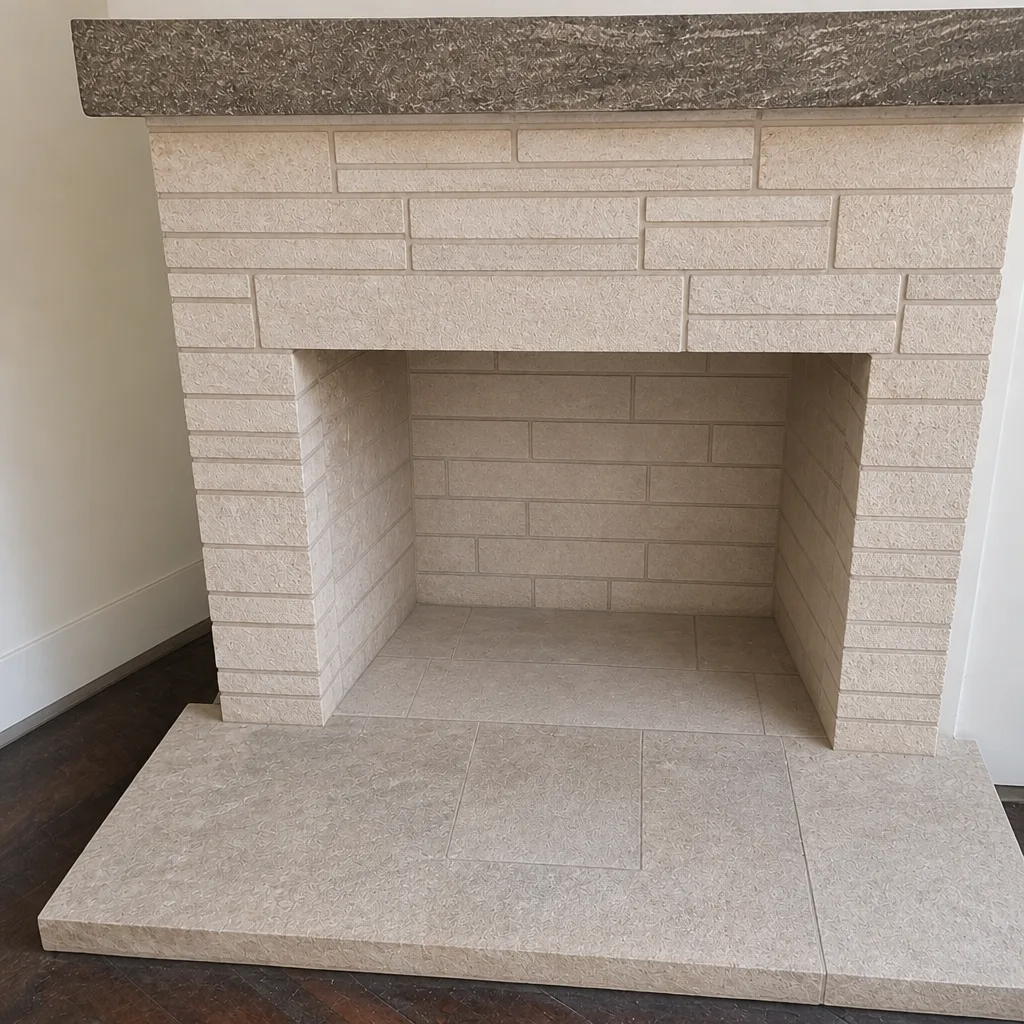
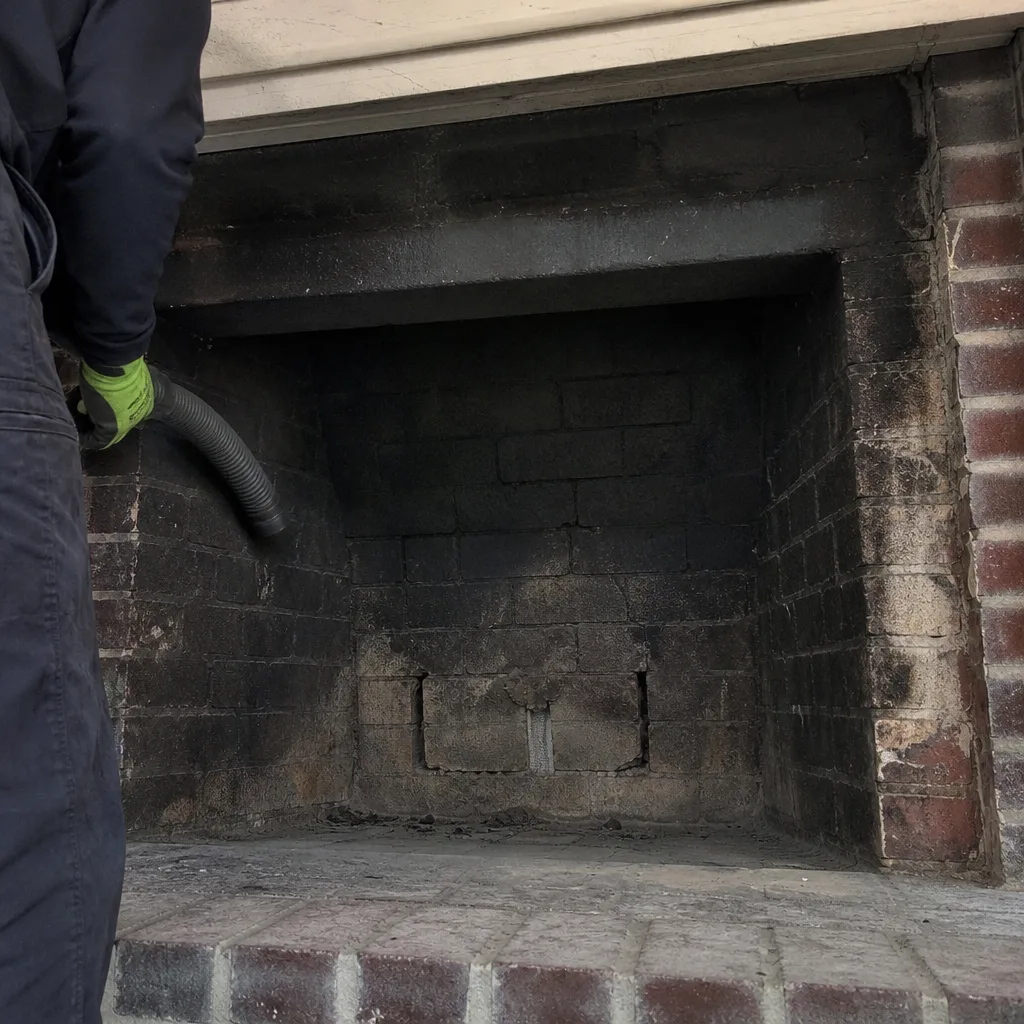
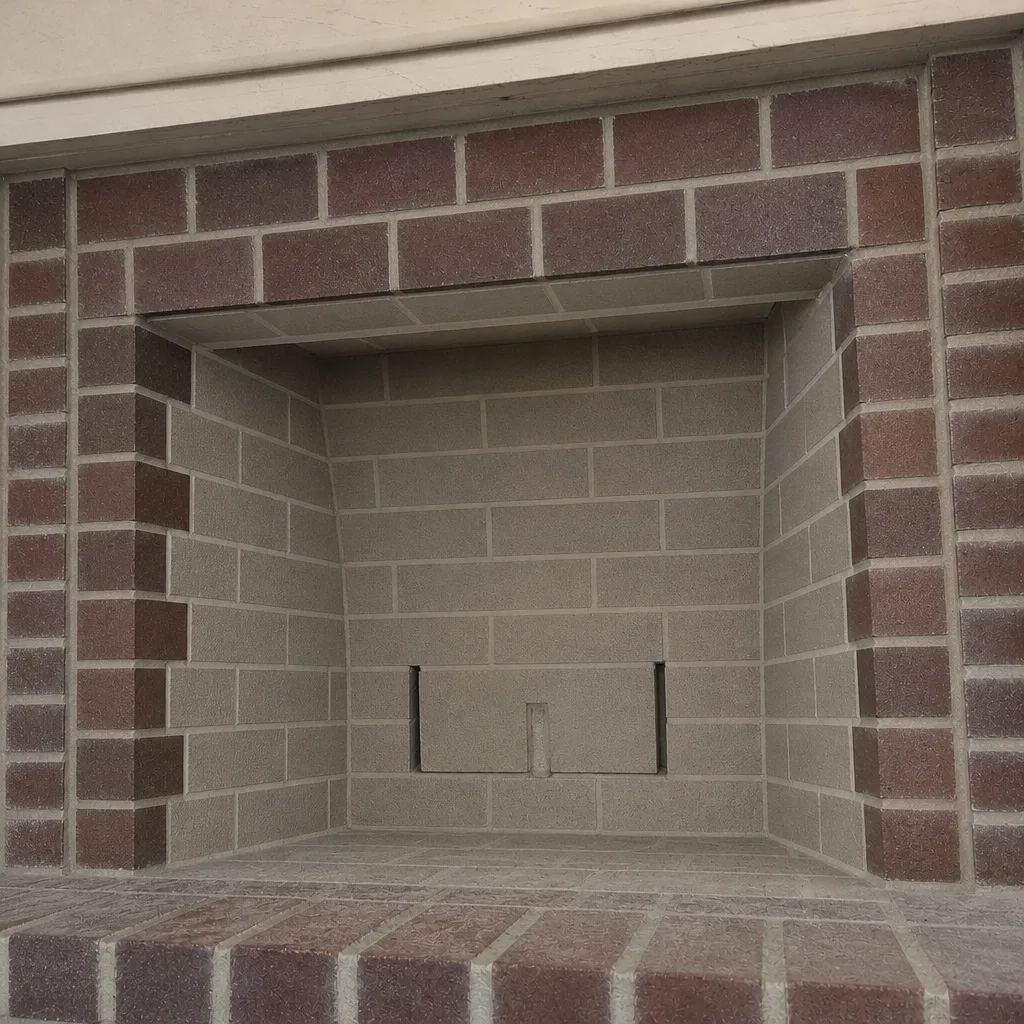
See the difference
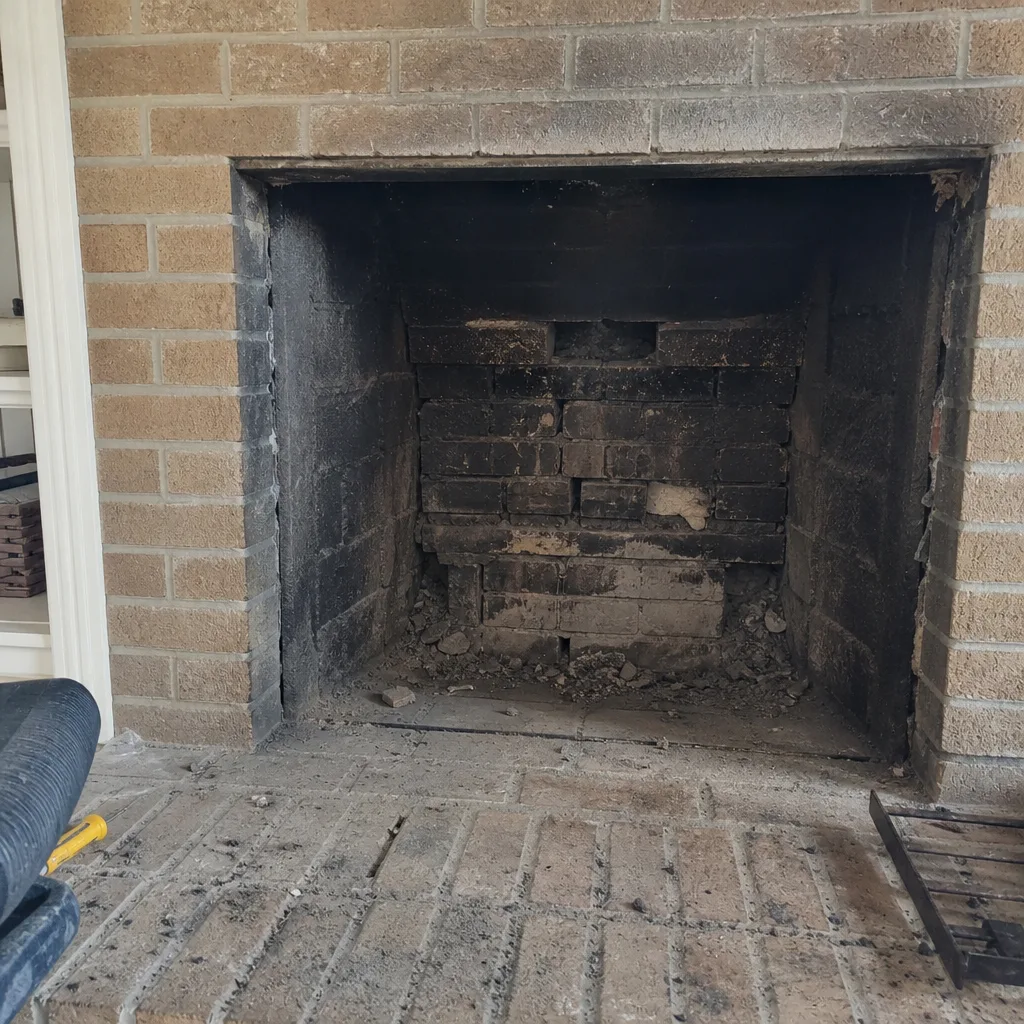 Before
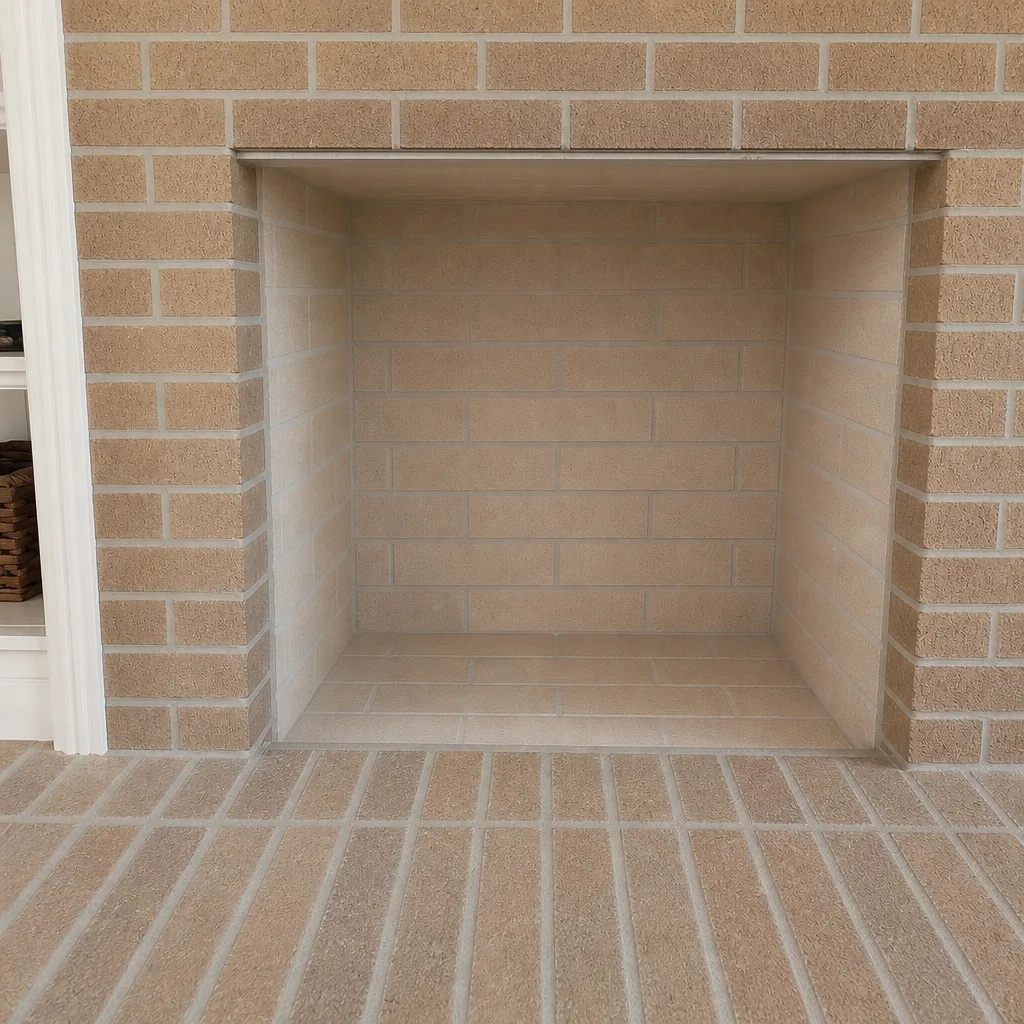 After
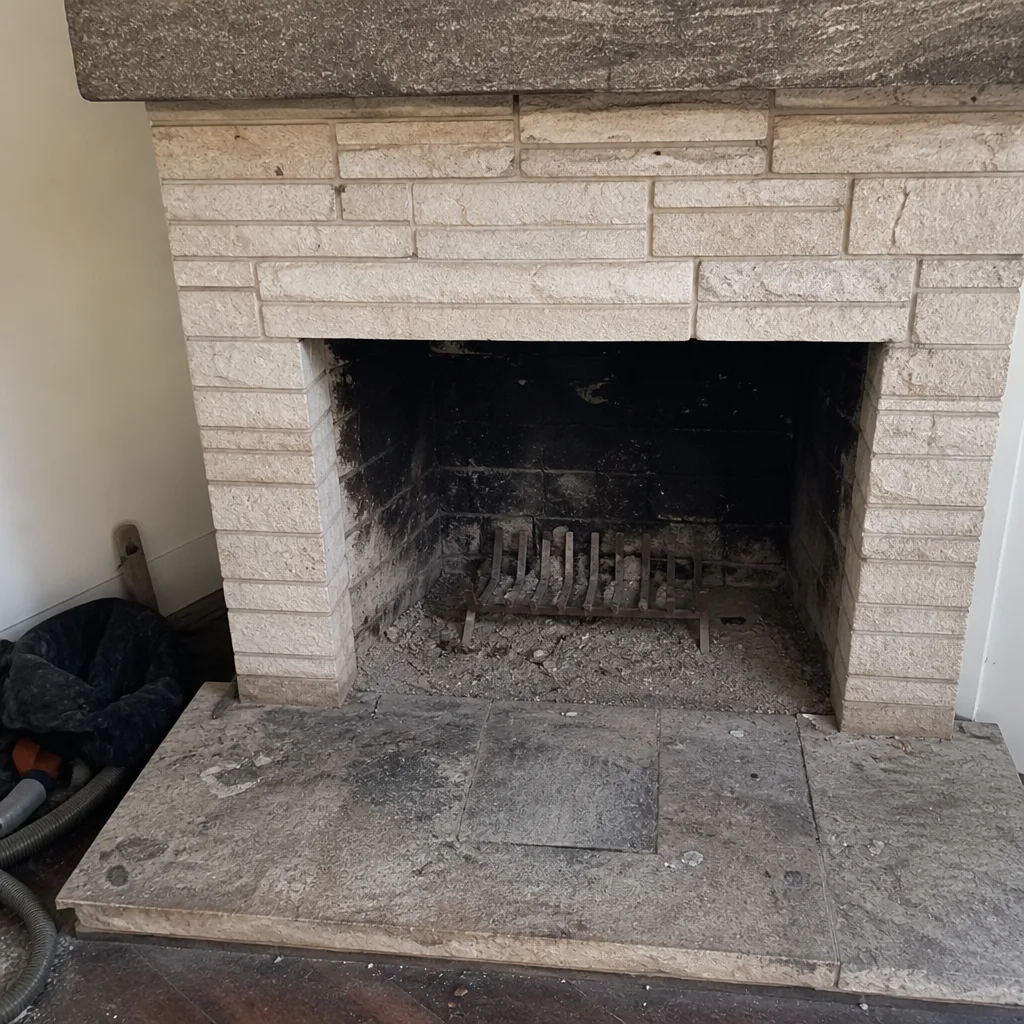 Before
 After
 Before
 After
Frequently Asked Questions
A standard chimney sweep in Clearwater generally runs in the low-to-mid hundreds of dollars, with the written estimate setting the final price. Repair work – relining, resurfacing, cap and crown replacement – is priced separately after inspection. We confirm the scope and price in writing before any work begins, so there are no surprises. Call (844) 989-2870 for an exact quote. Estimates are free.
You need a new liner if the existing one is cracked, rusted, or improperly sized for the appliance – and you don’t if it’s sound. The difference is evidence. We recommend nothing without camera inspection and photo documentation you can see for yourself, and we’ll tell you plainly when a repair can safely wait. If a full reline isn’t necessary, resurfacing or a targeted fix may be the better call. Call (844) 989-2870 to book an inspection. Estimates are free.
Wood-burning chimneys should be swept annually or whenever creosote builds up to a meaningful layer, whichever comes first. Gas and pellet appliances still need annual inspection even though they produce less creosote. In Clearwater, a yearly sweep before the heating season keeps the flue clear and catches liner problems early. Call (844) 989-2870 to schedule. We answer 24/7, with fast dispatch from 7am to 7pm, Sunday through Friday.
Creosote accumulates in the flue and becomes flammable, which raises the risk of a chimney fire, and a blocked or damaged flue can let carbon monoxide back into the home. Neither hazard is visible from the fireplace. Skipping the sweep means operating without knowing whether the flue is clear and sound. That’s a risk no one can see until it matters. Call (844) 989-2870 to get the flue checked. Estimates are free.
Yes, if the company performs dryer vent cleaning alongside chimney work. Many chimney-only companies ignore dryer vents entirely, even though a dryer vent left uncleaned is a fire waiting for a date. Charter Chimney Sweep cleans dryer vents as a standalone service, so one visit can address both. Call (844) 989-2870 to schedule. Estimates are free.
Look for CSIA certification for the sweep and NFI certification for gas, wood, or pellet appliance work, both verifiable through the certifying bodies’ public directories. Current status matters – these certifications require continuing education and periodic renewal to stay active. Ask for the technician’s name, check the listing, and confirm liability insurance before work begins. Call (844) 989-2870 with questions about our credentials. Estimates are free.
The Bottom Line
The brand question in chimney cleaning isn’t franchise versus independent – it’s capability versus referral. The company that can sweep, inspect, and repair what it finds gives you one diagnosis, one quote, one point of accountability, and a continuous service record for the home. The company that sweeps only leaves you managing the fix. Verify certification through the CSIA and NFI, check Pinellas County permit records for structural work, ask whether repairs happen in-house, and demand photo documentation of every finding. In Clearwater’s thin market, those checks tell you far more than any logo. Choose the company that can act on what it finds, and the rest follows.
Written by the team at Charter Chimney Sweep.