
Last updated November 15, 2026
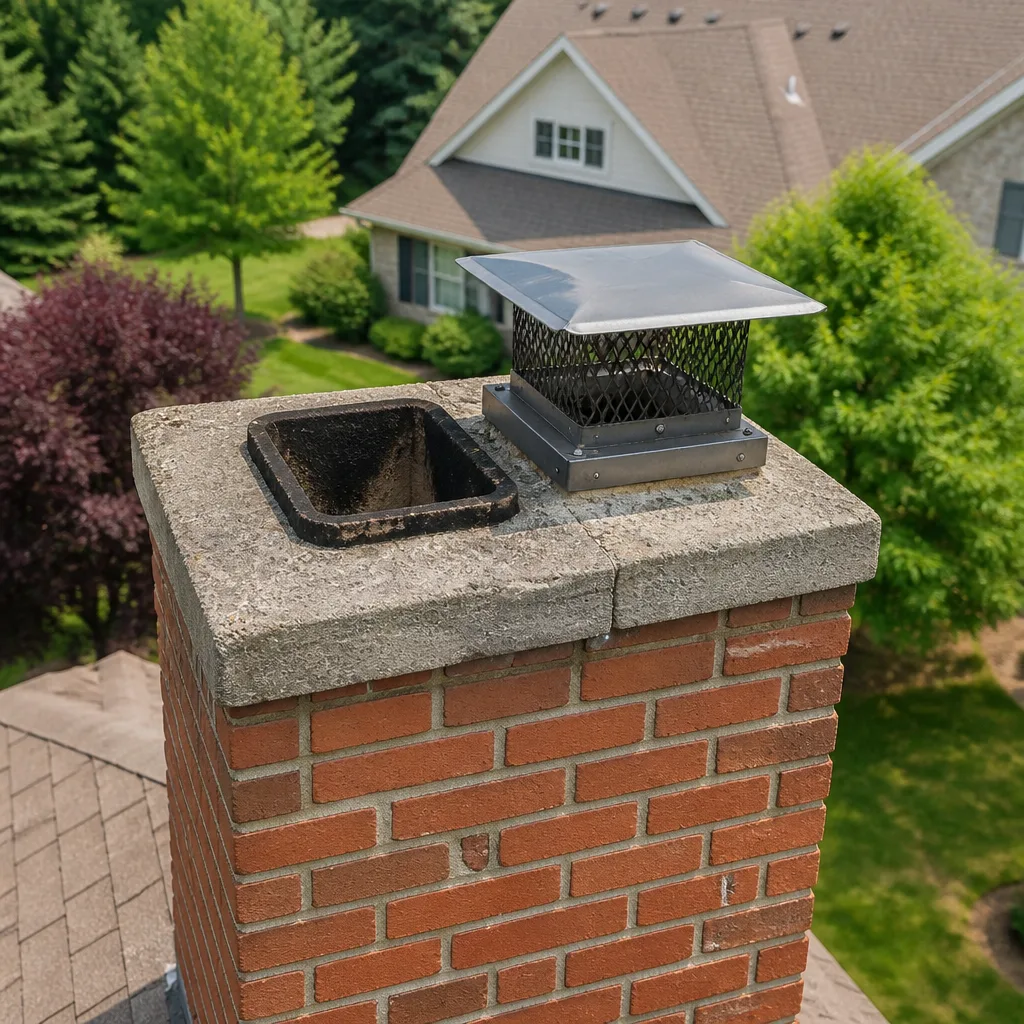 Sweep & inspection
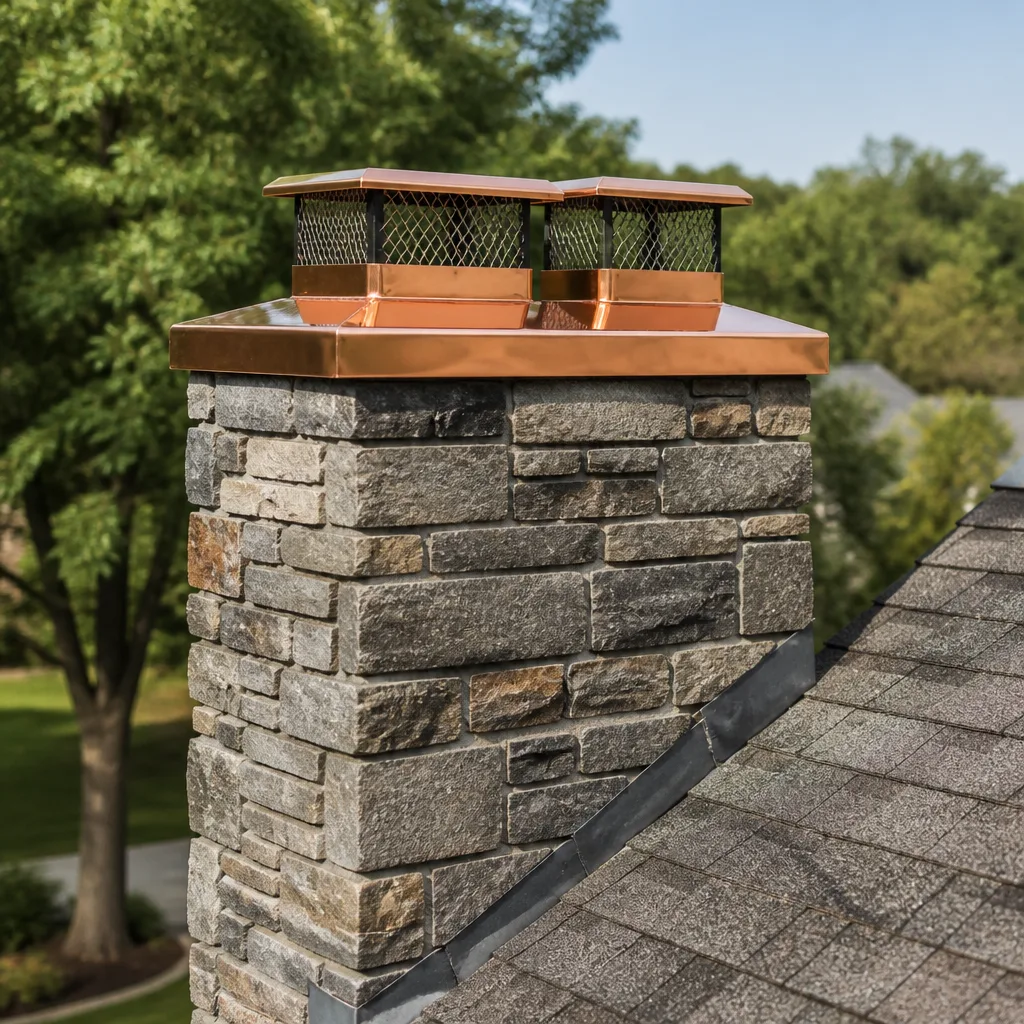 Caps & crowns
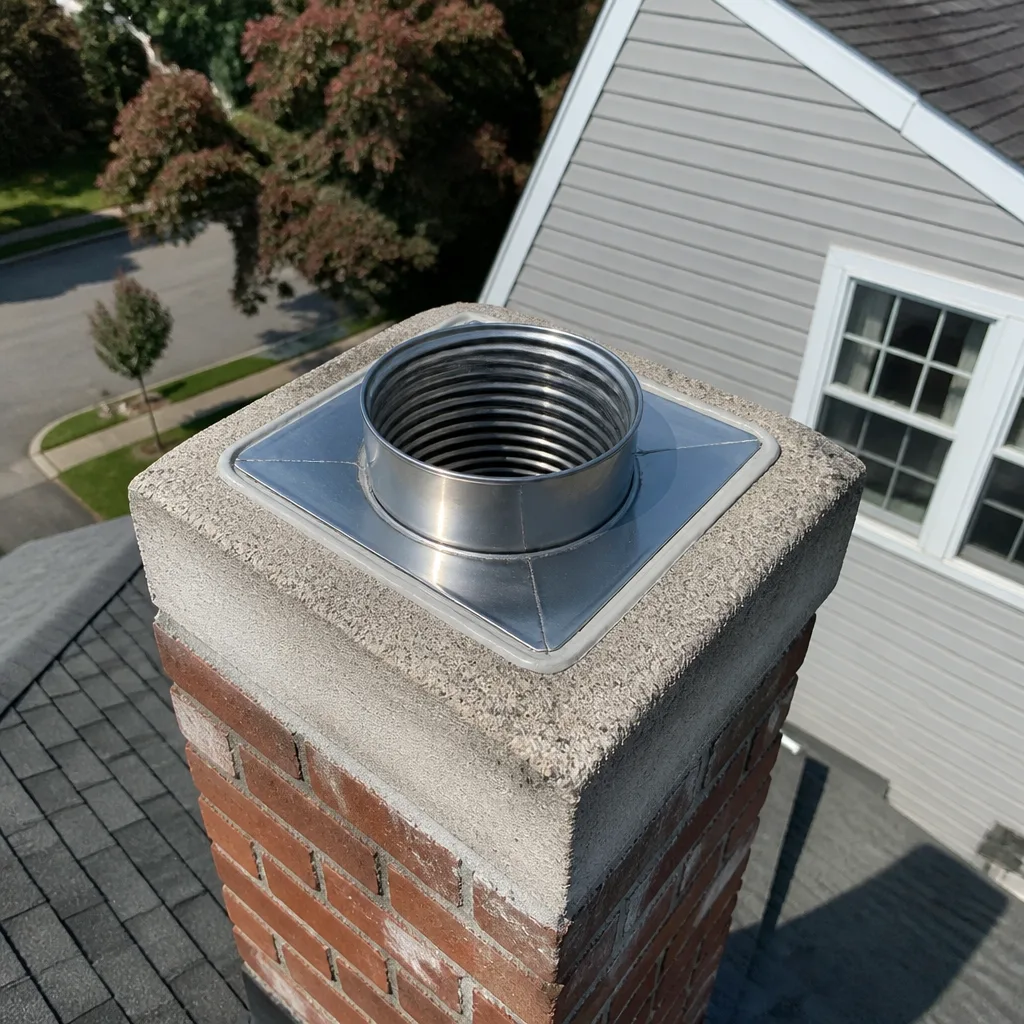 Flue relining
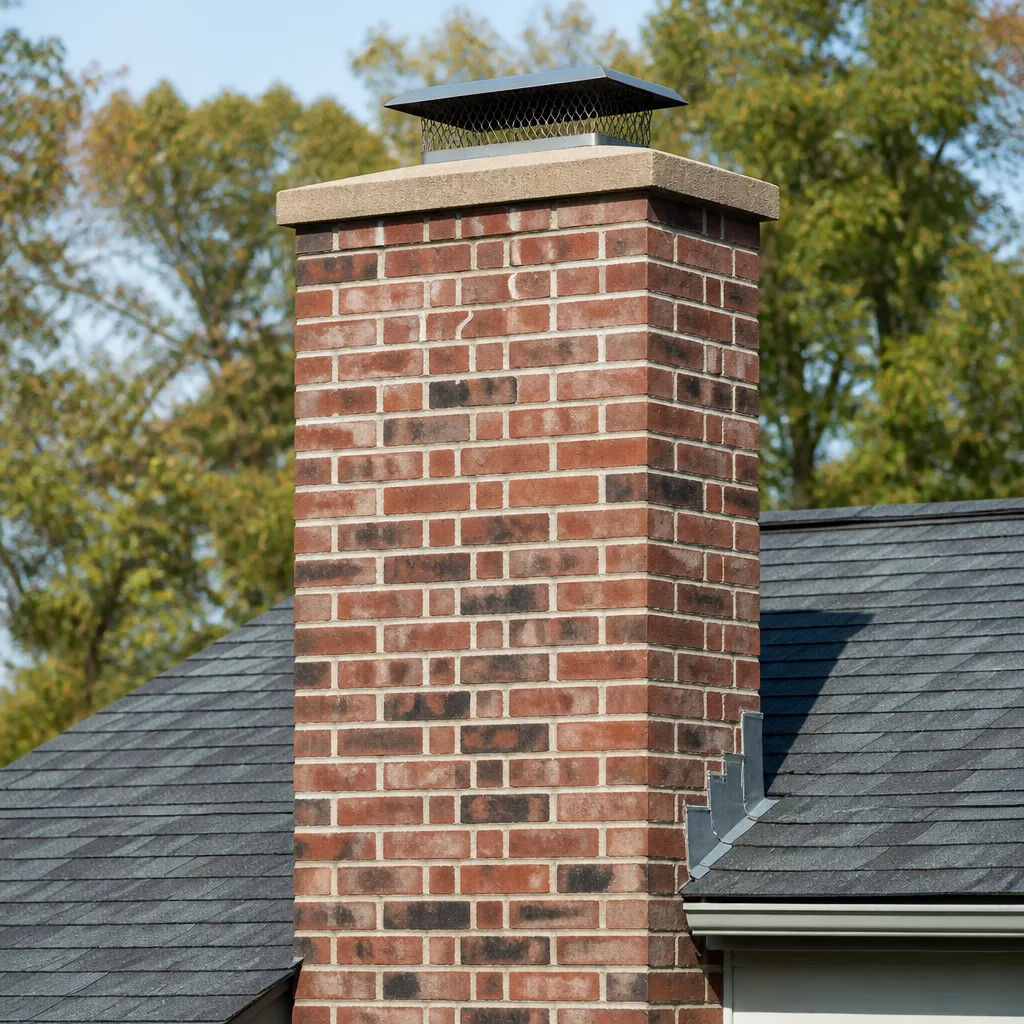 Masonry repair
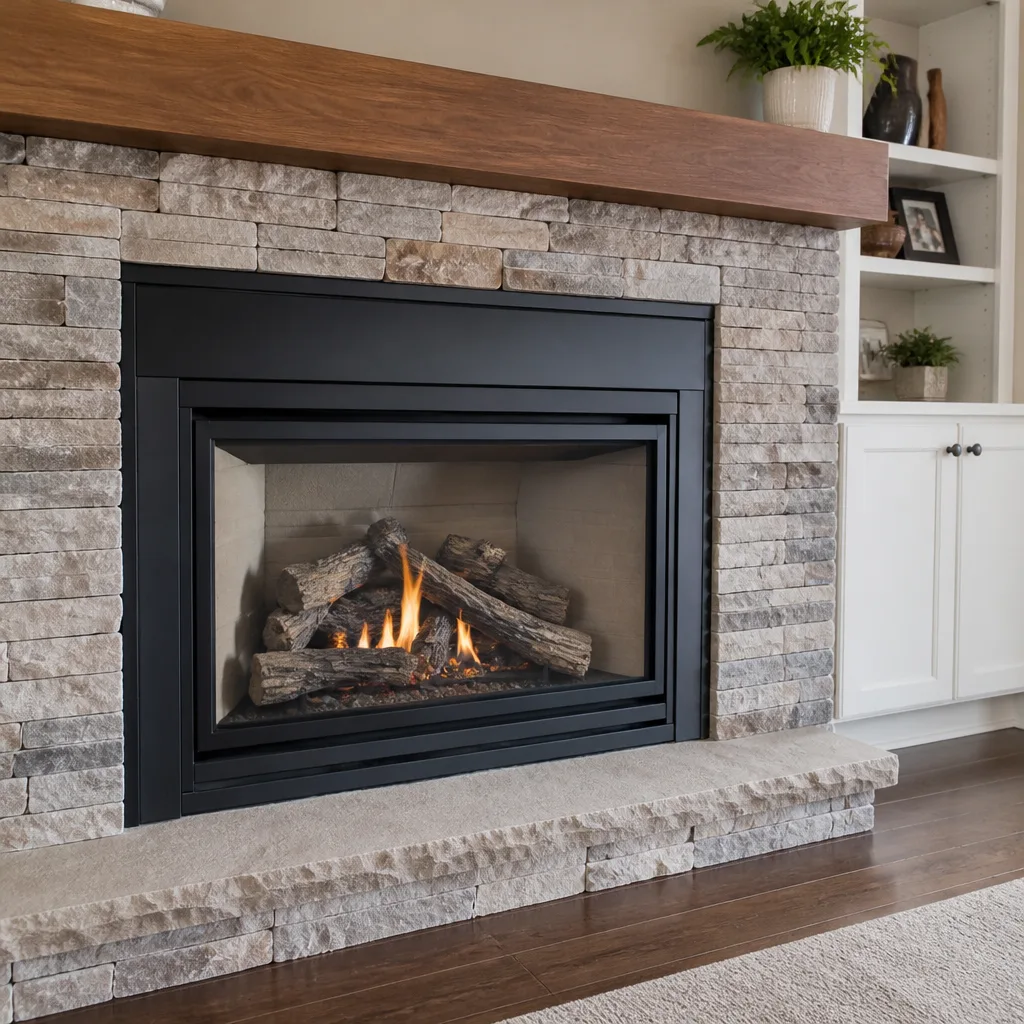 Gas fireplace service
Level 1 sweep and inspection to the NFPA 211 annual standard - flue, crown, cap, and flashing checked and photographed
Chimney sweep logs do not sweep chimneys. They loosen some creosote - which then falls where a brush and vacuum still have to collect it.
How to Hire a Chimney Cleaning Contractor in Clearwater: A Step-by-Step Guide
In Florida, anyone with a brush and a van can legally call themselves a chimney sweep. That’s not an exaggeration. Chimney cleaning carries no state license requirement in Florida, so the title “chimney sweep” is not something a regulator verifies before a contractor puts it on a business card. That single fact reframes the whole hiring decision. You aren’t choosing between licensed and unlicensed the way you would with an electrician or a plumber. You’re choosing between someone who has voluntarily earned national credentials and carries real insurance, and someone who hasn’t. This guide walks you through how to tell the difference in Clearwater, what to ask before you book, and how to read the answers you get.
Quick Answer
To hire a chimney cleaning contractor in Clearwater, verify a national credential like CSIA Certified Chimney Sweep or NFI certification directly on the certifying body’s website, confirm the company carries insurance that covers the full scope of work (not just sweeping), and ask five specific questions about what the visit includes and what happens if they find a problem. Because Florida doesn’t license chimney sweeps at the state level, those checks are the only real filters you have. A contractor who can sweep, diagnose, and repair in one relationship will almost always serve you better than one who cleans and refers everything else out.
Styles & brands we work with
- Sweep & inspection
- Caps & crowns
- Flue relining
- Masonry repair
- Gas fireplace service
Table of Contents
- Why Florida Doesn’t License Chimney Sweeps
- What CSIA and NFI Credentials Actually Verify
- The Five Questions to Ask Before You Book
- What a Proper Sweep and Inspection Should Physically Include
- Why the Lowest Quote Is Usually Scope Reduction
- Red Flags That Signal a Generalist, Not a Specialist
- Can They Handle What They Find?
- How to Verify a Contractor Step by Step
Why Florida Doesn’t License Chimney Sweeps
Florida has no state licensing requirement for chimney cleaning. There’s no statewide exam, no state-issued credential, and no state database you can search to confirm that a person who shows up at your door is qualified to be on your roof or inside your flue. That’s the reality of hiring a chimney contractor in Clearwater, and it’s worth understanding before you make any calls.
This isn’t a loophole that bad actors exploit on purpose; it’s just how the trade is classified. Chimney work sits outside the licensed construction trades in Florida’s regulatory framework, which means the quality control that normally comes from state licensing has to come from somewhere else. In practice, it comes from three places:
- National credentials that a contractor earns voluntarily and that you can verify independently.
- Insurance that meaningfully protects your home if something goes wrong on the roof or in the flue.
- The contractor’s own willingness to document and explain what they found and why it matters.
Those three filters do most of the work a state license would normally do. And they’re all things you can check yourself in a few minutes, which is the point of this guide. For Clearwater homeowners with a fireplace, wood stove, gas appliance, or a clothes dryer that hasn’t had its vent looked at, getting this right matters more than usual. Homes here run their fireplaces less than a northern house would, but when a chimney sits unused for long stretches and then gets fired up, creosote and blockages built up over a season don’t announce themselves.
We’ve seen enough of this market to know that Clearwater’s mix of older bungalows, mid-century ranches, and newer builds each presents different chimney conditions. What doesn’t change is that the person on your roof should be able to prove what they know and what they carry, not just talk about it. When you’re ready to talk to a contractor who operates this way, you can start with us at Charter Chimney Sweep.
What CSIA and NFI Credentials Actually Verify
CSIA Certified Chimney Sweep is a credential issued by the Chimney Safety Institute of America. It verifies that the individual has passed an examination covering chimney and venting systems, codes, and inspection standards, and that they maintain the credential through continuing education and a signed code of ethics. NFI certification, from the National Fireplace Institute, verifies knowledge specific to hearth appliances – wood, gas, and pellet – at a level that goes beyond general sweeping.
Here’s the part most people miss: neither credential is a state license, and neither is issued to a company. They’re held by individuals. That distinction matters when you’re hiring in Clearwater, because a company name on a website doesn’t tell you whether anyone on the crew actually holds the credential. So the right question is “who on your team holds CSIA certification, and can I verify it?”
How to confirm a credential
- Get the person’s name and, if they mention certification, the specific credential.
- Go to the certifying body’s website – the CSIA site for Certified Chimney Sweep, the NFI site for hearth certification.
- Use their public search tool to look the individual up directly. Don’t rely on a badge image on a contractor’s website; those are easy to copy.
- If the person giving you the estimate isn’t the one doing the work, ask who is and confirm their credential the same way.
What these credentials don’t do is guarantee insurance, set pricing, or tell you whether the company can perform the repair they’re recommending. Those are separate checks. What they do verify is baseline technical knowledge, a commitment to standards, and accountability to a body that can revoke the credential. In a state where the government doesn’t check, that’s a meaningful signal. It also tells you the contractor bothered to invest in the trade rather than just buying a brush.
The Five Questions to Ask Before You Book
Before any contractor books a visit to your Clearwater home, ask these five questions. The answers – not the price – are what separate a specialist from a generalist with a brush.
- What does the sweep include? A proper answer covers brushing the flue, cleaning the firebox, checking the damper, examining the cap and crown, and a visual inspection of accessible portions of the system. If the answer is “we brush the chimney,” that’s incomplete.
- What happens if you find a deficiency? The right answer explains how they document it – typically with photographs or camera footage – and what they recommend. The wrong answer is vague or suggests they’ll “take care of it” without telling you what it is.
- Do you perform repairs yourself, or do you subcontract them? This is the biggest distinction in the industry. A company that sweeps but can’t repair or reline is a partial solution; you’ll need a second contractor, a second estimate, and a second interpretation of what’s wrong.
- What does your inspection documentation look like? Ask to see a sample report. You want photographs, a written description of conditions, and clear language about urgency – what needs attention now versus what can wait.
- Are you insured for the full scope of the job? Ask specifically. Insurance that covers a cleaning visit is not the same as insurance that covers someone on your roof, in your attic, or performing a reline.
If a contractor can answer all five crisply, you’re dealing with someone who knows the trade. If they stumble on questions two, three, or five, that’s your signal to keep calling. When you reach out to us at chimney sweep, those are the answers you’ll get, in plain language, before anyone is booked.
What a Proper Sweep and Inspection Should Physically Include
A proper chimney sweep in Clearwater includes more than running a brush up the flue. It includes a documented inspection of the full accessible system: the firebox, the damper, the smoke chamber, the flue itself, the crown, the cap, and the visible exterior. If your home has a gas appliance, it includes checking the venting. If you have a wood stove, it includes the connector pipe and the clearances around it.
Here’s what the physical visit should involve:
- Protection of your interior. Drop cloths or a floor covering, and a shop vacuum with a HEPA filter. A professional sweep contains the dust; they don’t leave it on your furniture.
- Brushing the flue with the correct size and type of brush for the flue’s dimensions and material. Too large a brush can damage a liner; too small and it doesn’t clean.
- Cleaning the firebox and smoke shelf, where creosote and debris collect.
- Checking the damper for operation and fit.
- Inspecting the cap and crown from the roof, looking at the condition of the mortar and whether the cap is correctly sized and secured.
- Camera inspection of the flue interior when conditions warrant. A camera is the difference between a guess and a diagnosis.
- A written report with photographs, findings, and recommendations.
That report is the deliverable that matters most. It’s the record of what the system looked like before anyone touched it, and it’s what a second contractor would need if you ever wanted a second opinion. For Clearwater homeowners, the report should also note anything specific to the home’s construction – a chimney that was later repurposed, a flue that serves a gas appliance, a cap that’s been replaced with a non-standard component. These are the details a generalist skips.
Why the Lowest Quote Is Usually Scope Reduction
The lowest chimney cleaning quote in Clearwater is usually lower because it includes less, not because the company is more efficient. A quote that’s significantly below the rest of the market almost always reflects one of three things: no camera, no written report, or no real inspection at all. Those aren’t savings; they’re costs shifted to you later.
Think about what a proper sweep costs to deliver. It takes time to protect the interior, brush the flue correctly, inspect the accessible system, document the findings, and produce a report. A contractor who skips half of that can quote lower and still be profitable. You’ll get a clean flue and no information about what else is going on – which means the first time you learn about a cracked flue tile or a deteriorated crown is when it becomes a bigger problem.
This is the core reason we recommend comparing quotes on scope, not on price. Ask each contractor what their visit includes and compare the answers line by line. A quote that includes a camera inspection and a written report is worth more than one that doesn’t, even at a higher number, because it tells you what you’re actually dealing with. The written estimate sets the final price on any recommended work; nothing is added without your approval and a clear explanation of why.
The same logic applies to a company that sweeps but doesn’t repair. If the sweep finds a deficiency, a sweep-only contractor refers you out, and you’re back to square one: another search, another verification, another estimate. A company that can sweep, diagnose, and repair in one relationship – the way we do at dryer vent cleaning and chimney work alike – closes that loop.
Red Flags That Signal a Generalist, Not a Specialist
The clearest red flags in a chimney contractor are about how they communicate findings, not how they look or what they charge. A generalist often reveals themselves in the first conversation.
- No camera. A sweep who doesn’t use a camera can only see what’s visible from the firebox and the roof. A camera inspection is how a professional evaluates the interior of the flue – the part you can’t see and the part most likely to fail.
- No written report. If the visit ends with a verbal “you’re all set,” you have no record and no evidence. A written report with photographs is standard.
- No explanation of findings. A specialist tells you what they found and what it means in plain terms. A generalist tells you what needs fixing without connecting the observation to the recommendation.
- Immediate pressure to upsell. Recommendations should follow evidence, not precede it. If you’re told you need a new liner before anyone has looked inside, that’s a sales script, not a diagnosis.
- Unwillingness to name their credentials. A contractor who can’t tell you who on their team holds CSIA or NFI certification, or who gets vague when you ask, is telling you something.
- A one-line quote. Quotes should break down what’s included. A single number with no scope is a quote you can’t compare to anything.
In Clearwater, another common red flag is a contractor who doesn’t ask about your appliance. A specialist wants to know whether you’re burning wood, gas, or pellets, because the venting and inspection differ. If the conversation is about the chimney before it’s about what’s in it, that’s a generalist.
Can They Handle What They Find?
A chimney contractor’s ability to repair what they discover is the difference between a diagnosis and a dead end. Most chimney companies in the Clearwater market clean and refer. That works until the sweep finds a deteriorated flue interior or a failed crown, and you discover the company that just inspected your chimney can’t fix it. A sweep-only provider is a partial solution at best.
Ask specifically: do you perform relining in-house, or do you subcontract? Do you resurface flue interiors, or only replace? What materials do you work with, and are they professional-grade? A contractor who can name the specific products they install – and explain why – knows their trade. We stock and install professional-grade materials from recognized suppliers like DuraFlex liner systems and HeatShield flue resurfacing, alongside components from Olympia Chimney and Famco. Those names matter because they’re the same brands commercial restoration contractors use, and the materials are specified by the manufacturer for the application.
The repair path matters too. A full reline is sometimes the right answer, and sometimes it’s not. HeatShield resurfacing is a specialist method for deteriorated flue interiors that avoids the cost and disruption of a full liner replacement when conditions allow. A contractor who only offers relining will recommend relining; a contractor who can evaluate both will tell you which one your chimney actually needs. That’s the distinction between a company that sells a service and one that diagnoses a system.
When the sweep is complete and the findings are documented, you should be able to look at the photographs yourself and see what the contractor saw. If a recommendation comes without evidence you can inspect, ask for it. When you call Clearwater, we’ll show you the evidence and tell you plainly when work can wait.
How to Verify a Contractor Step by Step
Verification is a short, mechanical process once you know what to check. Here’s the sequence we walk Clearwater homeowners through when they’re deciding who to hire.
- Confirm the credential. Ask for the name of the individual holding CSIA or NFI certification, then look that name up on the certifying body’s website. Don’t accept a badge image as proof.
- Ask about insurance for the full scope. Confirm the policy covers the work being performed – sweeping, inspection, repair, relining. Ask for a certificate of insurance if you want it in writing.
- Ask the five booking questions. Scope of the sweep, what happens when a deficiency is found, in-house versus subcontract, documentation format, and insurance. Compare the answers across two or three contractors.
- Request a sample report. A contractor who documents their work will be happy to show you what a report looks like.
- Confirm what materials they work with. Professional-grade parts from recognized suppliers tell you the contractor takes the repair side seriously.
- Get the scope in writing before booking. The written estimate sets the final price, and nothing should be added without your approval.
That’s the whole process. It takes maybe twenty minutes across two or three contractors, and it tells you more than any review or badge on a website. If you want to start with us, call (844) 989-2870. We answer 24/7, and fast dispatch from 7am to 7pm, Sunday through Friday, means a visit can be booked around your schedule. Estimates are free.
Common Mistakes to Avoid
- Choosing on price alone. The lowest quote in Clearwater is usually lower because it includes less – no camera, no report, no real inspection. Compare scope, not just the number.
- Assuming a state license exists. Florida doesn’t license chimney sweeps, so a “licensed and insured” claim should prompt you to ask which license and what the insurance covers. The answer is often “insured, not licensed.”
- Hiring a sweep-only company for a repair problem. If the sweep finds a deficiency and the company can’t repair it, you’ll need a second contractor and a second interpretation. Ask about in-house repair capability before booking.
- Accepting a verbal report. A visit that ends with “you’re all set” leaves you with no record. Ask for photographs and a written summary of what was found.
- Letting a recommendation go unquestioned. A reline or major repair should come with evidence you can see. If you can’t inspect the findings, ask for the photographs or footage.
- Ignoring the dryer vent. A dryer vent left uncleaned is a fire waiting for a date, and most chimney-only companies don’t offer it. If you’re already having the chimney looked at, have the vent evaluated in the same visit.
- Forgetting seasonal timing. In Clearwater, the smart time to schedule a sweep is before the burning season starts, not after the first fire. Waiting until you want to use the fireplace usually means waiting for an appointment.
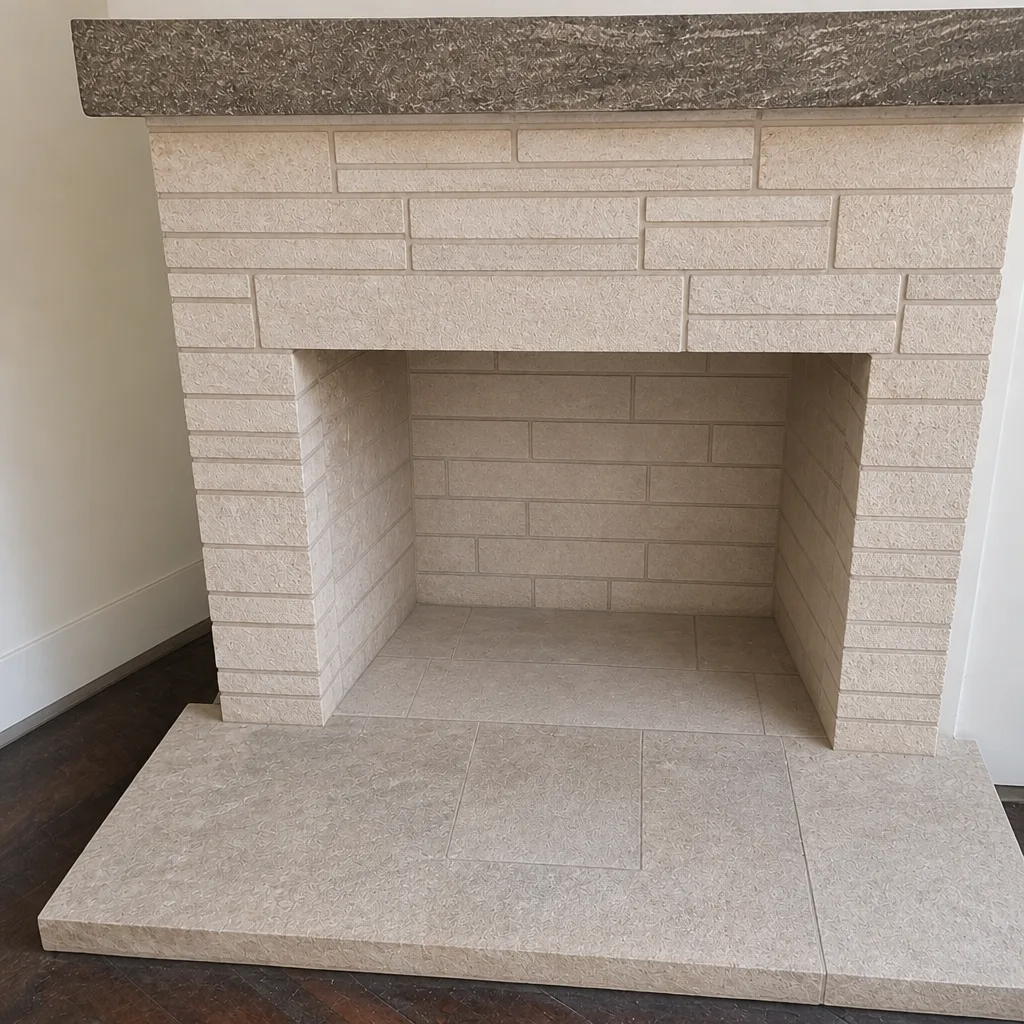
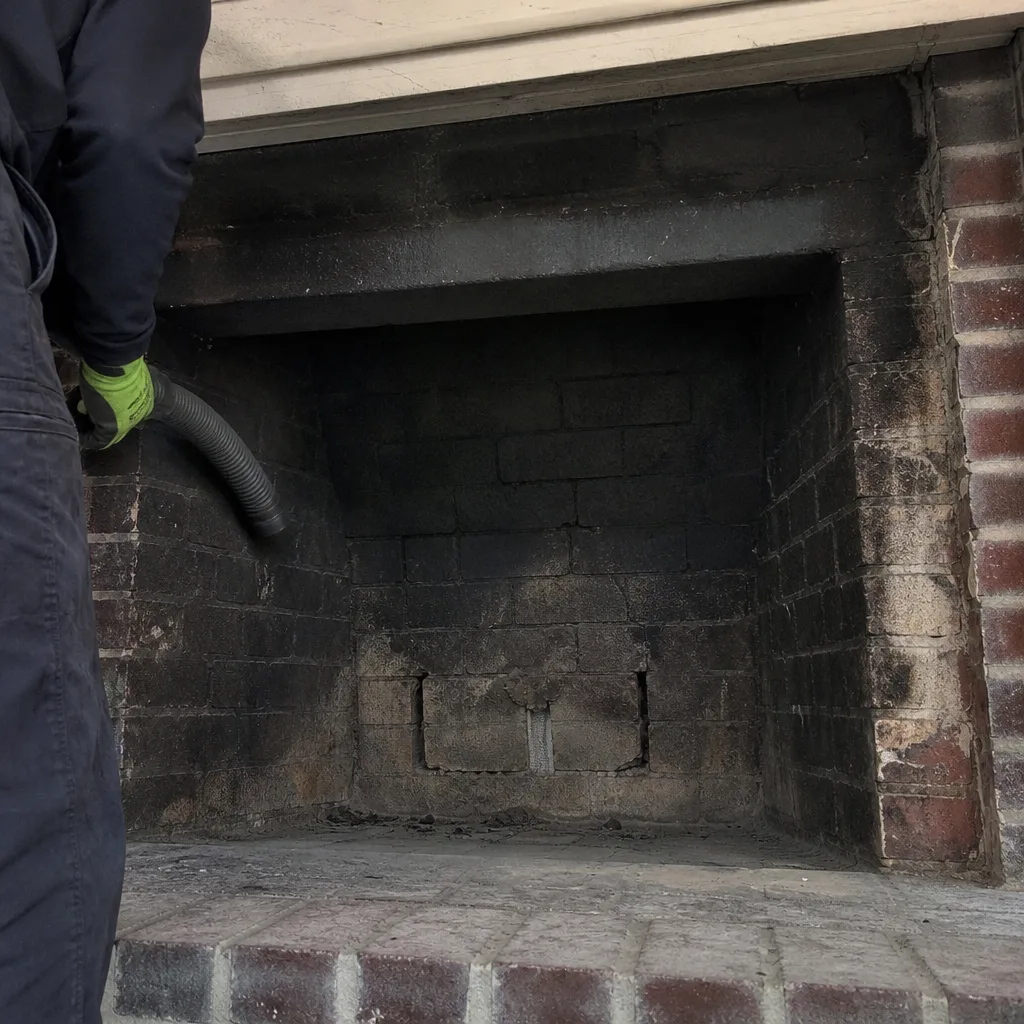
See the difference
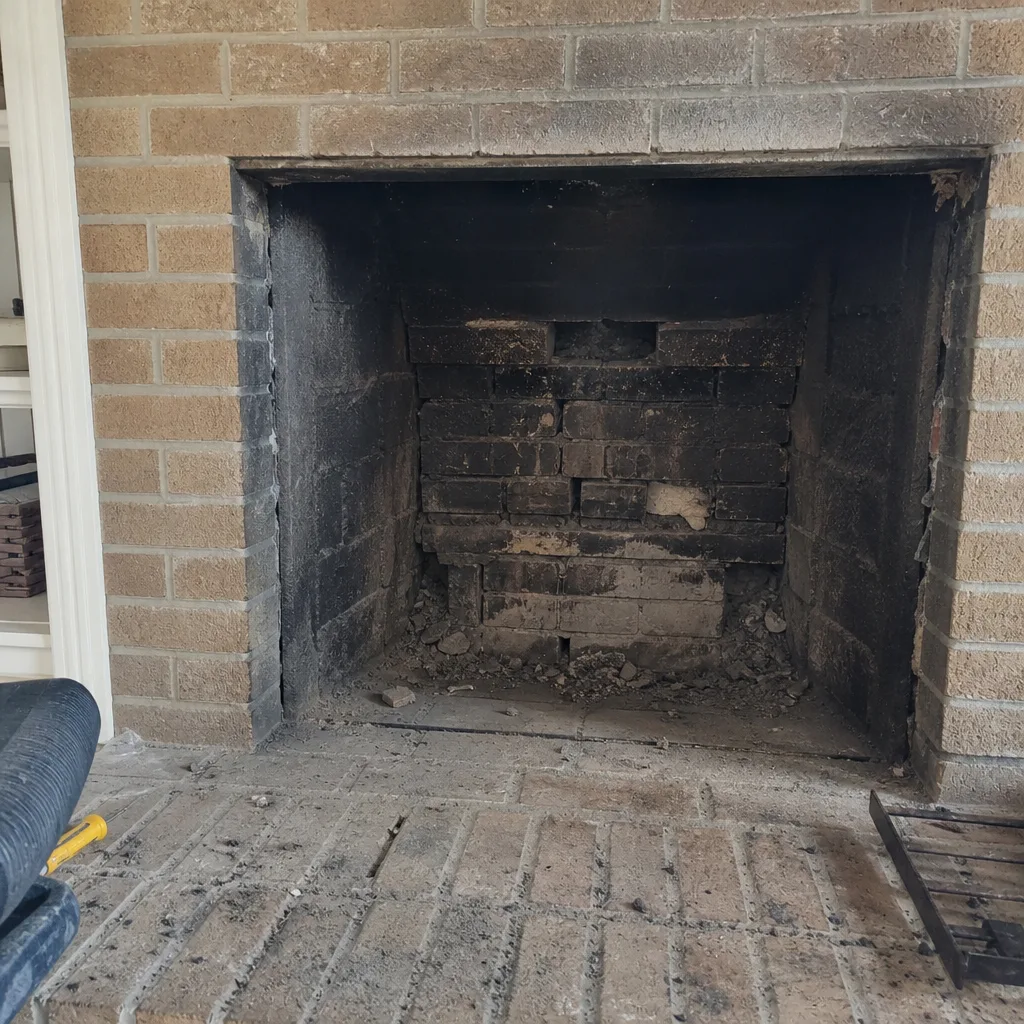 Before
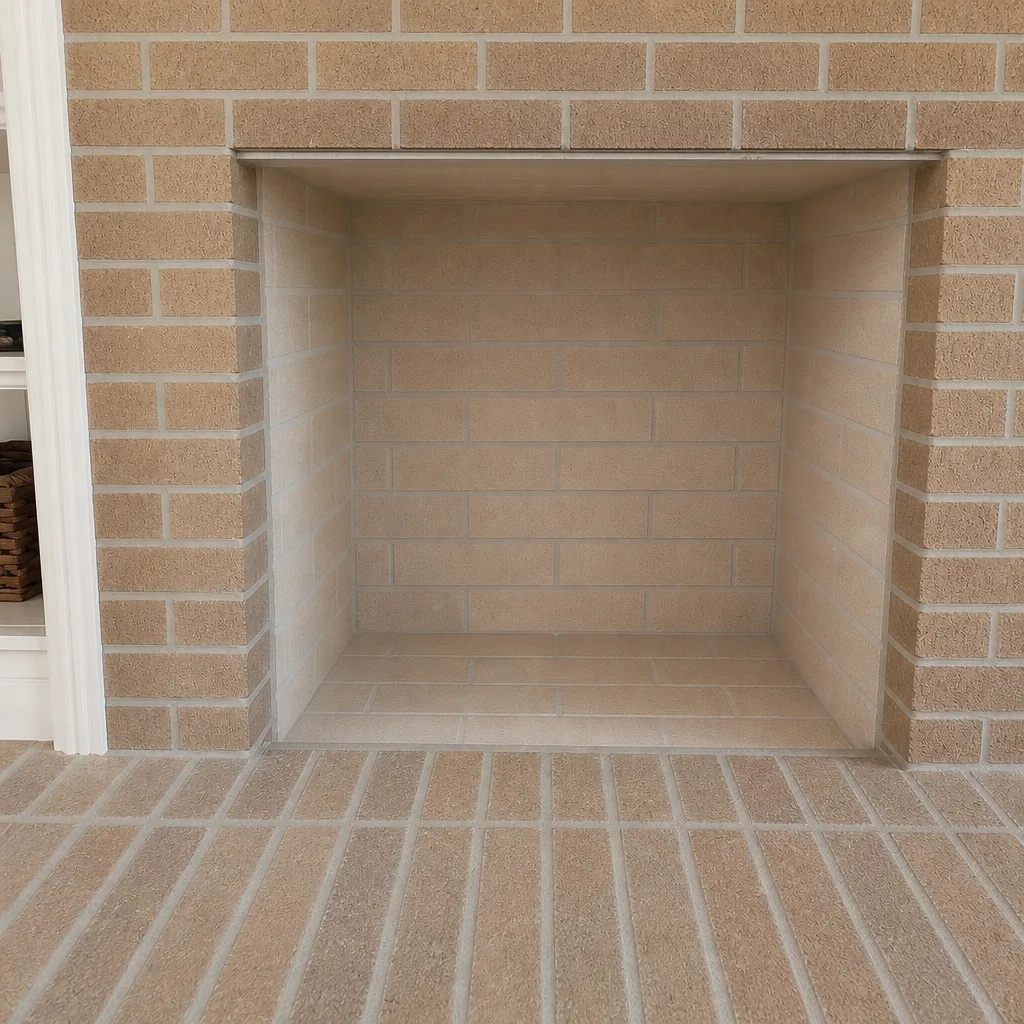 After
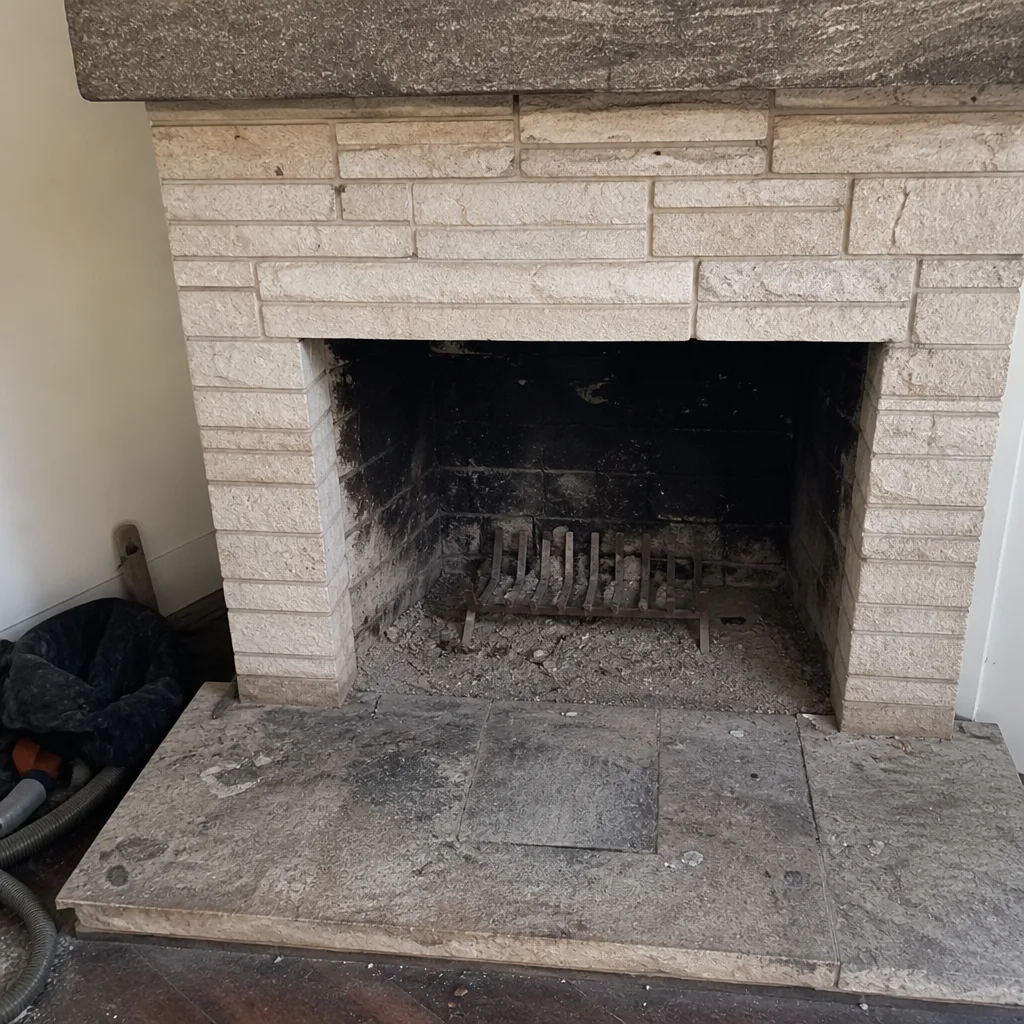 Before
 After
 Before
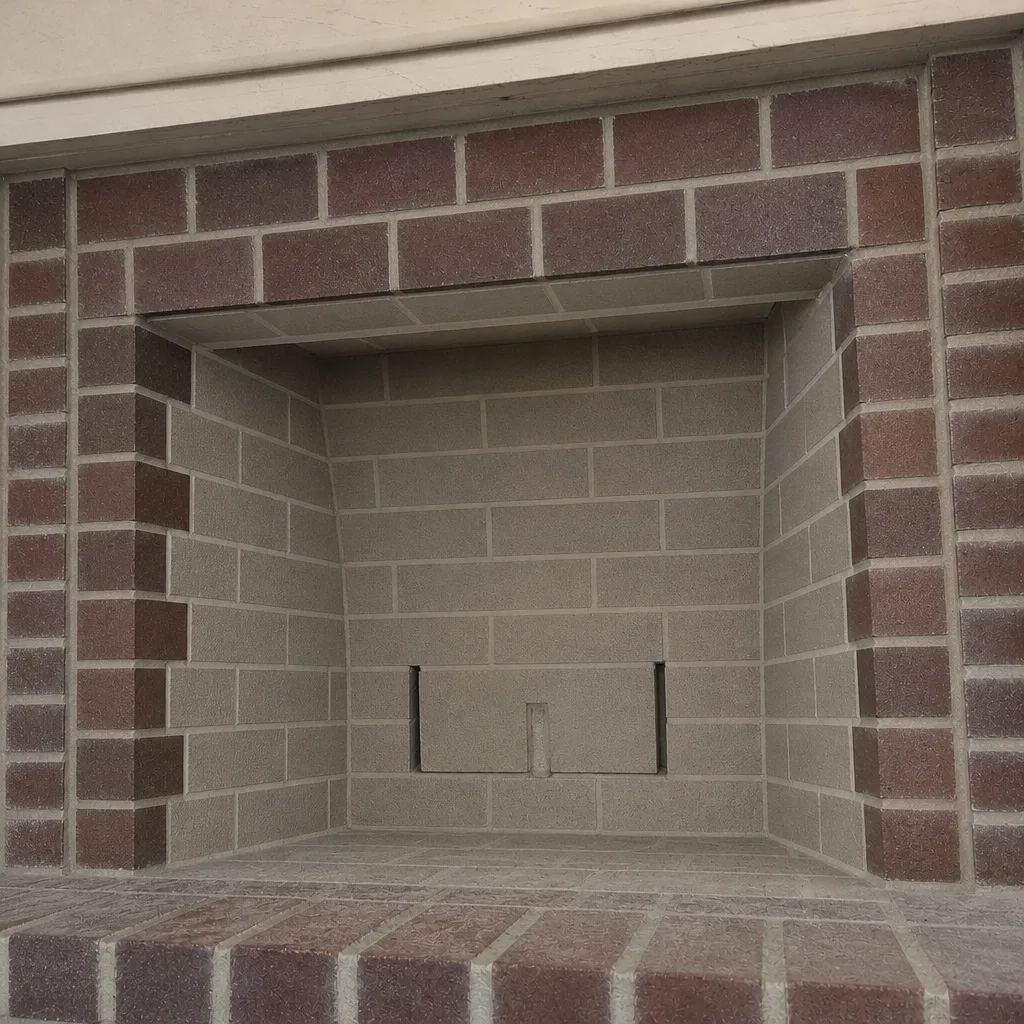 After
When to Call a Professional
Call a professional when you’re buying or selling a home with a chimney and need a documented inspection, when you’ve just moved into a Clearwater property and don’t know the last time the flue was cleaned, when you notice a strong odor, visible soot, or smoke backing into the room, or when your appliance hasn’t been serviced in a while. Gas appliances and wood stoves deserve a professional look on the same schedule as a fireplace, and a dryer vent that hasn’t been cleaned in a long stretch is worth a visit too. Some of these are safe to schedule; some need attention quickly. The only way to know which is which is to have someone trained look at the system and document what they find. Charter Chimney Sweep offers free estimates in Clearwater – call (844) 989-2870. Our technicians have up to 15 years of experience, and we answer 24/7 with fast dispatch from 7am to 7pm, Sunday through Friday.
Frequently Asked Questions
A routine chimney sweep in Clearwater is typically estimated per job, and the written estimate sets the final price before any work begins. Cost depends on the appliance type, the condition of the flue, and whether a camera inspection is warranted, so the only reliable number is the one you get in writing after a contractor understands your system. Estimates are free. Call (844) 989-2870 for an exact quote.
You don’t legally need one, but it’s the most reliable quality filter available. CSIA Certified Chimney Sweep and NFI certification are voluntary, verifiable credentials held by individuals, and you can confirm them on the certifying body’s website. In a state with no licensing requirement, that verification is the closest thing to a guarantee that the person on your roof knows the trade. Call (844) 989-2870 to ask who on our team holds certification.
The general industry guidance is to have a chimney swept and inspected annually, and more often if you burn heavily or notice buildup. In Clearwater, where fireplaces often sit unused for much of the year, an annual inspection still matters because blockages and deterioration happen whether or not you’re burning. Call (844) 989-2870 to book an inspection before the burning season.
Creosote accumulates in the flue and becomes more combustible the longer it sits, which raises the risk of a chimney fire. Blockages from nests or debris can also force smoke and carbon monoxide back into the room instead of up the flue. Neither problem announces itself clearly until it’s serious, which is why an annual inspection with documentation is the practical safeguard. Call (844) 989-2870 for a free estimate.
Because sweeping and repairing are different skill sets, and a company that only sweeps is set up for cleaning, not diagnosis and repair. That’s why the in-house-versus-subcontract question matters so much when you hire: a company that can sweep, diagnose, and repair in one relationship saves you a second search and gives you one consistent interpretation of what your chimney needs. Call (844) 989-2870 to talk through what we can handle.
It’s a separate service, but it belongs in the same conversation. A dryer vent left uncleaned is a fire waiting for a date, and it’s one of the leading residential fire hazards most chimney-only companies ignore entirely. If you’re already scheduling a chimney visit, have the vent evaluated at the same time. Call (844) 989-2870 for a free estimate on both.
The Bottom Line
The only real protection you have when hiring a chimney contractor in Clearwater is knowing what to ask. Florida doesn’t license the trade, so the credential check, the insurance question, and the five booking questions do the work a license would do elsewhere. Compare quotes on scope, not price. Insist on a camera inspection and a written report. And choose a contractor who can sweep, diagnose, and repair in one relationship, because a sweep-only company is a partial solution at best. That’s the whole guide condensed: verify the credentials, verify the insurance, and verify that the company can handle what they find.
Charter Chimney Sweep handles sweeping, repair and relining with DuraFlex systems, HeatShield flue resurfacing, and dryer vent cleaning, with code-compliant work documented and done right the first time. Call (844) 989-2870 for a free estimate. We answer 24/7, with fast dispatch from 7am to 7pm, Sunday through Friday.
Written by the team at Charter Chimney Sweep.