
Last updated November 15, 2026
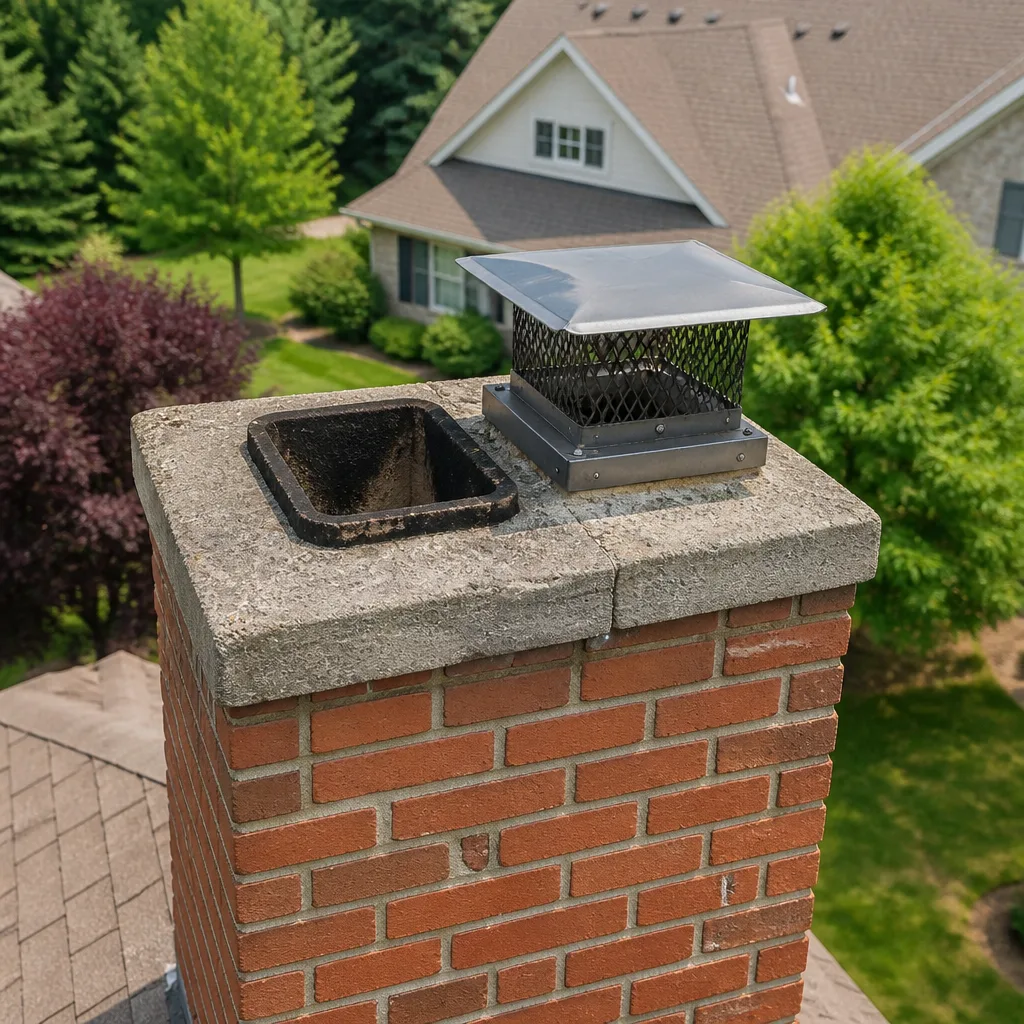 Sweep & inspection
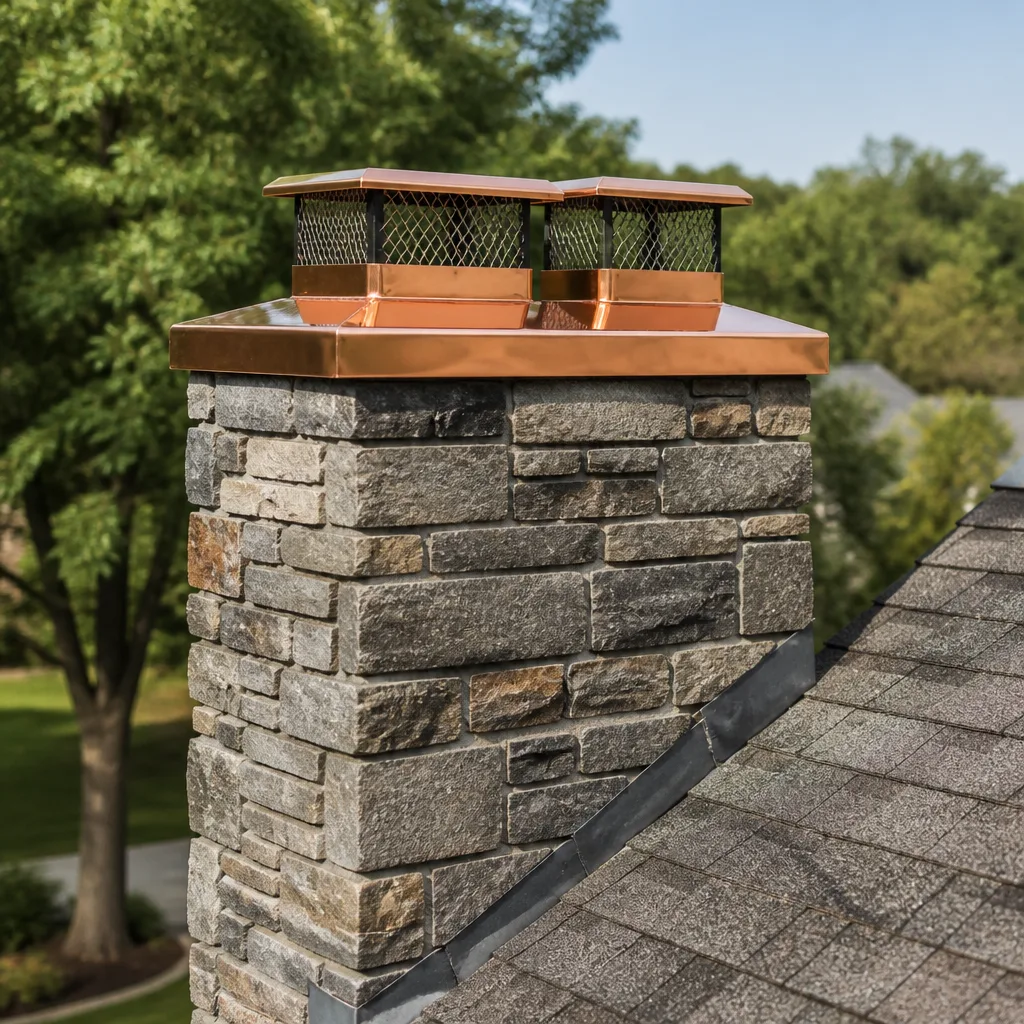 Caps & crowns
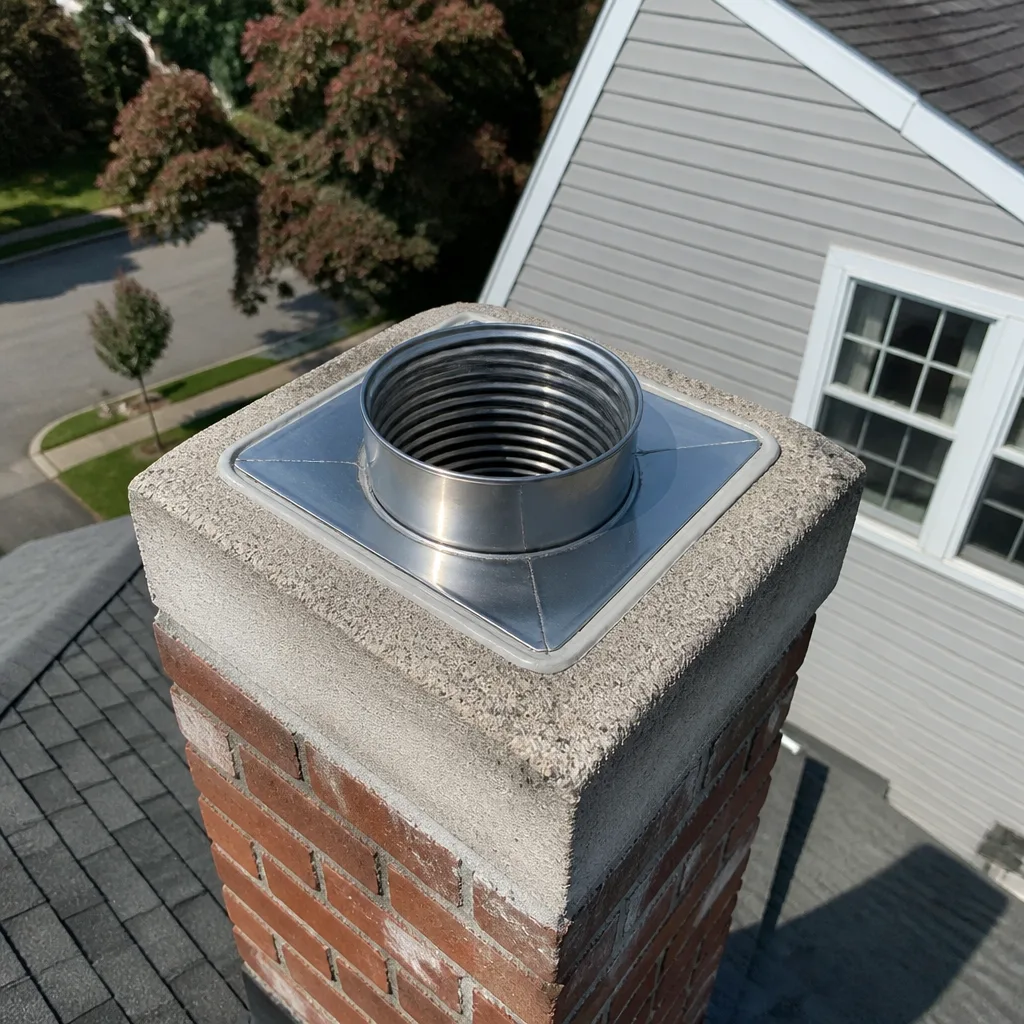 Flue relining
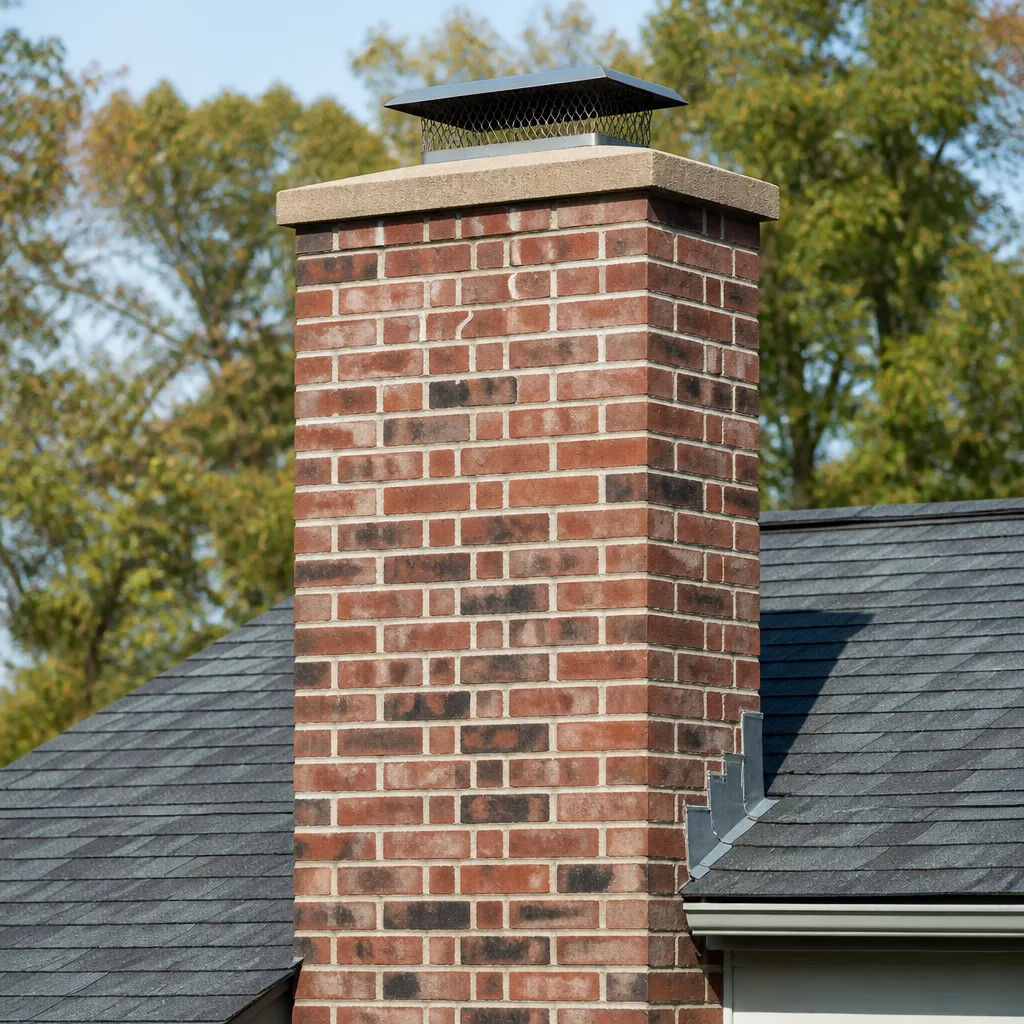 Masonry repair
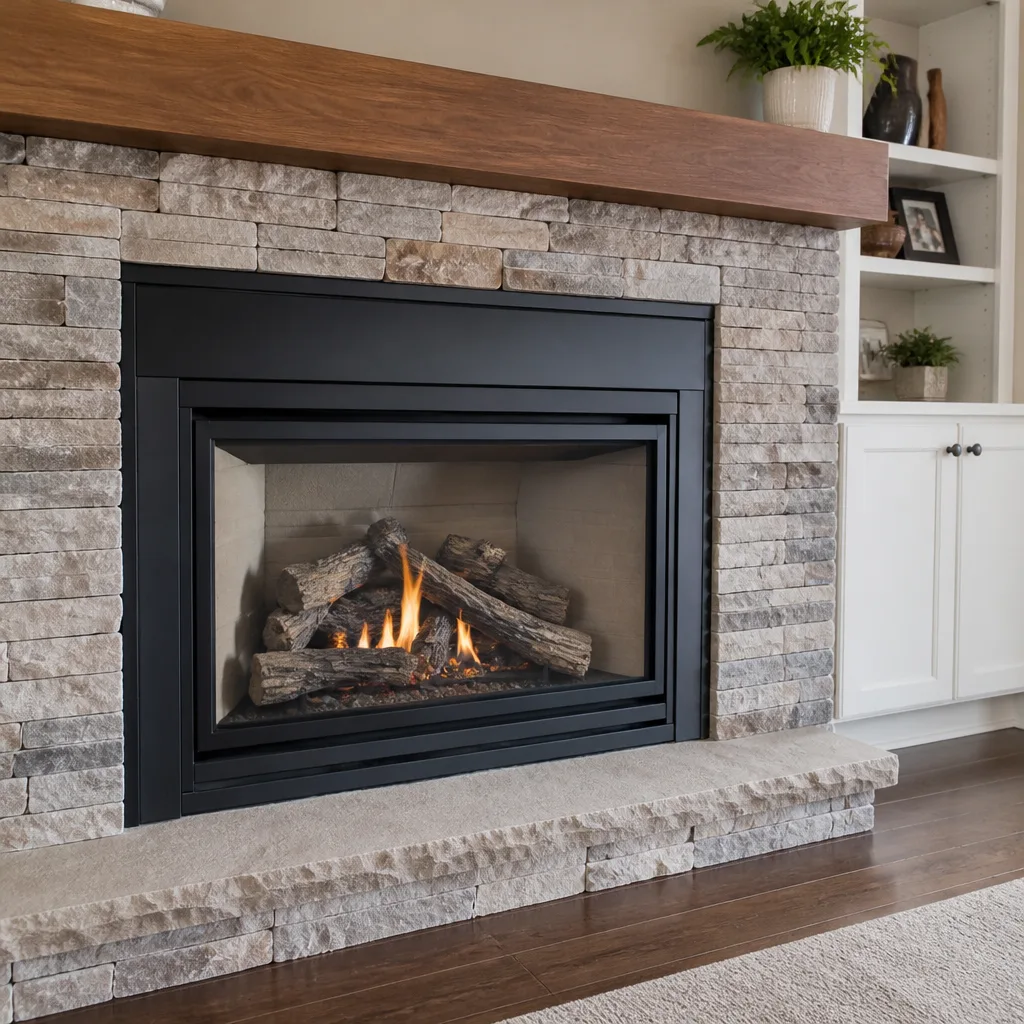 Gas fireplace service
Level 1 sweep and inspection to the NFPA 211 annual standard - flue, crown, cap, and flashing checked and photographed
Chimney sweep logs do not sweep chimneys. They loosen some creosote - which then falls where a brush and vacuum still have to collect it.
Chimney Cleaning Permits, Codes & Inspections in Clearwater, FL: What You Need to Know
A chimney sweep doesn’t need a permit. A chimney relining does. That single distinction trips up more Clearwater homeowners than any other part of chimney work, because the two activities look identical from the driveway. A technician arrives with brushes and a vacuum, cleans the flue, and somewhere in the process finds a cracked tile, a rusted pipe, or a firebox that’s spalled down to the brick. The cleaning was routine maintenance. The repair is construction, and construction has rules. This guide maps exactly where that line sits in Clearwater so you know what paperwork should exist before anyone touches your chimney.
Quick Answer
Routine chimney cleaning in Clearwater does not require a permit; it’s classified as maintenance under Florida’s building code framework. The moment work involves the liner, firebox structure, flashing, or chase, it becomes an alteration that falls under Florida Building Code Chapter 10 and typically requires a Pinellas County permit and inspection sign-off. NFPA 211 is the technical standard those inspectors reference for clearances, liner integrity, and venting capacity.
Styles & brands we work with
- Sweep & inspection
- Caps & crowns
- Flue relining
- Masonry repair
- Gas fireplace service
Table of Contents
- Where the Permit Line Actually Falls
- Florida Building Code Chapter 10 and Your Chimney
- Pinellas County Requirements vs. State Minimums
- NFPA 211: What Inspectors Actually Check
- The Three Levels of Chimney Inspection
- How Unpermitted Work Surfaces at Resale
- What to Request From Any Contractor
Where the Permit Line Actually Falls
Think of chimney work as two categories that share a truck and a technician but not a legal status. Cleaning is maintenance. Repair is construction. The confusion happens because one visit often produces both.
Here’s the working breakdown we use when talking with homeowners across Clearwater:
- No permit typically needed: sweeping the flue, removing creosote, vacuuming the smoke chamber, inspecting the firebox, installing or replacing a chimney cap, replacing a damper that sits in the existing frame.
- Permit typically required: relining the flue, replacing a firebox or rebuilding firebox walls, repairing or replacing chase framing, altering flashing at the roofline, changing the flue’s size or configuration, adding a wood stove insert with a new vent connection.
- Gray zone: crown repair, masonry repointing, and cap replacement on a masonry chimney. Whether a permit is triggered depends on scope and how your local building department reads the alteration. Ask before work starts, not after.
The reason relining triggers a permit isn’t bureaucracy for its own sake. A liner is a listed system with a specific size, material, and clearance rating. When it’s installed wrong – undersized, uninsulated where insulation is required, or connected at the wrong height – the failure mode is carbon monoxide entering the living space or heat transferring to combustible framing. The permit exists so an independent inspector confirms the installation matches what the manufacturer tested. In a mild-winter market like Clearwater, flues sit idle for months and then get used hard during the brief cool season, which is exactly when a marginal install shows its weakness.
Florida Building Code Chapter 10 and Your Chimney
Florida Building Code Chapter 10 covers chimneys and vents, and it’s the section that governs whether your system is legal. It addresses clearances to combustibles, liner requirements, vent connector sizing, and the termination height above the roof. It applies to new construction and to alterations of existing systems.
What Chapter 10 does in practice:
- Sets the minimum clearance between a chimney and combustible material. A masonry chimney with an internal flue needs specific separation from wood framing; a manufactured or metal system has its own listed clearance that overrides the general rule.
- Requires that flues be lined. An unlined brick chimney serving a wood-burning appliance or a gas appliance is a code problem, not a preference.
- Governs termination height – how far the flue must extend above the roof surface and nearby roof features so draft works and smoke doesn’t curl back into the structure.
- Governs the connection between an appliance and the flue, including the vent connector and its slope and support.
Our technicians have up to 15 years of experience, and the pattern they see most in Clearwater is a flue that passed when it was built and has quietly fallen out of compliance since. Tile liners crack. Mortar joints erode. A previous owner swapped a wood appliance for gas without changing the liner to one rated for the new fuel. Chapter 10 doesn’t care that the work was done years ago; it cares what condition the system is in now. That’s why an inspection with photographic evidence matters more than any verbal reassurance. When you book a chimney sweep, you should get a clear picture of the flue’s actual condition, not just a clean firebox.
Pinellas County Requirements vs. State Minimums
Pinellas County administers building permits locally, which means the county’s process sits on top of the state code. The state sets the technical standard; the county controls how you demonstrate compliance and who signs off.
For chimney work in Clearwater, the practical sequence usually looks like this:
- Scope determination. The contractor identifies what’s being altered. A liner replacement, firebox rebuild, chase repair, or flashing replacement each draw a different permit scope.
- Permit application. The application describes the work, the materials, and the system being installed. Listed products – a DuraFlex liner system, for example – come with manufacturer instructions that become part of the approved installation.
- Work performed to the permitted scope. Any deviation from what was approved needs to go back through the county, not get decided on the roof.
- Inspection. The county inspects the installation. For a liner, the inspector wants to confirm sizing, material, insulation where required, and termination.
- Sign-off and closeout. The permit is closed and the record exists in the county’s system.
What surprises homeowners is how much of the county’s requirement overlaps with what a competent contractor would do anyway. Correct liner sizing, proper clearances, code-compliant caps – these are the same things a professional-grade installation delivers. The permit just makes the county a witness. Where things go wrong is when a sweep-only company finds a liner problem, tells the homeowner it needs replacing, and then either declines the work or hands it to a subcontractor who never pulls a permit. That’s the gap between a cleaning and a repair. Specialists who sweep, diagnose, and reline in one relationship close it, because the same company that finds the problem is accountable for the fix.
NFPA 211: What Inspectors Actually Check
NFPA 211 is the Standard for Chimneys, Fireplaces, Vents, and Solid Fuel-Burning Appliances. It’s the technical document inspectors and qualified chimney professionals reference when they evaluate a system. Florida’s building code and NFPA 211 don’t conflict; the code adopts the standard’s requirements for existing systems in many places.
If an inspector or a qualified technician evaluates your chimney against NFPA 211, here’s what they’re checking:
- Clearances. Is there adequate separation between the chimney and combustible material? This is measured, not eyeballed.
- Liner integrity. Are the flue walls sound, continuous, and free of gaps that would let heat or gases escape? Cracked tile or a deteriorated interior surface is a fail.
- Venting capacity. Is the flue sized appropriately for the appliance connected to it? A flue that’s too large for a modern appliance runs cold and drafts poorly; one that’s too small can’t carry the exhaust volume. Both are problems.
- Termination and cap. Does the flue terminate at the correct height with a cap that keeps out water, animals, and debris without blocking the flue?
- Connections. Is the appliance connector properly sized, sloped, supported, and sealed?
HeatShield resurfacing exists precisely because flue interiors deteriorate in ways that are hard to fix any other way short of full relining. When conditions allow, resurfacing restores a sound flue surface without tearing out the existing liner – a repair option sweep-only providers simply don’t offer. Whether it’s appropriate for your chimney depends on the extent of the deterioration, which is why the inspection has to come first.
The Three Levels of Chimney Inspection
Not every inspection is the same, and knowing the levels helps you ask for the right one. The industry recognizes three levels, and which applies depends on the situation.
- Level 1. A visual inspection of the readily accessible portions of the chimney and appliance connection, without tools that require disassembly. This is the standard inspection that accompanies a routine cleaning when nothing unusual is suspected.
- Level 2. Everything in a Level 1 plus a visual inspection of accessible areas that require opening a door, panel, or access hatch, and typically includes video scanning of the flue interior. This level is called for after a chimney fire, after a change in appliance or fuel type, when a property changes hands, or when a Level 1 turns up something that needs a closer look.
- Level 3. Everything in Level 2 plus inspection of concealed areas, which may require removing parts of the chimney or building structure. This is reserved for suspected hidden hazards.
For a Clearwater homeowner buying or selling a home, a Level 2 inspection is the one that matters, because it’s what a buyer’s inspector will reference and what a title or disclosure dispute will turn on. For an ongoing homeowner who cleans annually, a Level 1 paired with a sweep is usually sufficient – unless the sweep finds a condition that pushes it to Level 2. The camera evidence matters here: you should see what the technician saw, not take a verbal report on faith.
How Unpermitted Work Surfaces at Resale
Unpermitted chimney work is invisible until someone looks for it. Then it’s very visible. A home sale is the moment it usually surfaces, and the sequence is predictable.
Here’s how it typically plays out in Clearwater:
- The buyer’s home inspection includes a chimney evaluation, often a Level 2. That evaluation notes a liner that doesn’t match code, a firebox with altered dimensions, or flashing that shows signs of a recent repair with no documentation.
- The buyer’s agent requests proof of permits for any chimney alterations. No permit number means no documentation.
- The transaction stalls while the seller tries to retroactively legalize work. Pinellas County can sometimes permit existing work after the fact, but it typically requires opening the system for inspection, and it may require correcting work that was done wrong.
- Remediation often means undoing the original repair before redoing it correctly, which is why the cost of fixing unpermitted work generally exceeds the cost of doing it right the first time.
The remediation cost isn’t the only exposure. Undisclosed unpermitted work can become a legal issue, and even if it never goes to court, the negotiation leverage disappears. A buyer who knows a chimney needs a $4,000 liner has room to negotiate. A seller who can’t produce a permit for a liner that’s already installed has less room, not more. The cleanest solution is the boring one: pull the permit, get the inspection, keep the paperwork. When we do a Charter Chimney Sweep visit that crosses into repair territory, the permit and the sign-off are part of the job, not an afterthought.
What to Request From Any Contractor
If a contractor is going to touch your liner, firebox, or chase, you have a right to documentation. Asking for it isn’t suspicion; it’s how you protect your own home file.
What to request before structural chimney work begins:
- The permit number. Not a promise to pull one – the actual number, before work starts. A contractor who says no permit is needed for a liner replacement is telling you something important about how they operate.
- Identification of materials. What liner system, what size, what insulation. Manufacturer instructions are part of the permit application for listed products, and you should know what’s going on your house.
- Inspection sign-off. After the county inspects, get the paperwork. This is the document that proves the work was done to code.
- Photo documentation. Before and after photos of the flue interior, firebox, and any repaired area. Keep these with your home records; they’re the first thing a future buyer’s inspector will ask for.
- A written scope of work. What’s included, what’s excluded, and what would change the price. Get it in writing and keep it.
On the materials side, professional-grade systems come from a handful of suppliers the trade relies on – Gelco and Olympia Chimney for venting components and caps, Copperfield and Famco for liners and related parts, HeatShield for resurfacing. A contractor who works with these brands is working with the same products commercial restoration contractors use, and the installation instructions that come with them are the same documents the county inspector reads. If a contractor can’t tell you which liner system they’re installing, that’s a sign the paperwork side of the job isn’t their strength.
One more thing worth knowing: if a technician recommends thousands of dollars of liner or masonry work, you should be able to see the camera evidence behind the recommendation. Nothing should be recommended without it, and if the work can safely wait, a straight answer saying so is worth more than an upsell. We’ve made that a rule for a reason. Our technicians have up to 15 years of experience and the camera footage is yours to review.
Common Mistakes to Avoid
- Assuming all chimney work is permit-free. Cleaning doesn’t need one; relining usually does. Homeowners who generalize from the first to the second end up with unpermitted repairs that create problems at resale.
- Accepting a verbal inspection report. A description of what’s wrong in the flue is worth much less than photos or video you can look at. Ask for the evidence, especially on a Clearwater home where annual flues sit idle for months and deterioration can be invisible from outside.
- Skipping the post-repair inspection. A permit without a sign-off is an open permit, and an open permit can come back to bite you at resale. Make sure the inspection actually happens and the record is closed.
- Letting a general handyman touch the flue. Liner installation, clearances, and venting capacity are specialized. A handyman who’s comfortable with drywall isn’t the right person to size a flue for a gas appliance, and the county inspection will likely confirm that.
- Treating a Level 1 inspection as a full evaluation. If you’re buying a home or changing appliances, a Level 1 isn’t enough. Ask for a Level 2 with video scanning.
- Ignoring a dryer vent while the chimney gets attention. A dryer vent left uncleaned is a fire waiting for a date, and it’s often overlooked when the focus is the flue. When we do a dryer vent cleaning alongside chimney work, we’re addressing the two most common residential fire paths in one visit.
- Discarding the paperwork. Permit numbers, inspection sign-offs, and before/after photos belong in your home file. Losing them is easy; getting them back later is much harder.
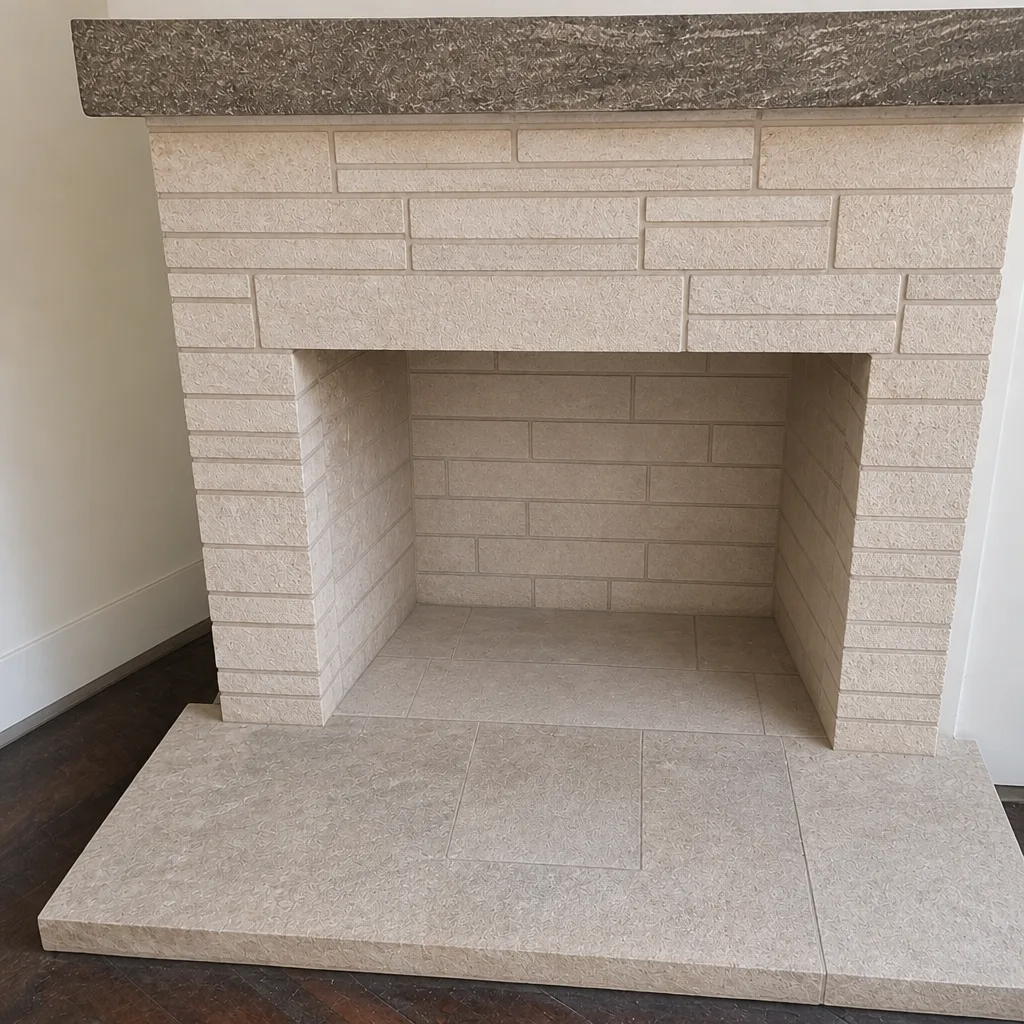
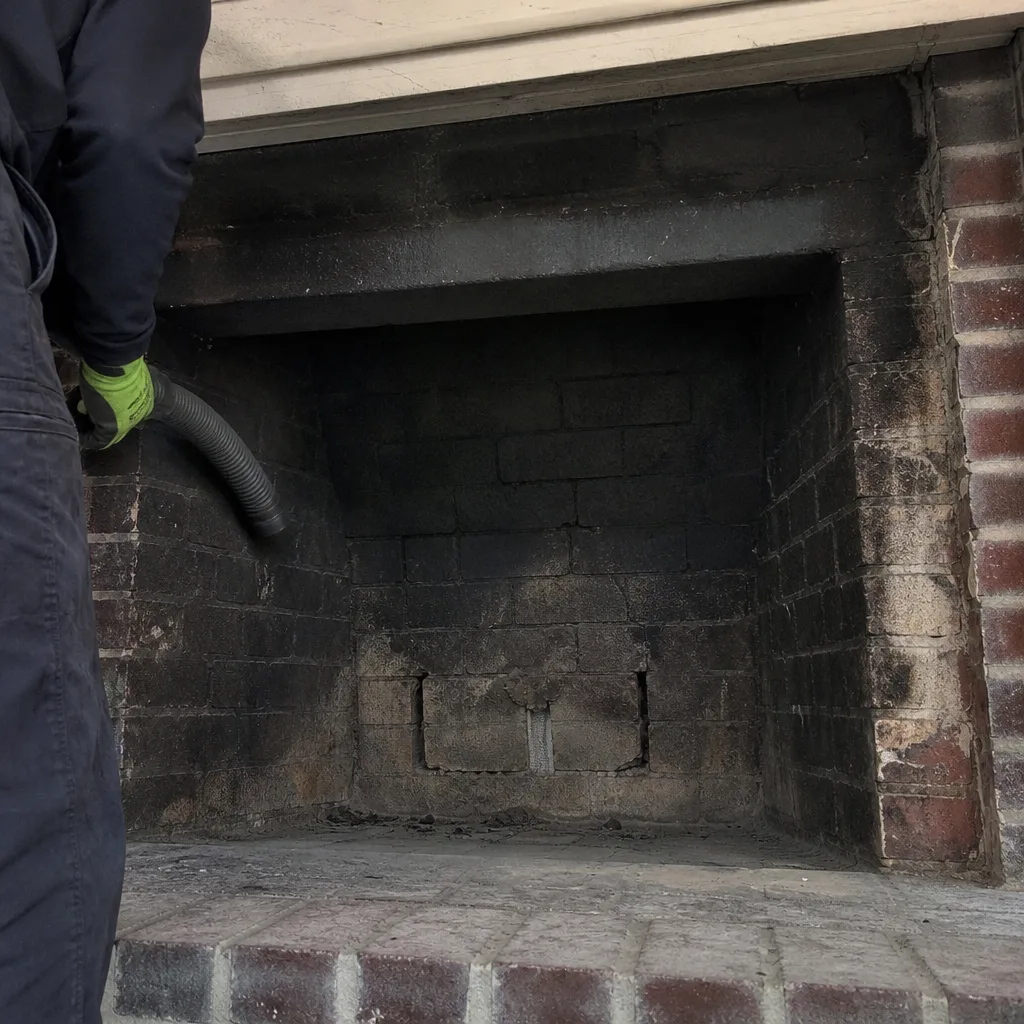
See the difference
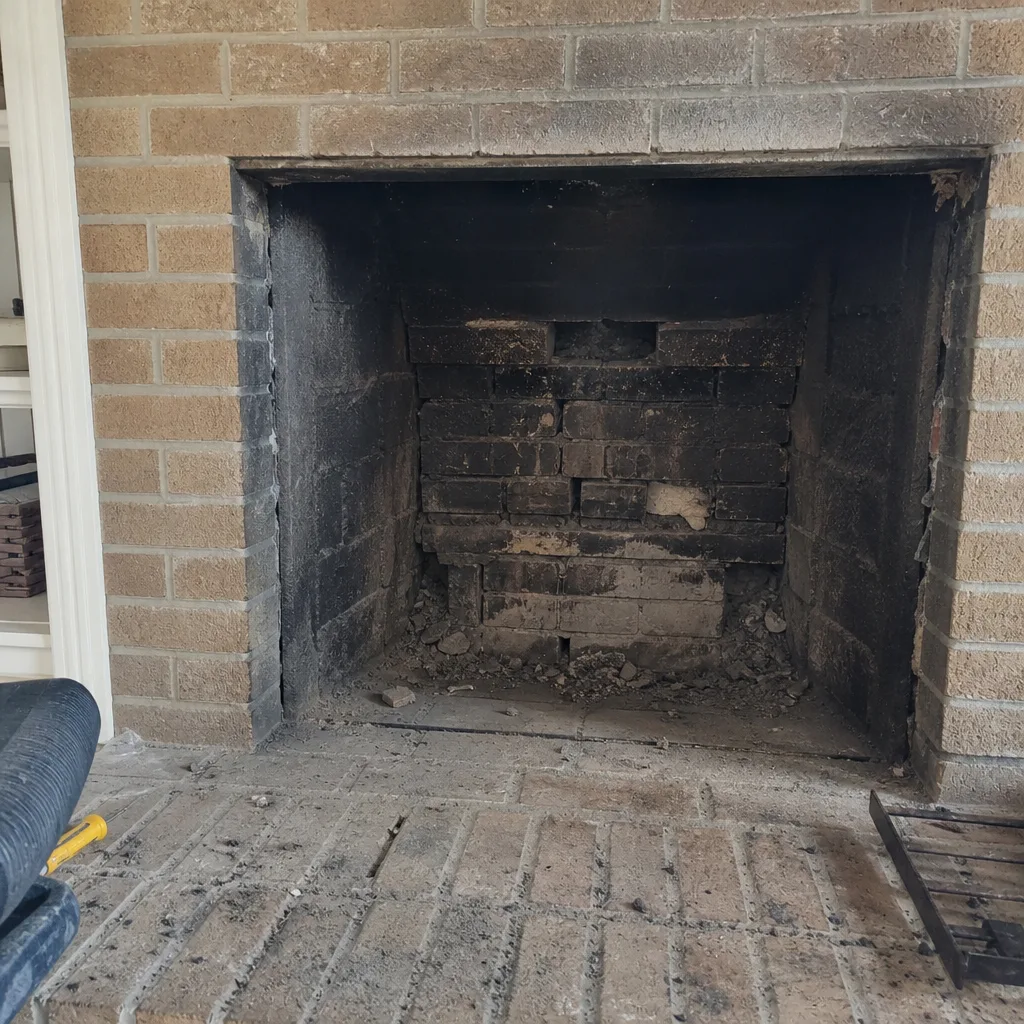 Before
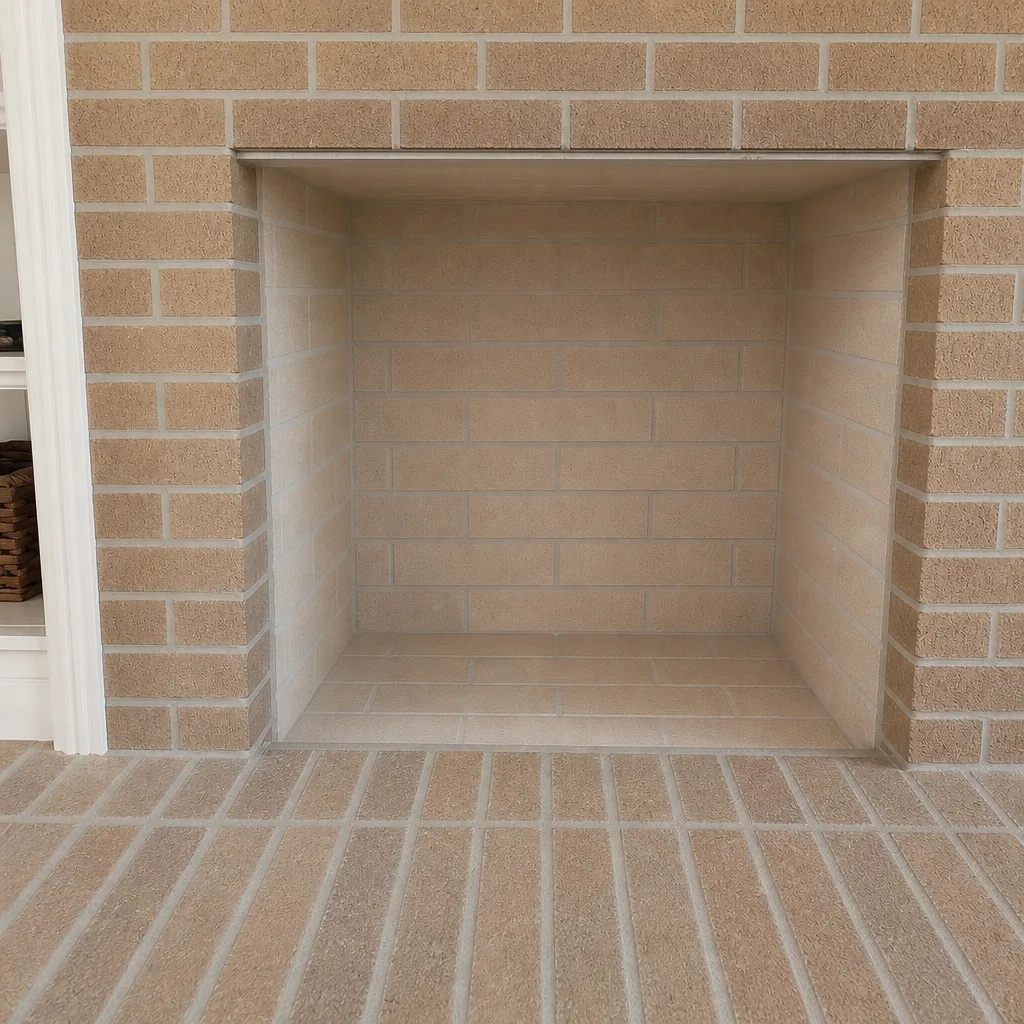 After
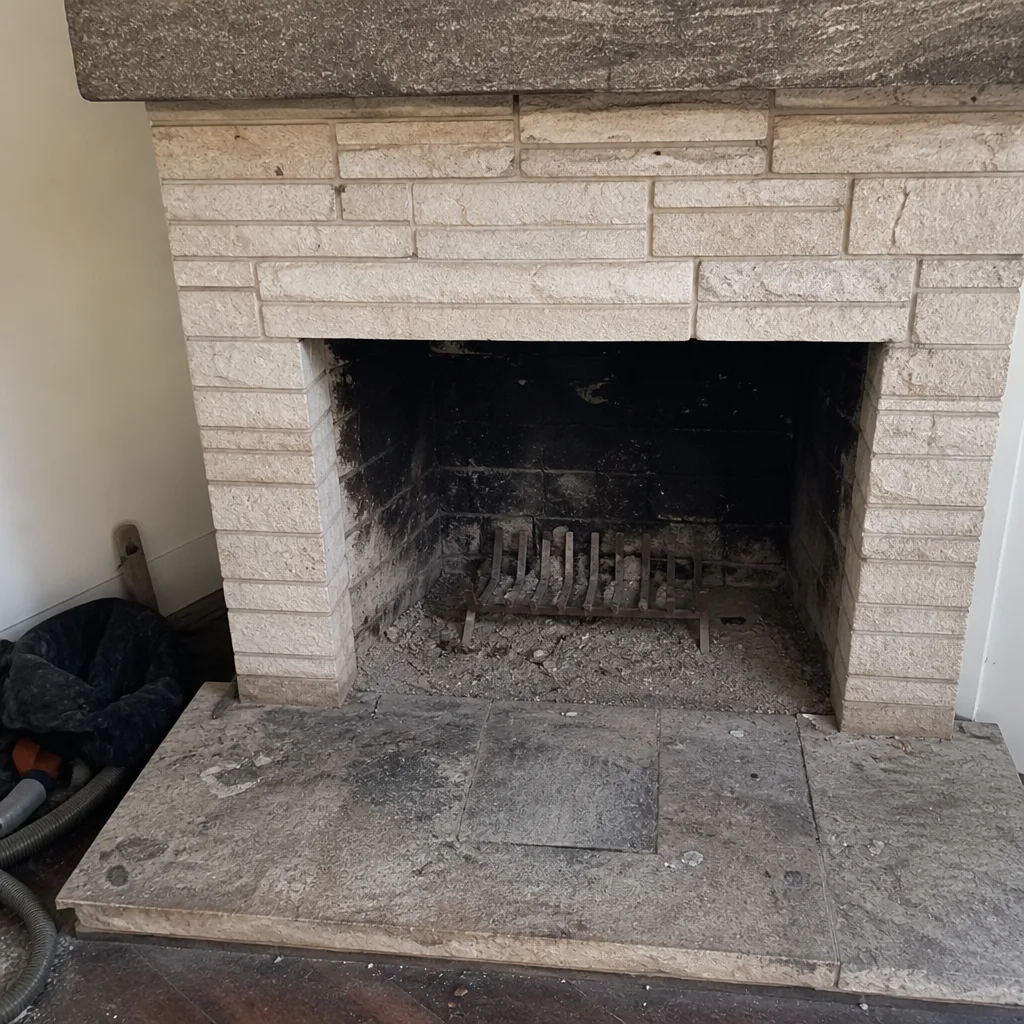 Before
 After
 Before
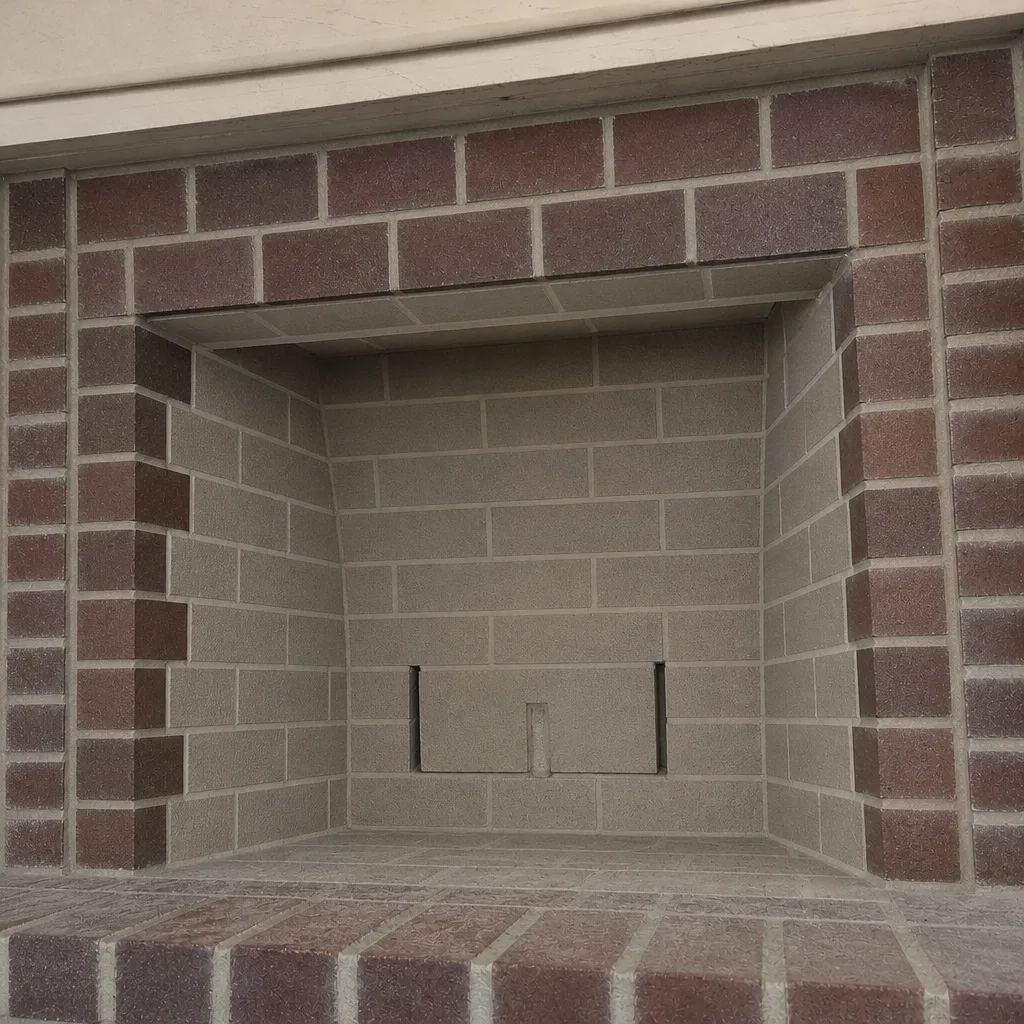 After
When to Call a Professional
Call a qualified professional when any of the following applies: you’ve had a chimney fire or suspect one, your appliance is changing (wood to gas, or a new insert), you’re buying or selling a Clearwater home, your last sweep found a cracked liner or deteriorated firebox, you see staining or efflorescence on the chimney exterior, the flue has no liner or a damaged liner, or it’s simply been a while since the chimney was inspected and you’re not sure of its condition. Some of these are urgent; some can safely wait a season. A camera inspection with photo documentation tells you which is which without guesswork. Charter Chimney Sweep offers free estimates in Clearwater – call (844) 989-2870. We answer 24/7, with fast dispatch from 7am to 7pm, Sunday through Friday.
Frequently Asked Questions
No. Routine chimney cleaning is classified as maintenance and does not require a permit. A permit becomes necessary when the work crosses into alteration – relining, firebox repair, chase construction, or flashing replacement. If you’re unsure which category your job falls into, confirm with Pinellas County’s building department before work starts. Call (844) 989-2870 for a free estimate on a sweep or a diagnosis of whether repair work is needed.
In most cases, yes. A liner replacement is an alteration of the chimney system, and Pinellas County typically requires a permit and inspection for it. The installation has to match the listed product’s instructions for size, material, and clearance, and the county inspection confirms that. A contractor who proposes a liner replacement without offering to pull a permit is worth questioning. Call us for an estimate that includes the permit scope.
NFPA 211 is the national standard for chimneys, fireplaces, vents, and solid fuel appliances, and it’s what inspectors and qualified technicians reference when evaluating a system. It covers clearances, liner integrity, venting capacity, and termination requirements. When a home inspector flags a chimney issue during a Clearwater sale, NFPA 211 is usually the technical basis for the finding. Call (844) 989-2870 if you’d like an evaluation before listing or buying.
A Level 1 inspection is a visual check of readily accessible areas and typically accompanies a routine cleaning. A Level 2 includes video scanning of the flue interior and accessible areas behind panels, and it’s called for after a chimney fire, an appliance change, or a property sale. Clearwater buyers and sellers should generally ask for a Level 2 with video. Call us to schedule one – estimates are free.
A buyer’s inspector evaluates the chimney, often at Level 2, and notes any installation that doesn’t match code or existing documentation. The buyer’s agent then requests permit records for any alterations. Because unpermitted work has no record, the transaction can stall while the seller tries to legalize it. Remediation often costs more than permitted work would have upfront. Call (844) 989-2870 to have your chimney evaluated before a sale.
You can, but it’s a decision with consequences that surface later – at resale, in an insurance claim, or when the county finds an open permit on a property record. A chimney that hasn’t been through an independent inspection is also one whose clearance and venting issues may go uncaught. Permits exist because the failure mode for a bad chimney installation is carbon monoxide or fire. Call (844) 989-2870 for an honest estimate on permitted, documented work.
The Bottom Line
The line between routine chimney maintenance and permitted construction in Clearwater is sharp, even though the work looks similar from the ground. Cleaning doesn’t need a permit. Relining, firebox repair, chase work, and flashing replacement do, and the permit exists so an independent inspector confirms the installation meets Florida Building Code and NFPA 211. Documentation is the difference between repair work that protects your home and unpermitted work that stalls a sale. Request the permit number, the inspection sign-off, and the photos, and keep them. If you’re not sure which side of the line your chimney is on, have it evaluated with camera evidence before anyone touches a trowel. When you’re ready to book, Clearwater homeowners can reach us at (844) 989-2870. We answer 24/7. Fast dispatch from 7am to 7pm, Sunday through Friday. Estimates are free.
Written by the team at Charter Chimney Sweep.