
Last updated November 15, 2026
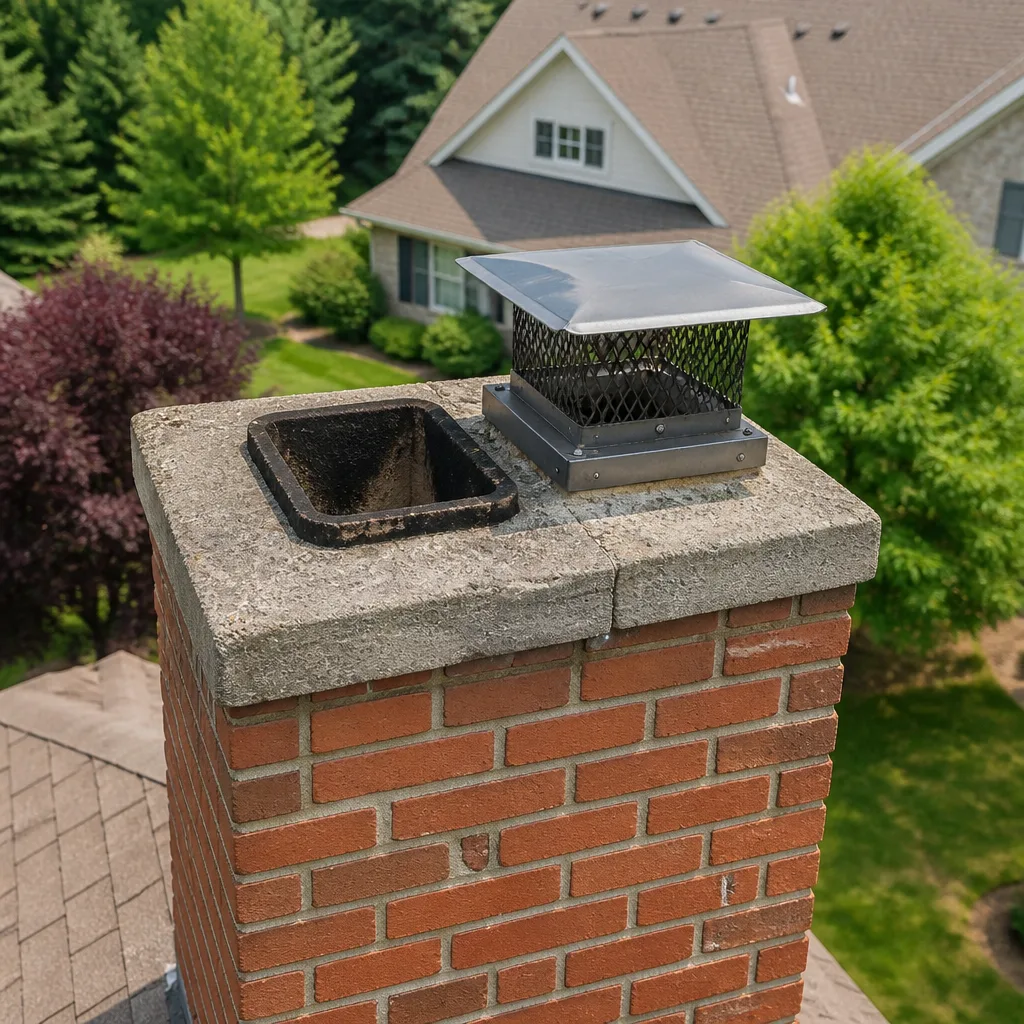 Sweep & inspection
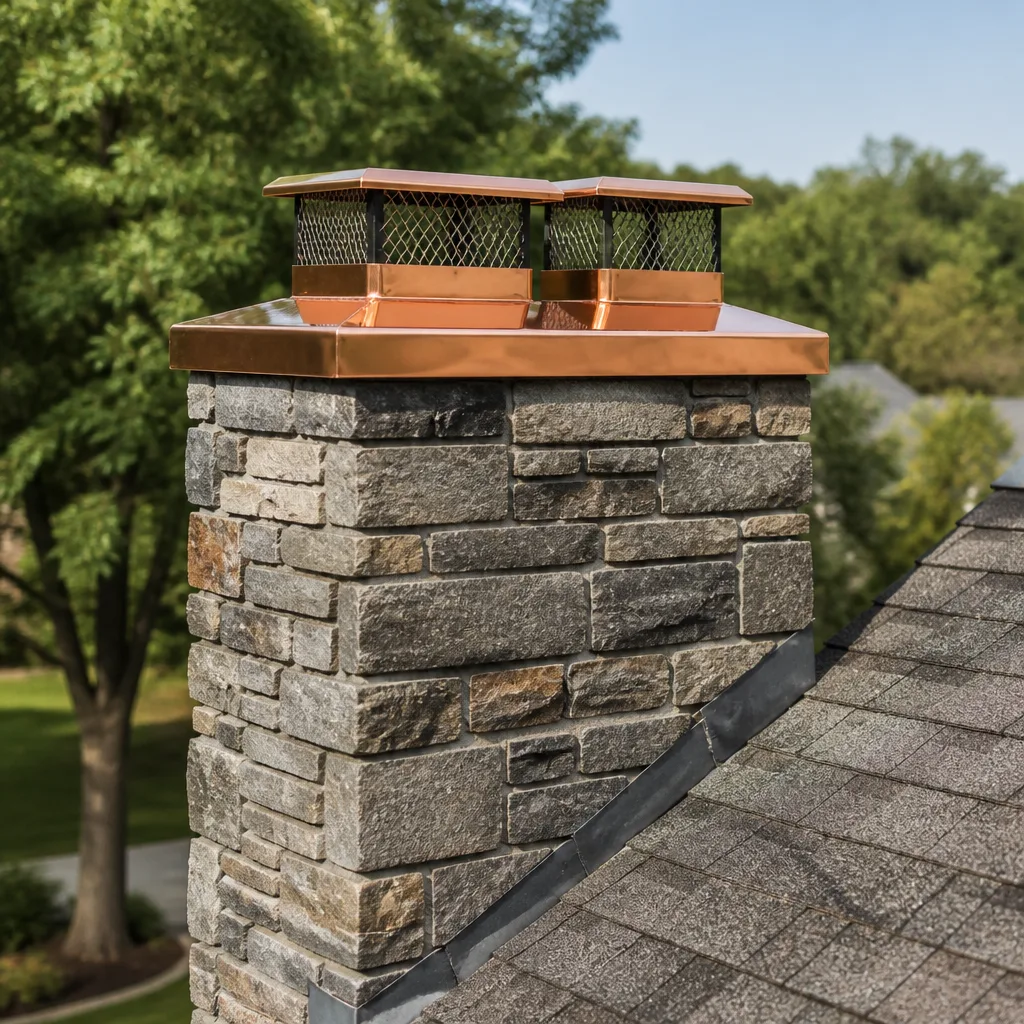 Caps & crowns
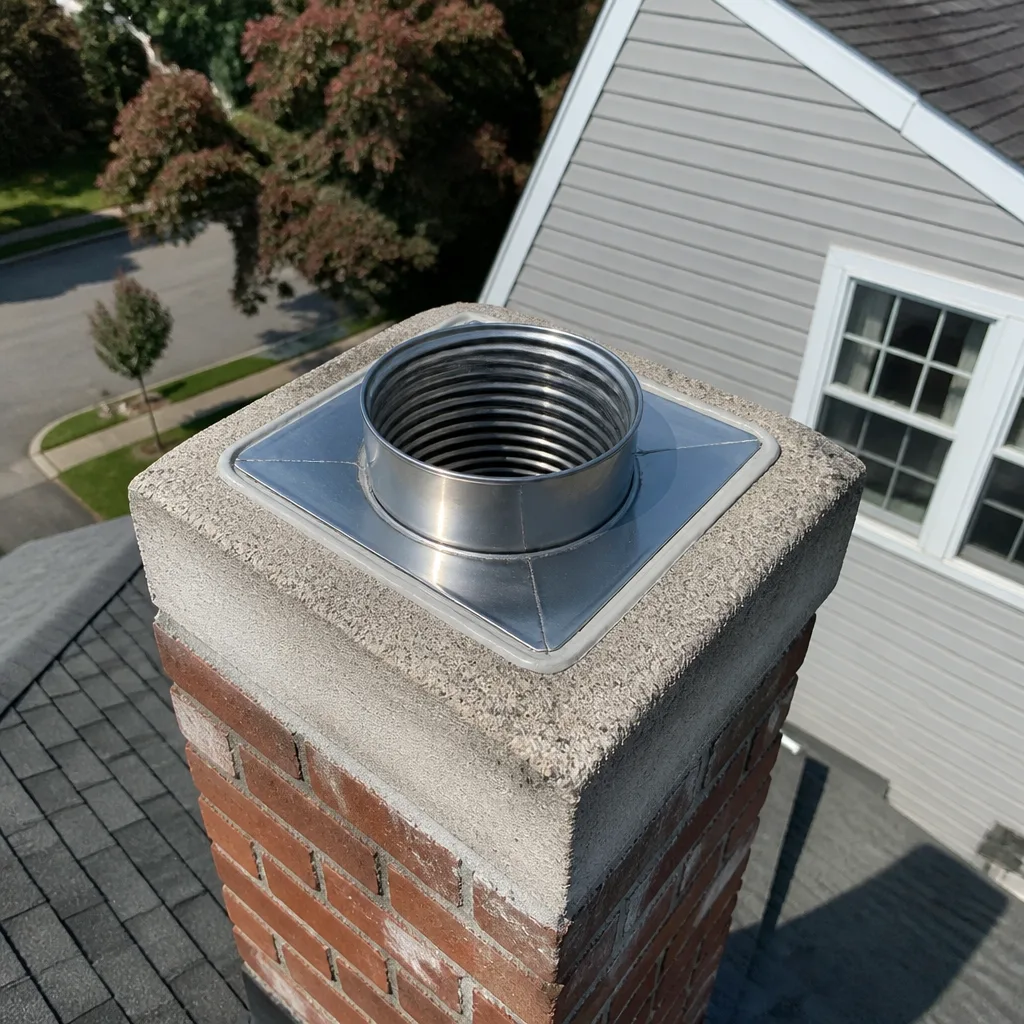 Flue relining
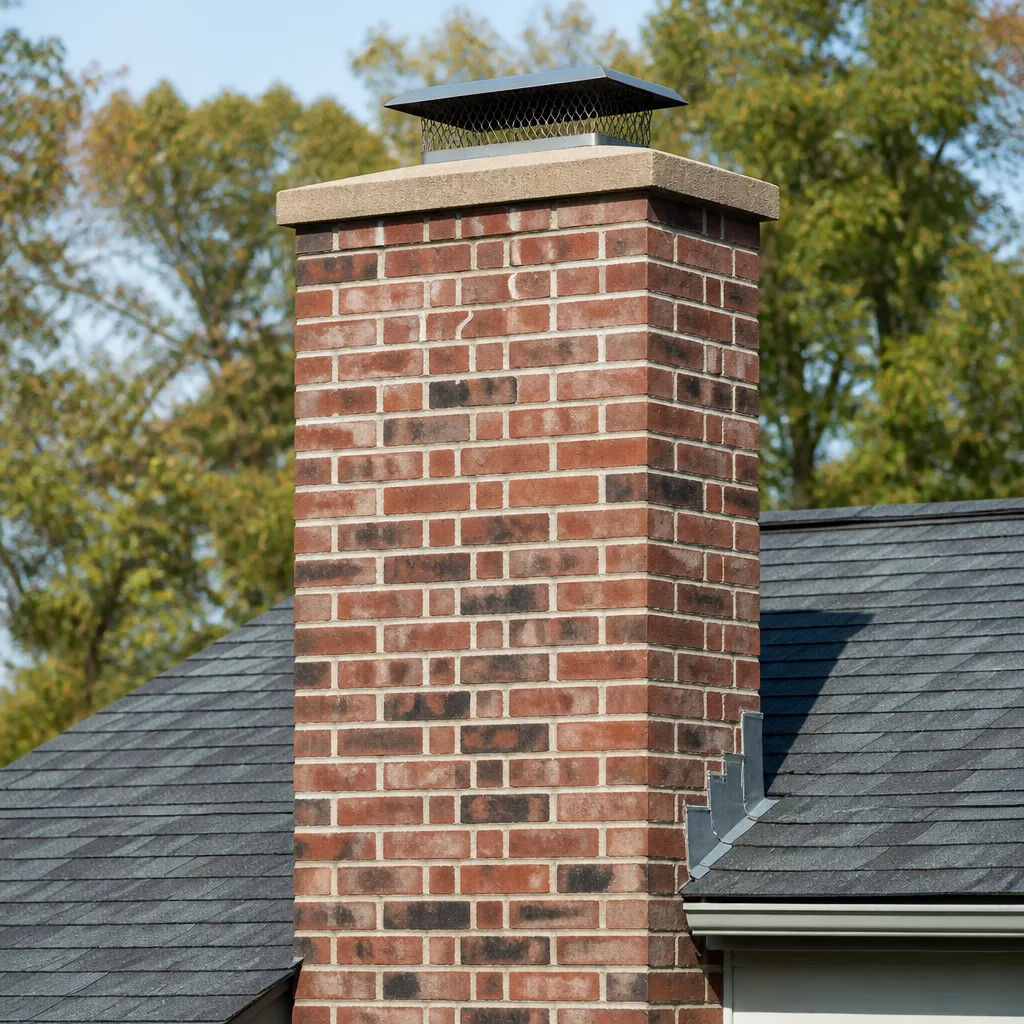 Masonry repair
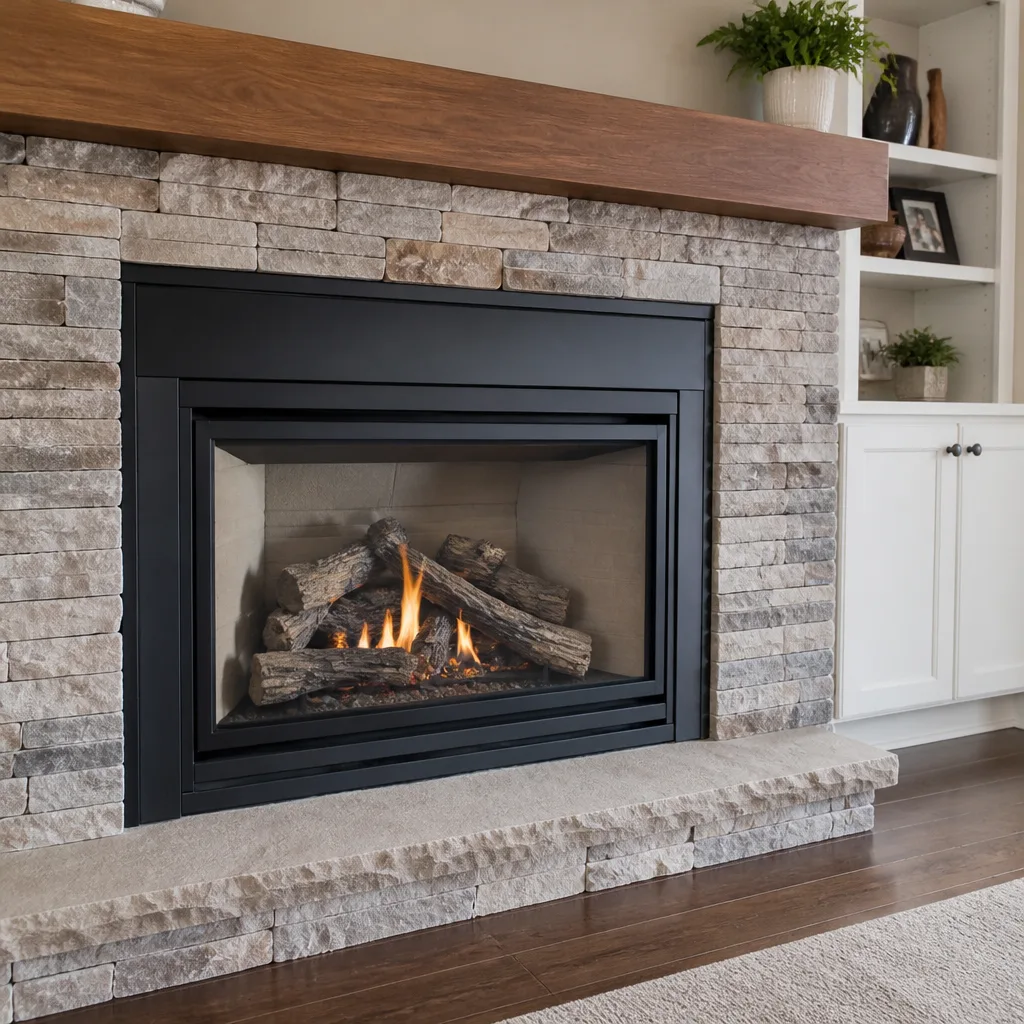 Gas fireplace service
Level 1 sweep and inspection to the NFPA 211 annual standard - flue, crown, cap, and flashing checked and photographed
Chimney sweep logs do not sweep chimneys. They loosen some creosote - which then falls where a brush and vacuum still have to collect it.
The Complete Guide to Chimney Cleaning in Clearwater
Most chimney cleaning guides are written for climates where a fireplace runs six months a year. That advice doesn’t fit Clearwater. Here, a fireplace might see 30 fires in a season, so the creosote layer stays thinner, but the humidity, the year-round warmth, and the wildlife that treat an open flue as real estate change the whole picture. A chimney that looks clean from the hearth can still be hiding a moisture problem, a cracked crown, or a nest you’d rather not burn. This guide explains how chimney cleaning actually works in Clearwater, what a sweep should include, and how to read the inspection report you get afterward.
Quick Answer
Chimney cleaning in Clearwater means removing creosote, soot, and debris from the flue, then inspecting the whole system: firebox, damper, flue interior, cap, crown, flashing, and exterior masonry. Because the local climate is warm and humid, the biggest risks here are often moisture damage and animal nesting rather than heavy creosote buildup. A proper visit combines a sweep with an inspection, and a minimum Level 1 inspection is recommended annually, even for a fireplace you only light a few times.
Key Takeaways
- Low-use fireplaces in Clearwater still need annual inspection because moisture and debris build up faster than creosote.
- Warm, humid air deteriorates the chimney crown and flashing year-round, without any freeze-thaw action.
- Chimney swifts and other nesting birds are protected under federal and Florida law, which affects when cleaning can legally be done.
- Gas log conversions need inspection too: condensation and venting issues replace creosote as the main concern.
- Level 1 and Level 2 inspections answer different questions; learn to tell them apart before you hire anyone.
Styles & brands we work with
- Sweep & inspection
- Caps & crowns
- Flue relining
- Masonry repair
- Gas fireplace service
Table of Contents
- Why Low-Use Fireplaces in Clearwater Still Need Annual Cleaning
- How Creosote Behaves in a Warm, Humid Climate
- Moisture and Masonry: What Clearwater’s Humidity Does to a Chimney
- Chimney Swifts, Nests, and Protected Wildlife Rules
- Level 1 vs Level 2 Inspections: What Each Covers
- Gas Log Conversions and Why They Need Both a Sweep and an Inspection
- How to Read Your Inspection Report
- What Chimney Cleaning Costs in Clearwater
Why Low-Use Fireplaces in Clearwater Still Need Annual Cleaning
A fireplace in Clearwater that gets used a dozen times a year may not produce a thick creosote glaze, but “low use” is not the same as “low risk.” In our experience, the homes that get skipped are the ones that surprise people. Here is what actually happens to a lightly used chimney.
- Debris accumulates anyway. Leaves, twigs, sand, and grit blow into an open flue through the cap or an open damper over a full year, even if the fire never gets lit.
- Moisture sits longer. Humid air moving through the chimney condenses on cool masonry, feeding small cracks and loosening mortar over time.
- Animals find it. A warm, sheltered, empty space with an opening at the top is exactly what a bird or squirrel is looking for.
- Blockages go unnoticed. A nest or a fall of mortar can partially block the flue. The first sign may be smoke in the house or, worse, carbon monoxide spilling back into the room.
The remedy is a routine inspection, not necessarily a heavy cleaning. A knowledgeable sweep will tell you honestly whether your Clearwater chimney needs a full cleaning or just a check and a debris removal. That’s the difference between a maintenance visit and a sales pitch.
How Creosote Behaves in a Warm, Humid Climate
Creosote is the byproduct of incomplete wood combustion. In cold climates, the flue gas condenses quickly on a cold flue wall and forms thick, glazed deposits fast. In Clearwater, the same fire produces creosote, but the pattern is different: the deposits tend to be thinner, flakier, and often mixed with soot and airborne moisture. That doesn’t make them safe. Any creosote in a flue can ignite, and thinner deposits can be harder to see during a quick visual check.
Some observations we’ve made on cleaning demand:
- Third-stage, glazed creosote is less common in Clearwater because the flue rarely gets cold enough long enough to build it up.
- First-stage creosote (the soot-like powdery layer) is the most common, and it can still catch with enough heat and enough time.
- Because the layer is thin, a chimney can look clean from the outside and still have deposits a sweep needs to remove.
- Burning unseasoned or wet wood in Clearwater’s humidity makes it worse: the extra water vapor condenses and forms acidic moisture on the flue lining.
The best practice here is simple: burn dry, seasoned wood, keep the fire hot enough to vent cleanly, and get the flue inspected at least once a year. If you have never had a professional look up that flue, a routine chimney sweep is the right starting point. Regular sweeping is the single most reliable way to identify creosote before it becomes a fire load.
Moisture and Masonry: What Clearwater’s Humidity Does to a Chimney
Freeze-thaw damage is a problem in northern climates. It is not the issue here. Clearwater’s real enemy is continuous moisture: warm, humid air, frequent afternoon rain, and masonry that never fully dries out. That constant moisture causes its own kind of deterioration, and it’s often concentrated at the top of the chimney.
Two spots get hit hardest:
- The crown. The concrete cap at the top of the chimney sheds water away from the flue. If it cracks, rainwater gets in, saturates the masonry below, and the whole top of the chimney begins to deteriorate from the inside out.
- The flashing. The metal seal where the chimney meets the roof is a common leak point. When it fails, water enters the attic and roofline, not just the chimney.
Other things to watch in a Clearwater chimney:
- Spalling brick. Saturated brick expands and flakes off in sheets when it dries. Once spalling starts, it doesn’t reverse itself.
- Efflorescence. The white, chalky staining on exterior masonry is a sign of moisture pushing through.
- Deteriorating mortar joints. Constant damp softens mortar over years. Missing mortar weakens the whole stack.
None of these are emergencies on their own, but all of them need looking at. A quality cap is a first line of defense: it keeps rain, birds, and debris out of the flue in one move. Materials like a properly fitted Gelco or Famco cap, or an Olympia Chimney multi-flue cover, are what we reach for when we find an unprotected chimney top. A correct cap plus a sound crown and flashing keeps a Clearwater chimney doing its job for years.
Chimney Swifts, Nests, and Protected Wildlife Rules
Chimney swifts are small, fast, dark birds that nest almost exclusively inside masonry chimneys. They are protected under the federal Migratory Bird Treaty Act and, in Florida, by state wildlife rules. That matters for chimney cleaning because it dictates when a chimney can legally be swept.
In this part of the state, swifts typically return in spring and nest through the summer. During nesting season, a chimney with an active nest cannot legally be swept. Removing or disturbing the nest is a violation, even if the chimney is otherwise ready for cleaning. The practical implication is simple: book cleaning outside nesting season, or accept that an active chimney will need to wait.
- Spring through late summer is the vulnerable window in Clearwater. If you see swifts entering or leaving the flue, hold off on any cleaning work.
- Fall and winter is the reliable time to clean, inspect, and cap. This is also before burning season, which is the sensible deadline anyway.
- A proper cap with a mesh screen is the long-term fix. Once a chimney is capped correctly, swifts move on to another cavity, and the flue stays clear.
Other species use chimneys here too. Squirrels, starlings, and the occasional raccoon find their way into openings. All of them leave nesting material behind, and that material is fuel sitting inside a flue. If you have seen sign of an animal in the chimney, get an inspection before you light a fire. A careful sweep will tell you whether the debris is nest material or the more dangerous fallen masonry, and clean it out properly.
Level 1 vs Level 2 Inspections: What Each Covers
Chimney inspectors use a three-tier system, and knowing the difference between the tiers will help you hire the right person and read the report. A chimney sweep visit usually includes a Level 1 inspection. A Level 2 is what you want when something has changed.
Level 1 Inspection
A Level 1 inspection is a visual check of the readily accessible parts of the chimney: the firebox, the damper, the visible portion of the flue, the appliance connection, and the exterior chimney and cap. It’s the standard annual inspection and doesn’t disturb the structure. It’s appropriate when the chimney has been used normally and nothing has changed since the last check.
Level 2 Inspection
A Level 2 inspection adds a video camera scan of the flue interior plus closer access to areas a Level 1 can’t see. It should be performed under these conditions:
- After a chimney fire, a significant event, or any suspected damage.
- When the property changes hands (a home sale or purchase).
- After an appliance change, including a switch to gas logs or a new insert.
- When a Level 1 turns up something that needs closer investigation.
- When there’s been an earthquake, severe storm, or prolonged period of non-use.
In Clearwater, the gas log conversion scenario is the common one. Switching from wood to gas changes the venting requirements, and a camera scan is the only way to confirm the flue will vent safely under the new setup.
Gas Log Conversions and Why They Need Both a Sweep and an Inspection
Gas log sets are everywhere in Clearwater, and that changes what “chimney cleaning” means. A gas fireplace produces no creosote, but it produces water vapor and, if it isn’t burning cleanly, carbon monoxide. The point of a sweep visit on a gas appliance is different: it’s about verifying that the flue, the vent connection, and the appliance itself are safe to run.
- Moisture is the main hazard. Burning gas creates water vapor that condenses on a cool flue. Over time that wetness can damage the flue lining.
- Venting matters. Gas log sets must be vented within their approved venting category. A flue that worked fine for a wood fire can be wrong for a gas appliance. Getting the sizing right is a code matter, and it’s common for us to find it wrong after a conversion.
- Carbon monoxide is invisible. A blocked or improperly vented flue on a gas set is a serious safety issue. An inspection is the only way to be sure it isn’t happening.
- Nesting and debris still matter. A gas chimney is still an open stack from the birds’ point of view.
When we check a gas log setup, we look at the firebox, the damper position, the connection, the venting, and the cap. Anything that isn’t right gets reported clearly. If it turns out the flue lining is failing, that’s where we bring in HeatShield flue resurfacing or a DuraFlex stainless liner, both of which we install ourselves rather than referring out.
How to Read Your Inspection Report
A professional inspection report should give you a clear picture of what’s fine, what needs watching, and what needs action. Here’s how to sort through it, with what typically happens for each finding.
- “Creosote present, swept successfully.” Routine finding. No follow-up needed beyond your next annual inspection.
- “Cracked flue tiles.” A camera scan can find the crack. Small hairline cracks may be monitored; a significant one usually needs resurfacing or relining, and the choice depends on how much of the flue is affected.
- “Deteriorated crown.” A common Clearwater finding. A crown rebuild is a normal repair and keeps water out of the masonry.
- “Failed flashing.” Roof-level repair; if it’s letting water in, it shouldn’t wait.
- “Missing or damaged cap.” Replace it. A proper cap prevents a long list of future problems.
- “Nesting material removed.” Clean-out plus a cap to prevent recurrence.
- “Flue lining not correctly sized or wrong type for the appliance.” Relining is usually the fix. This is where a full-system chimney company makes a difference: a sweep-only company refers the work out; a full-system company can do the sweep, the inspection, and the relining in one visit.
Ask yourself three questions about every report: What’s the actual problem? How was it found (was it visible, or on camera)? And what happens if it waits? If a report recommends thousands of dollars of work without a photo or a camera scan you can see for yourself, ask for one. A fair contractor will show you the evidence. A good one will also tell you plainly when work can safely wait until next season.
What Chimney Cleaning Costs in Clearwater
Actual chimney cleaning prices in Clearwater vary with the chimney’s condition, how accessible it is, and whether you need a full cleaning or only a check. For a sense of the range, here are the components of a typical visit and what drives the price:
- Sweep and Level 1 inspection: a standard chimney cleaning visit, priced per job and set by a written estimate.
- Level 2 inspection with camera scan: a deeper look, typically more than a Level 1 because it includes video and closer access.
- Nesting or heavy debris removal: adds labor when a nest, animal debris, or fallen masonry is found.
- Cap and cover replacement: materials vary by brand and fit; a custom-fit cap costs more than a stock one.
- Crown repair, flashing repair, or relining: priced as separate repairs after the inspection report.
We won’t quote a flat number here because too much depends on what’s actually inside your chimney. What we can guarantee is that the estimate is free, the price is set per job by the written estimate, and no repair work is recommended without camera evidence you can see for yourself. If you’re in a Clearwater home and want a straight answer on what a cleaning will cost, call (844) 989-2870. We answer 24/7. Fast dispatch from 7am to 7pm, Sunday through Friday.
Common Mistakes to Avoid
- Skipping the inspection because the fireplace is barely used. Low use doesn’t mean low risk. Moisture, nesting, and debris are the main problems here, and none of them depend on burning a fire.
- Cleaning during swift nesting season. Disturbing an active nest violates federal and Florida wildlife protections. Clean in fall or winter, or install a proper cap so swifts settle elsewhere.
- Treating gas log sets as maintenance-free. Gas produces condensation and can produce carbon monoxide. A gas flue needs inspection for venting and lining, not just a visual check from the hearth.
- Accepting a repair quote with no evidence. Ask for the camera scan or photo that supports the recommendation. If a contractor won’t show you, call someone else.
- Installing the wrong cap. An undersized or unsecured cap can be pulled off in a storm, letting water and wildlife back in. A correct Gelco or Famco cap fitted to the flue is a better fix than a hardware-store guess.
- Ignoring the crown and flashing until there’s a ceiling stain. The crown and flashing are where water gets in. A small repair caught early beats a masonry rebuild later.
- Letting a sweep-only company subcontract the repair. You end up with two contractors, two scopes of work, and no single party accountable for the outcome. When one crew handles the sweep, the inspection, and the repair, the findings and the fix stay connected.
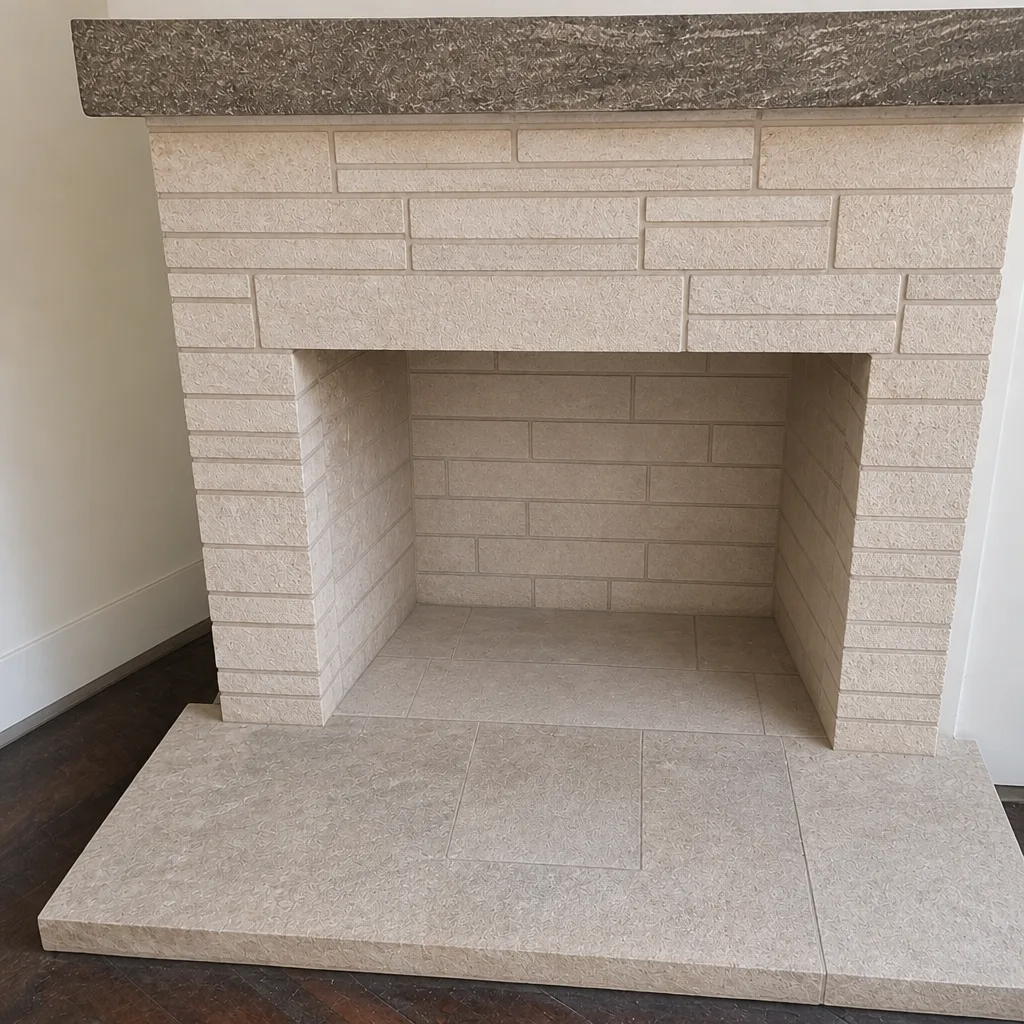
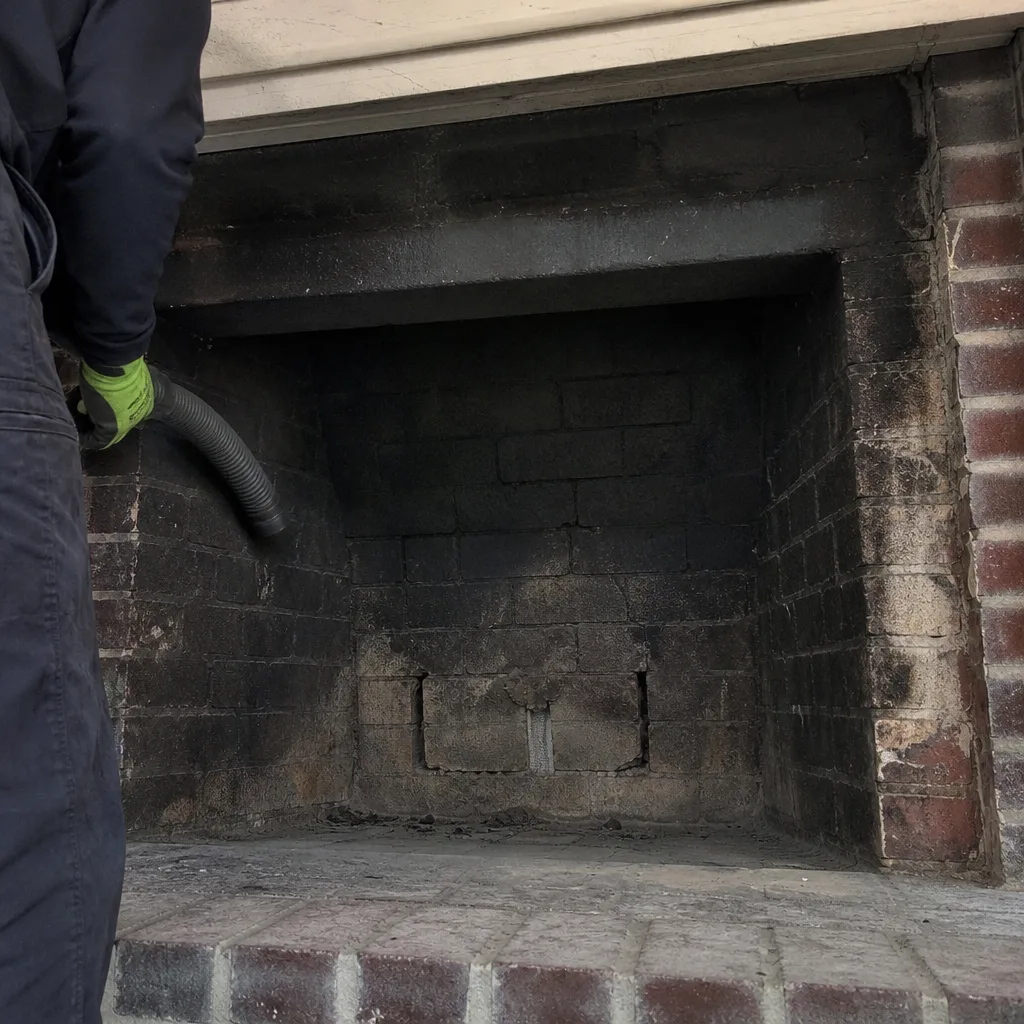
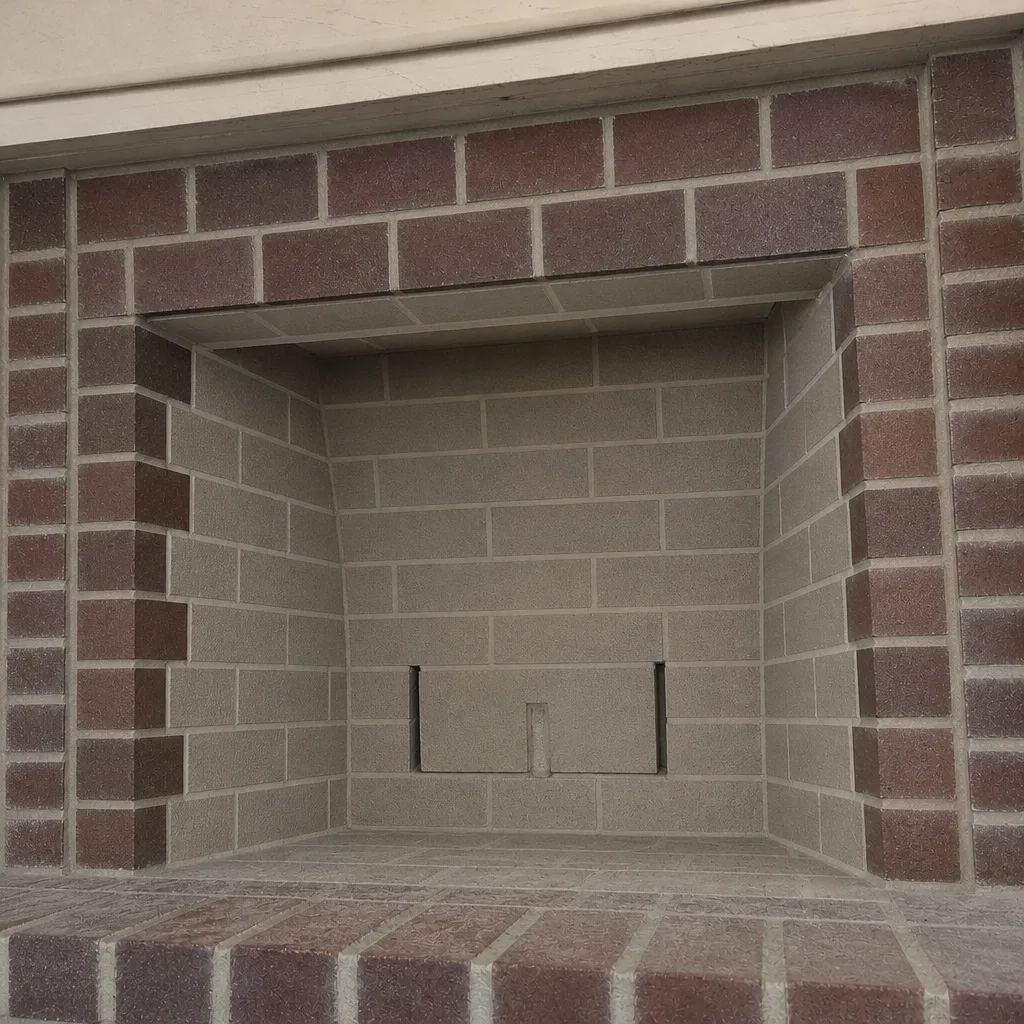
See the difference
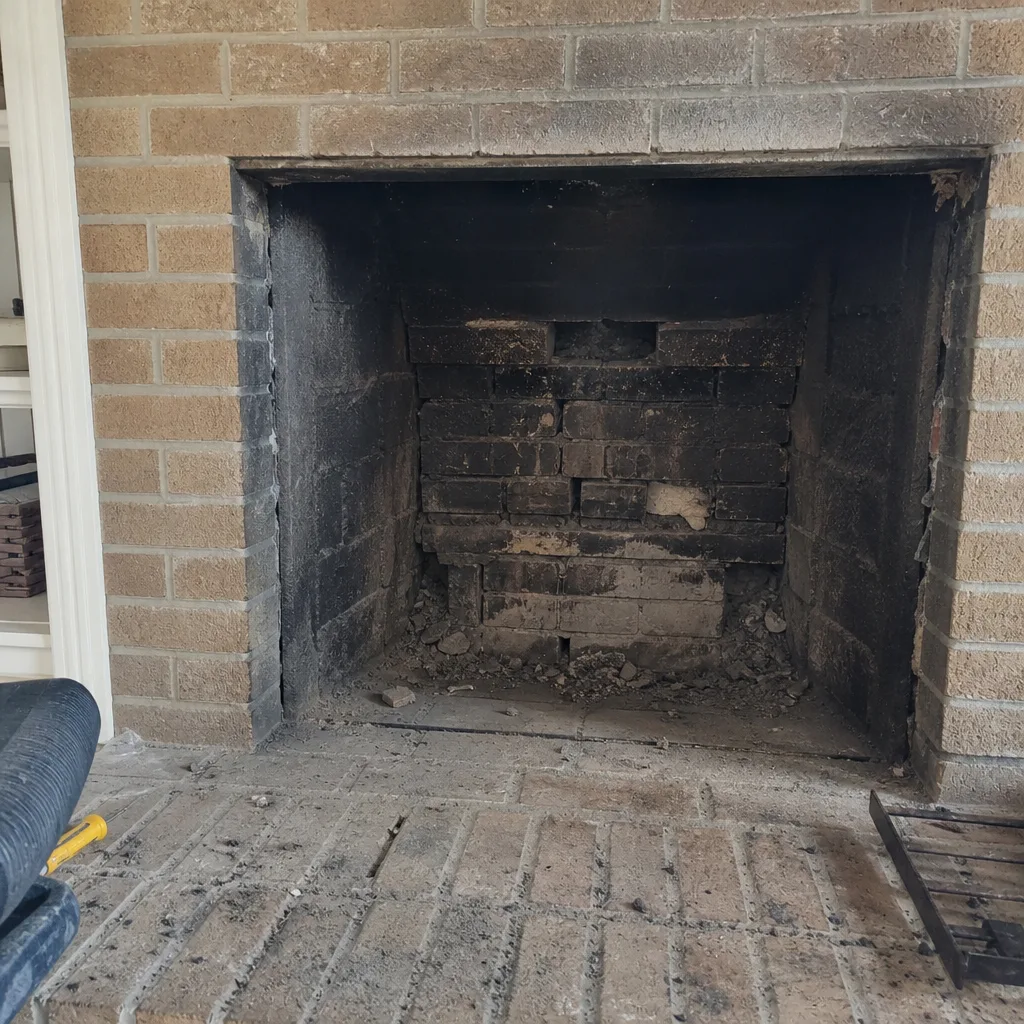 Before
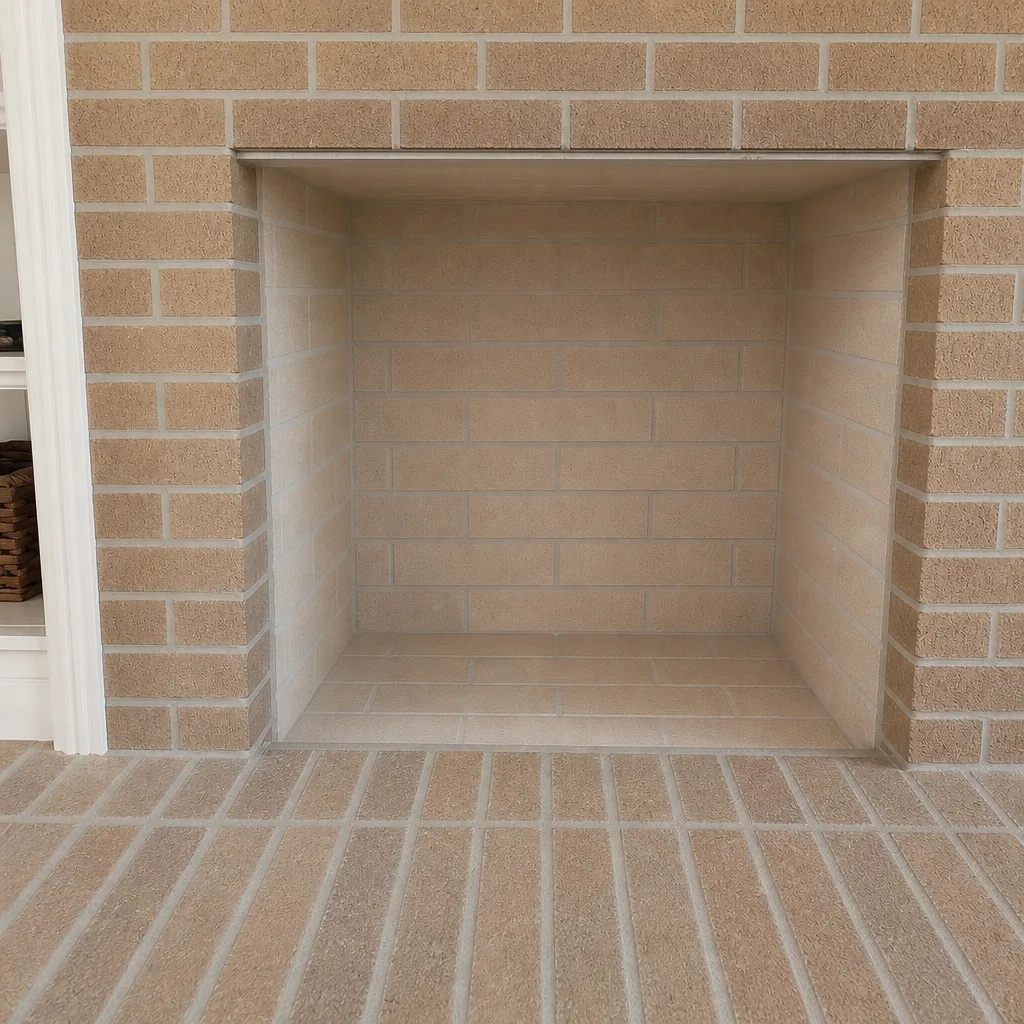 After
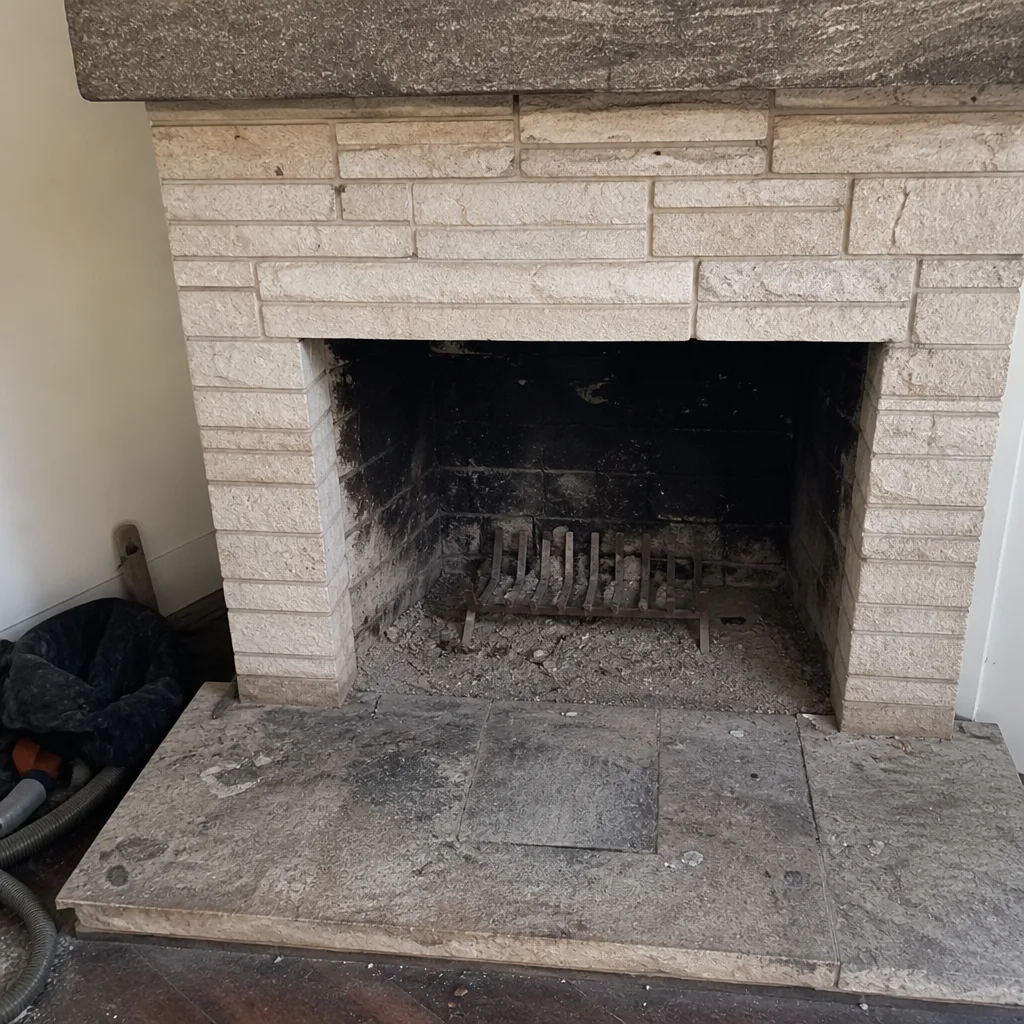 Before
 After
 Before
 After
When to Call a Professional
Some chimney work is a routine annual check; other times it’s a call to make today. Call a professional if any of the following apply: You’ve never had the chimney inspected and you don’t know its history. You smell a strong, tarry odor, which can mean creosote buildup or moisture problems inside the flue. Smoke comes back into the room when you burn. You see staining on the ceiling or exterior of the chimney. You’ve seen birds or animals entering or leaving the chimney. The firebox has loose mortar or the damper doesn’t operate. Or the flue was converted to gas logs and you’ve never had it checked. These are all signs that a trained inspector should look inside before the next fire.
Our technicians have up to 15 years of experience, and we handle the whole scope ourselves: sweep, diagnose, and repair. If you’re ready for a straight answer, Charter Chimney Sweep offers free estimates in Clearwater. Call (844) 989-2870. We answer 24/7. Fast dispatch from 7am to 7pm, Sunday through Friday.
Frequently Asked Questions
Pricing varies with the chimney’s condition and whether a Level 1 or Level 2 inspection is needed. The estimate is free and the price is set per job by the written estimate, so you know the cost before any work begins. Call (844) 989-2870 for an exact quote; estimates are free.
Annually is the standard recommendation even for light use, because moisture, debris, and nesting are year-round concerns here. If you burn more frequently than the typical Clearwater season, get an inspection at the end of each burning season. Call us for an exact scheduling answer based on your setup.
Only if the camera scan shows the flue interior won’t contain combustion gases or has significant damage. A cracked or mis-sized flue needs relining, but a hairline crack can sometimes be resurfaced instead. Nothing should be recommended without video evidence you can review yourself. Call (844) 989-2870 for an inspection and a free estimate.
No. Active nests are protected under federal and Florida law, and disturbing them is prohibited. The practical approach is to schedule cleaning in fall or winter, or install a proper cap to prevent the next nesting cycle. If you’re unsure whether a nest is active, call and we’ll advise you.
Creosote accumulates and can ignite; animal nesting and debris can block the flue; and moisture can slowly degrade the crown, flashing, and masonry. Carbon monoxide from a blocked or improperly vented gas appliance is the more serious risk. Regular cleaning and inspection catch these issues while they’re still small. Call us for an exact assessment.
Look for two things: whether each finding is backed by a photo or camera scan you can see, and whether the report tells you what can safely wait. A fair report separates urgent safety items from routine maintenance. Call us if you want a second opinion on a report you’ve been given.
The Bottom Line
Chimney cleaning in Clearwater isn’t a scaled-down version of northern practice. The warm, humid climate brings its own patterns: thinner creosote mixed with moisture, masonry degradation at the crown and flashing, and nesting wildlife that changes the legal timing of a cleaning. An annual inspection is still the baseline, whether you burn a dozen fires a season or convert to gas logs. The single most useful thing you can do is know what’s inside your flue, and the safest way to know is with a sweep and an inspection you can see the evidence from. If you’re ready for a straight answer, we handle the sweep, the diagnosis, and the fix with the same crew, from professional-grade materials like HeatShield and DuraFlex liners to correctly fitted Gelco and Famco caps. For dryer vent cleaning and Clearwater chimney work alike, call (844) 989-2870 for a free estimate. We answer 24/7. Fast dispatch from 7am to 7pm, Sunday through Friday.
Written by the team at Charter Chimney Sweep.