
Last updated November 15, 2026
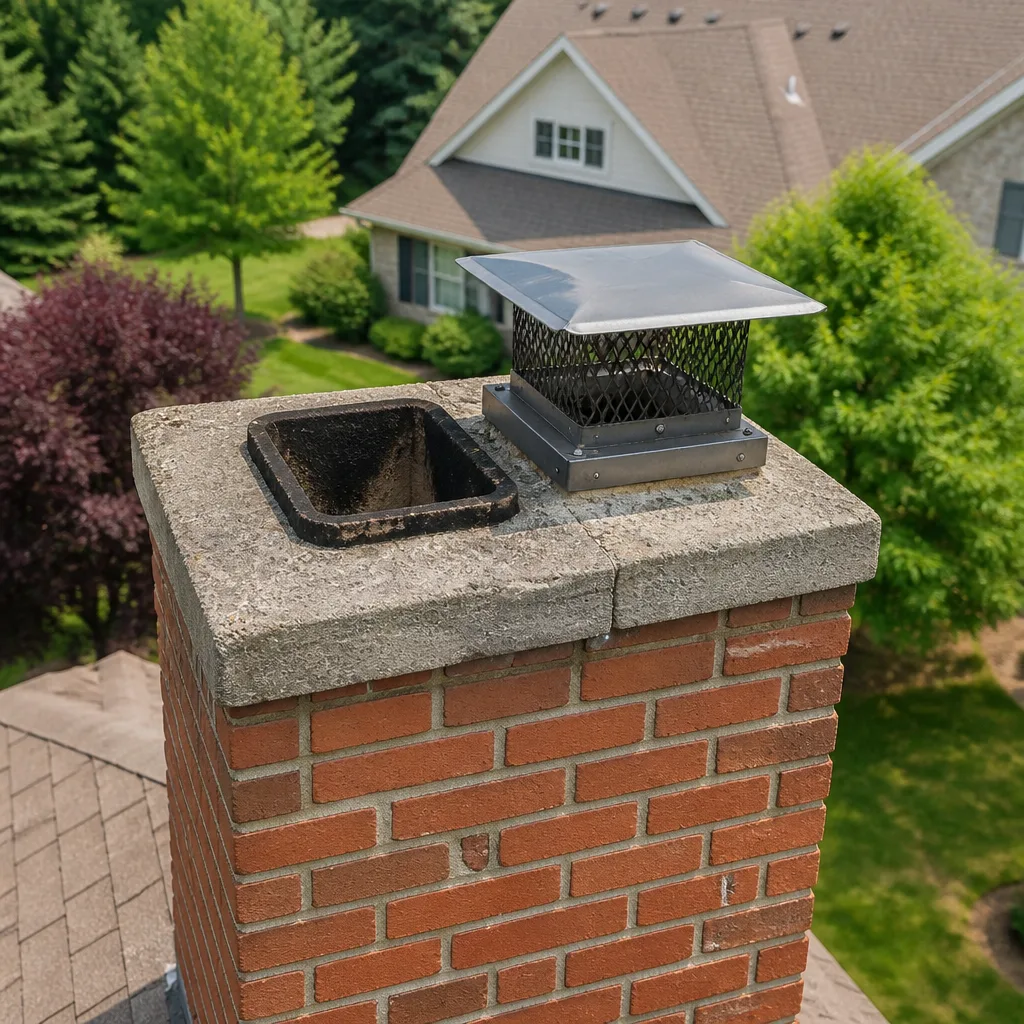 Sweep & inspection
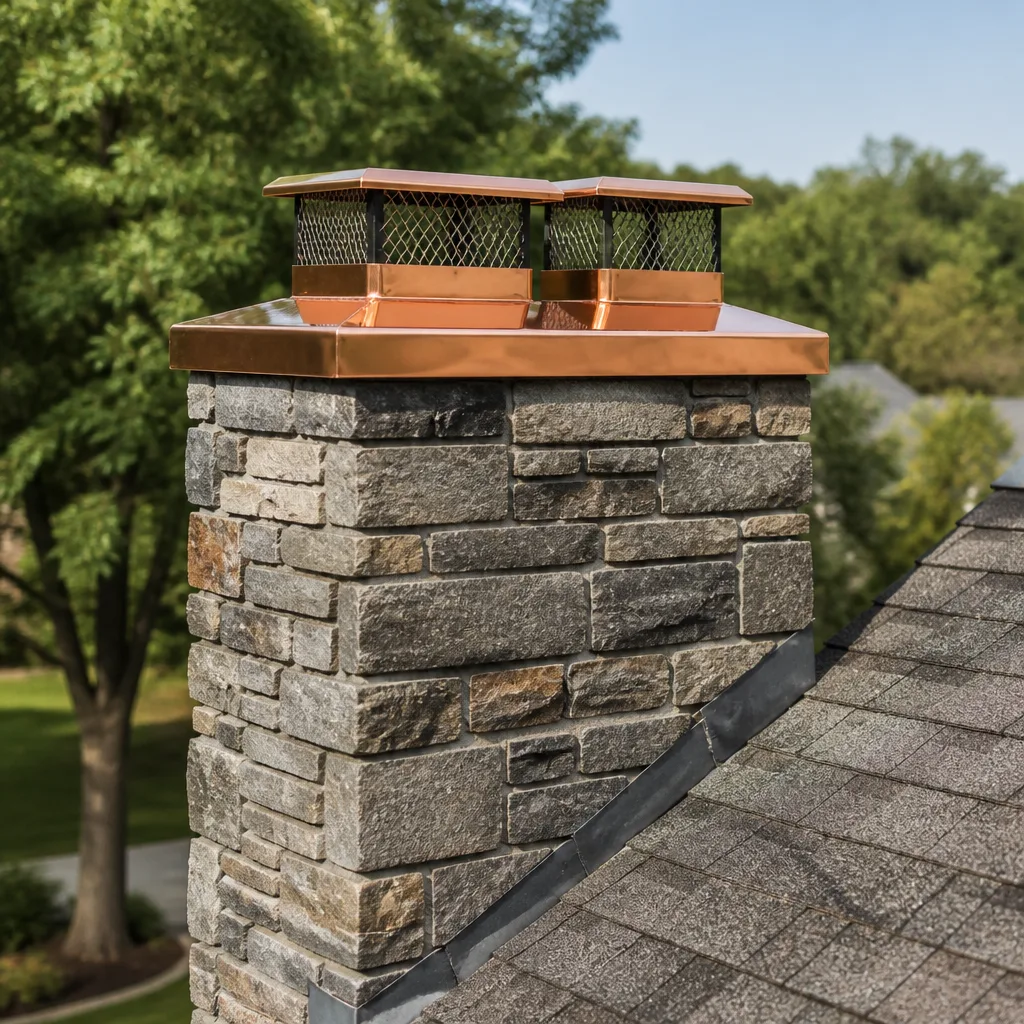 Caps & crowns
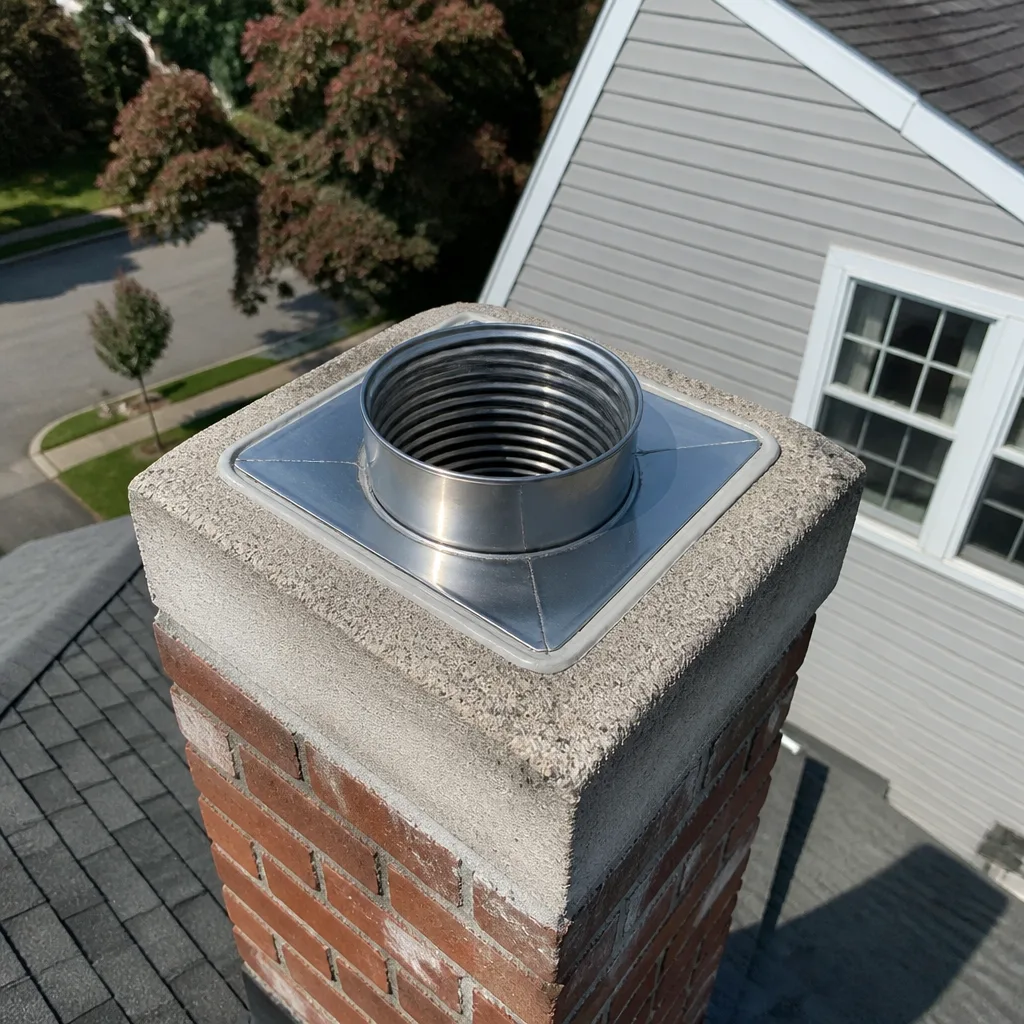 Flue relining
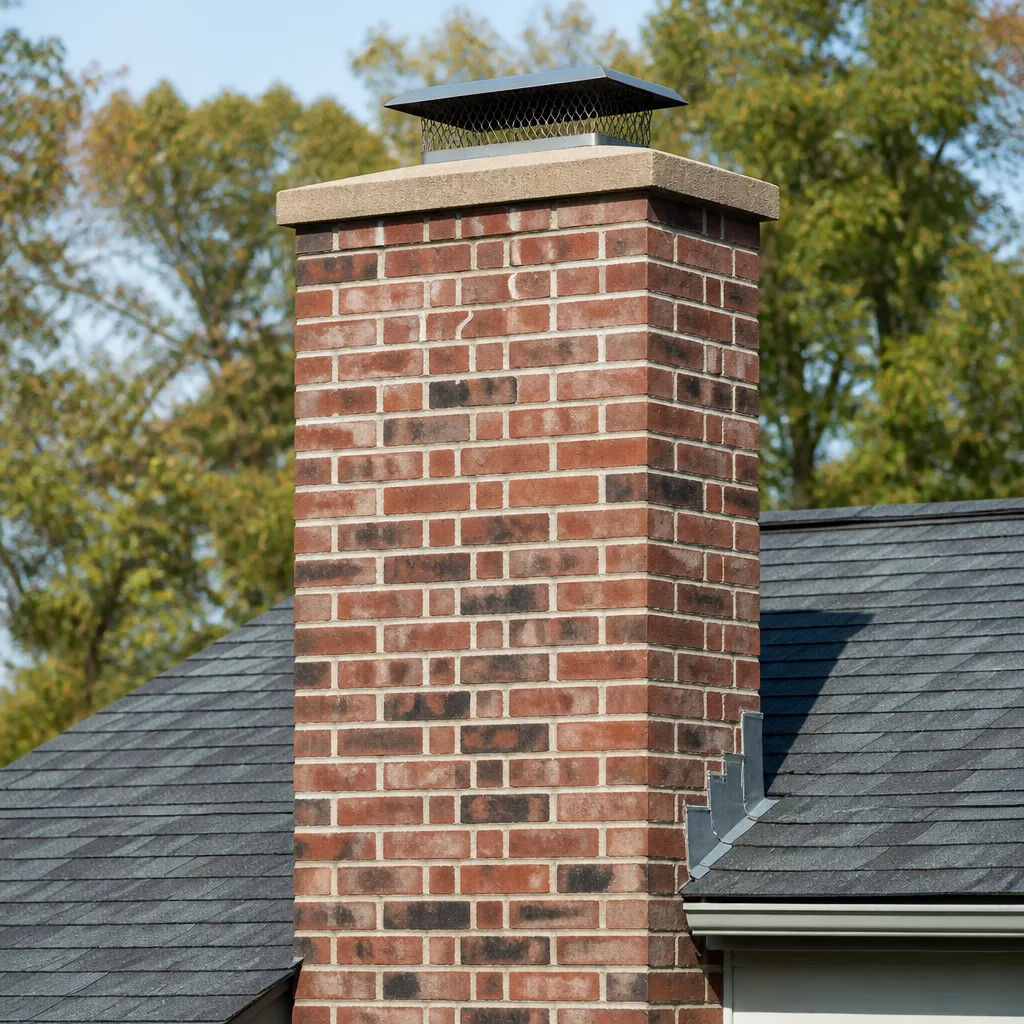 Masonry repair
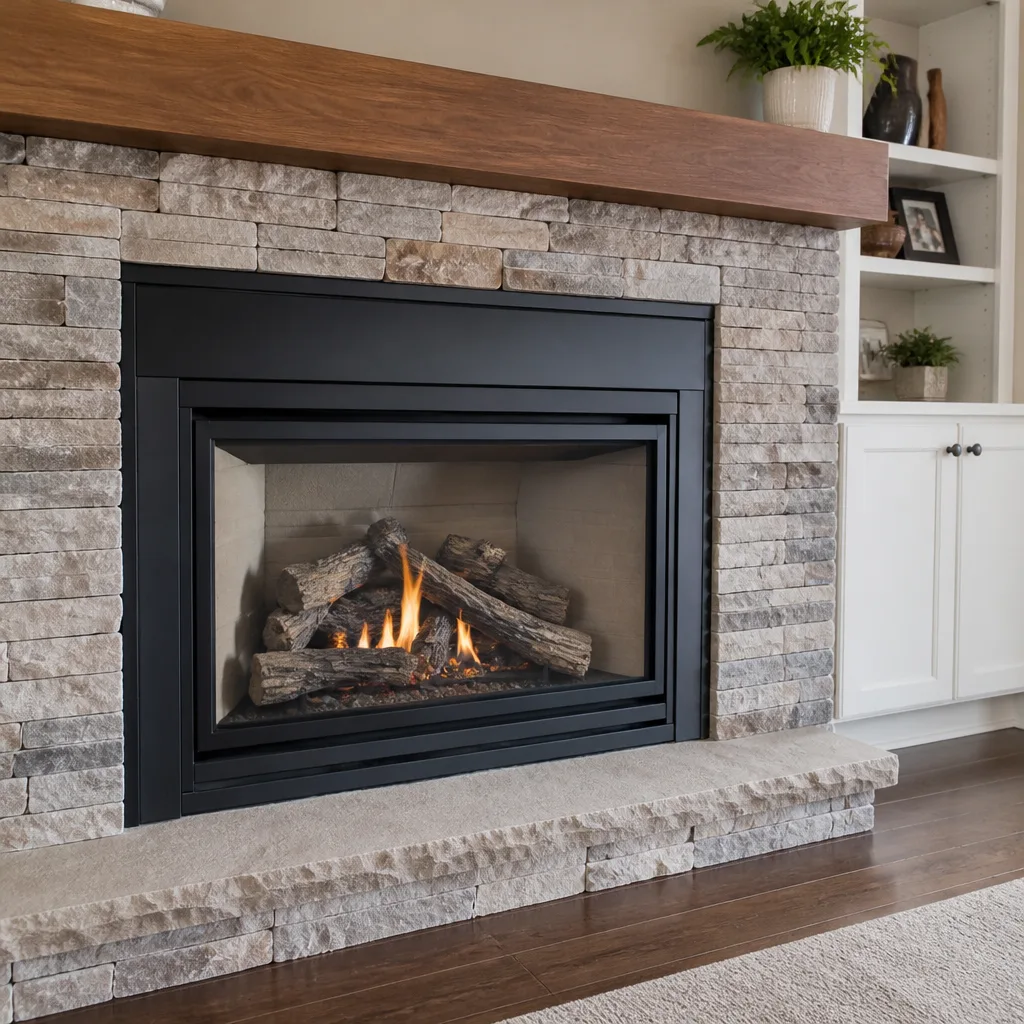 Gas fireplace service
Level 1 sweep and inspection to the NFPA 211 annual standard - flue, crown, cap, and flashing checked and photographed
Chimney sweep logs do not sweep chimneys. They loosen some creosote - which then falls where a brush and vacuum still have to collect it.
Seasonal Chimney Cleaning Care for Clearwater: Year-Round Homeowner’s Guide
The advice to get your chimney swept once a year was written for climates where fireplaces run from October through April. In Clearwater, where you might light the fireplace a dozen times between December and February, that same advice misses three other seasonal threats that have nothing to do with creosote. A single annual sweep keeps the flue clean, but it doesn’t tell you whether your cap survived a summer of driving rain, whether a chimney swift has claimed the flue as a nest, or whether humidity has quietly been working on the brick all year. This guide lays out the four real maintenance windows Clearwater homeowners actually face, what belongs in each one, and when a sweep or a repair genuinely can’t wait. By the end you’ll know what your chimney needs in every season, not just the cold one.
Quick Answer
A year-round chimney care calendar in Clearwater has four distinct windows rather than one annual sweep: a winter burn-season check tied to how often you actually use the fireplace, a spring window to lock out nesting birds before they settle in, a summer window to prepare the cap, crown, flashing, and damper for storm season, and a fall window to clear debris and confirm the flue is ready for the first fire. Humidity cycling across the year also slowly damages brick and mortar, so seasonal inspection catches that before it becomes a repair.
Styles & brands we work with
- Sweep & inspection
- Caps & crowns
- Flue relining
- Masonry repair
- Gas fireplace service
Table of Contents
- Why Clearwater Chimneys Don’t Follow the Standard One-Sweep Rule
- Winter (December – February): Matching Your Sweep to Your Real Burn Frequency
- Spring (March – May): The Chimney Swift Window and What the Migratory Bird Treaty Act Requires
- Summer (June – August): Storm-Season Prep for Cap, Crown, Flashing, and Damper
- Fall (September – November): Post-Storm Assessment and Pre-Season Sweep Timing
- How Clearwater’s Humidity Cycling Damages Brick Chimneys Without Any Freezing
- Your Year-Round Maintenance Calendar at a Glance
- Don’t Forget the Dryer Vent in Your Seasonal Routine
Why Clearwater Chimneys Don’t Follow the Standard One-Sweep Rule
Most national chimney advice assumes a long heating season. A homeowner in a colder climate burns wood for five or six months, builds up a thick layer of creosote, and needs a sweep before the flue gets dangerous. Clearwater works differently. Our heating season is short and mild, so a fireplace might run a modest number of evenings from December into February and then sit idle for the rest of the year. That means creosote accumulation is only one item on your list, and often not the most urgent one.
What fills the rest of the year is weather, wildlife, and moisture. The same Gulf Coast humidity that keeps Clearwater green through the winter also cycles through your chimney structure constantly. Rain blows into an uncapped flue. Damp air and warm brick create the conditions for efflorescence, the white powdery staining that signals moisture moving through masonry, and eventually for spalling, where the face of the brick flakes off. None of that requires freezing temperatures. It just requires moisture and time.
The chimney structure also needs protection against things that fly and nesting birds that follow the seasons. A missing or damaged cap is a route for rain, debris, and animals into the flue. Each of those problems has a better season to catch it than others, which is why this Clearwater guide is built around four windows instead of one annual appointment. Treat the sweep as one item in a year-round relationship with the chimney, and the gaps in the standard advice close.
At Charter Chimney Sweep we treat the chimney as a full system, not just a flue to brush. That matters most in a climate where the threats change every few months.
Winter (December – February): Matching Your Sweep to Your Real Burn Frequency
In Clearwater, winter is short and the fireplace sees light, intermittent use. The question isn’t whether you swept this year, it’s whether the sweep is calibrated to the creosote your particular burn pattern actually produces. A homeowner who lights the fire a few evenings a month creates a thin, dry, flaky deposit. A homeowner who burns through a full cord and heats with the stove creates something thicker and more stubborn. These two cases call for different attention, and one of the real values of a professional inspection is accurately reading which one you have.
Here is how low-use and high-use creosote behave differently through the winter:
- Low-use creosote – thin, dry, and flaky, it brushes away easily. Often a single mid-season or end-of-season sweep is genuinely sufficient when the fire has run lightly.
- High-use creosote – denser and darker, with a sticky or glazed look if the wood was poorly seasoned or the fire was starved of air. This kind needs more frequent sweeping and closer inspection, because it sits in the smoke path and builds up faster.
- Signs that a mid-season sweep can’t wait – a strong campfire smell in the room when the fire isn’t lit, smoke rolling back into the house, or a visible buildup near the damper.
When a single sweep through the burn window is enough, it’s usually because the fireplace is used lightly and the wood is properly dry. When it isn’t enough, the culprit is usually wet or green wood that produces more creosote per fire. If you’re unsure which camp you’re in, an inspection early in the season tells you the answer and lets you plan the rest of the winter around it.
If something smells wrong or the fire isn’t drawing cleanly, book a chimney sweep rather than waiting until the season ends. We work in Clearwater through the winter months, and a documented, by-the-book inspection shows you exactly what’s in the flue so you can decide with facts.
Spring (March – May): The Chimney Swift Window and What the Migratory Bird Treaty Act Requires
Spring is the highest-risk window for chimney swift nesting, and it’s the season homeowners most often overlook. Chimney swifts are small, fast birds that migrate north in spring and look for a dark vertical shaft to build a nest against. Your uncapped or damaged chimney is exactly the kind of opening they’re after. Once a nest goes in, it doesn’t just block the flue, it turns your chimney into an active nesting site, and that changes what you, and anyone you hire, are allowed to do.
The Migratory Bird Treaty Act protects chimney swifts, their nests, eggs, and young. In practical terms for a homeowner:
- You cannot remove an active nest. If swifts are nesting, the nest stays until the young have fledged and left, which typically happens later in the season.
- A contractor can’t clear the flue while a nest is active. Reputable technicians will confirm the flue is clear of active nesting before any sweep, and will document it.
- Prevention is the legal and sensible move. A properly fitted, code-compliant cap installed before spring keeps swifts out in the first place, which protects both the birds and your chimney.
This is why spring timing matters. The right time to install or repair a cap in Clearwater is before the birds arrive, not after they’ve moved in and you’re waiting out the season. If a nest has already formed, we can inspect, explain the timeline, and plan the cap work for as soon as the flue is legally clear.
Spring is also your best window for the cap and crown work covered in the next section. Scheduling a cap installation or replacement in spring means storm season arrives with the flue already protected.
Summer (June – August): Storm-Season Prep for Cap, Crown, Flashing, and Damper
Summer in Clearwater is storm season, and the chimney’s job before the peak is to be watertight. Rain that finds a way in doesn’t just make the fire hard to light in winter; it damages the masonry, rusts metal components, and rots the framing around the chimney over time. The pre-storm checklist is short and specific, and a professional inspection covers all of it:
- Cap and spark arrestor. Confirm the cap is present, intact, and correctly sized. A loose or damaged cap lets rain and wildlife straight into the flue.
- Crown. The crown is the sloped concrete or masonry top that sheds water away from the flue. Cracks in the crown hold water against the chimney and need to be sealed or rebuilt before the rains arrive.
- Flashing. The metal where the chimney meets the roof is the most common leak point on any home. If flashing is lifted, rusted, or poorly sealed, water gets into the house and the ceiling below.
- Damper. A damper that won’t close tightly lets humid air and rain into the flue when the fireplace isn’t in use. Check that it opens and closes freely and seats properly.
We install caps and vent components from Gelco and Olympia Chimney, and we use DuraFlex liner systems when a deteriorated flue needs relining rather than a quick patch. One crew diagnosing and fixing the same problem is a real advantage before storm season, since there’s no referral loop when something needs relining or resurfacing. Summer is also the ideal time to schedule the repair work, because it’s the season when you’re not depending on the fireplace.
Get a professional out to look at the cap, crown, flashing, and damper in early summer, and note any issues for repair before peak storm months. Small leaks caught in June are cheap to fix. Water damage discovered in October is not.
Fall (September – November): Post-Storm Assessment and Pre-Season Sweep Timing
Fall is your pre-season window, and it has three jobs: assess any storm damage, confirm the flue is clear of any lingering nest debris, and get the sweep done in time to be ready for the first fire. After a summer of storms, the inspection is the priority. Storm-driven rain and wind can lift flashing, crack a crown, or drop leaves and twigs into an uncapped flue. A sweep at the start of fall clears that debris before the burn season starts.
Order the fall work this way:
- Storm assessment. Check the cap, crown, and flashing for visible damage from the summer. Note any missing pieces, cracks, or staining.
- Nest clearance confirmation. Confirm the flue is clear of any leftover nest material from the spring, and sweep the debris out.
- Pre-season sweep. Schedule the sweep before the first fires, so creosote and debris from the prior season are gone and the flue is ready.
- Start of season inspection. Confirm the damper, chimney cap, and any repair work are all in good order before the first fire is lit.
In Clearwater, the first fires are often in December, so the fall window runs roughly September into November. Having the sweep and any repairs done in that window means you’re not waiting on a crew when you actually want to light a fire. Waiting until the week you want to burn is how small jobs become rushed ones.
How Clearwater’s Humidity Cycling Damages Brick Chimneys Without Any Freezing
Most chimney advice about brick damage assumes freezing and thawing. Clearwater doesn’t get that kind of winter, but our masonry still fails, and the cause is moisture cycling through warm weather. Brick is porous. It absorbs moisture from humid air and from driven rain, and that moisture migrates outward as it dries. Every wet-dry cycle draws salts through the brick, and those salts deposit on the surface as a white powdery bloom called efflorescence. It’s a visible sign that moisture is moving through the masonry.
Left alone, that cycle moves from cosmetic to structural. The moisture expands and contracts against the face of the brick and eventually flakes it off, which is spalling. Mortar joints soften and recede. Water moves further into the structure and finds the framing. A Clearwater chimney subjected to this for years can require repairs a comparably aged chimney in a drier climate never needs.
The seasonal defenses are straightforward:
- Keep the cap and crown in good repair. Most of the water that starts this damage comes in from the top, not from the sides.
- Check the flashing every season. Roof penetrations are the other big entry point for moisture.
- Repair masonry when it’s small. A cracked crown or receding joint caught in spring is a repair. Left through several wet cycles, it’s a rebuild.
If you see white staining on the brick, it means moisture has been working there long enough to show up. That’s worth a professional inspection and a recommendation about sealing or repair, done before the next rainy season. Our technicians have up to 15 years of experience reading what masonry tells them about moisture, and we’ll show you what we see rather than just naming a price.
Your Year-Round Maintenance Calendar at a Glance
Here is the whole framework compressed into one reference you can keep. The point isn’t to add appointments. It’s to catch each seasonal problem at the moment it’s cheapest to fix.
- Winter (Dec – Feb): Inspect early in the season. Sweep once mid- or end-of-season if the fire has been used heavily. Watch for smoke rollback, lingering odors, and visible buildup near the damper.
- Spring (Mar – May): Install or repair the cap before swifts arrive. If nesting has occurred, schedule cap work after the young have fledged. Look at crown and flashing while you’re out there.
- Summer (Jun – Aug): Full storm-season prep: cap, crown, flashing, and damper. Schedule any relining or resurfacing now, before burn season. This is the best repair window of the year.
- Fall (Sep – Nov): Post-storm assessment, nest-debris clearance, and the pre-season sweep. Confirm repairs are complete before first fires.
Read as a whole, this is what seasonal chimney care means in Clearwater. The sweep is one item in a rotating list, and each season has its own job. If you take only one thing from this guide, take this: the gaps between annual cleanings are where the damage happens, and closing those gaps is what the year-round approach is for.
Don’t Forget the Dryer Vent in Your Seasonal Routine
Most chimney care guides end at the chimney, and most chimney-only companies do too. But the seasonal framework has an obvious gap if you own a dryer, because a dryer vent left uncleaned is a fire waiting for a date. Lint accumulates in the exhaust path, reduces airflow, and creates exactly the kind of fuel load that turns a small heat event into a fire. The seasonal cadence is a natural fit: the same check that has you inspecting the chimney cap in spring and the crown in summer is a good reminder to have the dryer vent cleaned at least once during your annual routine.
The Dryer Vent Safety people use the same logic: airflow is everything. A clogged vent makes the dryer work harder, extends drying times, and can overheat the appliance. We offer dryer vent cleaning as a standalone service, performed by the same company that handles the chimney, so the whole seasonal check is a single relationship rather than a stack of unrelated contractors. When you book a seasonal chimney inspection in Clearwater, add the dryer vent to the same visit and close that gap in one pass.
Common Mistakes to Avoid
- Treating one annual sweep as the whole schedule. A single cleaning keeps the flue clear of creosote, but it doesn’t protect the cap, crown, or flashing from a full summer of storms. The other three seasons need their own attention.
- Waiting until the first fire week to book. In Clearwater, that’s often December. The fall window is the right time to sweep and repair, and waiting compresses a manageable list into a rushed one.
- Ignoring the cap because “it’s just a cover.” A missing cap lets rain, leaves, and wildlife straight into the flue, and it’s the single access point that makes swift nesting possible. Keep it intact year-round.
- Sweeping a chimney with an active nest. The Migratory Bird Treaty Act protects chimney swifts, their nests, and their young. Removal isn’t allowed until the young have fledged. Confirm the flue is clear before any sweep.
- Reading white staining as cosmetic. Efflorescence means moisture is moving through the masonry. Ignoring it lets the process continue toward spalling and mortar failure, which is a much bigger repair than sealing a surface.
- Leaving the dryer vent out of the seasonal check. Lint in the exhaust path is a real fire hazard, and the same seasonal visit that inspects the chimney is a natural time to clear it. Chimney-only companies skip it entirely.
- Patching instead of fixing. A cap nailed over a cracked crown, or a liner shoved in without checking flue sizing or clearances, is a shortcut that fails within a season or two. Proper repairs are documented and to spec.
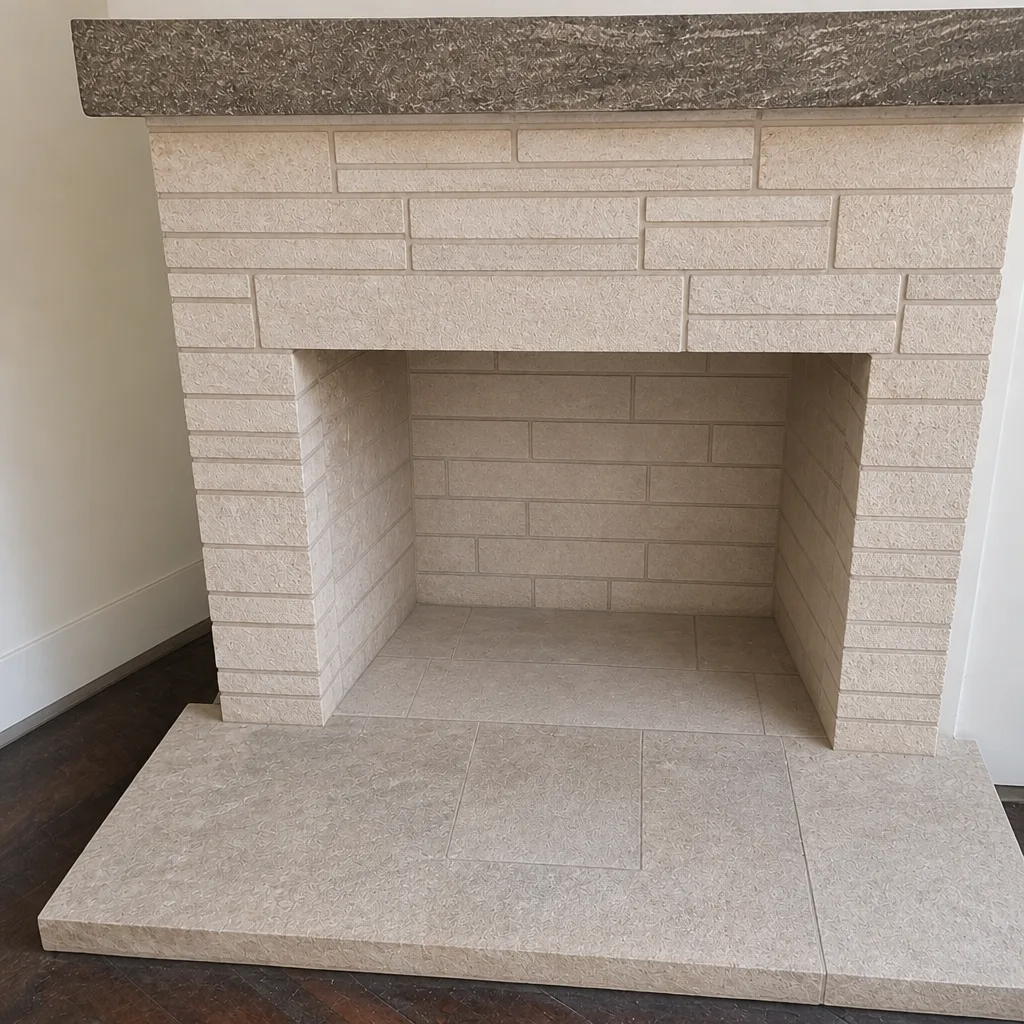
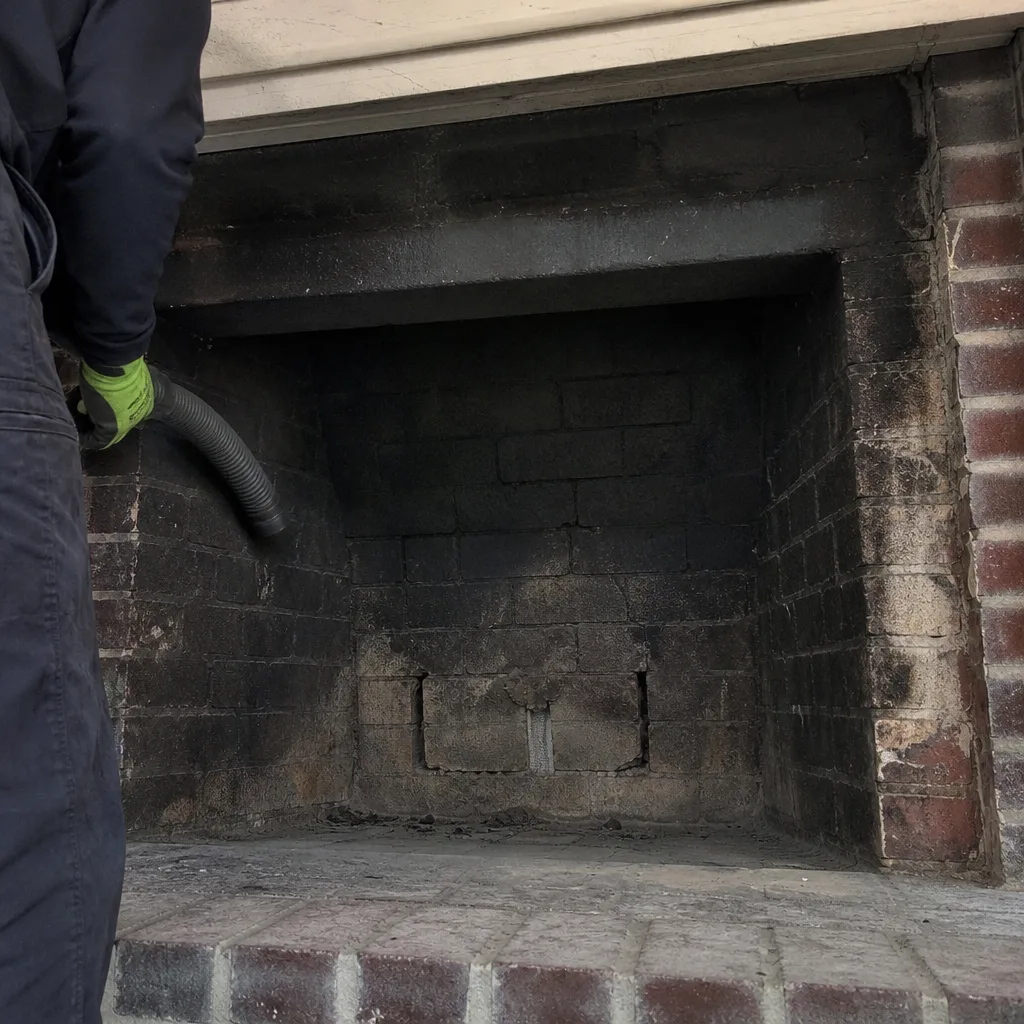
See the difference
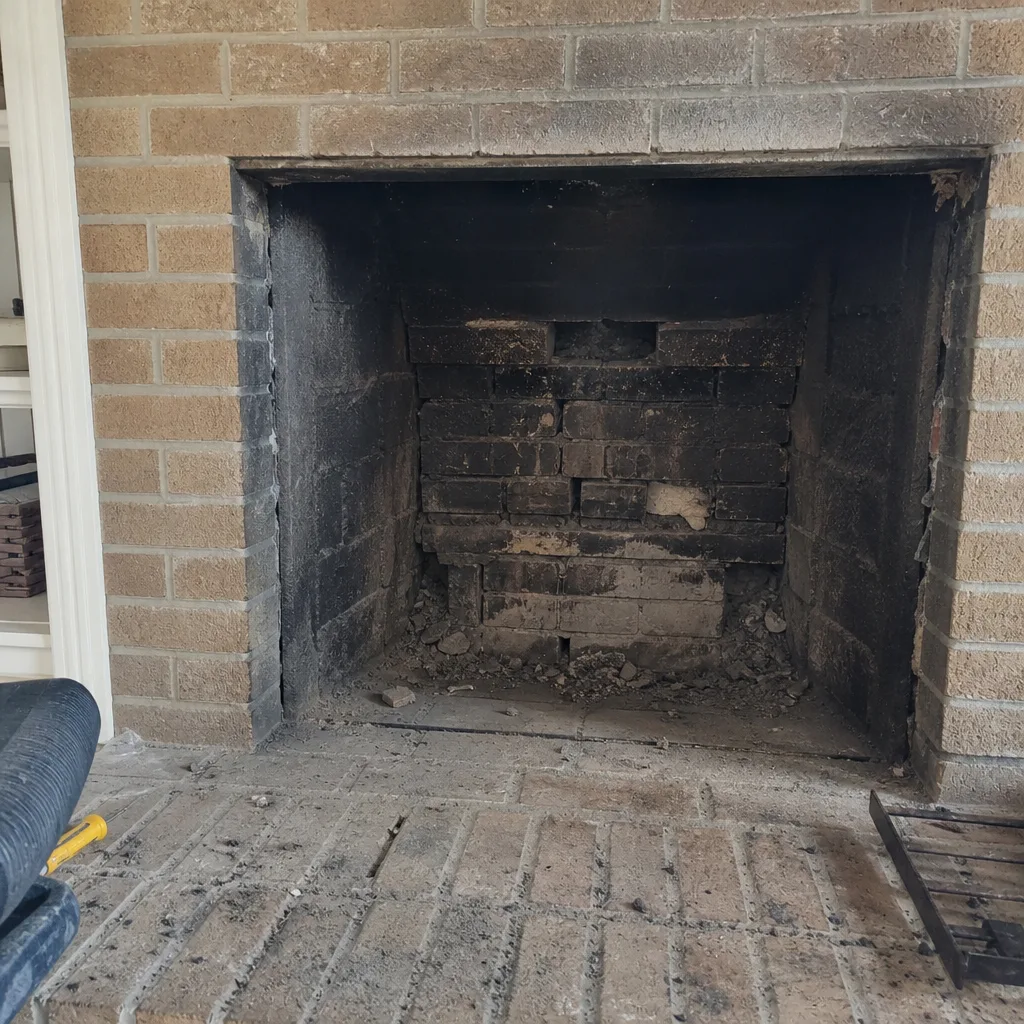 Before
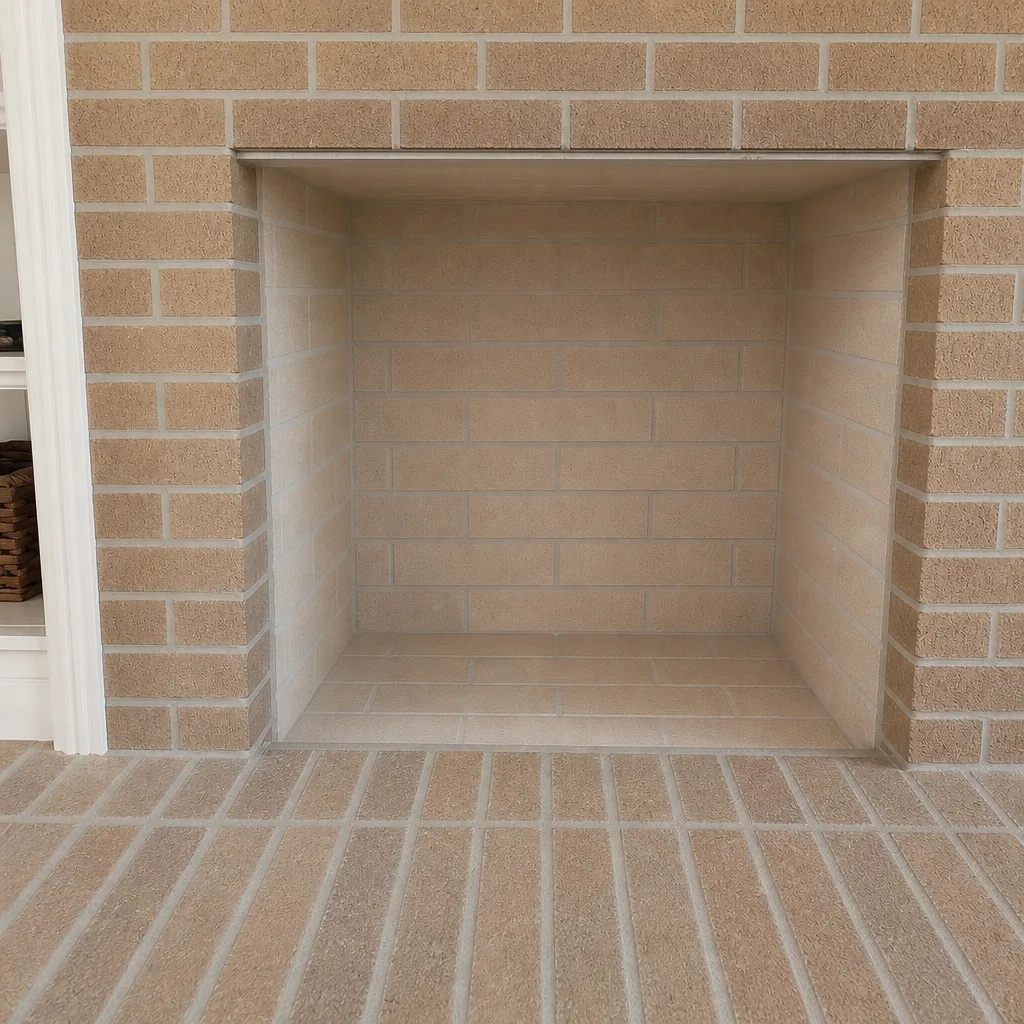 After
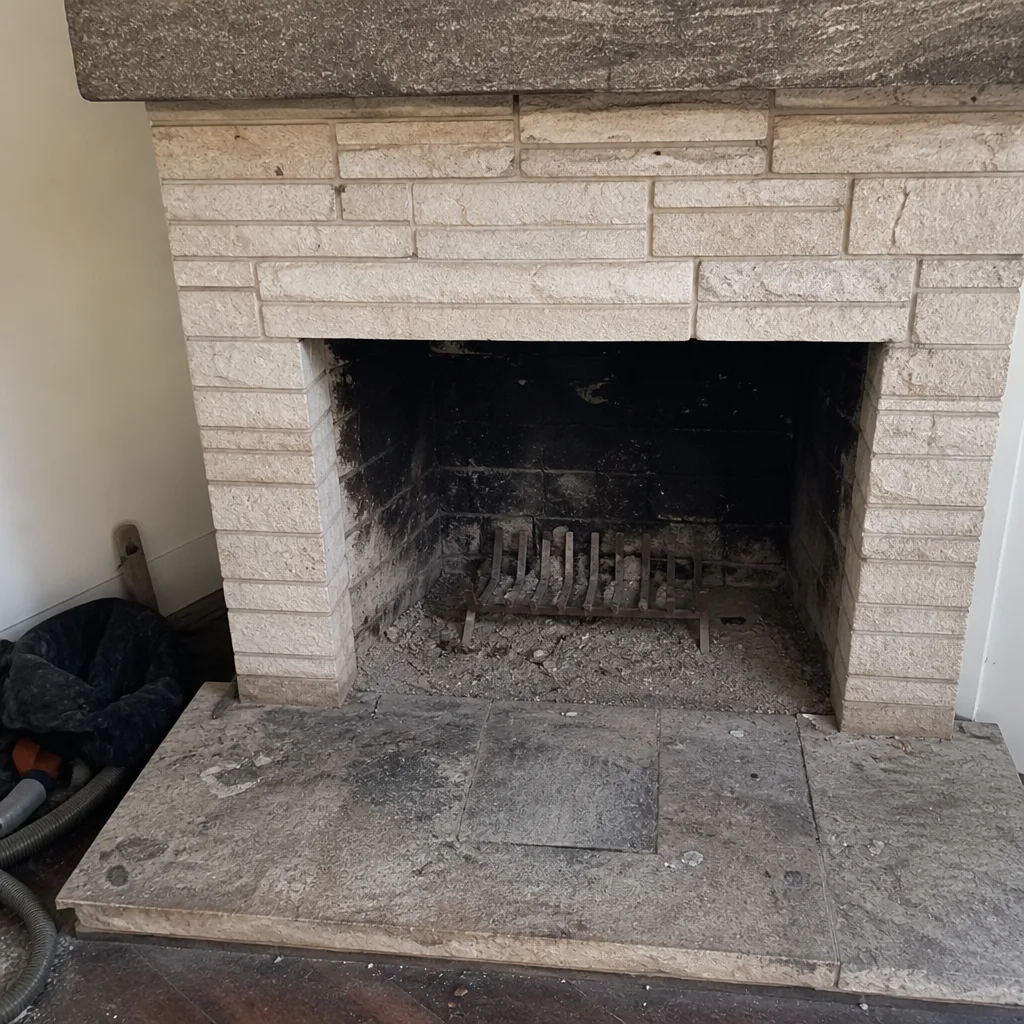 Before
 After
 Before
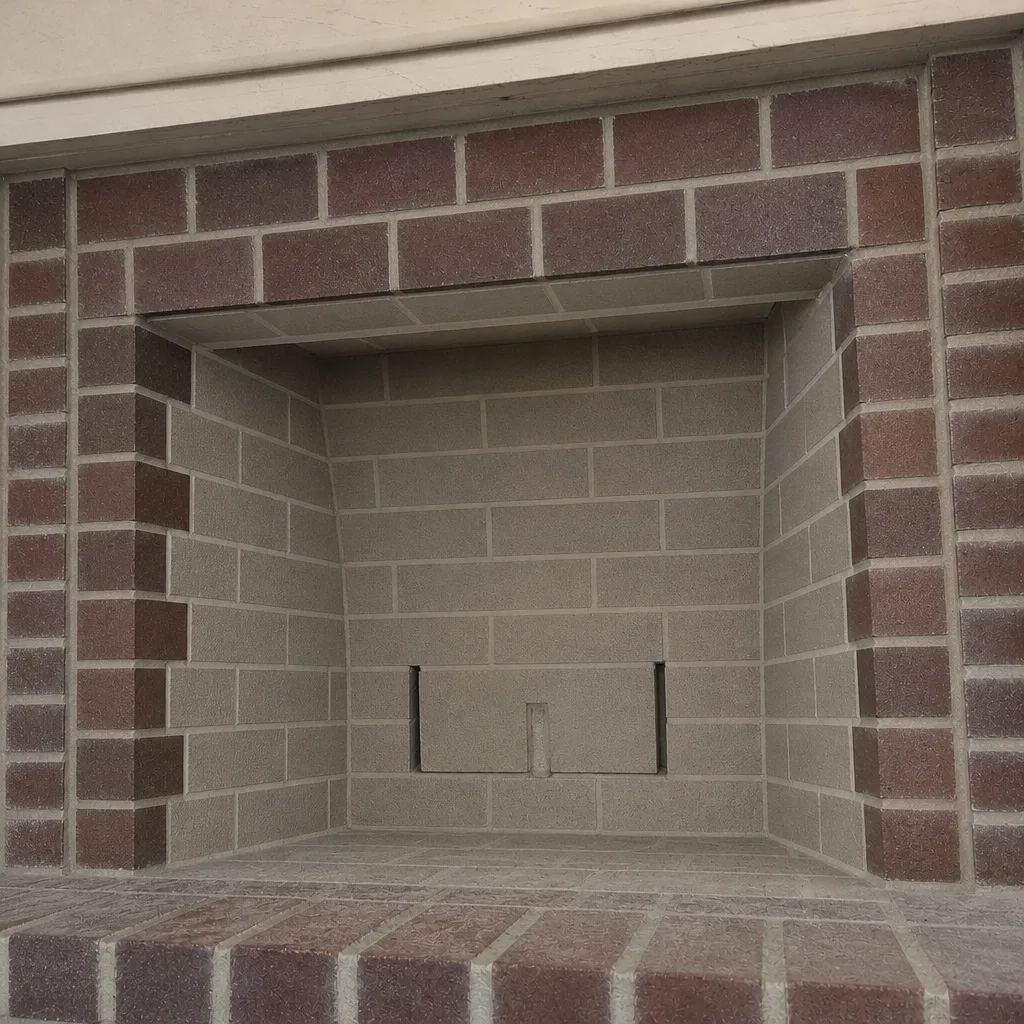 After
When to Call a Professional
Some chimney issues are fine to note on your calendar and handle in the next window. Others need a call now. Get a professional out promptly if you see smoke rolling back into the room when the fire is lit, smell a strong campfire odor in the house when the fire is off, or see visible creosote or a blocked flue near the damper. Call before you use the fireplace again if the cap is missing or damaged, if you see white staining on the brick that suggests ongoing moisture, if the damper won’t close, or if you suspect a swift is nesting in the flue. And if your dryer is taking noticeably longer to dry or the vent looks coated in lint, that’s a dryer vent call in its own right.
Charter Chimney Sweep offers free estimates in Clearwater. We sweep, repair, reline, and resurface the flue from the same company, using professional-grade materials from suppliers like HeatShield and Copperfield, and we’ll tell you plainly when a repair can safely wait. Call (844) 989-2870 to book an inspection or estimate. We answer 24/7, with fast dispatch from 7am to 7pm, Sunday through Friday. You’ll see the evidence for any recommendation before we quote it, so the decision is yours, made on facts you can check.
Frequently Asked Questions
Most Clearwater chimneys that see light, intermittent winter use need one sweep per season, timed to how often the fireplace actually runs. If you burn heavily or use wet or green wood, the flue may need a mid-season sweep as well. Book early in the season so we can assess buildup against your real burn pattern. Call (844) 989-2870 for an exact quote, estimates are free.
Only if the flue interior has deteriorated enough to make a liner unsafe or non-compliant, and you don’t have to take anyone’s word for it. Camera inspection shows you the interior of your flue and captures a photo report you keep, so a relining recommendation comes with visible evidence. When the flue interior is cracked or scaled but still structurally sound, HeatShield resurfacing can restore it and avoid a full replacement; the inspection tells us which applies. If there’s no evidence of a problem, we won’t recommend the work. Call (844) 989-2870 for an exact quote, estimates are free.
Do not remove it while the nest is active. Chimney swifts are protected under the Migratory Bird Treaty Act, and their nests, eggs, and young can’t be disturbed until the birds have fledged and left. A professional can confirm the flue is clear of active nesting before sweeping and plan for cap installation after the flue is legally clear. Call (844) 989-2870 for an exact quote, estimates are free.
Brushing the flue isn’t the same as inspecting it, and a homeowner brush can’t check liner condition, clearances, or the state of the crown and flashing. Climbing to the roof or into the flue to work on the interior carries real injury risk, and brushing alone misses most of the damage this guide describes. A professional inspection catches what a home brush can’t, and it documents what it finds. Call (844) 989-2870 for an exact quote, estimates are free.
Fall, before the first fires, is the ideal pre-season window for a sweep in Clearwater. It clears the prior season’s creosote and storm debris so the flue is ready for the first fire, usually in December. An early-season inspection gives you a second read on the burn pattern once the fireplace is actually running. Call (844) 989-2870 for an exact quote, estimates are free.
It’s a signal worth taking seriously. The white powdery staining, efflorescence, means moisture is moving through the masonry, and left unaddressed it can progress toward spalling and mortar failure. It doesn’t mean the chimney is beyond repair, but it’s a reason to have the brick and the crown inspected. Call (844) 989-2870 for an exact quote, estimates are free.
The Bottom Line
The standard one-sweep rule was built for cold climates. In Clearwater, the chimney has four real maintenance windows, and each one protects against a different seasonal threat: creosote in the short burn season, wildlife nesting in spring, storm-driven water damage in summer, and debris and pre-season readiness in fall. Add the humidity cycling that quietly works on brick year-round, and the case for a year-round schedule instead of a single annual cleaning becomes obvious. The payoff isn’t more appointments, it’s catching small repairs before they grow. If you want to close the gaps with a company that can sweep, inspect, repair, and reline, and clean the dryer vent on the same visit, we’re here.
If something looks wrong, smells wrong, or you’re just not sure, call us at (844) 989-2870. We answer 24/7, with fast dispatch from 7am to 7pm, Sunday through Friday. Estimates are free and set per job by written estimate. We’ll inspect the whole system and tell you plainly what can wait. You can also read more about our services and the city we serve on our Clearwater page, or learn where the full-service approach begins at Charter Chimney Sweep.
Written by the team at Charter Chimney Sweep.