
Last updated November 15, 2026
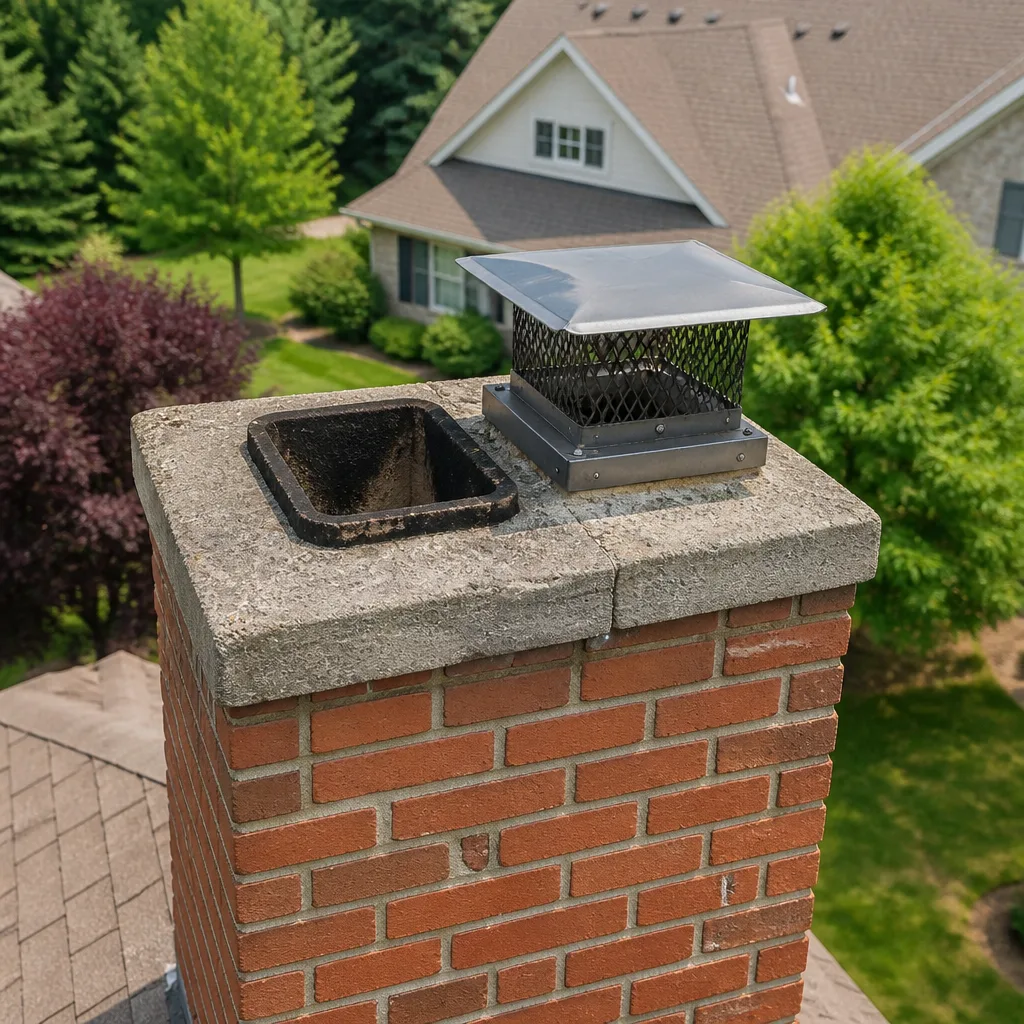 Sweep & inspection
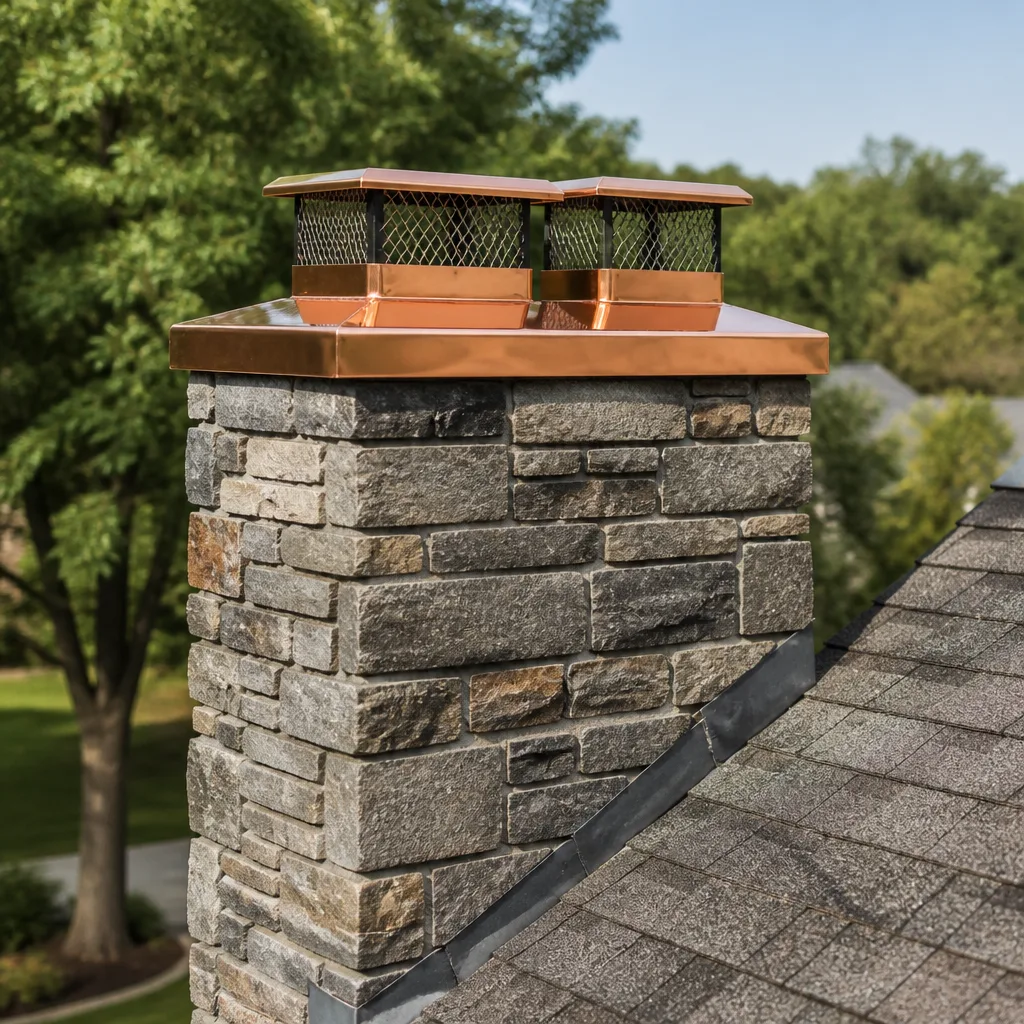 Caps & crowns
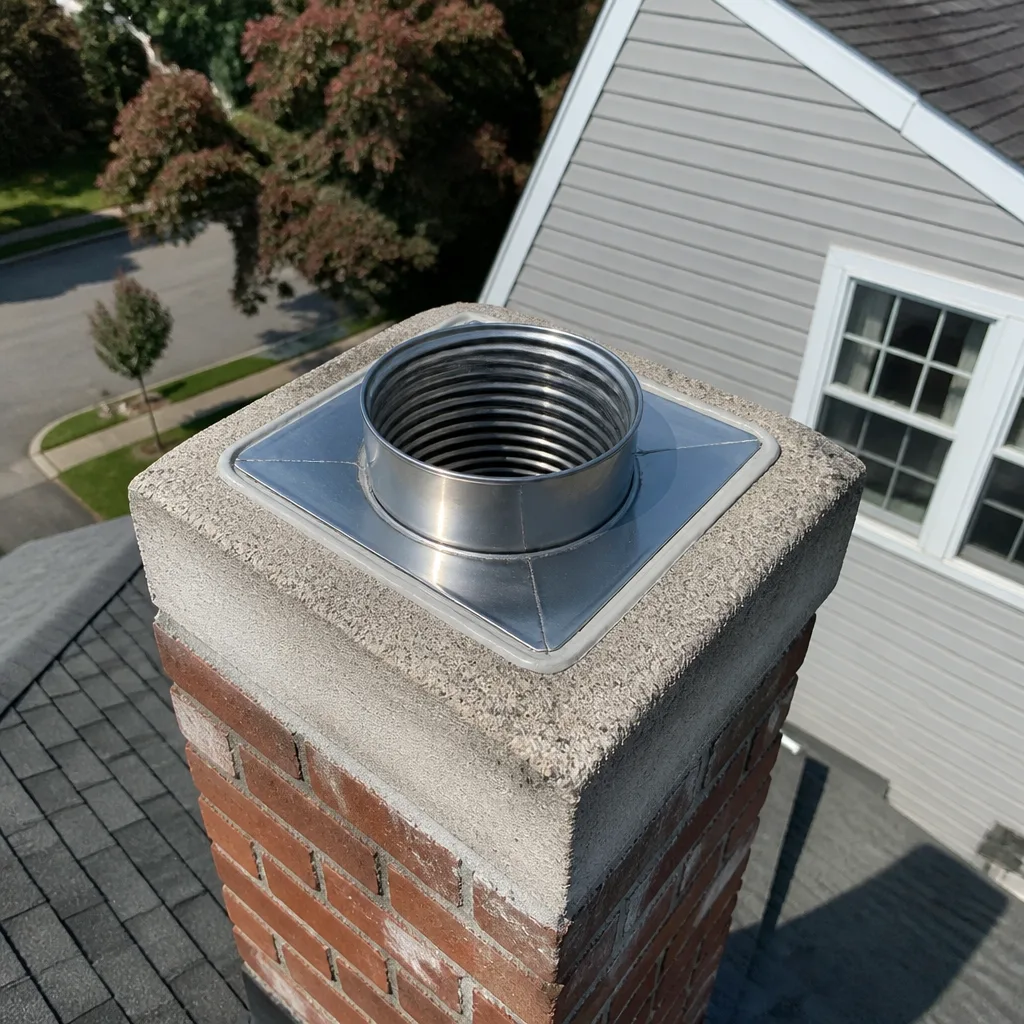 Flue relining
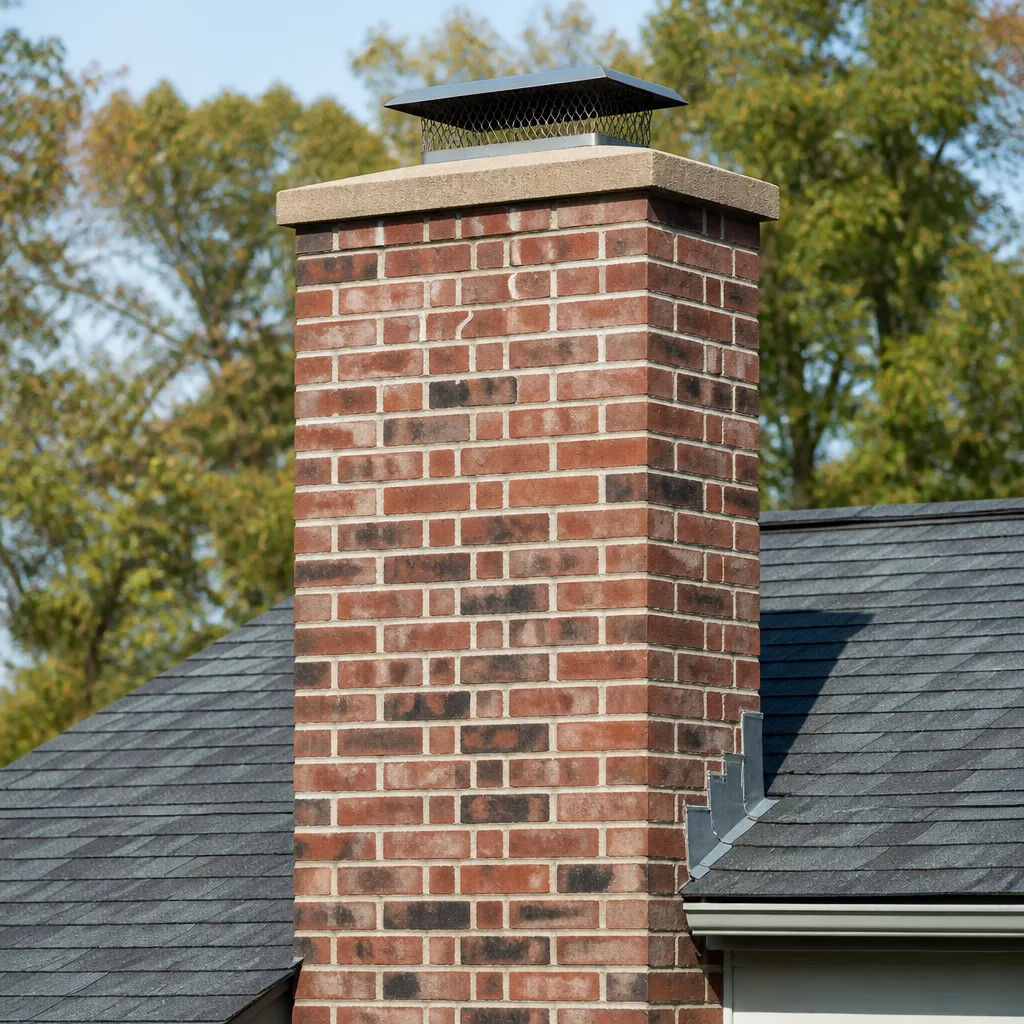 Masonry repair
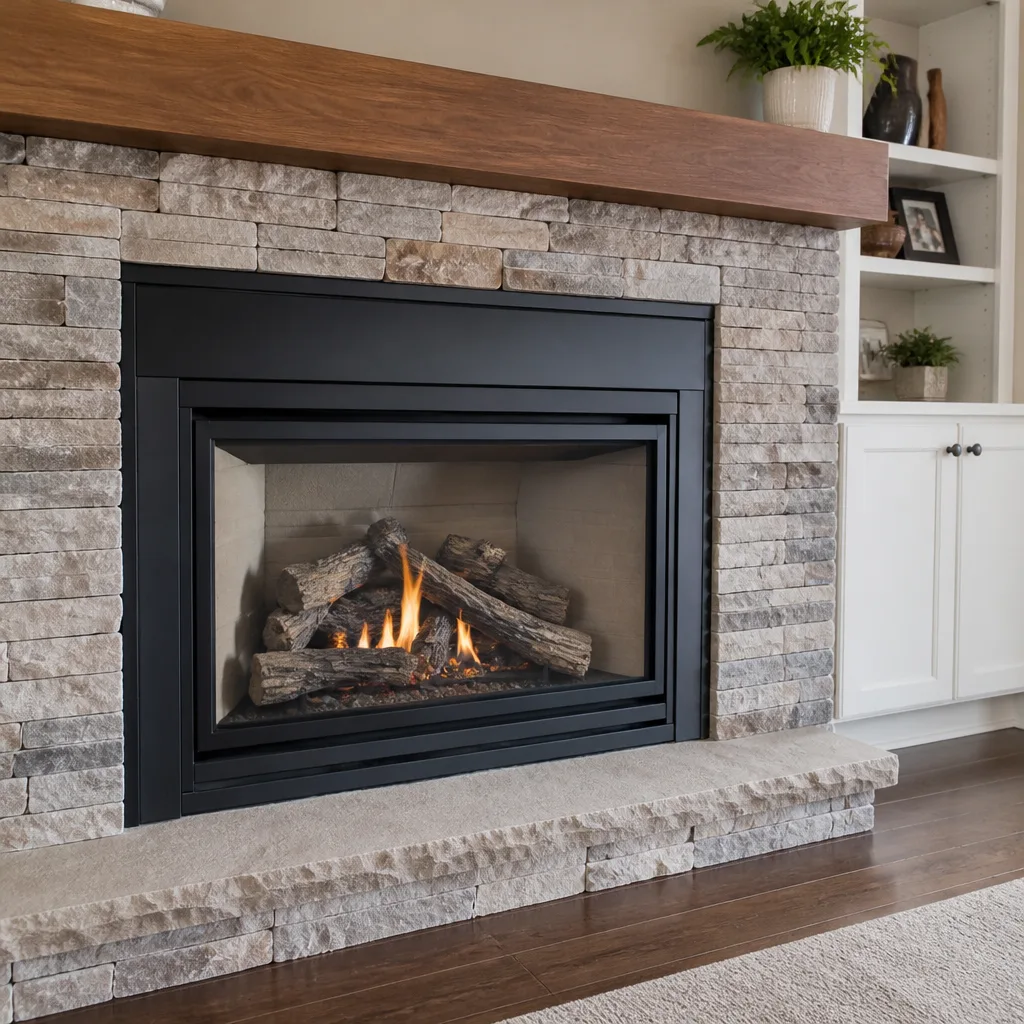 Gas fireplace service
Level 1 sweep and inspection to the NFPA 211 annual standard - flue, crown, cap, and flashing checked and photographed
Chimney sweep logs do not sweep chimneys. They loosen some creosote - which then falls where a brush and vacuum still have to collect it.
Chimney Cleaning Emergency Preparedness Guide for Clearwater Homes
After a named storm passes through Clearwater, chimney sweeps and roofers get the same surge of calls. Not because chimneys are fragile, but because most homeowners never assessed their chimney’s storm readiness before wind and water found the weak points for them. The same is true of the chimney fire: by the time the flue roars, the window for prevention has closed. This guide reframes chimney emergency preparedness as a discipline you practice before the event, not a reaction you improvise after it. You’ll learn how to harden a chimney ahead of storm season, what to check after a storm before you light a fire, how to respond in the first minute of a chimney fire, and what paperwork actually supports an insurance claim. Clearwater homes face a specific set of risks here, and this guide treats them as they are.
Quick Answer
Chimney emergency preparedness in Clearwater means three things done before the event: a professional inspection and sweep so the flue is clear and the components are sound, physical hardening of the cap, crown, and flashing ahead of storm season, and a written record of the chimney’s condition so a damage claim has something to stand on. After a storm, no fire until the flue is checked for debris, the flashing is confirmed in place, and the crown is confirmed intact. A blocked or damaged flue is a carbon monoxide pathway, and that risk is what makes preparation worth the effort.
Styles & brands we work with
- Sweep & inspection
- Caps & crowns
- Flue relining
- Masonry repair
- Gas fireplace service
Table of Contents
- Why Chimneys Fail in Clearwater Storms
- Pre-Hurricane Chimney Hardening: What to Inspect and Secure
- The Pre-Season Sweep: Your First Line of Preparedness
- Post-Storm Chimney Assessment Protocol
- Chimney Fire Response: The First 60 Seconds
- Carbon Monoxide Risk Scenarios Specific to Clearwater
- What Documentation You Need After a Chimney-Related Insurance Claim
- Your Clearwater Chimney Preparedness Calendar
Why Chimneys Fail in Clearwater Storms
A chimney is the one part of the roof that takes wind load from every direction, sheds water from a flat crown, and depends on a thin ribbon of sealant and flashing to stay dry. That’s the whole vulnerability. In Clearwater, the storm season runs long, and wind-driven rain finds every gap that a calm day hides. The chimney isn’t fragile. It’s just exposed, and most of its weak points are invisible from the ground.
There are four failure points we see over and over on Clearwater chimneys after a storm:
- The cap. A chimney cap or cover that was fastened with rusting screws or lightweight straps can lift or shift in high wind. When it goes, rain and debris go straight down the flue. A properly installed cap from a brand like Gelco is anchored to spec, not set on top and hoped for.
- The crown. The crown is the concrete or mortar cap at the top of the chimney that sheds water away from the flue. Hairline cracks let water in, and a storm widens them. Water that gets behind the crown and into the masonry doesn’t announce itself until the damage is deep.
- The flashing. Flashing is the metal seal where the chimney meets the roof. Wind can lift it, and once it’s displaced, water runs down the chimney’s exterior and into the attic or ceiling. This is one of the most common post-storm repairs, and one of the easiest to miss.
- The damper. A damper left open is an open door in a storm. Closed before the weather arrives, it’s a water barrier that costs nothing to deploy.
None of these failures are dramatic on their own. Together they explain why a Clearwater chimney that looked fine in June can leak, smoke, or vent poorly by October. The fix is not to react to each one after the fact. It’s to assess them before the season, on a ladder with a trained eye, and to correct what’s loose or cracked while the weather is still calm.
Pre-Hurricane Chimney Hardening: What to Inspect and Secure
Pre-hurricane chimney hardening is a short, specific checklist, not a renovation. The goal is to confirm that every component that keeps wind and water out of the flue is fastened, sealed, and intact before the first system of the season forms. Do this ahead of storm season, not in the last calm day before a watch is issued.
Here is the sequence we walk homeowners through:
- Check the cap fastening. Look at how the cap or cover is anchored. It should be mechanically fastened to the flue or chase, not resting under its own weight. Loose fasteners should be replaced, and the cap itself should be the right size for the flue. Undersized or oversized caps shift in wind.
- Inspect crown sealant integrity. The crown is where water enters a chimney most often. Hairline cracks should be sealed and the crown’s slope confirmed so water runs off rather than pooling. A crown that has lost its slope needs repair, not a fresh coat of sealant over the problem.
- Reseal the flashing. Check the metal where the chimney meets the roof. Lifted edges, failed sealant, and rusted fasteners all need correction before a storm. This is roofing and chimney work at the same time, and it’s the joint that matters most.
- Confirm the damper closes fully. A damper that sticks open or closes only partway is a water and air pathway. Test it, and if it won’t seat, have it looked at.
- Clear the surrounding roof. Loose branches, palm fronds, and roof debris become projectiles in wind. Anything that can strike the chimney or lodge in the flue should come down before the season.
- Get the flue swept and inspected. A creosote-laden flue is a fire waiting for a date, and a flue already carrying an obstruction is a carbon monoxide risk. Sweeping and inspection before storm season means any issue is caught while the schedule is calm.
Two of these steps require going onto the roof, and that’s a job for someone trained and equipped for height work. We don’t recommend homeowners climb to inspect a crown or flashing themselves. The inspection is one reason to call a sweep before the season, and the repair option, whether it’s a cap from Olympia Chimney or a flashing reseal, can be handled by the same crew that finds the problem.
The Pre-Season Sweep: Your First Line of Preparedness
The single most effective thing you can do to prepare a Clearwater chimney for storm season is also the simplest: have it swept and inspected by a professional before the season begins. A sweep is the service that clears creosote, soot, nests, and debris from the flue. The inspection that comes with it is what tells you whether the cap, crown, flashing, and liner are ready for what’s coming.
In our experience, homeowners contact us in two waves. The first wave calls before the season because they want the chimney checked and swept on a calm schedule. The second wave calls after a storm because something is leaking, smoking, or not venting. The first wave spends less and sleeps better. The second wave is reacting to damage that a pre-season inspection could have caught.
The sweep is also where you get the diagnosis that matters. When we run a camera through the flue, we’re looking for the things a storm will make worse: cracks in the liner, gaps in the mortar joints, a crown that’s already compromised. A professional-grade liner system like DuraFlex is the correct fix when the existing liner won’t hold, and the pre-season sweep is when you find out. The same goes for flue resurfacing. HeatShield is a specialist repair method for a deteriorating flue interior that can sometimes avoid the cost and disruption of a full reline. That decision belongs to the pre-season assessment, not to the cleanup after a storm.
Sweep, inspect, and repair before the season is the prepared position. A chimney sweep on a calm schedule in Clearwater is the same service that keeps the flue efficient through winter, and it doubles as your storm readiness check. Two jobs, one appointment, done while the weather is still on your side.
Post-Storm Chimney Assessment Protocol
After a direct hit or a near-miss, the chimney gets checked before the first fire, not after. That’s the rule, and it exists because the most dangerous thing a homeowner can do after a storm is light a fire in a flue that moved, cracked, or filled with debris. Wind and water leave evidence, and the assessment protocol is about reading it before you use the chimney.
Here is what to look at after a storm, starting from the easiest check and working outward:
- Look for visible debris in or around the firebox. Storm debris, palm fronds, nest material, and leaves can lodge at the top of the flue or drop into the firebox. If anything is visible or the flue smells blocked, no fire until it’s swept.
- Check the cap and crown by sight from the ground. A cap sitting crooked or missing, a crown with new cracks, or visible chimney movement are all reasons to call before lighting. These are hard to see from the ground, which is why the professional inspection is the standard.
- Check the flashing and ceiling for water. Look for water stains on ceilings and walls near the chimney, and for daylight around the flashing from inside the attic. Displaced flashing shows up indoors before it shows up on the roof.
- Smell for smoke or exhaust backdraft. If the chimney smells strongly of smoke after a storm or the firebox pulls air strangely, the flue may be blocked or the pressure has changed. Don’t test it with a fire. Test it by calling for an inspection.
- Check the damper. A damper that won’t open, won’t close, or has been displaced is a sign the assembly moved. It should be assessed before the first fire.
- Have the flue camera-inspected before the first fire. The only way to know the flue is intact and clear is a camera inspection. A flue that looks fine at the top can have a crack or obstruction further down.
One important clarification: an inspection after a storm is not the same as an inspection after a fire. If the chimney has been used since the storm and anything felt wrong, smoke entered the room, or the draft changed, treat it as a potential chimney fire event and have it inspected before the next burn. A fire that burned inside a flue with a crack in the liner can spread into the structure, and the evidence may only show under a camera.
Chimney Fire Response: The First 60 Seconds
What you do in the first minute of a chimney fire determines how the next hour goes. A chimney fire is loud, or it can be silent. Both are possible. The signs include a roaring or rumbling sound from the flue, a dense column of dark smoke, glowing or shaking parts of the chimney, and a smell of hot metal. If you see or hear any of these, get everyone out and call 911.
Before anything else: get people and pets out of the house, then call 911. A chimney fire can spread into the roof structure, and the fire department is the correct first call. Do not try to control it from the firebox. Do not throw water into a hot flue, which can crack masonry or liner and cause a steam injury. Do not climb onto the roof to inspect it during a fire.
Here is the part most people get wrong, and it’s configuration-specific. Many homeowners have heard they should close the damper because it will starve the fire of air and stop it from pulling smoke into the room. That’s the right instinct for some setups, and the wrong one for others. Closing the damper can trap heat and combustibles inside the flue, and in a flue with a compromised liner, closing the damper can raise the pressure and drive flames or hot gas through cracks. The correct guidance starts with 911 and evacuation. If the fire is contained and the fire department advises it, closing the damper can limit air to the fire, but that’s a judgment the responders on scene make, not a universal rule. If in doubt, get out and let them handle it.
After the fire department has cleared the building, the chimney needs a professional inspection before any fire is lit again. A chimney fire can leave a liner cracked, the crown compromised, and mortar joints damaged, and none of that shows from the firebox. Thermal damage can be invisible until a camera inspection. A proper assessment determines whether the flue needs resurfacing, with a HeatShield application, or a liner replacement. If the flue is beyond resurfacing, a DuraFlex liner system is the standard fix. Either way, the chimney is not safe to use until the inspection gives it a clear bill of health.
One reason to choose a full-system specialist is that the inspection, the cleaning, and any repair or relining can happen in one relationship. If a Charter Chimney Sweep inspection finds damage after a fire, we’re equipped to repair and reline rather than hand the work to a subcontractor. That single-company scope is what the “Sweep, repair, and reline – handled by one crew” standard actually means in practice.
Carbon Monoxide Risk Scenarios Specific to Clearwater
Carbon monoxide doesn’t announce itself, and a chimney is one of its pathways. Any fuel-burning appliance that vents through a flue, whether wood, gas, or oil, sends combustion byproducts up and out. When the flue is blocked, the byproducts come back into the house. In Clearwater, there are three scenarios that make this more likely, and each one has a specific remedy.
- Blocked flues from storm debris and nests. After a storm, palm fronds, leaves, and animal nests can block the flue opening or lodge inside the flue. A blocked flue on a gas appliance can vent exhaust straight into a living space. The remedy is a post-storm inspection and sweep before any appliance is used.
- Negative-pressure conditions in tight modern homes. Newer Clearwater homes are built tight, and tight homes can pull air backward through a flue when exhaust fans, dryer vents, or a range hood are running. That backdrafting pulls carbon monoxide into the house even when the flue is clear. The remedy is tested draft, proper venting, and a carbon monoxide alarm on every level.
- Gas appliance venting failures after structural movement. A storm can move a chimney or settle a structure enough to shift the venting connection. That’s a physical failure that a camera inspection or draft test catches and a visual check does not. The remedy is inspection after structural movement before the appliance is used.
Carbon monoxide alarms are the backstop, not the plan. Every Clearwater home with a fuel-burning appliance should have working carbon monoxide alarms on each level, tested monthly. That’s the early warning, and the chimney inspection is the prevention. The two work together.
One point worth making: dryer vents carry a similar risk from a different direction. A dryer vent left uncleaned is a fire waiting for a date. Lint builds up, restricts airflow, and overheats. Most chimney-only companies ignore it entirely. That’s why our dryer vent cleaning is offered as a standalone service alongside chimney work. The same visit that checks the chimney can clear the dryer vent, and both are part of a full home fire-readiness check.
What Documentation You Need After a Chimney-Related Insurance Claim
A chimney damage claim lives or dies on documentation. Most standard homeowner’s policies cover storm damage to a chimney when the cause is a covered event, but the insurer needs proof of the condition before and after, the cause of the damage, and a repair estimate that matches the work needed. The homeowner with photos, a written inspection report, and repair records gets a smoother claim than the homeowner trying to reconstruct it afterward.
Here is what to gather, in order:
- Pre-storm photos and inspection reports. This is the one that most people skip, and it’s the one that matters most. A dated photo set of the cap, crown, flashing, and flue interior from before storm season shows the condition the insurer is comparing against. A written inspection report from a pre-season sweep does the same, and a camera photo report is stronger than a verbal description.
- Post-storm photos of the same components. Take them from the same angles if possible. The comparison is what shows a storm caused the damage rather than age.
- A written inspection report after the storm. A report that identifies the specific damage, the component affected, and the cause. A camera inspection gives an insurer something to review, including the interior of the flue.
- The repair estimate in writing. The estimate should list the components, the materials, and the scope. Brand-level detail helps. An estimate that names a DuraFlex liner system or a HeatShield application reads as a specific scope, and insurers process it more clearly than a lump-sum number.
- Repair records after the work is completed. These matter if a future claim touches the same chimney. A documented repair history shows the chimney was maintained.
One note on insurer conversations: we can work with your insurer on the scope of the work, but the claim itself is yours. What we provide is the documentation, the written inspection report, and the photo report. The homeowner who has all three has a much easier path than one who doesn’t. If you’re working through a claim in Clearwater, call Clearwater at (844) 989-2870 and ask for a documented inspection. The report you get is what you submit.
Your Clearwater Chimney Preparedness Calendar
Preparedness on a calendar is simpler than preparedness in a panic. Here’s how we’d sequence a full year for a Clearwater home with a fireplace, wood stove, or gas appliance.
- Before storm season: professional sweep and camera inspection, cap fastening check, crown sealant check, flashing reseal, damper test, roof debris cleared. This is the big appointment, and it should happen before the first system forms.
- Before the heating season: a second look if the chimney hasn’t been used since the spring inspection, and a sweep if there’s been meaningful use. If the storm season is over and the chimney is intact, this is the burn-ready check.
- After any named storm: post-storm assessment before the first fire. Cap, crown, flashing, flue, damper, and a smell test for backdraft.
- After any chimney fire: professional inspection before any use. No exceptions.
- Year-round: carbon monoxide alarms tested monthly, and a camera inspection any time the draft or the smell of the firebox changes.
Sweep, repair, and reline on one calendar, handled by one crew, is the prepared position. It’s the same appointment that keeps the chimney efficient and the same appointment that makes a storm less likely to find a weak point. We carry the materials to fix what we find, from professional-grade caps and covers to liner systems, and the written report that documents it. That’s the by-the-book standard: proper clearances, correct liner sizing, code-compliant caps and covers, done right the first time.
Common Mistakes to Avoid
- Waiting until after the storm to inspect. Pre-season inspection catches the cap, crown, and flashing issues while a repair is a scheduled job, not an emergency. Post-storm inspection catches what the storm did, but it doesn’t prevent it.
- Lighting a fire after a storm without checking the flue. A blocked or cracked flue is a carbon monoxide pathway. The assessment comes before the fire, every time.
- Closing the damper during a chimney fire without guidance. It’s the right move for some configurations and the wrong one for others. Get everyone out, call 911, and let the responders make that call.
- Skipping documentation before storm season. A claim without pre-storm photos and an inspection report is a claim where you have to prove the cause. Pre-storm documentation is free to make and expensive to lack.
- Ignoring the dryer vent. A dryer vent left uncleaned is a fire waiting for a date, and most chimney-only companies never look at it. A full home fire-readiness check includes it.
- Using a sweep-only provider for a repair. A cleaning that finds a damaged liner and refers the repair out is a cleaning plus a chase for another contractor. We prefer to sweep, diagnose, and reline in one relationship.
- Assuming a calm day means a sound chimney. Cracks in a crown, a loose cap, and displaced flashing are invisible from the ground. The only way to know is the inspection.
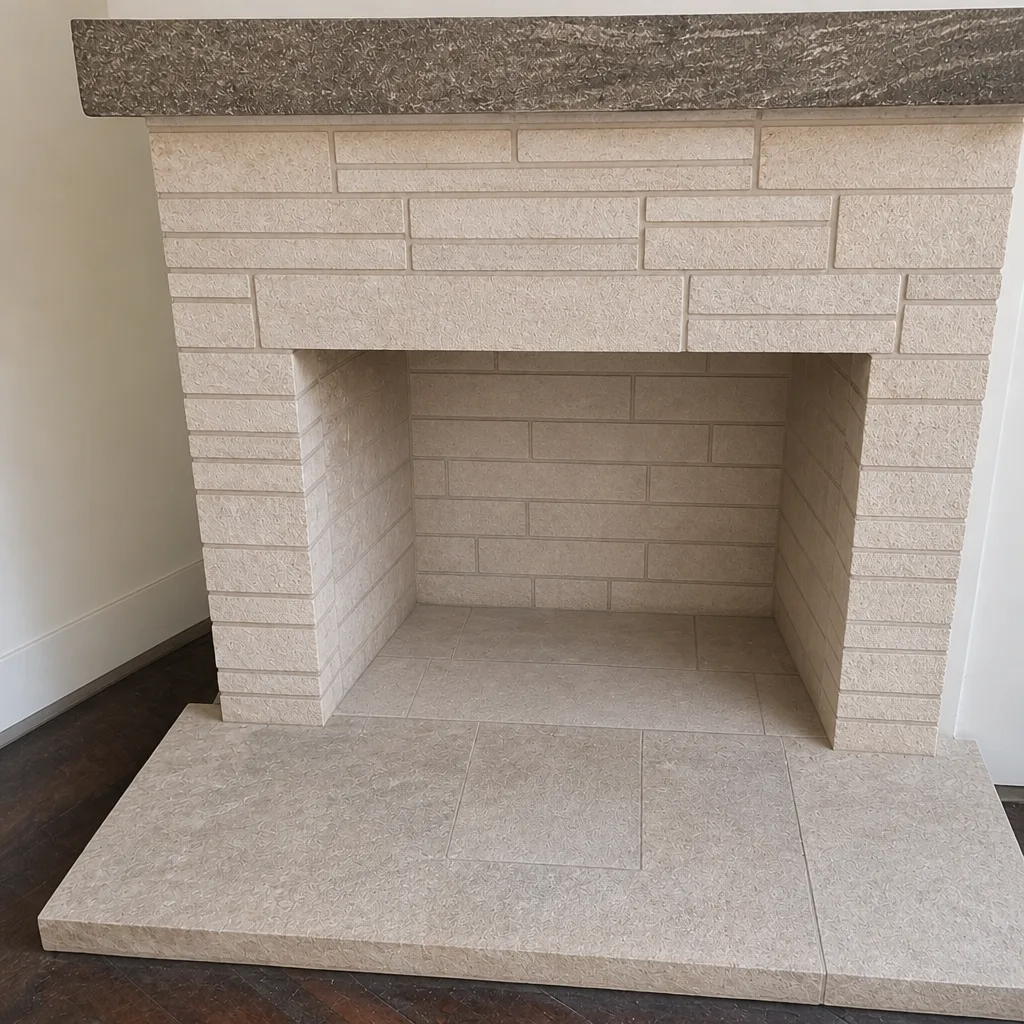
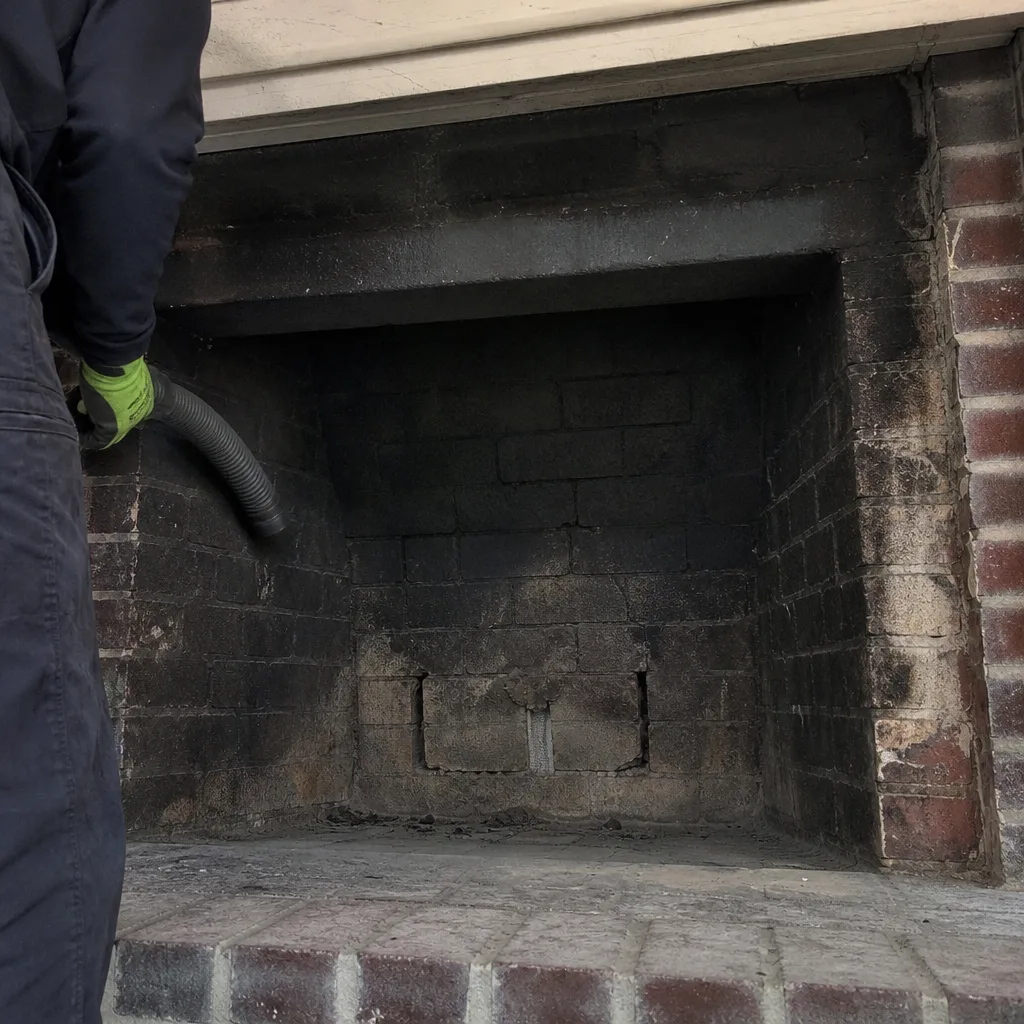
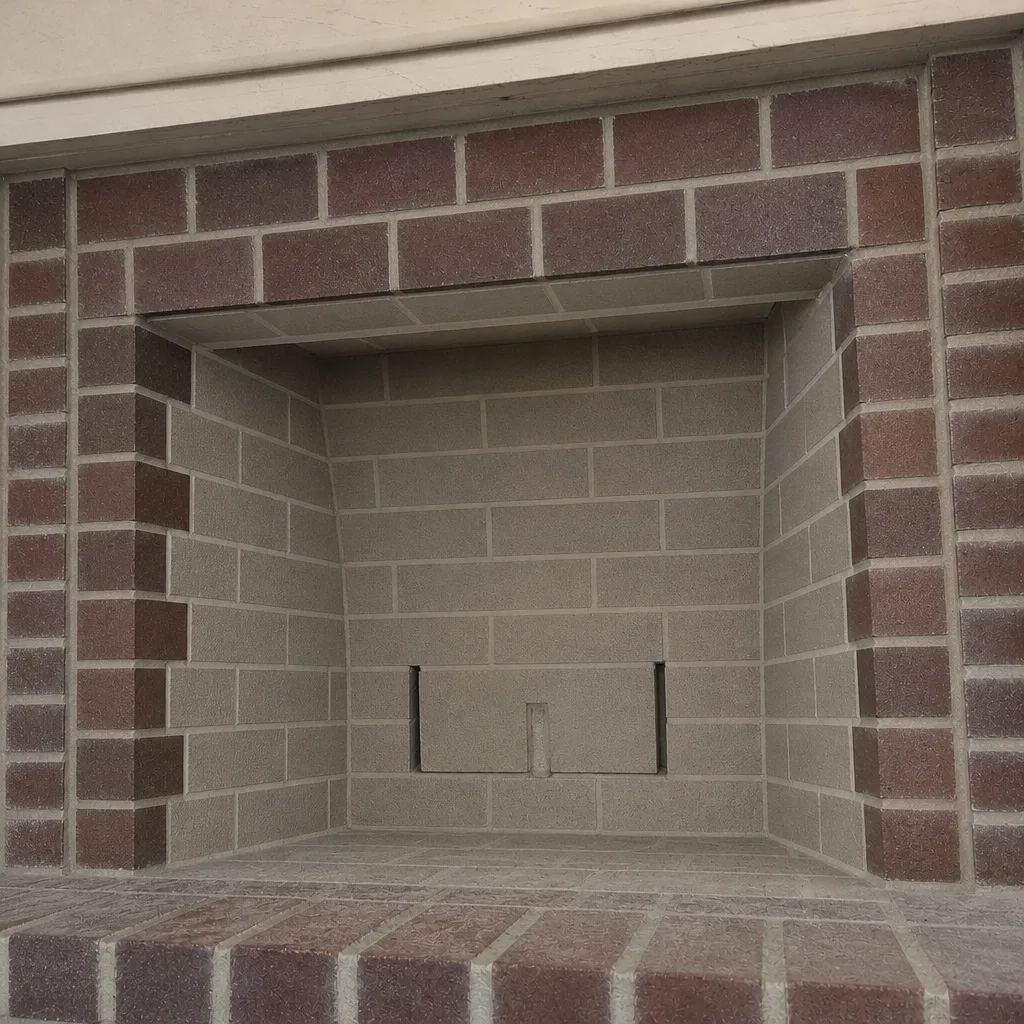
See the difference
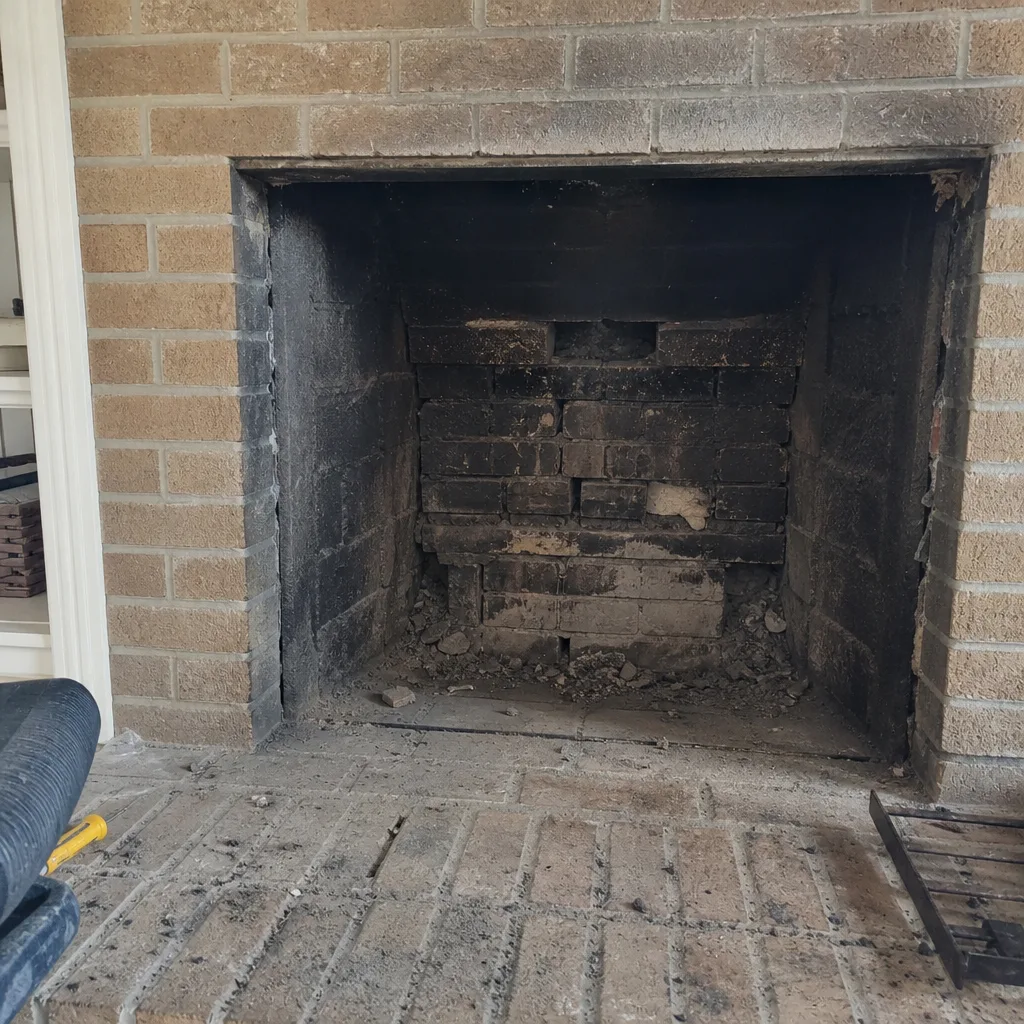 Before
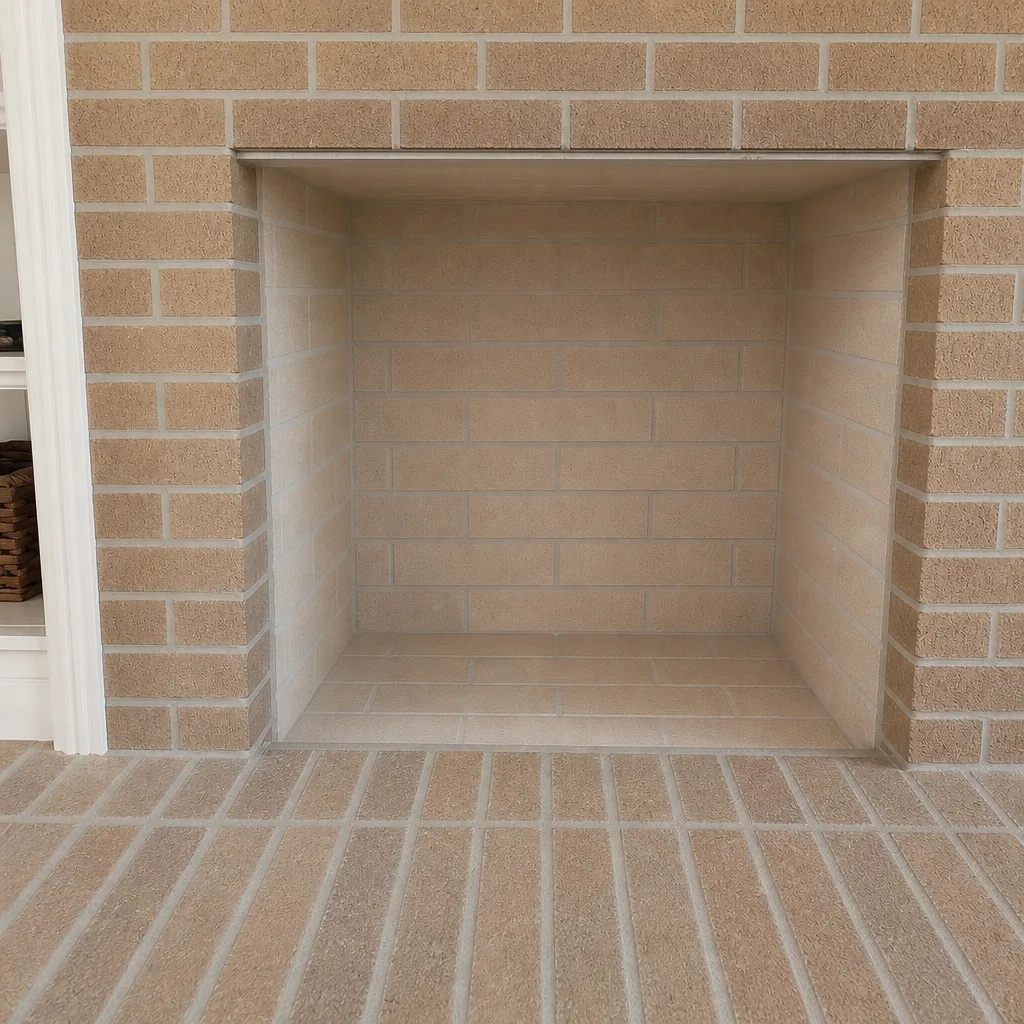 After
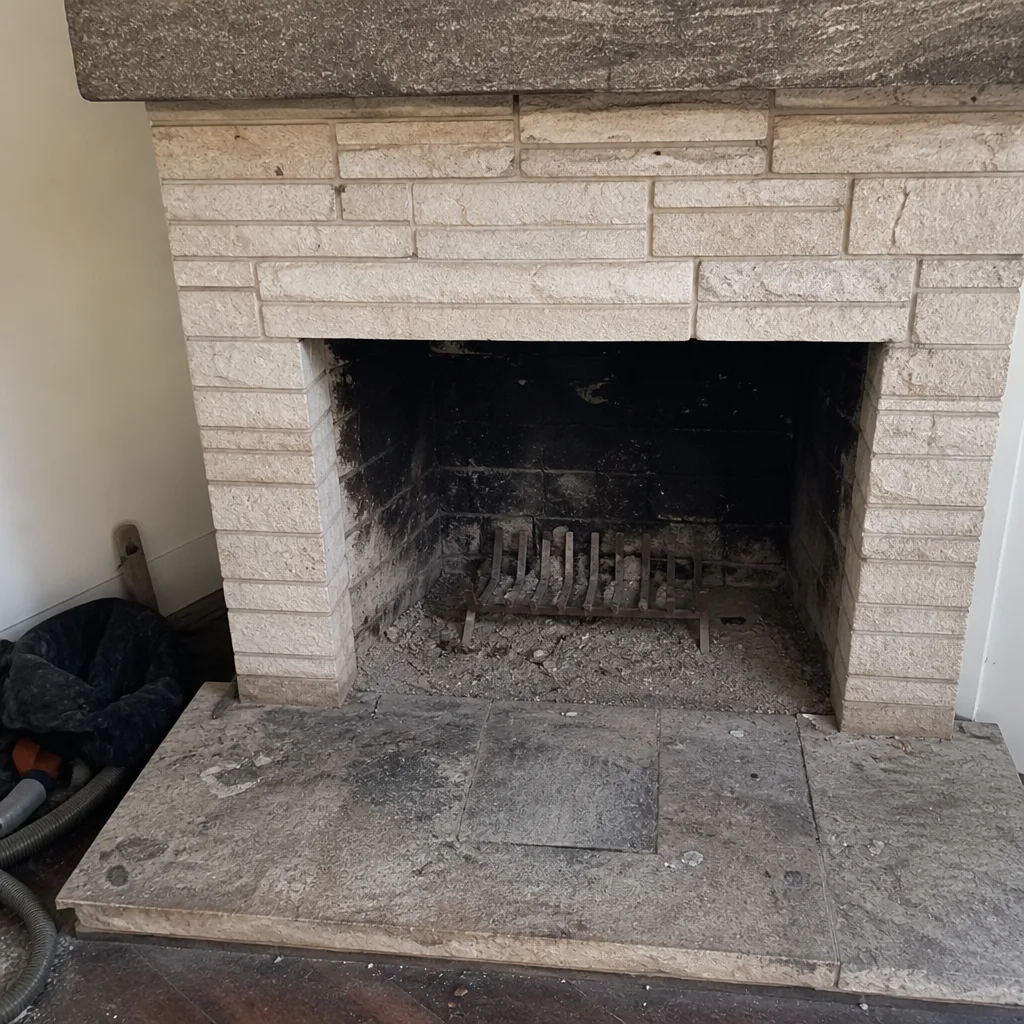 Before
 After
 Before
 After
When to Call a Professional
Call a professional after any chimney fire, before the next burn. Call after any named storm before you light the first fire. Call if you smell smoke in a room without a fire going, if the firebox pulls air strangely, or if the carbon monoxide alarm has sounded. Call if you’ve moved into a Clearwater home and don’t know when the chimney was last inspected. Call before storm season if you want the pre-season sweep and hardening check done on a calm schedule. Call if you’ve never had the flue camera-inspected. The evaluation is free and the price is set per job by the written estimate. Charter Chimney Sweep offers free estimates in Clearwater. Call (844) 989-2870. We answer 24/7. Fast dispatch from 7am to 7pm, Sunday through Friday.
Frequently Asked Questions
Get a professional sweep and camera inspection before the season, confirm the cap is mechanically fastened, check the crown for cracks and confirm its slope sheds water, reseal the flashing where the chimney meets the roof, confirm the damper closes fully, and clear the roof of loose debris. A pre-season inspection produces the written report and photos you’ll want if a storm does cause damage. Call (844) 989-2870 to book the pre-season sweep and inspection. Estimates are free.
Only after the flue has been checked for debris, the cap and crown are confirmed intact, and the flashing is confirmed in place. A blocked flue vents carbon monoxide into the house, and a displaced cap or cracked crown lets water into the masonry. If anything looks or smells wrong, wait for the inspection. Call (844) 989-2870 for a post-storm assessment before you light the first fire.
Get everyone out of the house and call 911. Do not try to control the fire from the firebox, do not throw water into a hot flue, and do not climb onto the roof during the fire. Closing the damper is the right move for some configurations and the wrong one for others, so leave that judgment to the responders on scene. After the fire department clears the building, the chimney needs a professional inspection before any future use. Call (844) 989-2870 to schedule the post-fire inspection.
A blocked flue forces combustion byproducts back into the house instead of up and out. In Clearwater, storm debris and animal nests are common causes, and so are negative-pressure conditions in tight modern homes that pull air backward through the flue. The remedy is a post-storm inspection and sweep, a draft test, and working carbon monoxide alarms on every level. If your alarm has sounded or your flue smells blocked, call (844) 989-2870 before using the appliance again.
You need pre-storm photos and a pre-storm inspection report for comparison, post-storm photos of the same components, a written post-storm inspection report identifying the damage and cause, and a written repair estimate that lists components, materials, and scope. Repair records after the work is done protect a future claim on the same chimney. We can work with your insurer on the scope, and the documented inspection report is what you submit. Call (844) 989-2870 for a documented inspection in Clearwater.
At least once a year for a fireplace or wood stove, and once a year for a gas appliance as a safety check even when there’s less soot to sweep. Add a post-storm assessment after any named storm, and a professional inspection after any chimney fire. A home with heavy use or a wood stove may need a mid-season sweep as well. Call (844) 989-2870 to schedule the annual sweep and inspection. Estimates are free.
The Bottom Line
Chimney emergency preparedness in Clearwater comes down to four moves made before the event. Sweep and inspect the flue before storm season, harden the cap, crown, flashing, and damper while the weather is calm, assess the chimney after any storm before lighting a fire, and document the condition and the repairs so a claim has something to stand on. The chimney fire itself is the event most easily prevented, and the carbon monoxide risk is the one most easily missed. A professional-grade inspection from a full-system specialist catches all of it, and the same crew can sweep, diagnose, repair, and reline. Our technicians have up to 15 years of experience. Call (844) 989-2870 for a free estimate. We answer 24/7. Fast dispatch from 7am to 7pm, Sunday through Friday.
Written by the team at Charter Chimney Sweep.