
Last updated November 15, 2026
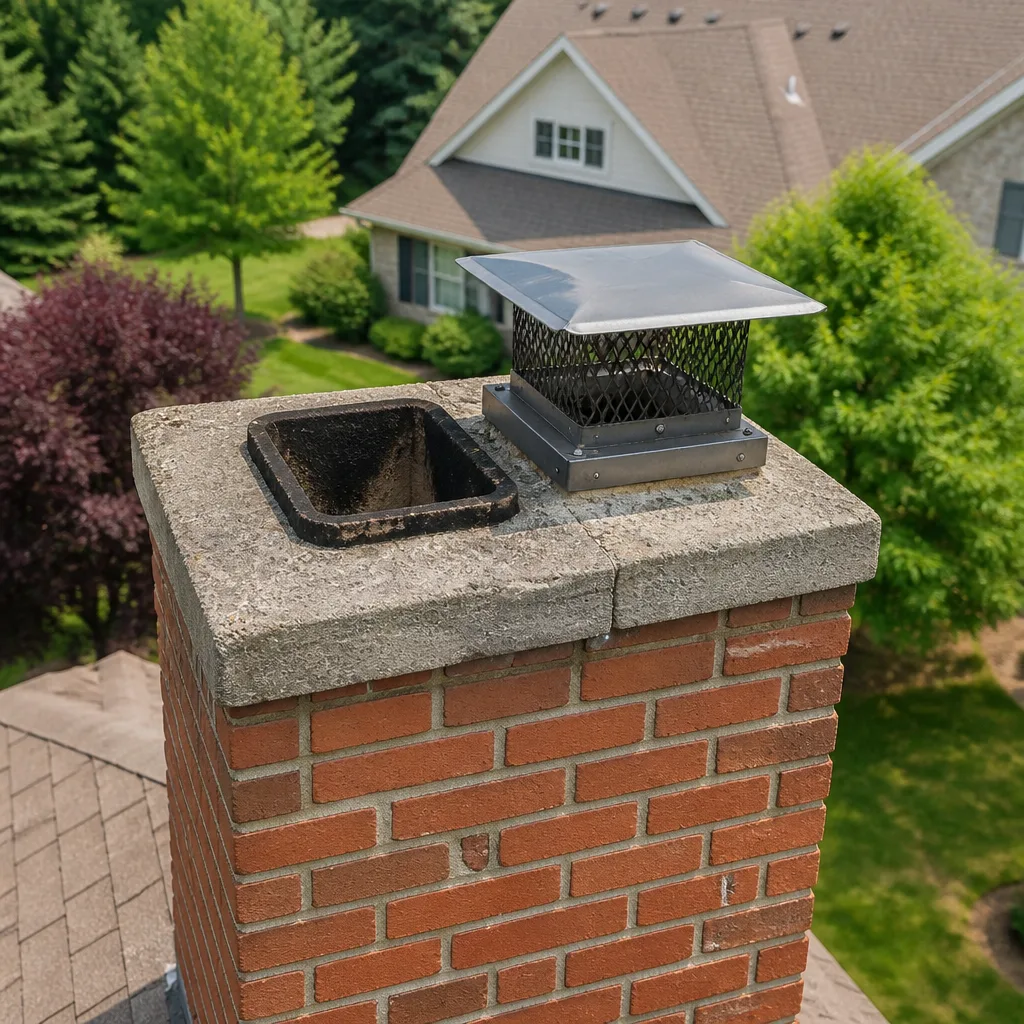 Sweep & inspection
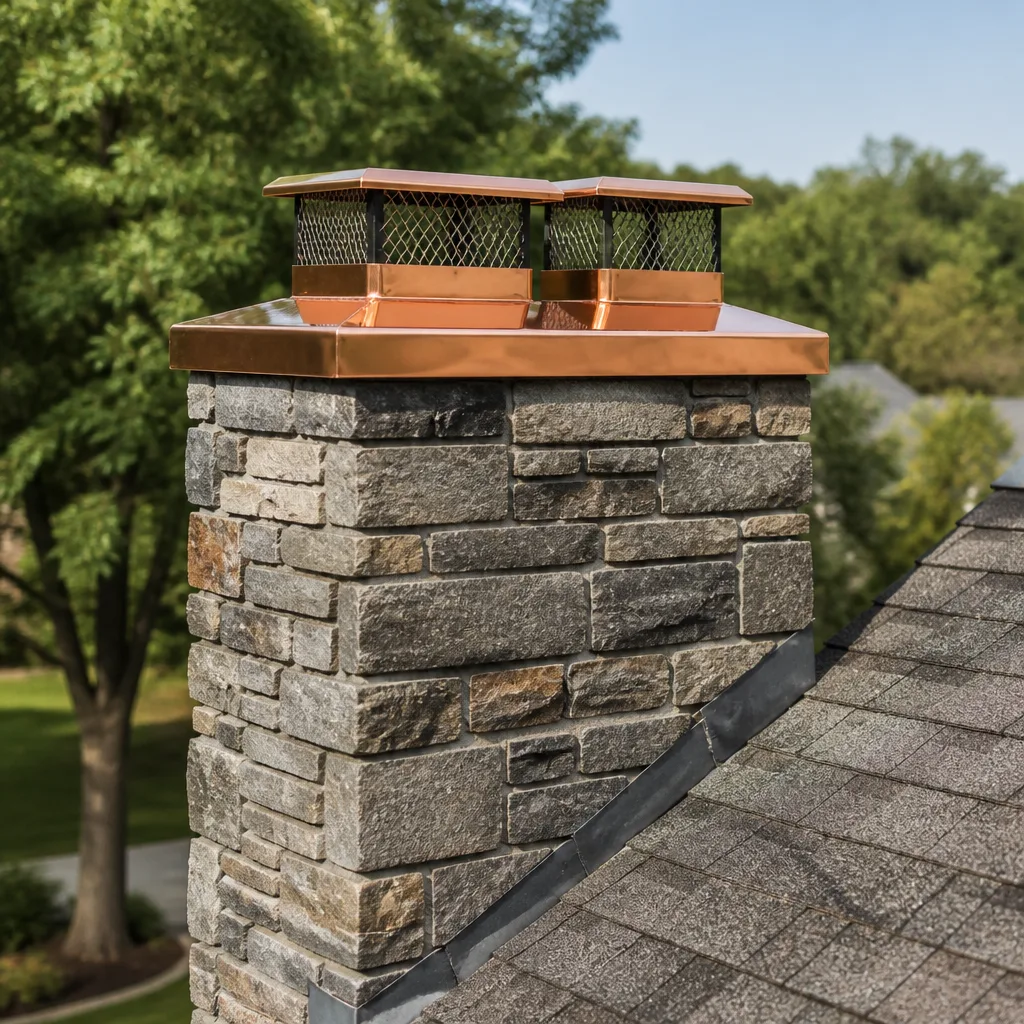 Caps & crowns
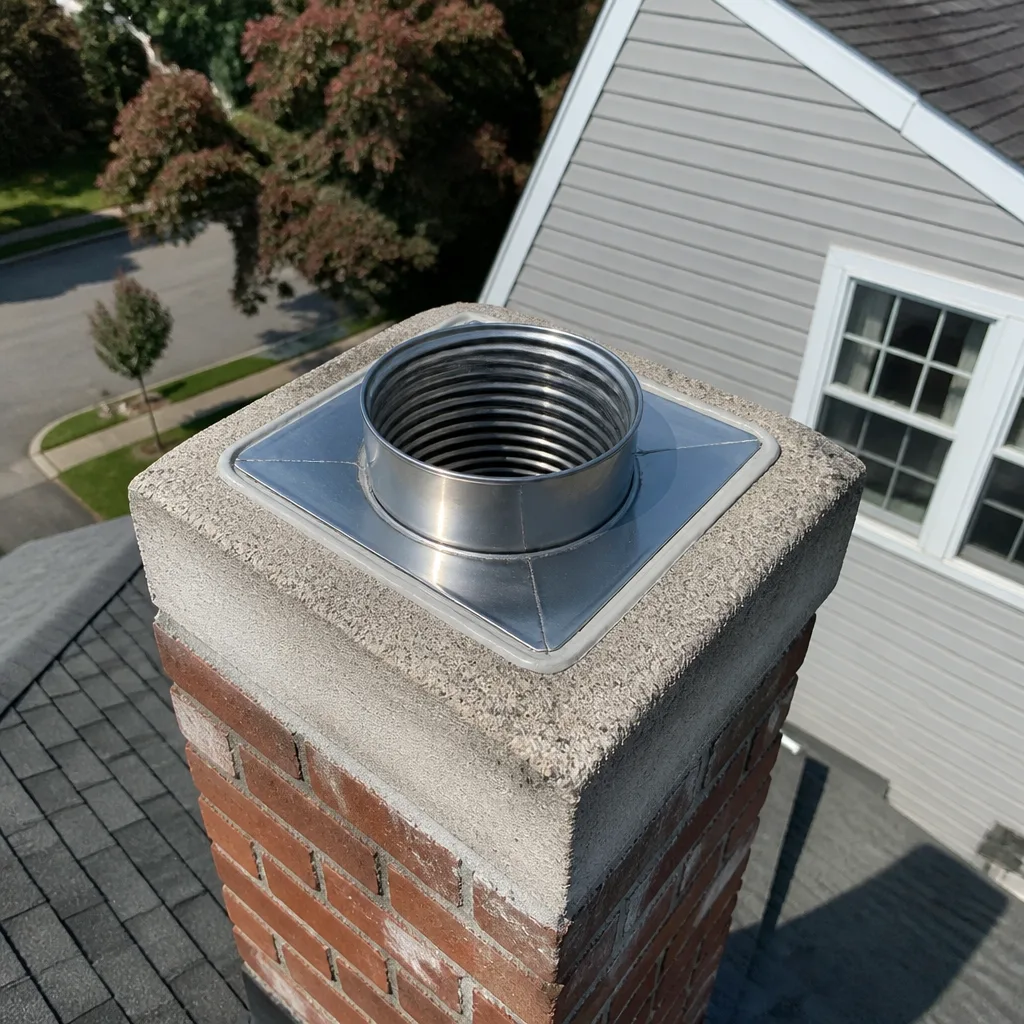 Flue relining
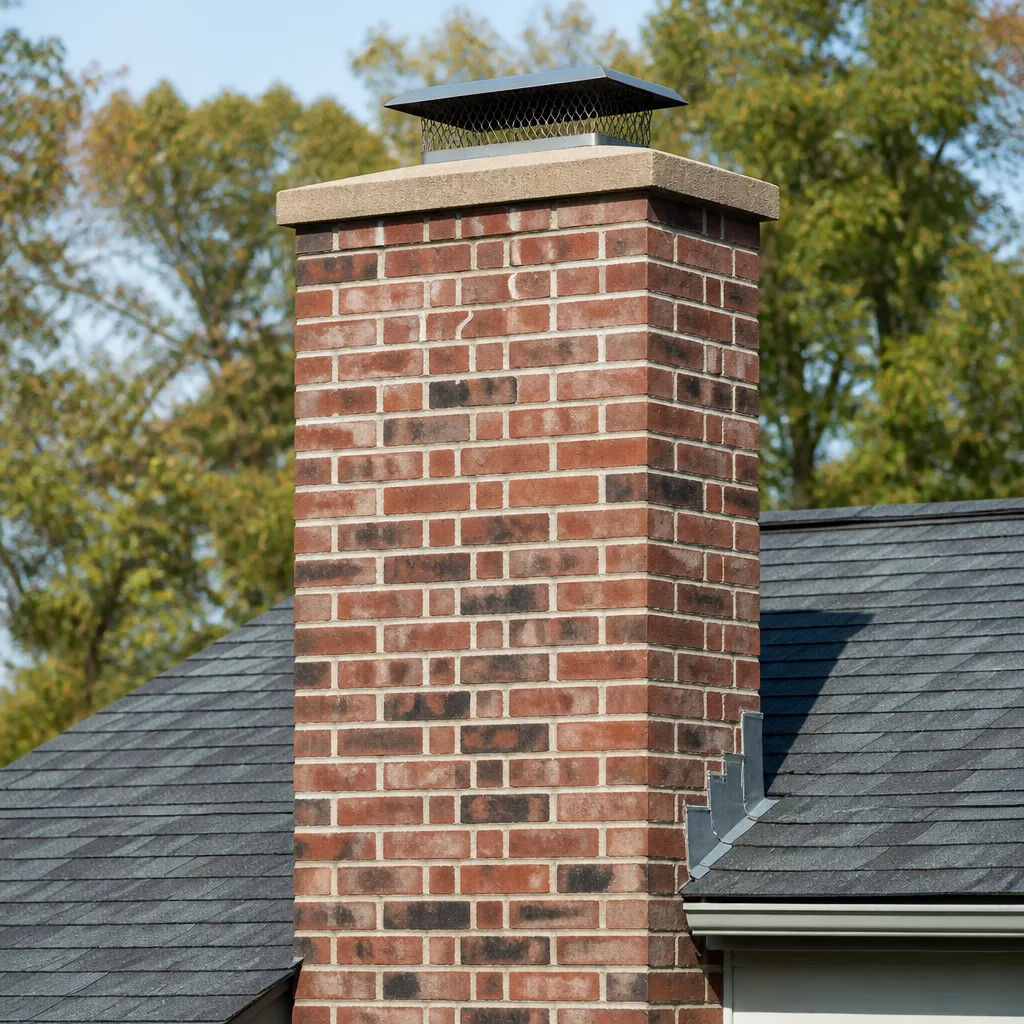 Masonry repair
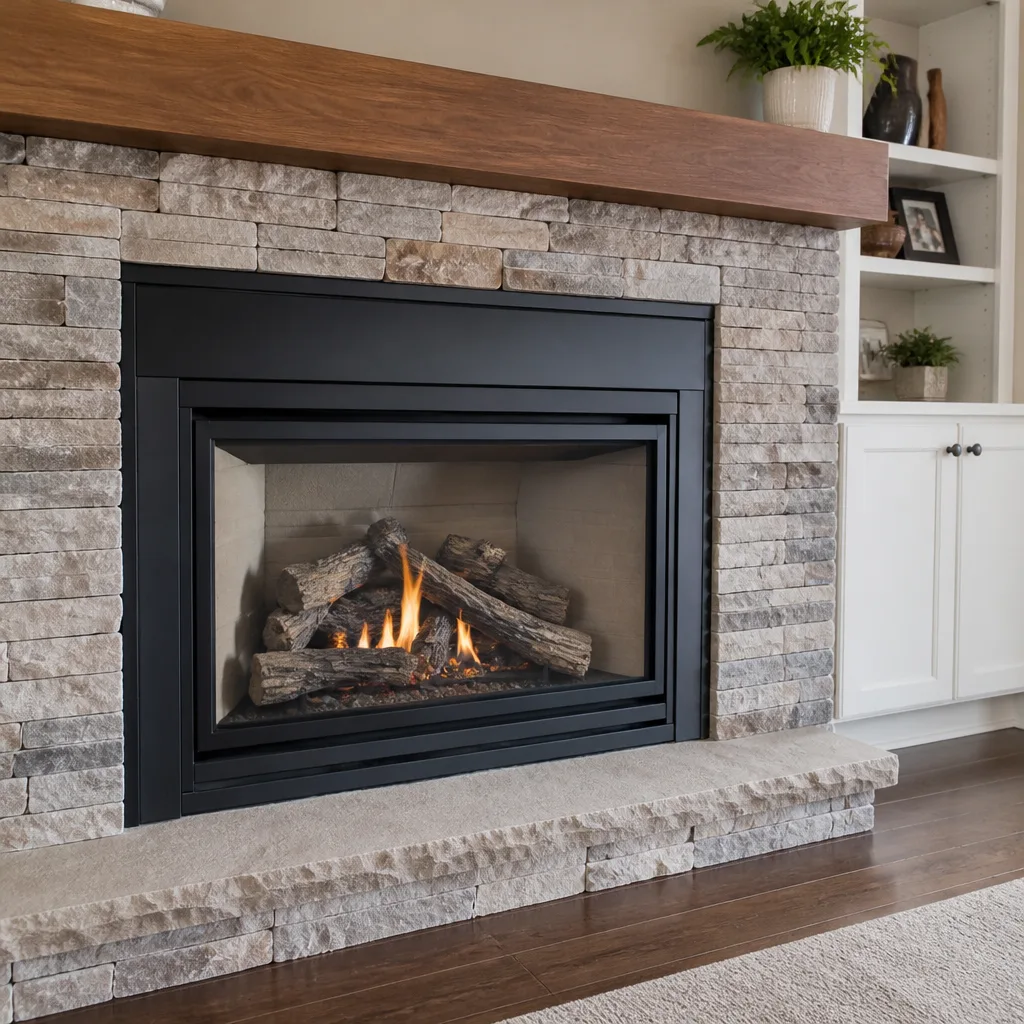 Gas fireplace service
Level 1 sweep and inspection to the NFPA 211 annual standard - flue, crown, cap, and flashing checked and photographed
Chimney sweep logs do not sweep chimneys. They loosen some creosote - which then falls where a brush and vacuum still have to collect it.
Chimney Cleaning Cost Breakdown: The Clearwater Homeowner’s Reference for 2026
Chimney Cleaning Cost Breakdown: The Clearwater Homeowner’s Reference for 2026
A $79 chimney sweep and a $350 chimney sweep are not the same service marked up differently. They’re different services entirely, and the gap in price almost always reflects what the cheaper contractor leaves out – usually the part that tells you whether your chimney is safe. When you call around for chimney cleaning in Clearwater, you’ll hear numbers that swing by hundreds of dollars for what sounds like the same job. That gap isn’t gouging. It’s scope. This reference breaks down every variable that drives the price, so you can compare quotes on what’s actually included instead of the number on the bottom line.
Quick Answer
Chimney cleaning in Clearwater typically runs $150 to $350 for a standard sweep with a Level 1 inspection, and a Level 2 video inspection adds roughly $100 to $200. Repair work is priced separately – a crown coat runs $250 to $600, a cap replacement $150 to $450, and a full reline $2,500 to $6,000 depending on height and liner type. The written estimate sets the final price, and any quote that comes in far below these ranges is worth questioning on scope before you book it.
Styles & brands we work with
- Sweep & inspection
- Caps & crowns
- Flue relining
- Masonry repair
- Gas fireplace service
Table of Contents
- What Actually Drives the Price of a Chimney Sweep in Clearwater?
- What a Base Sweep Price Includes – and What Some Contractors Leave Out
- Cost Variables Specific to Clearwater Homes
- Inspection Levels: Why a Level 2 Video Scan Costs More and When You Need One
- Repair Cost Benchmarks: Liner, Crown, and Cap
- How to Spot Scope Reduction Masquerading as a Low Price
- Why a Cheap Sweep Can’t Replace a Real Diagnosis
- How to Request and Compare Quotes Like a Contractor Would
What Actually Drives the Price of a Chimney Sweep in Clearwater?
Five things move a chimney sweep quote: the type of system, the height and access, the level of inspection included, the condition of the flue, and what the contractor is willing to put in writing. Everything else is noise. A sweep in a single-story Clearwater ranch with a straight masonry flue and easy roof access is a fundamentally simpler job than a two-story home with a prefab system tucked behind a roofline obstacle. Same service name. Different labor, different risk, different price.
Here’s how each variable plays out in a typical Clearwater booking:
- System type. Masonry flues are swept with poly brushes sized to the tile. Prefab metal systems use different tooling and require care with the liner seams. Gas log inserts need yet another approach because the flue is cooler and the creosote behaves differently.
- Height and access. A two-story roofline means more ladder time, more fall protection, and a legitimate safety surcharge. That charge is fair – steep roof and height work is where accidents happen, and no reputable contractor cuts corners there.
- Inspection level. A sweep with a Level 1 visual inspection is one line item. A Level 2 video scan is another. Some contractors bundle both; some quote the sweep alone and bill the inspection separately.
- Flue condition. A lightly glazed flue cleans in an hour. Heavy creosote, a cracked tile, or a bird nest packed into the throat turns a sweep into a longer, dirtier job.
- Documentation. A written report with photos takes time to produce. That time is part of the price, and it’s the part that tells you what’s actually going on inside your chimney.
When we quote a job, all five variables get priced. When a contractor quotes $79, usually only the first two are accounted for – and sometimes none of the last three. That’s the entire reason two Clearwater homeowners can compare notes on “chimney cleaning” and find a 300% spread.
What a Base Sweep Price Includes – and What Some Contractors Leave Out
A base sweep price covers brushing the flue from the roof or the firebox, removing the creosote and debris, and leaving the firebox clean. That’s the core service, and there’s no argument about what it means. The argument is about everything else. Brushing the flue and performing a Level 1 inspection with a written report are two separate line items, and some contractors bundle them while others quietly leave the inspection off the quote to hit a lower number.
At Charter Chimney Sweep, we treat these as a package because a sweep without an inspection is only half a job. Here’s what a complete base price should cover, item by item:
- Flue brushing appropriate to the system type – poly for masonry, correct tooling for prefab.
- Level 1 inspection – a visual check of the firebox, damper, smoke chamber, flue, and cap, done with a flashlight and mirror or a basic camera.
- Firebox and damper check – looking for cracked brick, warped damper blades, and gaps that let heat into framing.
- Creosote assessment – measuring degree of buildup, since glazed creosote needs different treatment than flaky soot.
- Written report with photos showing what was found and what (if anything) needs attention.
- Caps and cover check – is the cap intact, correctly sized, and code-compliant for the flue it covers?
Skip any of these and the price drops. Skip all of them and you’re back to brushing and nothing more. That’s what a $79 quote buys – sometimes not even that. A sweep that doesn’t include a firebox inspection, a damper check, or a camera isn’t less efficient. It’s a shorter, cheaper service that leaves you without the information you actually needed.
Cost Variables Specific to Clearwater Homes
Clearwater homes bring a handful of cost variables that a sweep-only contractor from out of the area might not price correctly. The housing stock is a mix of older masonry chimneys and newer prefab systems, and the variable is rarely the weather – it’s the systems themselves and the access to them.
Gas log inserts
A great many Clearwater fireplaces have been converted to gas log sets. A gas log insert burns cooler and produces different residue than a wood fire, so it needs tooling and technique tuned for a low-temperature flue. Some sweeps price gas insert jobs the same as wood – which is fine – but the ones who know the difference will inspect the gas line connection and the venting path, not just the firebox.
Prefab versus masonry systems
Prefab metal chimney systems are common in Clearwater’s newer construction, and they cost more to sweep because the flue requires careful tooling around seams and joints. Masonry flues with clay tile liners are simpler to brush, but the tiles fail faster in homes that see heavy use, and a cracked tile often shows up during the sweep. Both systems exist side by side on the same street here, so quotes vary accordingly.
Two-story rooflines and access
Older Clearwater homes near the water and in established neighborhoods often have two-story rooflines or steep pitches. Roof access takes longer, requires proper fall protection, and adds a legitimate labor cost. If a quote doesn’t account for height, either the contractor hasn’t seen the house or is planning to shortcut the safety side. That’s not a discount – it’s a risk transfer to you.
Inspection Levels: Why a Level 2 Video Scan Costs More and When You Need One
A Level 2 inspection adds roughly $100 to $200 to a base sweep, and it’s the upgrade most likely to be left off a cheap quote because it requires equipment. A Level 2 is a video scan of the entire flue interior – top to bottom – using a camera on a flexible rod. It sees tile cracks, gaps in mortar joints, offset flues, and creosote glazing that a flashlight can’t reach. It’s the difference between a guess and a documented diagnosis.
You need a Level 2 in these situations:
- You’ve just bought or sold the home, and the inspection record needs to be complete.
- You’ve had a chimney fire – even a small one that you put out yourself.
- You’ve had a storm event, roof work, or any impact near the chimney’s exterior.
- You’ve noticed smoke backing up, a persistent odor, or water staining on the firebox.
- You’re switching fuels or installing a new appliance on the existing flue.
- You’ve never had the chimney inspected and the home is older than about a decade.
In our experience, most Clearwater homeowners who skip the Level 2 do so because they don’t know it exists. It’s not a sales add-on. It’s the layer of inspection that actually tells you whether the liner can safely contain a fire, and it’s worth every dollar of the $100 to $200 it adds. A camera inspection with a photo report should be part of any quote above the base sweep, and if the contractor can’t offer it, that’s a scope limitation.
Repair Cost Benchmarks: Liner, Crown, and Cap
Repair quotes swing wildly because they’re often quoted without a clear diagnosis. The benchmarks below are typical ranges for Clearwater work – a written estimate sets the final number, but these are the bands to sanity-check a quote against.
- Crown coat (resurfacing an intact but cracked crown): typically $250 to $600. Appropriate when the crown is sound but weathered.
- Crown rebuild (crown is crumbling or separating from the flue): typically $800 to $1,800. New crown poured and fitted to the flue.
- Cap replacement: typically $150 to $450, depending on size and whether it’s a standard cap or a custom-fit unit.
- Spot liner repair with HeatShield resurfacing: typically $1,200 to $2,800. HeatShield is a specialist repair method for deteriorating flue interiors – it resists further deterioration and avoids the cost and disruption of full liner replacement when conditions allow.
- Full reline with a DuraFlex liner system: typically $2,500 to $6,000, depending on chimney height, liner diameter, and whether the old liner needs removal first.
When is a repair quote reasonable?
A reasonable repair quote tells you what the camera found, shows you the photo, and explains what happens if you wait. When we recommend a repair, we show the photo evidence first and answer whether the work can safely wait. Sometimes it can. A hairline crown crack that isn’t moving is a watch-and-see item. A displaced tile in a flue used every winter is not. If a contractor can’t show you what they found, you have no way to verify the recommendation – and that’s the hesitation behind almost every second opinion we’re asked to give.
How to Spot Scope Reduction Masquerading as a Low Price
Low prices aren’t automatically bad. A low price that reflects a small, easy job is a fair price. The red flag is a low price that reflects a stripped-down service posing as a full one. Here’s how to tell the difference before you book – ask for the quote in writing and check whether each of these is included:
- No camera inspection. If the contractor sweeps and hands you a bill without ever looking inside the flue with a camera, you got a brush, not a diagnosis. Ask for the Level 2.
- No written report. A verbal “you’re good” isn’t documentation. A written report with photos is what you’d want if you ever sell the home or make an insurance claim.
- No firebox inspection. Cracks in the firebox brick or a warped damper can let heat reach framing. If the firebox wasn’t checked, you don’t know.
- No damper check. A stuck or missing damper affects draft and safety. It’s a two-minute check and a scope item some quotes exclude.
- Cap and cover not examined. A missing or wrongly sized cap lets water and animals in. A properly sized cap from a supplier like Famco or Copperfield is a small line item, but it’s the one that protects everything below it.
- No discussion of liner condition. If the report says nothing about the flue interior, the contractor didn’t look. That’s the scope reduction that matters most.
Contractors who cut these are competing on price, not safety. When you compare a $79 quote to a $300 quote, line up the inclusions side by side. The difference is usually the inspection and the report. That’s the part that tells you whether your Clearwater home’s chimney is safe to burn in this season.
Why a Cheap Sweep Can’t Replace a Real Diagnosis
A sweep is a skilled trade, but it’s also a routine one. A real diagnosis is the harder part, and it’s the part the cheap quote usually leaves out. When the flue interior is deteriorated, the diagnosis might lead to a spot repair with HeatShield resurfacing rather than a full reline – but that determination requires a camera, an assessment of the flue’s condition, and a conversation about how the chimney is used. None of that happens in a $79 brush-out.
Most chimney-only companies in Clearwater handle the sweep and then refer everything else to someone else. That’s not a knock on those companies – it’s a scope fact. A sweep-only provider can’t reline, can’t do HeatShield, and can’t install a correctly sized cap from a professional supplier. The value of a full-system specialist is that the diagnosis and the fix come from the same person who looked inside the flue. If the diagnosis is a reline with a DuraFlex liner system, the same company that swept the chimney is the one that performs the reline, with no handoff and no “we’ll call you back.” That’s the difference between sweeping a chimney and taking responsibility for it.
How to Request and Compare Quotes Like a Contractor Would
Comparing quotes gets easy once you know what to ask for. Here’s the process we recommend, and it works with any contractor in Clearwater – including us.
- Ask for the scope in writing. The quote should list the flue brush, the inspection level, the firebox and damper check, the written report, and the cap check as separate items or clearly bundled. If any of those are missing, ask why.
- Confirm the inspection level. Ask whether the quote includes a Level 1 visual inspection or a Level 2 video scan, and whether photos are provided.
- Get the repair recommendation with evidence. If the contractor says you need a reline or a crown rebuild, ask to see the photo first. No camera, no recommendation.
- Ask what can safely wait. A good contractor will tell you which findings are urgent and which are watch items. If everything is urgent, push back.
- Check that the written estimate is itemized. A single number with no breakdown is impossible to compare. A per-job written estimate with line items is the only one that lets you see what you’re paying for.
That last point matters most. The written estimate sets the final price, and it should match what was found during the inspection. A quote that changes after the sweep is common on flue condition – but the change should be explained with photo evidence, not sprung on the invoice.
Common Mistakes to Avoid
- Booking on price alone. A $79 sweep and a $300 sweep are rarely competing for the same scope. Line up the inclusions before you line up the numbers, or you’ll compare two different services.
- Skipping the Level 2 inspection. Clearwater homeowners who’ve never had a camera scan of their flue don’t know what’s inside it. That’s especially true after a home purchase or any roof work. If you don’t know, pay for the scan.
- Assuming gas logs don’t need sweeping. Gas fireplaces produce less creosote but still need the flue and venting path checked. A gas log insert isn’t maintenance-free, and the venting is the part to watch.
- Ignoring the dryer vent. A dryer vent left uncleaned is a fire waiting for a date, and most chimney-only companies don’t touch it. If you’re booking dryer vent cleaning separately, check that the company also handles the chimney – pairing the two saves a call-out and catches both hazards in one visit.
- Letting a quote get squeezed under a low bid. When a contractor quotes low to win the job, the corner cut is often the inspection. Ask what’s included before you assume the cheaper quote is the better deal.
- Not asking what can wait. Repair recommendations should separate urgent from “check again next season.” If every finding is a now-or-never, get a second opinion.
- Ignoring the cap. A missing or wrongly sized cap is the small repair that leads to water damage and animals in the flue. It’s cheap to fix and expensive to ignore.
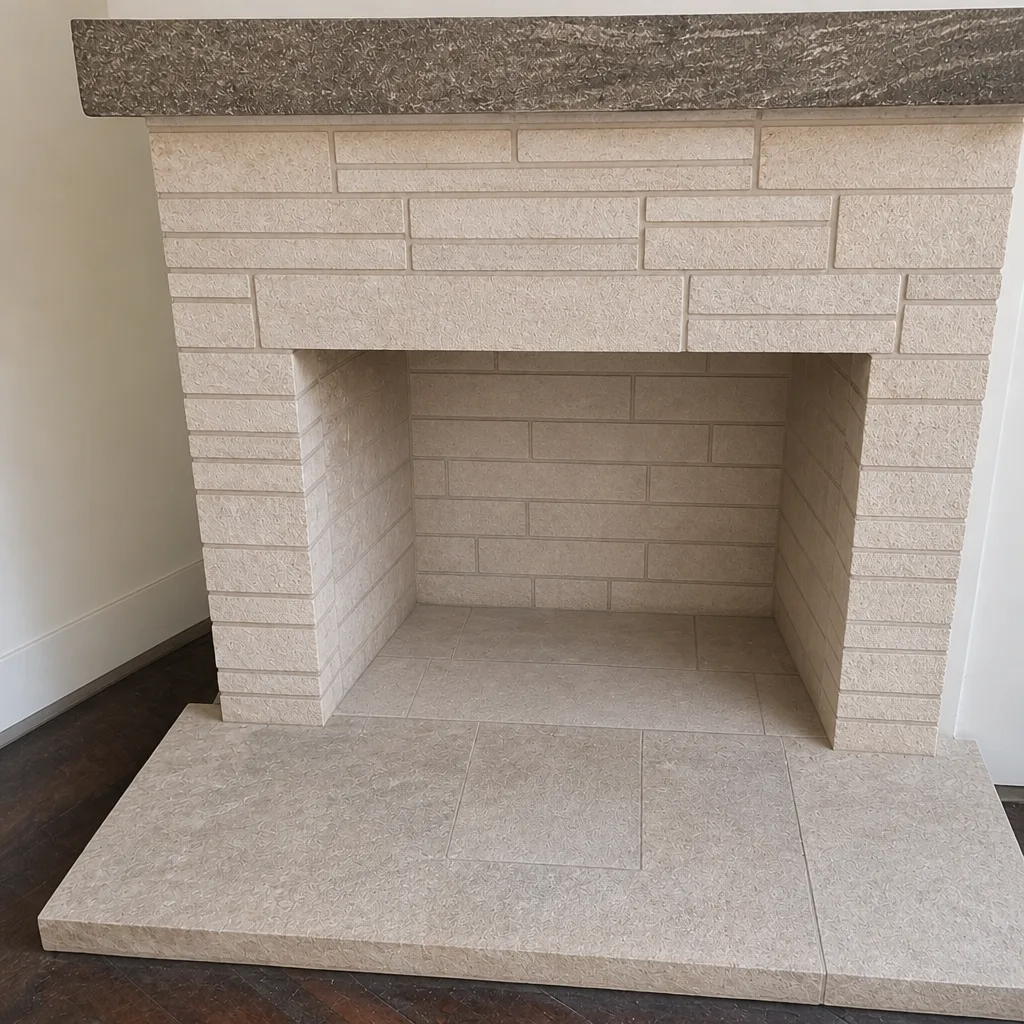
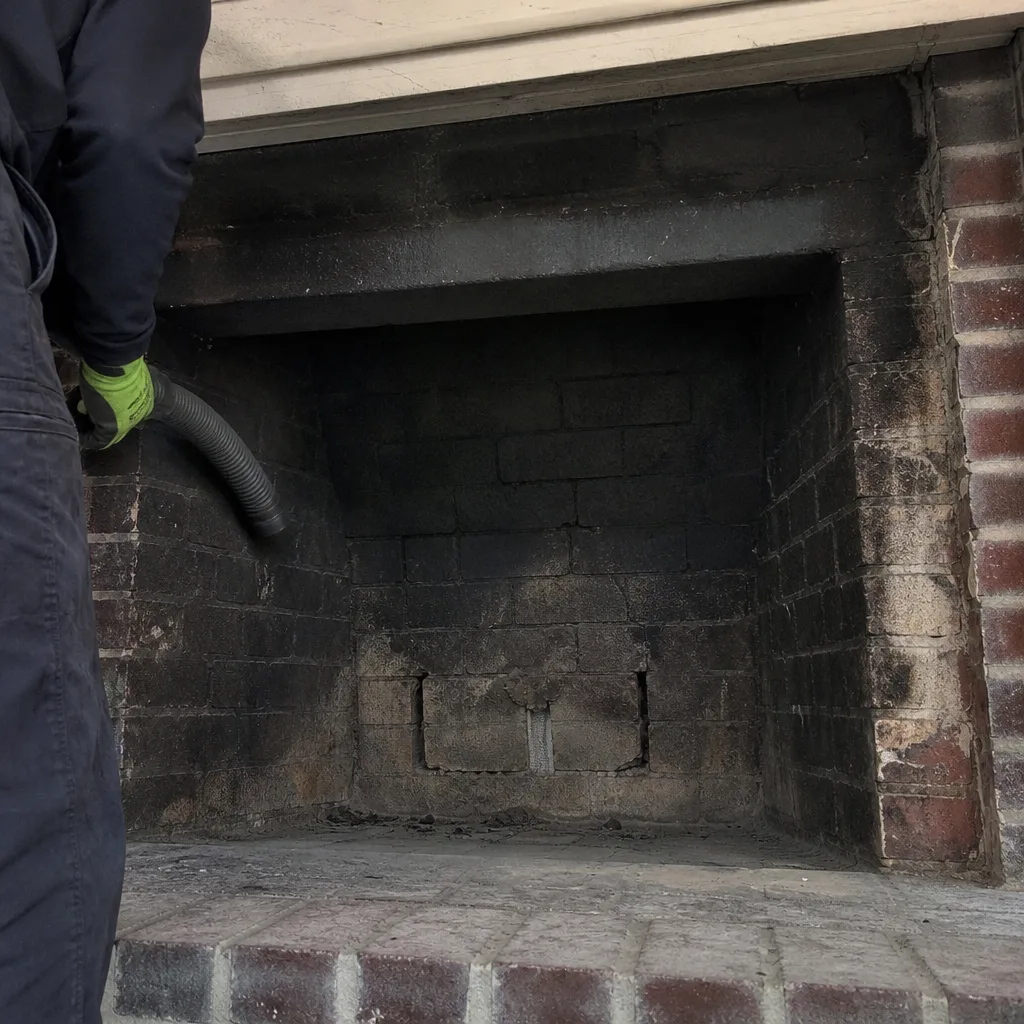
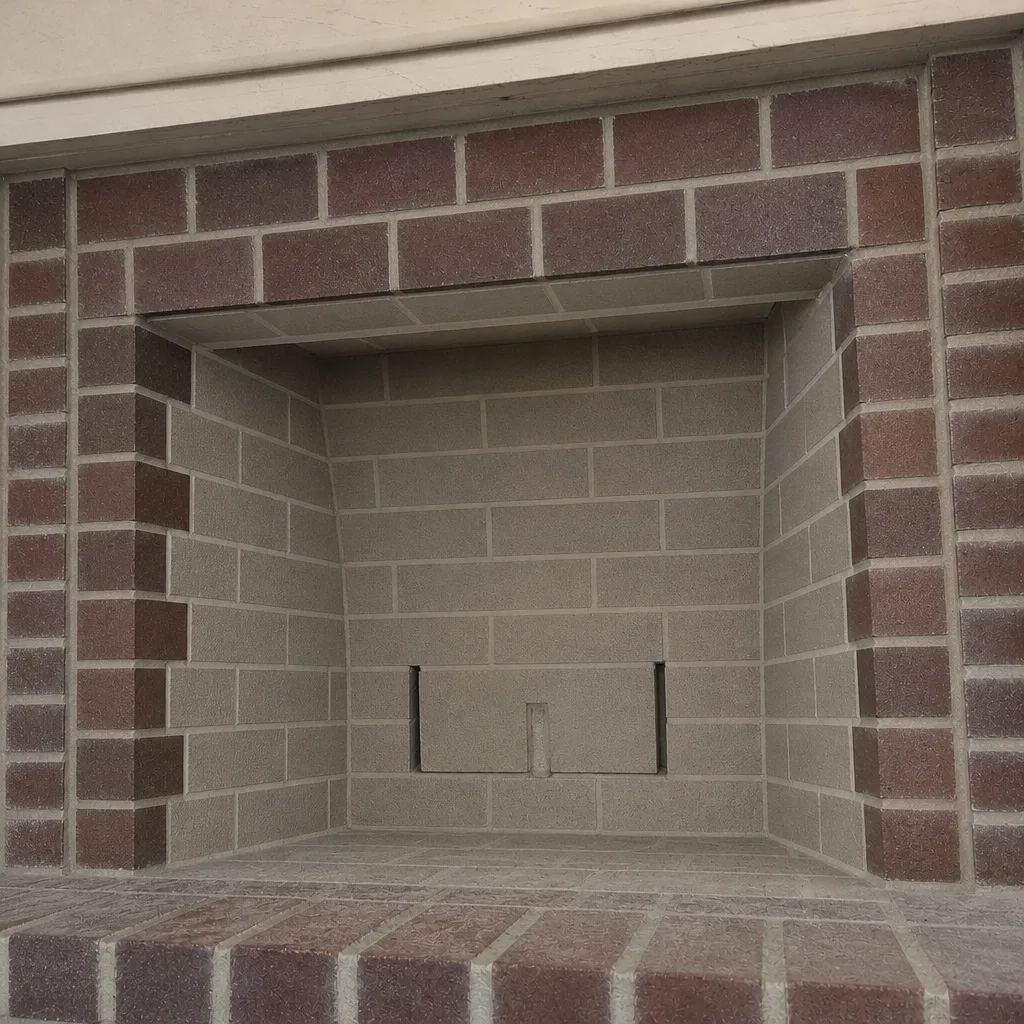
See the difference
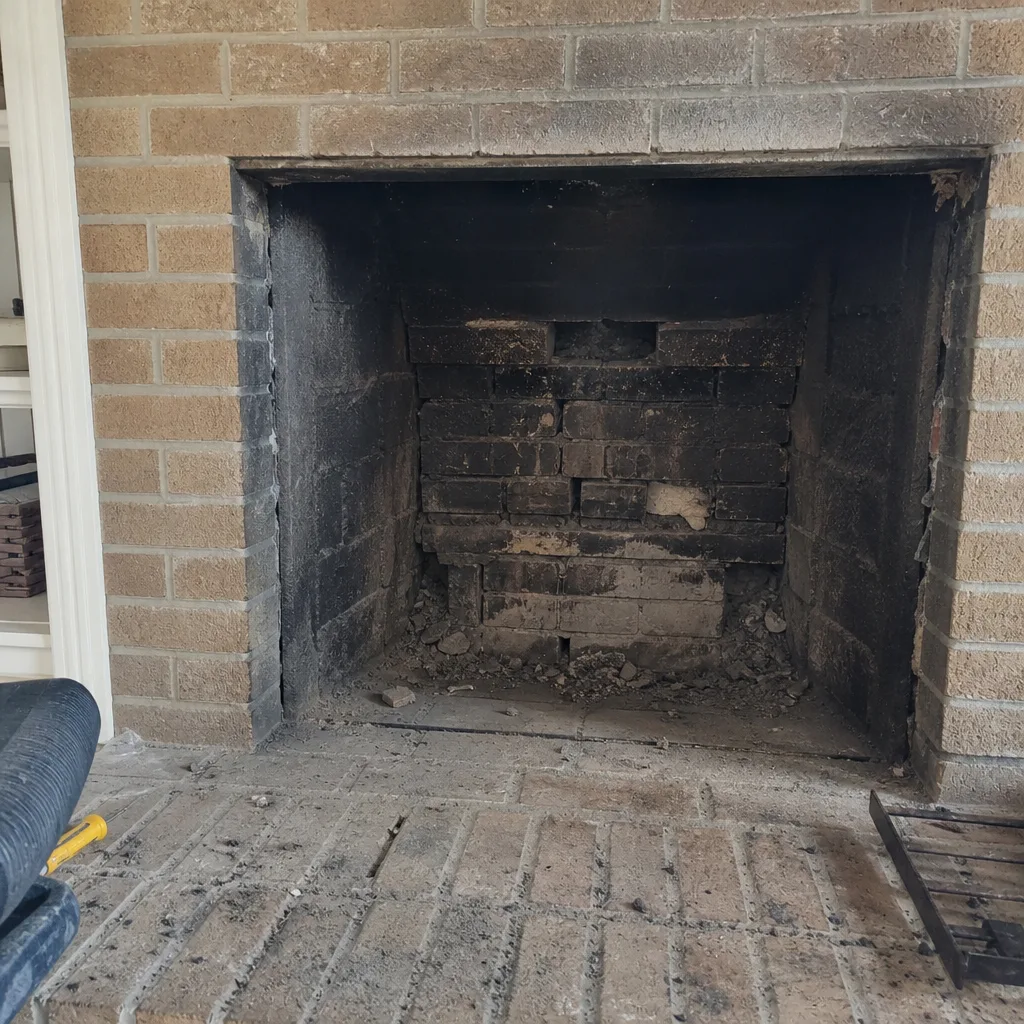 Before
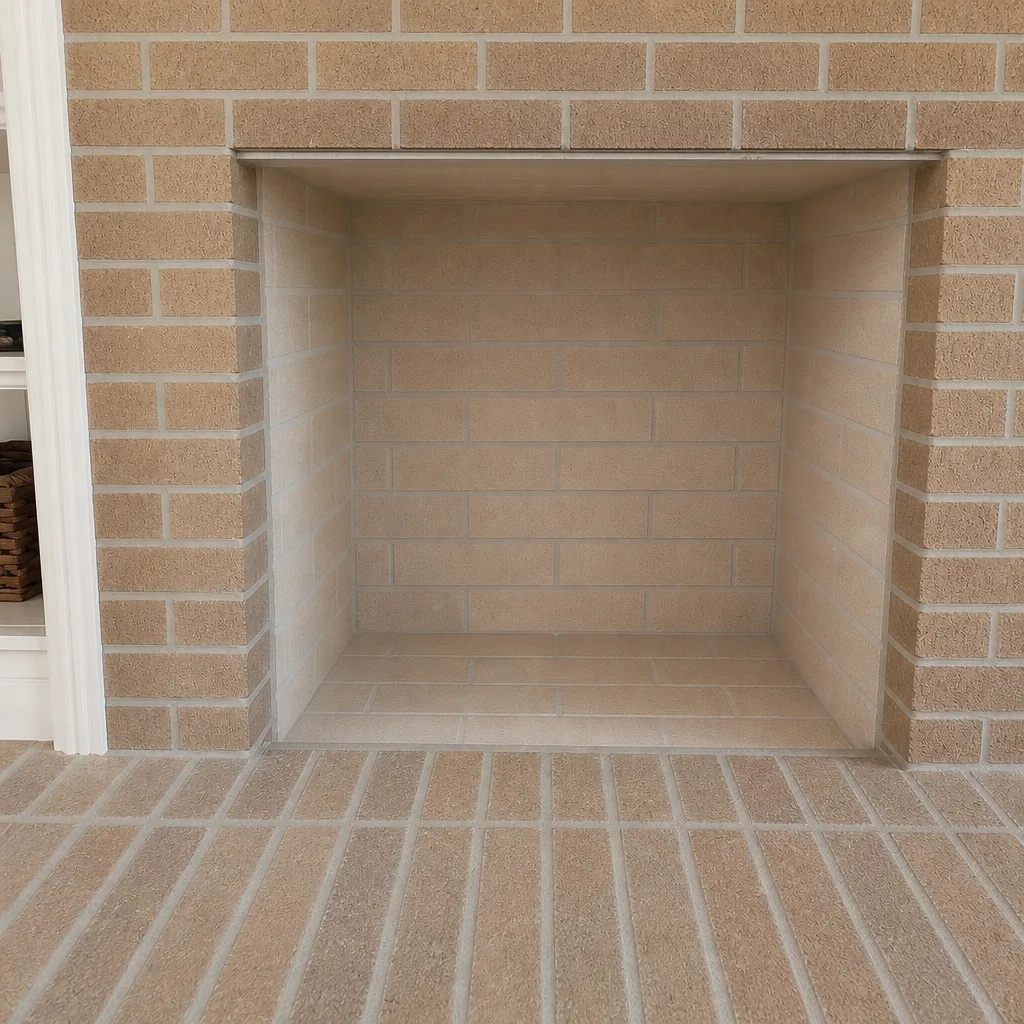 After
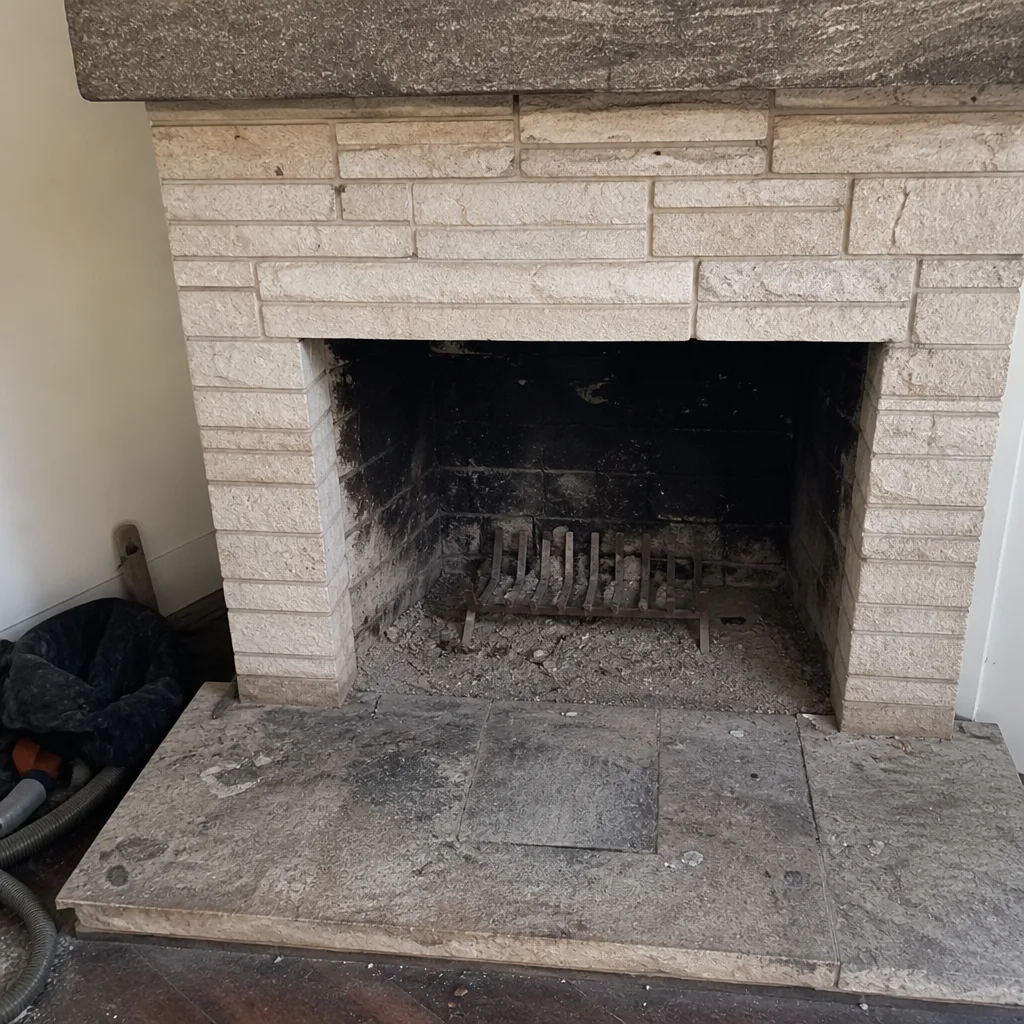 Before
 After
 Before
 After
When to Call a Professional
Call a professional when you see smoke backing into the room, when the firebox brick is cracked, or when you’ve had any chimney fire – even one you put out yourself. Call when you’ve just bought a home in Clearwater and there’s no inspection record, when water is staining the firebox, or when the flue has never been scanned. Call when the dryer vent hasn’t been cleaned and the dryer is taking longer to dry clothes. These aren’t DIY items, and high-tension components, electrical work, and gas lines should only be handled by trained professionals – a sweep is the entry point, not a substitute for one. If nothing’s wrong, the sweep is still due on a seasonal schedule, and the inspection is how you find out before a problem becomes a repair. Charter Chimney Sweep offers free estimates in Clearwater – call (844) 989-2870.
Frequently Asked Questions
A standard chimney sweep in Clearwater typically runs $150 to $350 with a Level 1 inspection, and a Level 2 video scan adds about $100 to $200. The written estimate sets the final price. Call (844) 989-2870 for an exact quote – estimates are free.
Only if the camera shows the existing liner can’t safely contain a fire – cracked tiles, gaps, or glazed creosote that’s failing the flue. A spot repair with HeatShield resurfacing can extend the life of a liner that’s deteriorating but not failed, and that’s a conversation the photo should drive. Call (844) 989-2870 and we’ll show you what we find before recommending anything.
Most chimneys should be swept and inspected once a year, and more often if you burn wood heavily or you’ve had a chimney fire. A sweep is also the right time for the level of inspection that catches problems early. Call (844) 989-2870 to book a sweep before the season starts.
Creosote builds up, draft weakens, and the risk of a chimney fire grows – a chimney fire can spread beyond the flue if the liner has failed. Skipping the sweep also means you don’t know the flue’s condition, and you find out at the worst possible time. Call (844) 989-2870 for a sweep and inspection; estimates are free.
Because it’s probably not the same scope – a two-story roofline, a prefab versus masonry flue, or a Level 2 inspection bundled in will move the number. Compare the written inclusions before you compare the price. Call (844) 989-2870 and we’ll quote the actual scope in Clearwater, not a generic base rate.
Most chimney-only companies don’t, and that’s a gap because a dryer vent left uncleaned is a fire waiting for a date. We offer whole-system service with the same crew, so both get handled in one visit. Call (844) 989-2870 or book a chimney sweep and add the dryer vent – estimates are free.
The Bottom Line
The price gap between chimney cleaning quotes in Clearwater isn’t about who’s cheapest. It’s about scope. A base sweep should include the flue brushing, a Level 1 inspection, a firebox and damper check, a creosote assessment, a cap check, and a written report with photos. A Level 2 video scan adds $100 to $200 and is worth it after any home purchase, storm, chimney fire, or suspected problem. Repair benchmarks – crown coat at $250 to $600, cap replacement at $150 to $450, HeatShield resurfacing at $1,200 to $2,800, full reline at $2,500 to $6,000 – give you a sanity check on any quote. And when a recommendation comes without a photo, ask why. Compare quotes on what’s included, not the number at the bottom. That’s the whole framework.
If you’re ready to book, or you want a second opinion on a quote you’ve already received, call (844) 989-2870 for a free estimate. We answer 24/7. Fast dispatch from 7am to 7pm, Sunday through Friday. Our technicians have up to 15 years of experience, and the written estimate sets the price – every time.
Written by the team at Charter Chimney Sweep.