
Last updated November 15, 2026
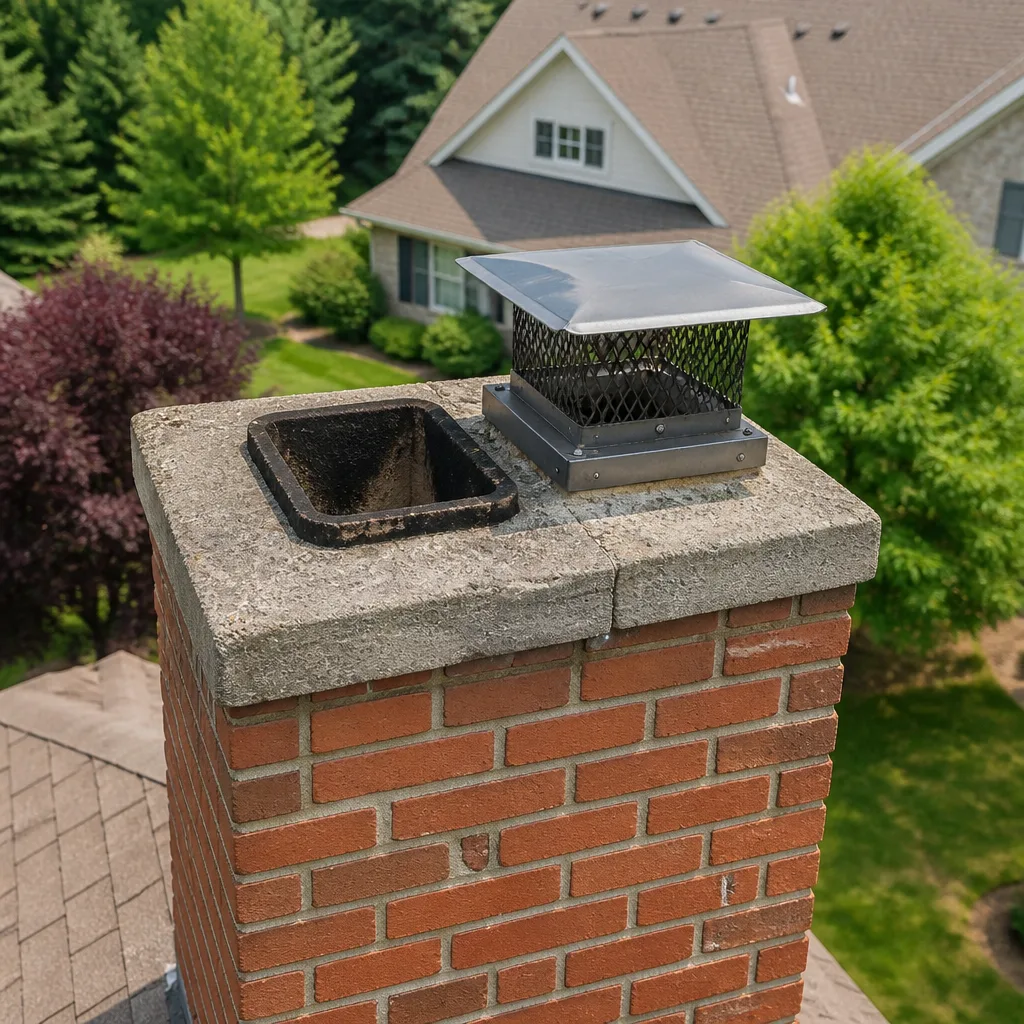 Sweep & inspection
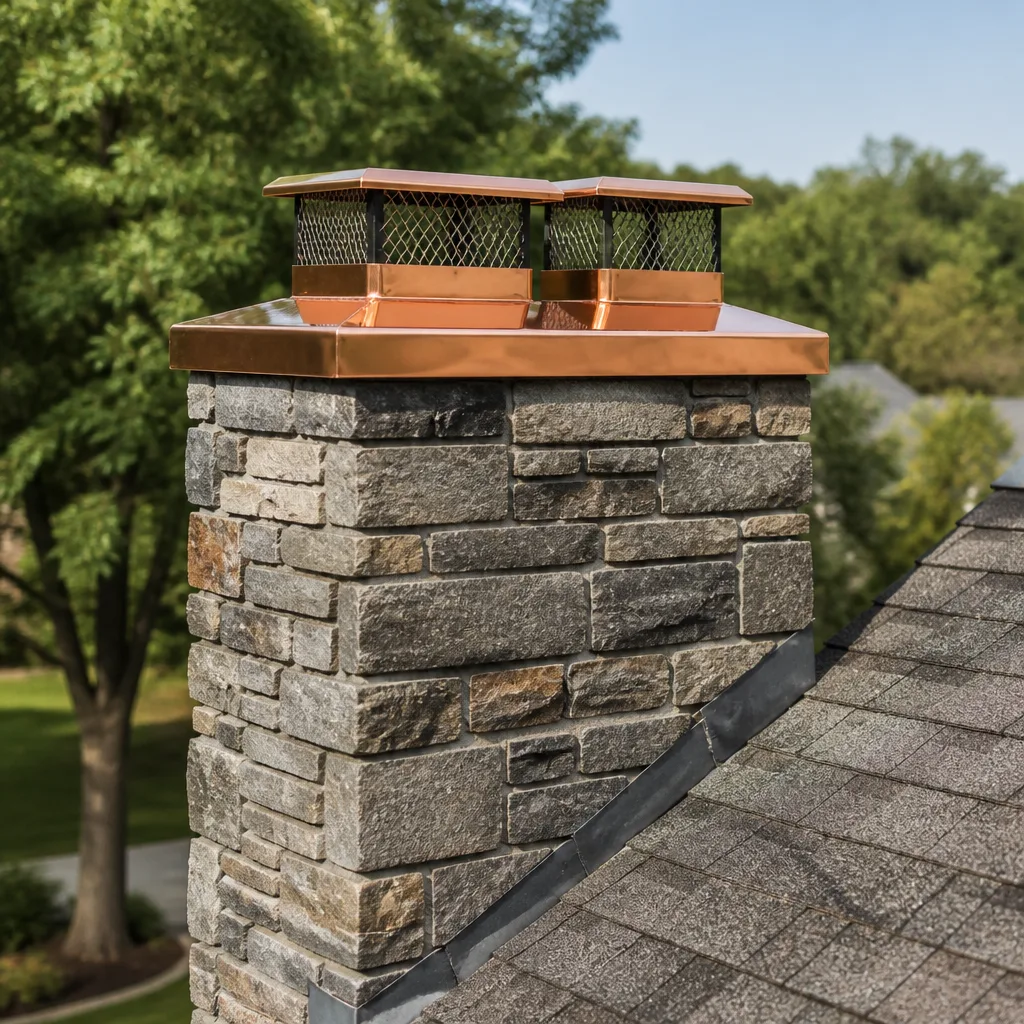 Caps & crowns
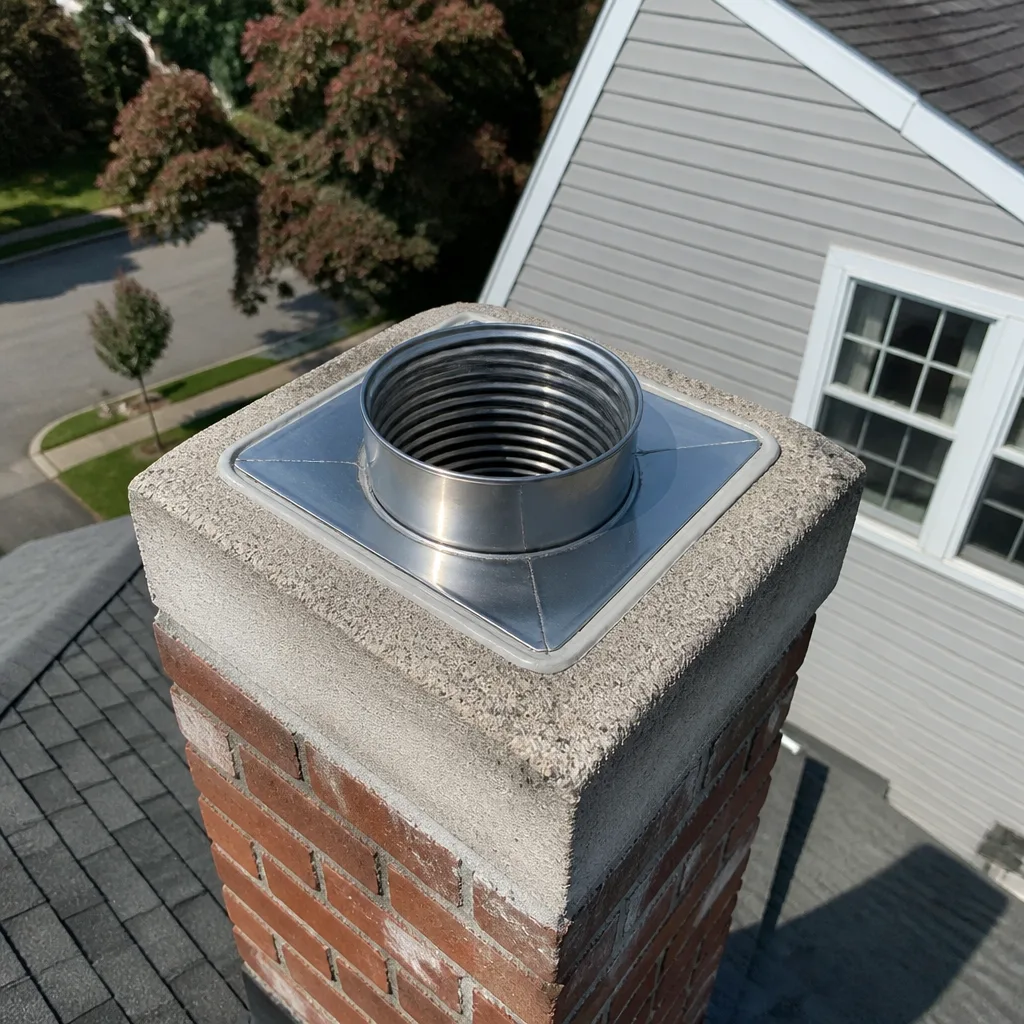 Flue relining
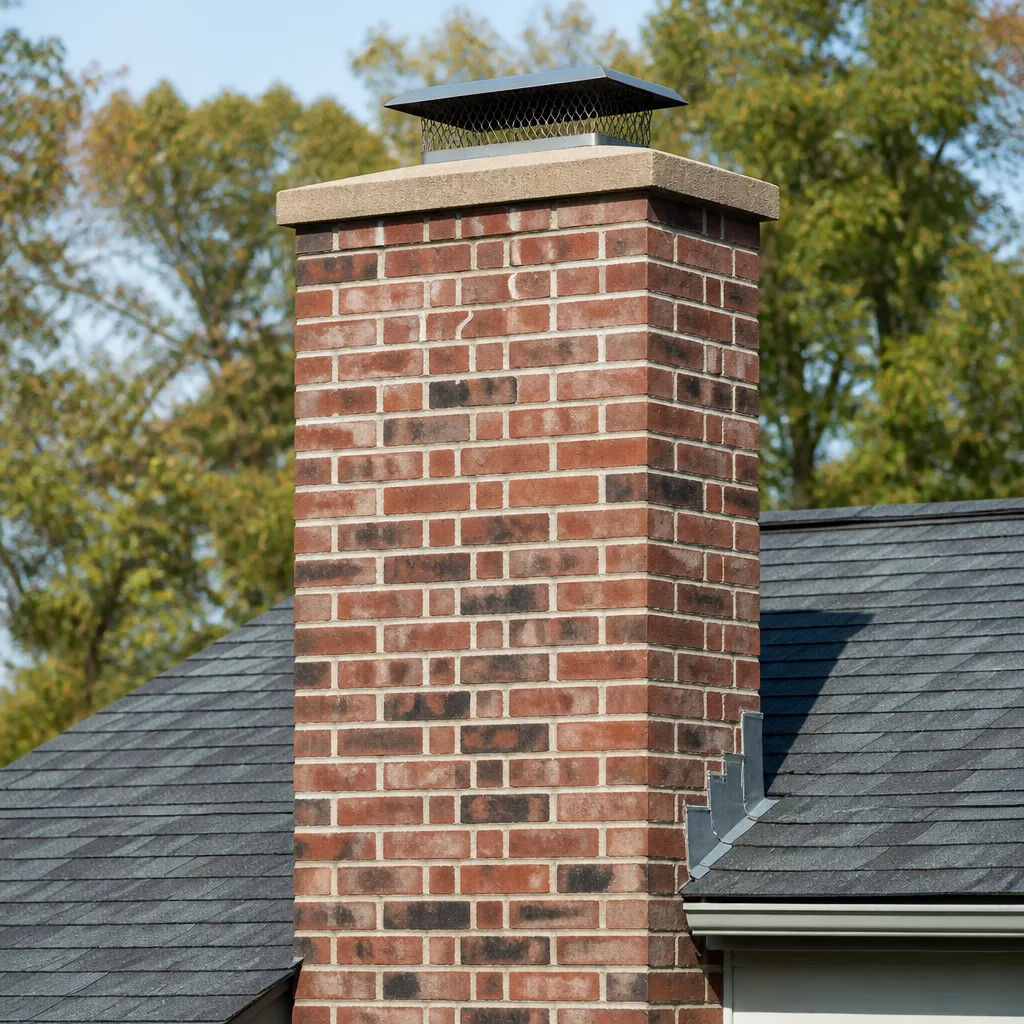 Masonry repair
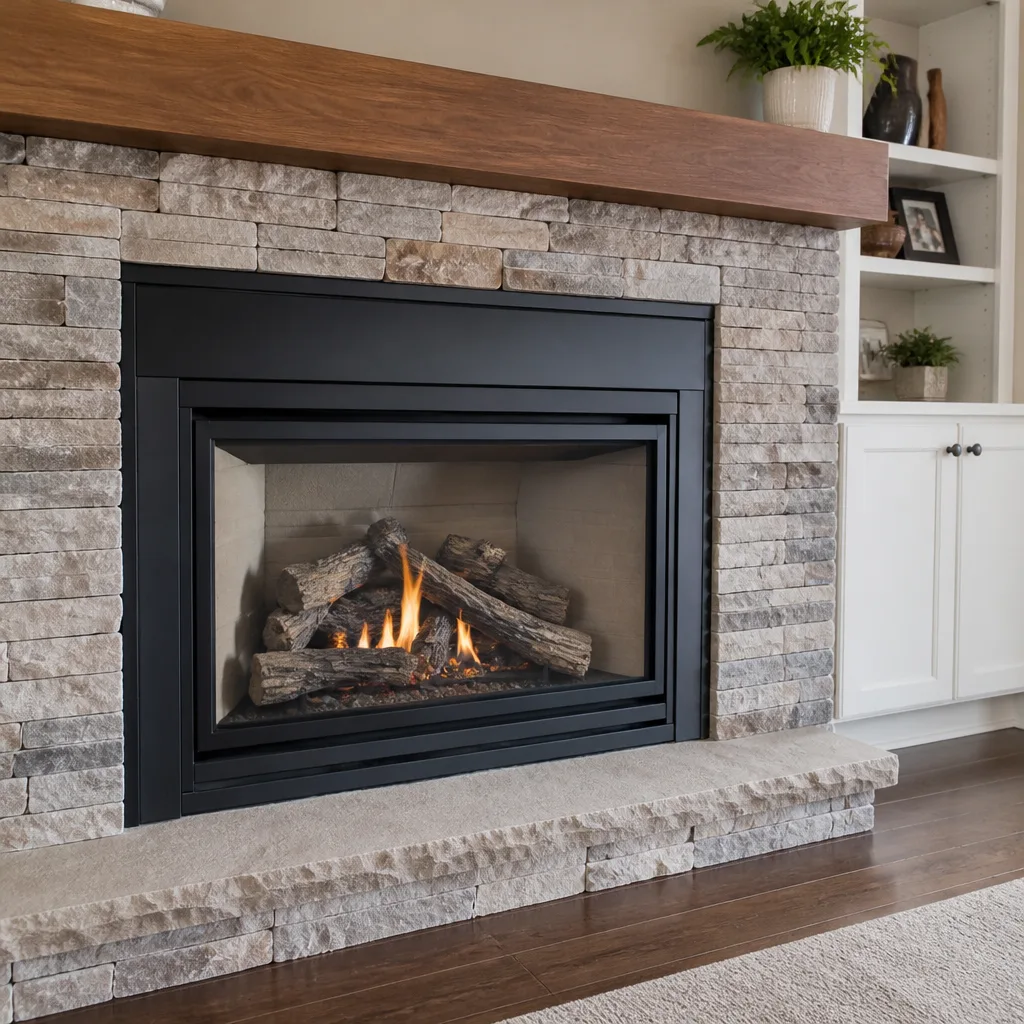 Gas fireplace service
Level 1 sweep and inspection to the NFPA 211 annual standard - flue, crown, cap, and flashing checked and photographed
Chimney sweep logs do not sweep chimneys. They loosen some creosote - which then falls where a brush and vacuum still have to collect it.
DIY vs Professional Chimney Cleaning: The Clearwater Homeowner’s Decision Guide
You can buy a chimney brush kit online for about $40 and physically move the creosote out of a flue. What you can’t buy in that kit is the ability to tell whether the tile liner you just scrubbed has a hairline crack behind it, whether the smoke chamber above the damper is coated in glazed creosote, or whether the humidity in a Clearwater summer has softened the mortar joints that hold the whole assembly together. The cleaning was never the hard part. The diagnosis is. This guide walks you through exactly what a rotary brush system reaches, what it can’t, what’s genuinely safe for you to check on your own, and where the line sits between a weekend project and a fire risk you can’t see.
Quick Answer
Professional chimney cleaning in Clearwater is worth it over DIY for one main reason: the inspection and diagnosis that come with the sweep. A homeowner can push a brush through a flue, but a trained technician identifies cracked liners, deteriorated smoke chambers, failed dampers, and hidden creosote that a brush alone won’t reveal. DIY chimney cleaning is reasonable only for a lightly used, recently serviced fireplace where you’re confirming condition, not correcting it.
Styles & brands we work with
- Sweep & inspection
- Caps & crowns
- Flue relining
- Masonry repair
- Gas fireplace service
Table of Contents
- What a Rotary Brush System Actually Reaches (and What It Misses)
- The Containment Problem: Why DIY Cleaning Spreads Soot
- What a Homeowner Legitimately Can Check
- Clearwater-Specific DIY Risks: Humidity and Wildlife
- The Insurance Dimension: Documentation DIY Can’t Provide
- How a Professional Sweep Actually Unfolds
- DIY Cost vs Professional Cost in Clearwater
- Don’t Forget the Dryer Vent
What a Rotary Brush System Actually Reaches (and What It Misses)
A rotary brush on a flexible rod spins as it travels the flue, scraping creosote from the walls of the liner as it goes. That’s the visible, satisfying part. It cleans the straight vertical run of the flue, top to bottom. Understanding what that motion does not touch is the entire case for professional cleaning in a nutshell.
Here’s what a standard DIY pass routinely leaves untouched:
- The smoke chamber. This corbelled, funnel-shaped space sits directly above the damper and below the flue. It’s wide, irregular, and coated with creosote that a straight rod and brush cannot reach at the correct angle. It’s also one of the most common places chimney fires start.
- The smoke shelf. The ledge at the back of the firebox that redirects smoke up the flue. Creosote and debris collect there. A top-down brush pass blows right past it.
- The lower flue section near the damper. Access is awkward, and the angle is wrong for a DIY rod. This is where heavy creosote loads sit in low-use fireplaces.
- The firebox itself. Soot and creosote build on the firebox walls and around the damper frame. A rotary brush doesn’t clean this area.
- The cap and crown. A brush pass doesn’t check whether the cap is intact or the crown has cracked, both of which let water and animals into the flue.
In our experience, homeowners who sweep their own flues tend to focus entirely on the visible liner surface. That’s the one surface that rarely causes the fire. The hidden geometry above the damper is where the danger concentrates, and it’s exactly where a professional sweep with the right tooling and a camera spends its time. When a technician sweeps a Clearwater home, the brush is the beginning of the visit, not the end of it. The inspection that follows is what turns a cleaning into a diagnosis.
The Containment Problem: Why DIY Cleaning Spreads Soot
Creosote removal generates a fine, oily soot that travels on air currents. In a Clearwater home with the air handler running and the fireplace open to the living room, that soot goes everywhere: into the carpet, onto the walls, into the return air ducts, and across every horizontal surface within twenty feet. Professional sweeps solve this with equipment a homeowner simply doesn’t own.
The containment setup for a proper sweep looks like this:
- Drop cloths and floor protection laid from the entry point to the firebox before any tool comes out of the case.
- A negative-pressure vacuum running throughout the sweep, pulling air into the firebox and up the flue so soot can’t escape into the room. This is the single biggest difference between a clean job and a contaminated living room.
- Proper respiratory protection for the technician. Creosote and soot are respiratory irritants, and a homeowner working without a fitted respirator is breathing the worst of it.
- Sealed access points where the rod enters the flue, so the dust has nowhere to go but up and out.
- Post-sweep cleanup of the firebox, hearth, and surrounding floor, plus a camera inspection of what was actually removed.
Without this, a DIY sweep tends to coat the room in a fine gray film that you notice the next morning when the sun hits it. That film is more than a housekeeping problem. It’s the same material that builds up inside a flue and fuels chimney fires. If you’re going to move it, you have to contain it. For a Clearwater homeowner, this is where a professional team earns its fee before the brush even touches the liner.
What a Homeowner Legitimately Can Check
Not everything requires a professional. Several checks are genuinely safe, useful, and within reach of most homeowners, and doing them regularly helps you catch problems early. We’d rather you know what you can look at than have you avoid the chimney entirely out of uncertainty.
Here’s what’s reasonable to inspect yourself:
- Exterior cap inspection. From the ground with binoculars, look at the chimney cap. Is it intact? Is the mesh clear of debris and bird nests? A missing or damaged cap is one of the most common causes of water intrusion and animal entry.
- Crown visual check. Look at the concrete crown at the top of the chimney. Cracks wider than a hairline, or crumbling edges, mean water can get behind the crown and into the structure. Note it and have it looked at.
- Firebox surface inspection. With the firebox cold and clean, look at the brick and mortar. Discoloration, crumbling mortar joints, or white staining are worth flagging.
- Damper function test. Open and close the damper by hand. It should move smoothly and seat fully closed. A damper that’s stuck open or won’t close wastes heat and lets conditioned air escape.
- Creosote visibility. Shine a flashlight up the flue from the firebox. You can see the lower section. If it’s coated in shiny, tarry creosote (glazed creosote), that’s a condition that needs professional attention, not a brushing.
What you should not do: climb onto the roof, disassemble the firebox, or try to clean the smoke chamber with a hand tool. Those are where the physical and diagnostic risks stack up. Roof work is a fall hazard, and the smoke chamber is the least accessible, most fire-prone part of the system. If your inspection turns up anything beyond a dirty cap or a sticky damper, it’s time to bring in a specialist. That boundary is worth respecting in Clearwater, where a low-slope roof and afternoon humidity add their own hazards.
Clearwater-Specific DIY Risks: Humidity and Wildlife
Cleaning a chimney in Clearwater carries two localized risks that homeowners elsewhere rarely think about. Both are tied to the climate and the wildlife, and both make DIY sweeping riskier here than in a dry, cold climate.
Humidity-softened mortar joints. Clearwater’s summer humidity works on masonry over time. Mortar joints that look intact from a flashlight can be soft and compressible. When a DIY brush hits a softened joint with force, it can dislodge mortar that was holding the tiles together, or crack a tile that looked fine a moment before. A technician working with a rotary brush knows to feel for resistance and stop when the liner is giving way, but a homeowner pushing a brush through doesn’t have that feedback. The result is a liner that goes from “probably fine” to “needs repair” during a cleaning that was supposed to be routine. Professional sweeps use tools and technique designed to clean without stressing delicate masonry.
Wildlife nests requiring legal handling. Clearwater homes near green space routinely pull chimney caps off or lose them to storm and age, and a flue that’s open to the sky becomes a nesting site. Birds, squirrels, and other wildlife find their way in. Removing a nest isn’t just unpleasant; it’s often a legal problem, because many species are protected and handling them, their eggs, or their nests is restricted. Licensing and protocol matter here. A professional sweep knows what’s legal to clear, what to leave, and when to call an animal-control authority. A homeowner with a shop vacuum and a ladder does not. If you find evidence of wildlife in the flue, stop and call us rather than trying to clear it yourself.
Both risks are specific to where you live. A Clearwater chimney needs a technician who understands local conditions, not just a general cleaner with a national checklist.
The Insurance Dimension: Documentation DIY Can’t Provide
If a chimney fire happens and the homeowner cleaned the chimney themselves, the insurance conversation gets harder. Most homeowner policies expect reasonable maintenance, and a chimney sweep with documented service is standard evidence of that care. A self-cleaning homeowner has no third-party record showing the flue was in acceptable condition, no inspection report describing what was found, and no dated documentation of what was done. That absence can become a coverage dispute at exactly the wrong moment.
A professional sweep in Clearwater produces a documented visit: what condition the flue was in on arrival, what was found during the camera inspection, what was cleaned, and what was recommended. Those records live with the homeowner and can be produced if needed. That’s the real value of professional documentation, and it’s why a homeowner who prioritizes their policy will often choose a sweep over a DIY pass on the same material.
Here’s how professional documentation differs from a DIY clean:
- A dated service record showing the flue was professionally cleaned and inspected on a specific day.
- Photo and camera evidence of the flue’s condition before and after cleaning.
- A written assessment of what was found and what was recommended, including work that could safely wait.
- Traceable materials where repairs were done, using recognized brands like DuraFlex for relining and HeatShield for flue resurfacing, so the work is documented against known products.
That said, the point isn’t to scare you into a sweep. It’s that the record a professional leaves behind is one of the quieter reasons to call. If you’ve self-cleaned for years and only later discover a cracked liner, having an inspection history makes the conversation about what happened far clearer.
How a Professional Sweep Actually Unfolds
A professional chimney sweep in Clearwater follows a consistent, documented sequence. Understanding it helps you judge any provider you consider, including us. The best sweeps are predictable and transparent about each step.
- Arrival and containment. Drop cloths go down, and a negative-pressure vacuum runs before any work starts. Floor protection covers the path from the firebox to the entry.
- Inspection first. A camera inspection of the flue goes first, so the technician knows what’s inside before touching it. This is where cracked tiles, glazed creosote, and hidden obstructions get caught.
- The sweep. A rotary brush on a flexible rod runs the full length of the flue, with the technician adjusting force to the condition of the liner, especially where Clearwater humidity has softened the masonry.
- Smoke chamber and smoke shelf cleaning. The hidden geometry above the damper gets its own attention, because that’s where fire risk concentrates.
- Firebox and damper service. The firebox is cleaned, and the damper is checked and cleared of soot and debris.
- Exterior inspection. Cap, crown, and flashing are checked for damage and water intrusion.
- Report and recommendations. The findings are documented, with photos, and anything found that needs repair is presented clearly. Nothing is recommended without evidence you can see.
That’s the sequence our team follows. Notice that the brush is only one item in the list, and the inspection and documentation bookend it. A sweep-only provider may skip the camera inspection or leave the smoke chamber alone. We consider those steps non-negotiable, because the diagnosis is what actually protects the house. The professional materials matter too: when repairs are needed, we carry the parts from brands like Copperfield and Gelco, so a cap or a vent component is sourced correctly and installed to spec rather than ordered and returned for weeks.
For routine maintenance, this is also where the chimney sweep work connects to the rest of the system. A sweep that stops at the brush is doing half the job.
DIY Cost vs Professional Cost in Clearwater
DIY looks cheaper on paper. The honest comparison has to include what a DIY pass leaves out, because a $40 brush kit and a professional sweep aren’t the same service. Here’s how the two break down.
- DIY brush kit: around $40 for a homeowner-grade rod and brush. No inspection, no containment, no camera, no documentation.
- DIY containment and cleanup: the cost of the soot film that gets into carpet, walls, and filters, plus your own time and effort.
- Professional sweep (chimney only): typically $180 to $340 for a standard residential chimney, including the sweep, a camera inspection, and a photo report.
- Professional sweep plus needed repair: the sweep fee, plus line-item repair pricing if the inspection finds a cracked tile, a failed cap, or a deteriorated smoke chamber. Repairs are quoted separately and only when the evidence is shown to you.
These are typical ranges, not quoted prices. The written estimate you receive after a diagnostic visit sets the final price, and it’s per job, not a flat rate. The important thing is what the two options deliver. A professional sweep produces a diagnosis; a DIY sweep produces a cleaned liner surface and no record of what’s behind it. If your goal is simply to move creosote, DIY is fine. If your goal is to know whether your Clearwater chimney is safe this season, DIY doesn’t get you there.
We keep the estimate free so there’s no cost to finding out what your flue actually needs. And if the answer is “it can safely wait,” we’ll say so, in writing.
Don’t Forget the Dryer Vent
Most chimney-only companies end at the chimney. But a home’s venting doesn’t stop there. The dryer vent is one of the most overlooked fire hazards in any home, and it accumulates lint the same way a flue accumulates creosote. In a Clearwater home where the laundry runs year-round, that lint builds up unchecked behind the dryer and in the duct run. When lint ignites, the fire spreads through the vent.
Dryer vent cleaning is a standalone service we offer alongside chimney work, so a homeowner can address both venting hazards in one relationship. If you’re already booking a sweep, ask about having the dryer vent checked at the same visit. The two jobs are different, but the logic is identical: clear build-up before it becomes a fire. That’s the value of a full-system venting specialist, as opposed to a sweep-only provider who hands you a phone number and moves on.
Common Mistakes to Avoid
- Assuming a clean liner means a safe chimney. The liner is the surface a brush reaches. The smoke chamber and smoke shelf above the damper are where fires start, and those aren’t cleaned by a DIY pass. If those areas weren’t inspected, the chimney wasn’t really checked.
- Cleaning without containment. Sweeping a flue in a Clearwater home with the air handler running pushes fine soot through the house. The next morning it’s in the carpet and the return ducts. Containment isn’t optional; it’s the job.
- Working the brush hard through soft masonry. Clearwater humidity softens mortar joints over time. A brush that meets little resistance in one flue can dislodge a softened joint in another. Pushing hard through resistance is how a cleaning turns into a repair.
- Removing a wildlife nest without knowing the rules. Protected species nest in open flues. Clearing a nest without knowing what you’re legally allowed to handle can cause a real problem. If there’s a nest, call a professional.
- Skipping the camera inspection. A flashlight from below shows only the bottom few feet of the flue. The liner condition above that is invisible without a camera. A sweep without an inspection is a cleaning without a diagnosis.
- Cleaning and repairing in two separate jobs. When a sweep turns up a cracked tile or a failed cap, the same visit should be able to diagnose and fix it. Splitting the work across two providers doubles the visits and leaves the gap between them unmanaged.
- Forgetting the dryer vent. A clean chimney with a lint-packed dryer vent still has a serious fire risk in the house. Both venting systems need attention.
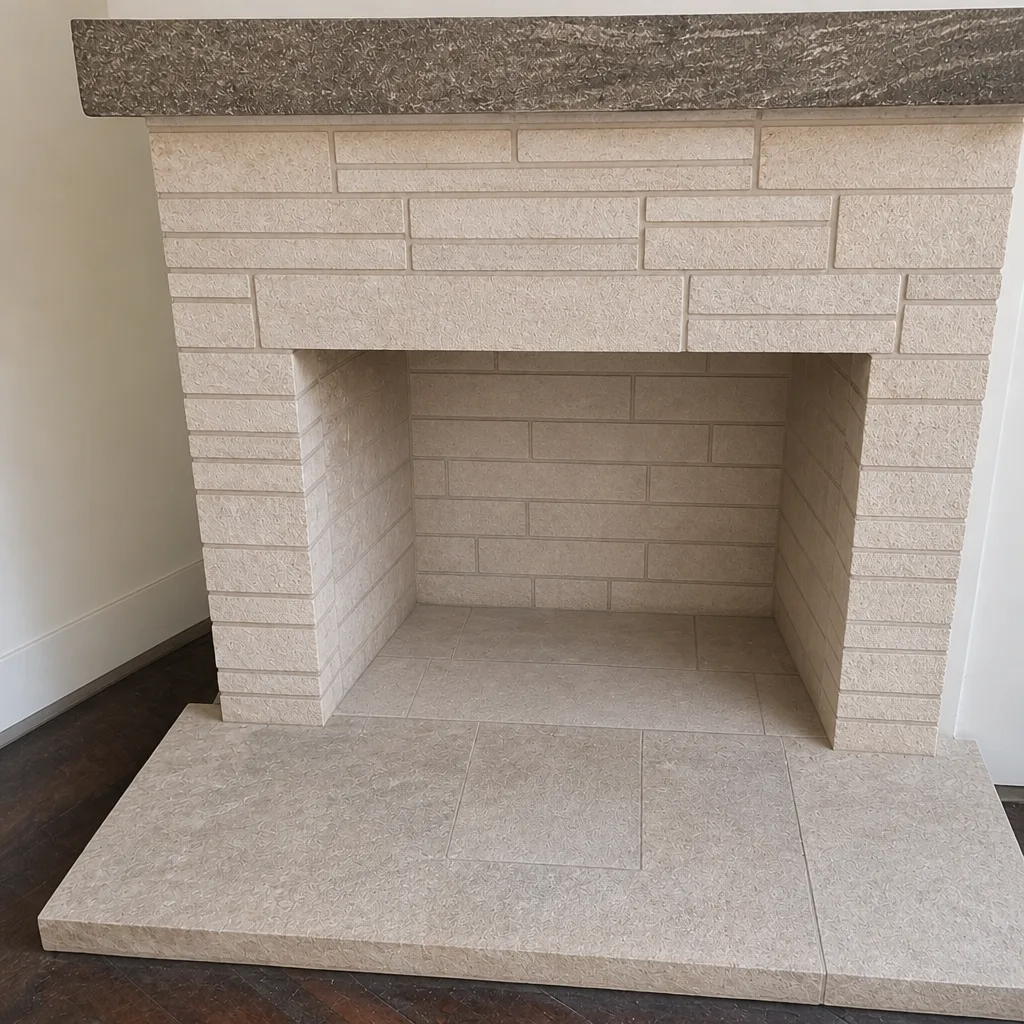
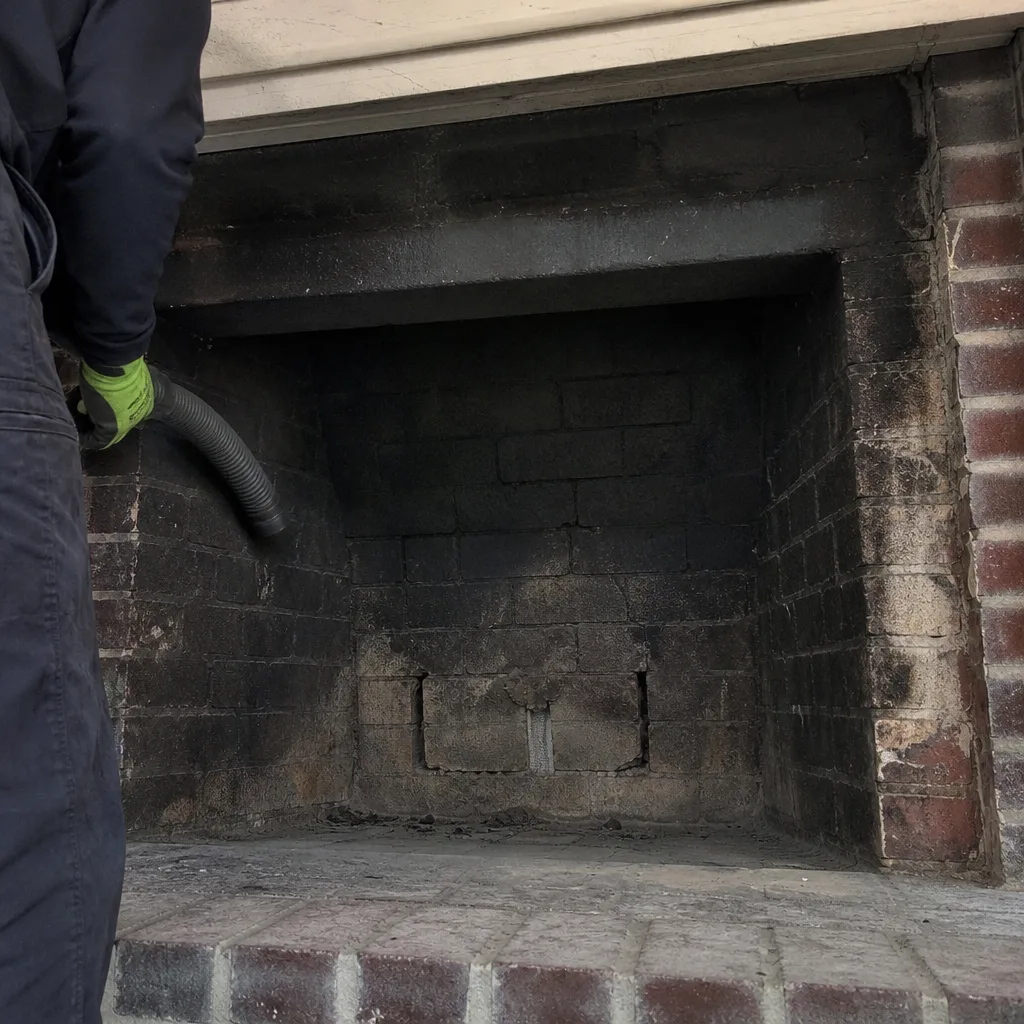
See the difference
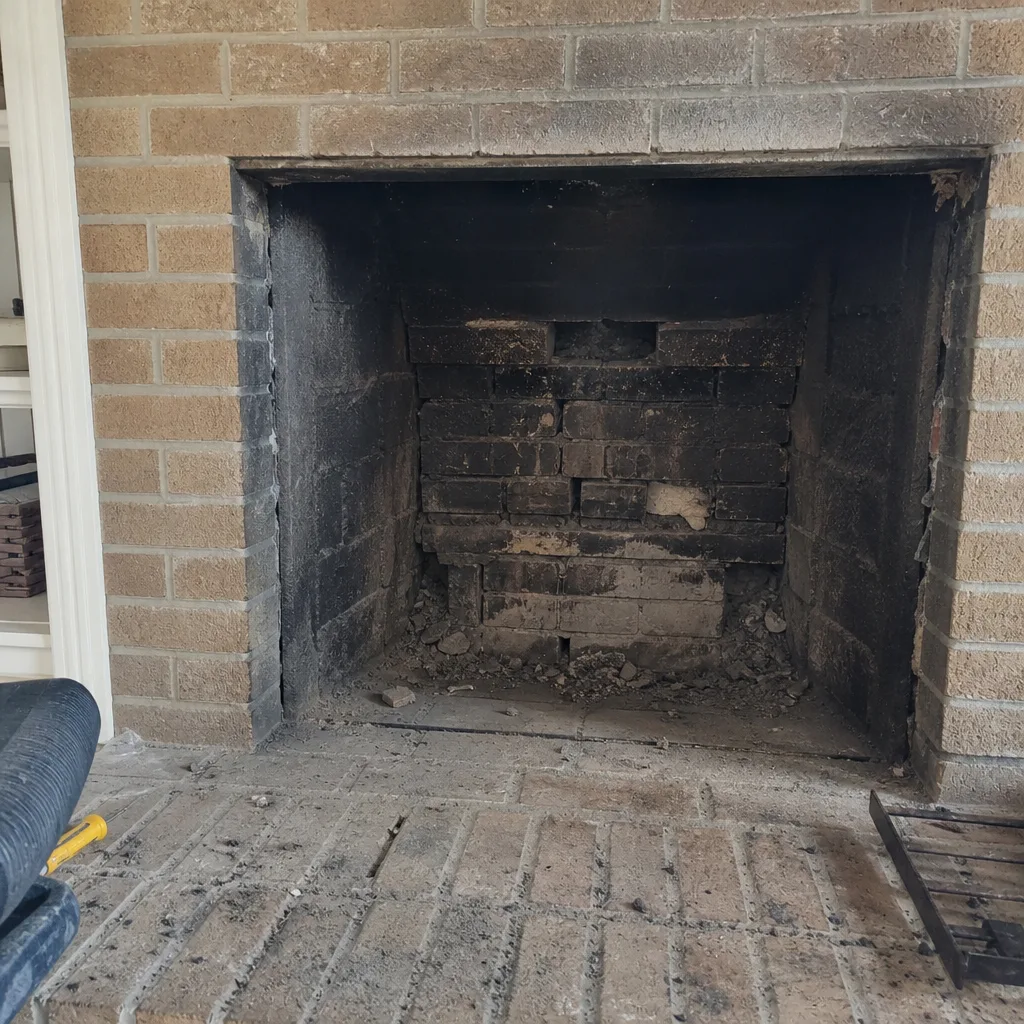 Before
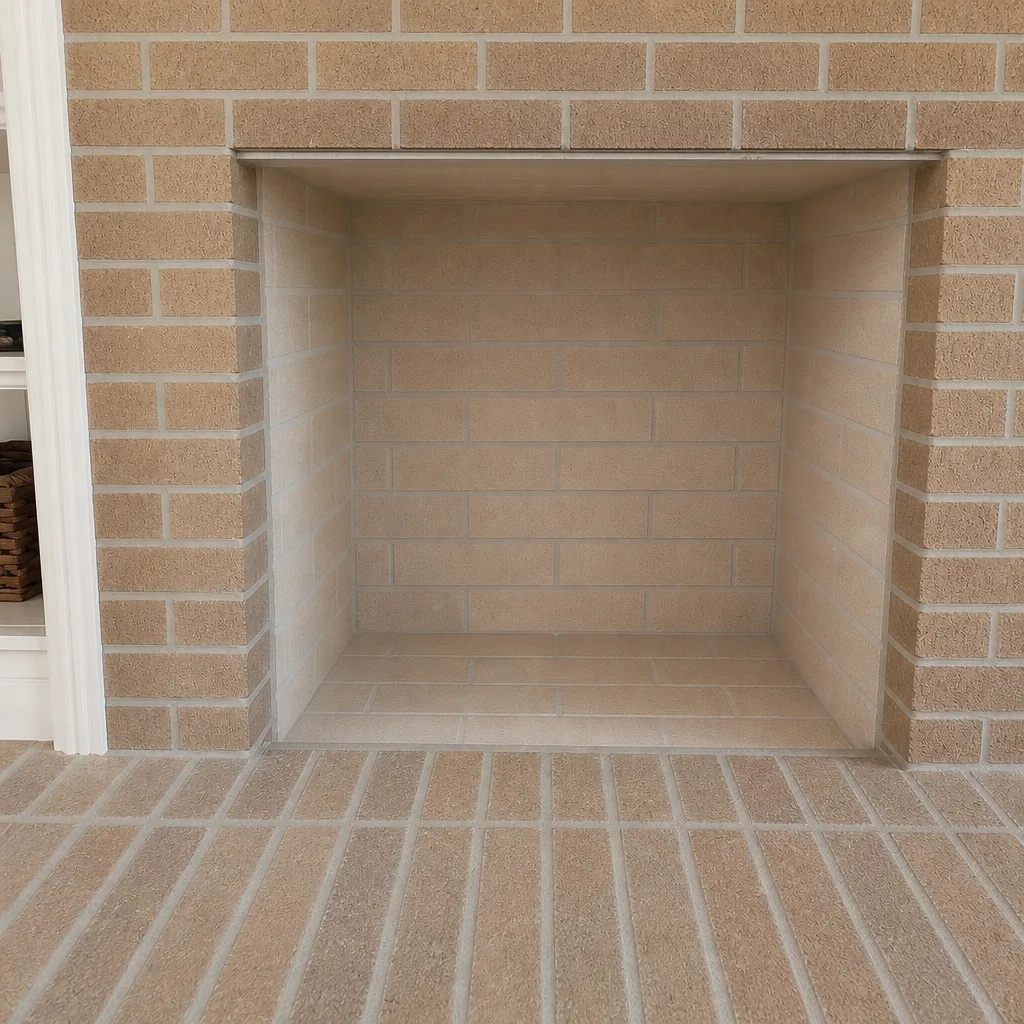 After
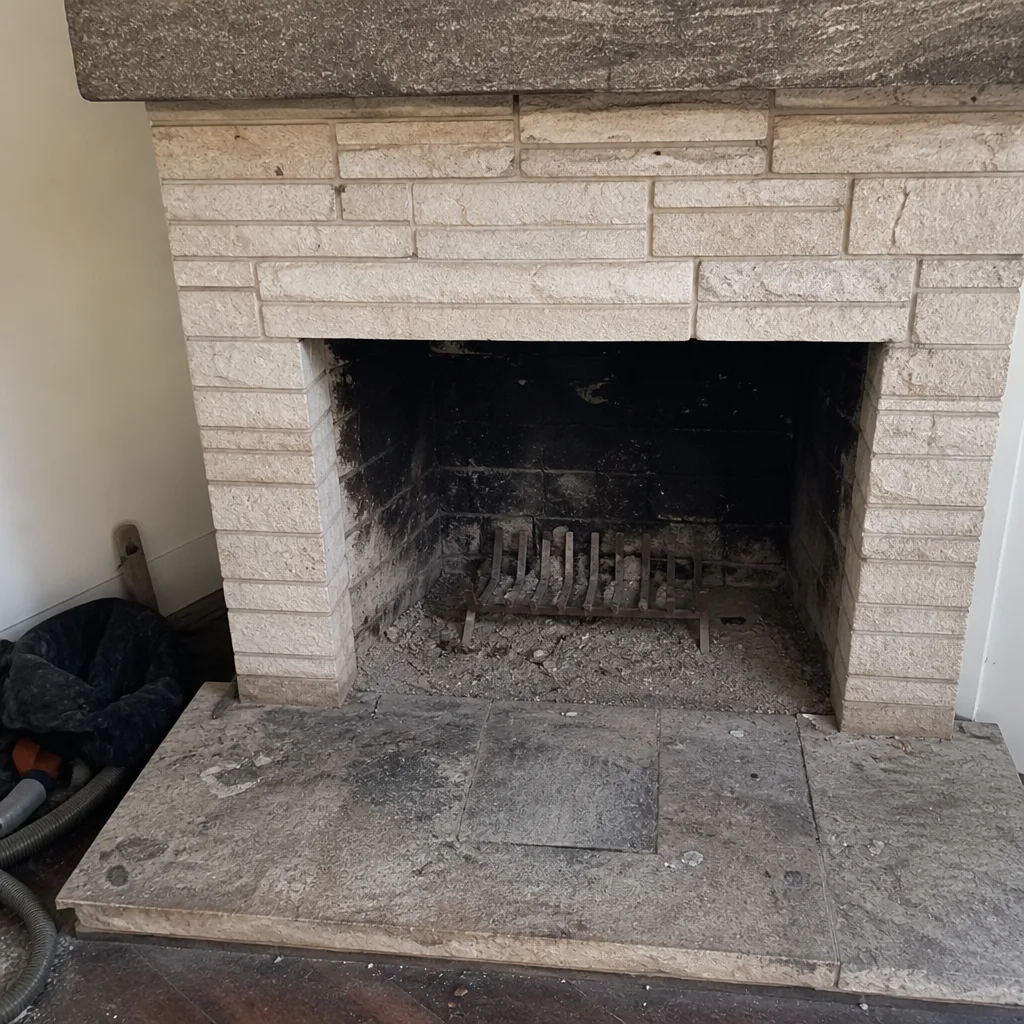 Before
 After
 Before
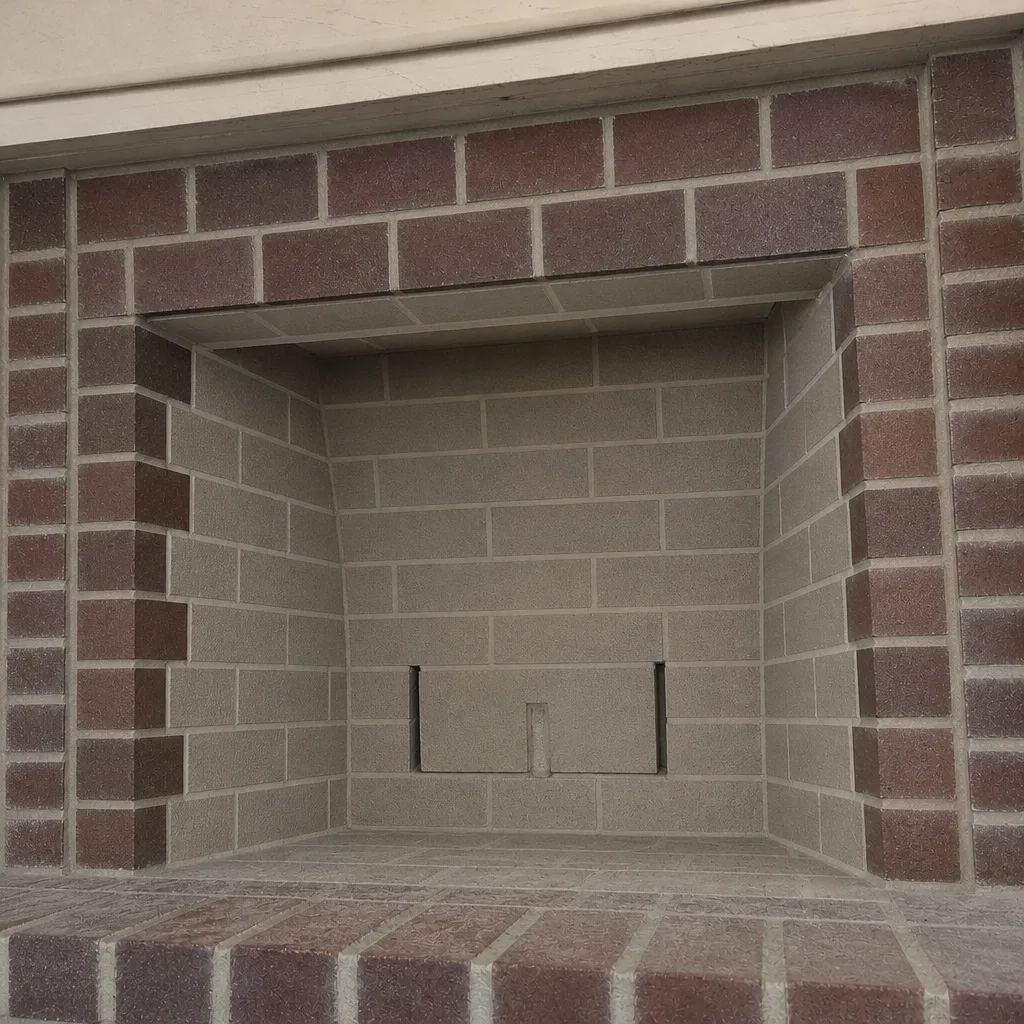 After
When to Call a Professional
Some conditions clearly call for a professional, and it’s worth knowing them before you pick up a brush. Call a professional sweep if you’re buying a home and need the flue inspected, if you’ve moved into a home and don’t know the service history, if you’ve had a chimney fire or noticed a strong creosote smell, if the flue has glazed or tarry creosote, if you see a cracked tile or missing mortar, if a cap is damaged or a nest is present, if the damper doesn’t work cleanly, or if your annual inspection is simply due. Also call if your firebox shows crumbling or white staining, or if the flue hasn’t been looked at since you moved in. For each of those, a sweep and inspection is the right next step. Charter Chimney Sweep offers free estimates in Clearwater. Call (844) 989-2870. We answer 24/7. Fast dispatch from 7am to 7pm, Sunday through Friday.
Frequently Asked Questions
You can safely clean a lightly used, recently serviced chimney as a maintenance pass, but you can’t safely diagnose it. The cleaning removes creosote from the liner surface; the diagnosis is what finds cracked tiles, a deteriorated smoke chamber, and hidden deposits. If you self-clean, treat it as maintenance, not inspection, and still get a professional sweep and camera inspection on a regular schedule. Call (844) 989-2870 for an exact quote; estimates are free.
Typical residential chimney sweeps in Clearwater run about $180 to $340, including the sweep itself, a camera inspection, and a photo report. Repairs, if the inspection finds something that needs fixing, are quoted separately. The written estimate you receive after the visit sets the final price. Call (844) 989-2870 for an exact quote; estimates are free.
A rotary brush cleans the vertical liner walls top to bottom, removing creosote as it goes. It doesn’t clean the smoke chamber, the smoke shelf, the firebox, the lower flue angle near the damper, or the exterior cap and crown. Those areas need separate tools and attention, which is why a professional sweep includes them and a DIY brush pass does not. Call (844) 989-2870 for an exact quote; estimates are free.
Clearwater humidity softens mortar joints over time, which makes DIY brushing riskier here than in a dry climate. A softened joint that looks intact can compress and shift under a brush, turning a routine cleaning into a repair. A technician feels that resistance and adjusts. That’s a local reason to use a professional rather than a general one.
Skipping a repair leaves the fire risk in place: cracked tiles let heat reach the structure, a deteriorating smoke chamber can let fire escape the flue, and a failed cap lets water and animals in. The issue compounds with each season. If you’re unsure whether a repair can wait, a diagnostic visit with a camera inspection will tell you plainly. Call (844) 989-2870 for an exact quote; estimates are free.
Yes. A professional sweep leaves a dated service record, a camera inspection, and a written assessment of the flue’s condition. That documentation is the kind of record a homeowner can produce if a concern ever comes up later. A DIY cleaning leaves no third-party record, which matters more than most homeowners realize when a question about maintenance arises.
The Bottom Line
The DIY versus professional chimney cleaning question isn’t really about whether you can push a brush. Most mechanically inclined homeowners can. It’s about what happens after the brushing. In Clearwater, where humidity can soften the masonry and low-use fireplaces hide creosote in the smoke chamber, the invisible work is the work that matters. Professional cleaning is worth it for the containment, the camera inspection, the documentation, and the ability to fix what the inspection finds, all in one visit. Our technicians have up to 15 years of experience, and we sweep, diagnose, repair, and reline with the same team. If you want to know what your flue actually needs this season, we’ll show you the evidence before we recommend anything. For homeowners in Clearwater, that starts with a call.
Call (844) 989-2870 for a free estimate. We answer 24/7. Fast dispatch from 7am to 7pm, Sunday through Friday.
Visit Charter Chimney Sweep for the full scope of what we handle, from sweeping and relining with DuraFlex systems to flue resurfacing with HeatShield and complete dryer vent service.
Written by the team at Charter Chimney Sweep.